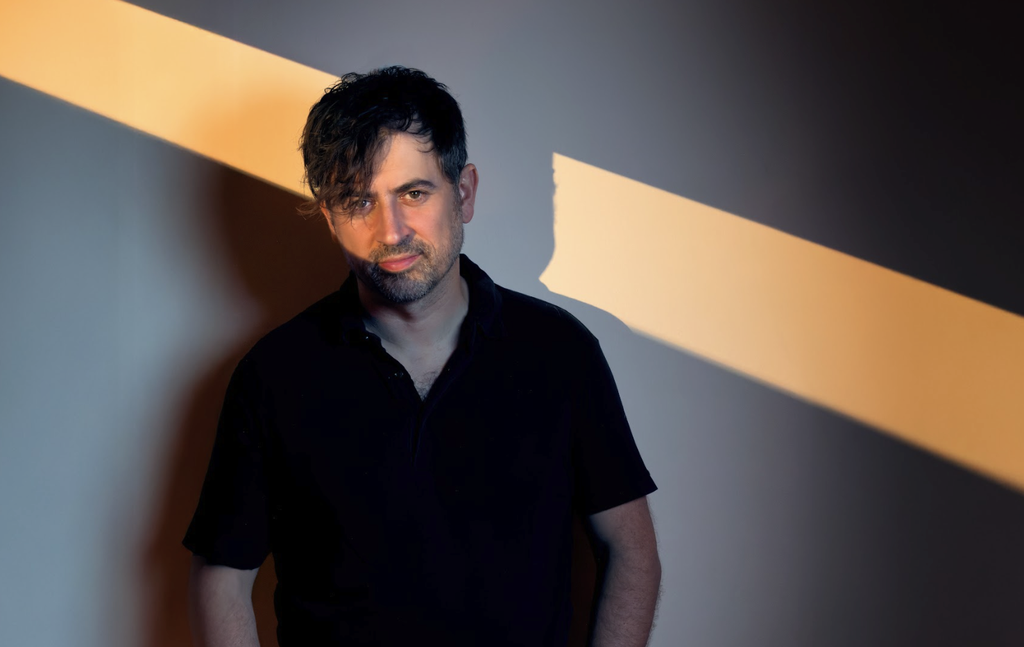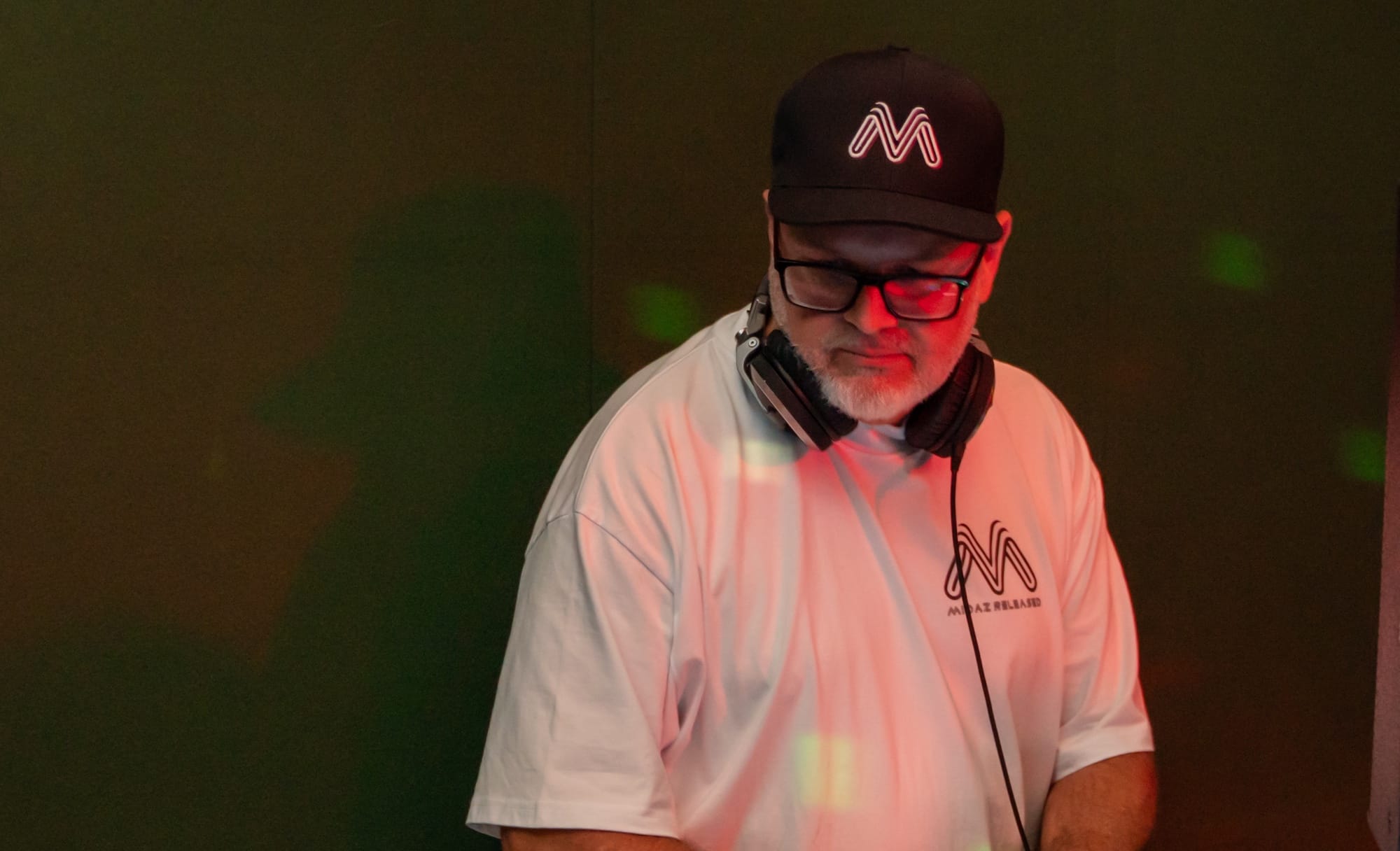
A year into MIOAZ, Adrian Beretta is still figuring things out – and he seems perfectly happy to admit it.
What began as a relatively simple idea around longer sets, melodic and progressive house and giving DJs a bit more room to actually play has quickly grown into something more ambitious. There are events, plans for artist development, a developing label with a slightly complicated colour-coded system, and the small matter of running the whole thing with his wife Ash alongside their full-time jobs.
Next up is MIOAZ’s first birthday at London’s 93 Feet East, with Braxton and returning headliners Trilucid playing extended sets across an eight-hour daytime session. It’s a format that says quite a lot about what Beretta wants MIOAZ to become: less about cramming names onto a flyer, more about giving artists time, building a musical arc and hopefully getting everyone home before the night bus becomes part of the equation.
We caught up with Adrian to talk about surviving year one, programming a party as a journey rather than a spreadsheet, why London’s progressive scene is looking healthy, his slight obsession with trees, and what exactly all those MIOAZ colours are supposed to mean.
A year in, what does MIOAZ look like from your side of the booth? Has the reality ended up anywhere close to what you pictured when you started it?
A year in, I think MIOAZ is starting to take shape, but the core idea hasn’t really changed! We’re a team of two (essentially my wife, Ash, and me while juggling full time jobs too) and we’re definitely still learning as we go. What we definitely underestimated was how much work goes into building a brand, especially the trust in a brand. You can have a great idea, but people need to experience it a few times before they really understand what you’re about. So, we’re learning to be more patient about the process now.
We wanted to create something around the music we love, with a real emphasis on the experience, extended sets, amazing artists and giving people time to actually get into the music.
We’ve been getting really positive, and some valued constructive feedback too, so we’re tracking well I think on the core concept. We’re really pleased with where we are, but also excited because there’s still a lot of room to grow.
But, if I’m completely honest having had artists like PROFF and Just Her headline our first event of 2026, and Trilucid wanting to return after our launch in 2025, oh and Braxton headlining in September, is honestly a “pinch me” set of moments!
How do you programme a MIOAZ night? Talk us through the decisions that take you from a blank line-up to something that feels coherent across eight hours and two rooms.
It probably will sound like a bit of a cliché, but we think about the whole journey rather than individual sets. We’re not really looking to put together a line-up simply because there are eight or ten great DJs available.
The music has to make sense together, but we also want there to be enough variation and surprises that the audience gets taken somewhere. In September we have two rooms, and that gives us a little more freedom because we can explore different sides of the MIOAZ sound while still making the whole event feel connected. But we may not have that opportunity for every event, so we will need to give thought to how we programme a single room for sure, but there will always be a natural flow. We’re planning a series for 2027 that will be single genre, single room, and more intimate which no doubt be an interesting but exciting challenge to ensure the flow makes sense.
The headliner extended sets are important here too. If we’re asking someone to play for longer, we want to understand what they’re going to bring to that opportunity. Who can tell a story? Who can play across different tempos or moods? Who might surprise the audience?
We also want a balance between artists people already know and artists who perhaps deserve a bigger opportunity. That’s part of the artist-development side of MIOAZ.
And then there’s the less obvious stuff like the personalities, how people fit together, the energy they bring to a room. A line-up can look brilliant on paper and still not work as a night. We’re trying to programme the experience, not just the names.
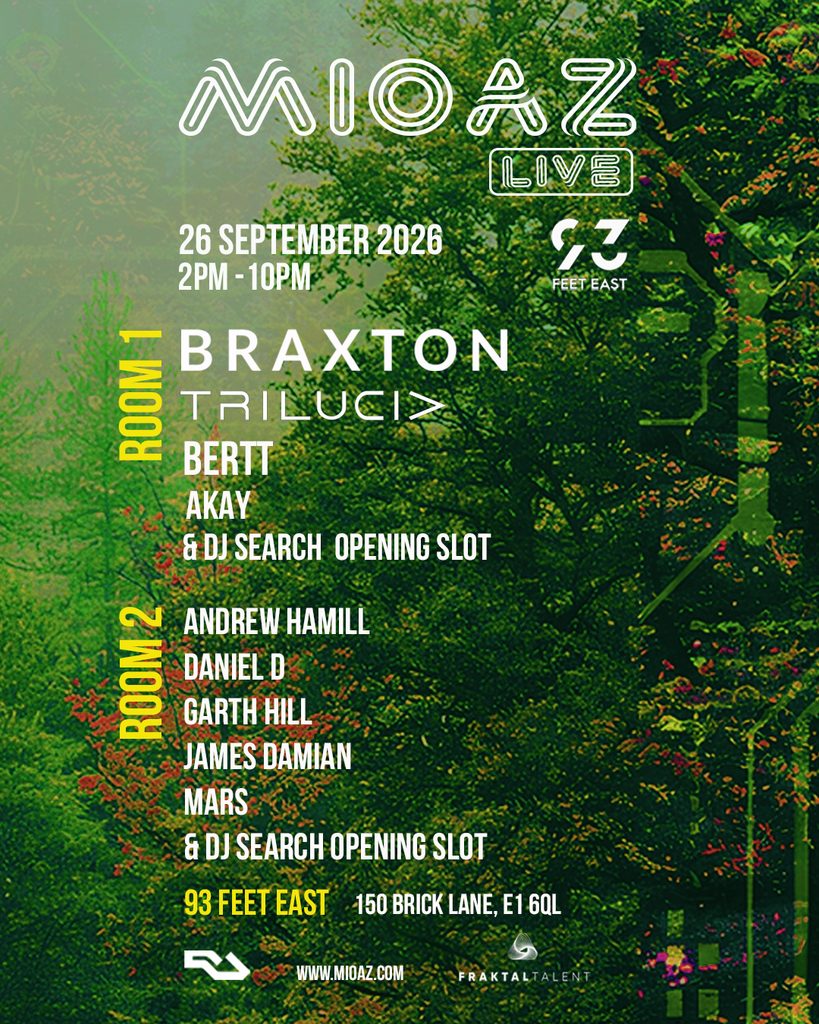
Braxton and Trilucid are both getting extended sets at the anniversary. Why those two artists, specifically, for this point in MIOAZ’s story?
Both are artists we’ve been fans of for a long time, so having them play extended sets for us feels pretty special.
With Braxton, I remember the first time we saw him. It was at an Anjunadeep Open Air event and he opened the day. What really stood out was the way he took that opening set from start to finish. The pace was just amazing. He understood exactly where he was in the day, built it beautifully and took you with him without needing to force anything.
We’ve been buying pretty much every release since, so when he agreed to play for MIOAZ, that was a big moment for us. It’s not just a case of booking an artist whose music we like and we’ve been following what he’s been doing for years.
And with Trilucid, we’re again big fans of what the lads have been doing for some time now. They actually headlined our MIOAZ launch event, so there’s already a history there. Having them back for the anniversary feels pretty special for that reason.
Both artists really represent something we want MIOAZ to stand for: musical depth, individuality and the ability to take people along for a ride. And giving them extended sets means we can give them the space to do exactly that.
We genuinely believe the whole can be greater than the sum of its parts.
What are you hearing in London’s melodic and progressive scene right now? Are there particular sounds, artists or shifts in the crowd that are feeding into where you take MIOAZ next?
I think there’s definitely an appetite for the music we love. I’m a big admirer of brands like Anjunadeep, Colorize and All Day I Dream. They’re obviously much bigger brands than MIOAZ and are putting on much bigger events, but for me that’s actually really encouraging. It shows there is an audience for melodic, progressive, deeper and more emotive electronic music.
Then there are lots of smaller brands and independent promoters doing a great job of bringing really interesting headliners into London and creating more intimate experiences around them. You’re seeing artists like Nick Muir, Lloyd Barwood and Tim Green appearing in these kinds of settings, alongside some really talented local DJs and producers. I think that combination of established artists and grassroots talent is really healthy for the scene.
And that actually ties into MIOAZ’s place in the wider London electronic music community. We want MIOAZ to become part of this community rather than operate in a bubble. There are lots of promoters doing great things, and we don’t think we need to see each other as competition all the time. We’d much rather get to know other promoters, share insights and dates where we can, and help make the wider clubbing community more sustainable. We always run an industry guestlist, so reach out!
We genuinely believe the whole can be greater than the sum of its parts. If there are more good events, more interesting artists coming through and more people discovering this music, ultimately that benefits everyone — the promoters, the artists and, most importantly, the audience.
We’re also seeing more interest in daytime events and longer experiences, which fits very closely with what we’re doing with this particular MIOAZ event. People don’t necessarily need a huge room or a massive production to have a great experience. They want to discover something, hear great music and feel like they’re part of something. Plus there’s the added benefit of catching the last train home, no hotel bookings or expensive cab rides home!
We’re still very small, so we’re not pretending we have all the answers. But we definitely think the opportunity is there. We just need to build it slowly, give people a reason to keep coming back and, hopefully, play our part in making the London scene a little better along the way.
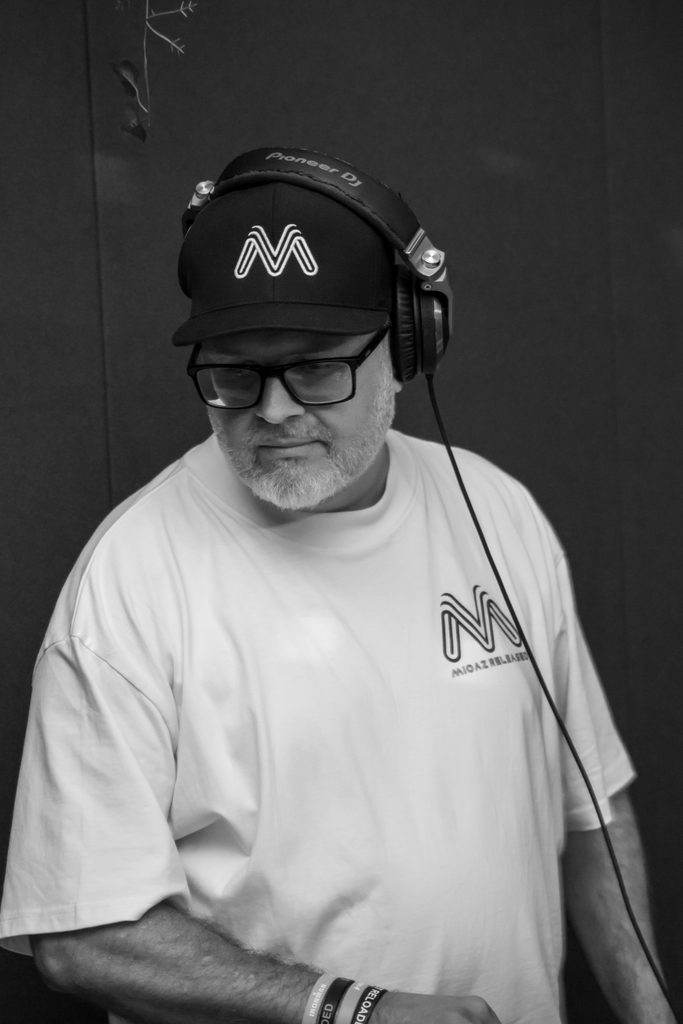
How important is the 2pm start to what you’re trying to create? Eight hours in Shoreditch during the day is a very different proposition from asking people to arrive at a club at midnight.
It’s actually really important to what we’re trying to create for this event. The 2pm start changes the whole feeling of the event. You’re not asking people to wait until midnight, get into club mode and then stay out until the early hours. You can arrive in the afternoon, settle in, meet people, listen to some music and actually enjoy the entire experience.
We think it also works really well with the kind of music we’re presenting. There’s something very natural about melodic and progressive music in a daytime setting, particularly when you’re giving DJs longer sets.
And eight hours gives us the opportunity to create an arc to the day. It doesn’t have to be high impact from the first record. We can let it build naturally.
That’s another part of what I mean by giving the music room to breathe. But we’re not wedded to only doing day events. More on a 2027 series soon!
You’re effectively asking people to understand MIOAZ as an event series, a label and an artist-development platform. How do those different parts feed each other without the whole thing becoming too sprawling?
I think that’s something we’re still figuring out, to be honest. We’re a small team and we definitely don’t want to try and do everything at once. The events are currently the most developed part of MIOAZ, and the label has taken more of a backseat while we learn more about the industry and how we want to operate it.
But ultimately, we see those different elements feeding each other. The events give us a place to discover artists and introduce them to an audience. The label gives us somewhere to develop their music. Artist development is really the thread that connects the two and not a separate entity. That’s the long-term idea, anyway.
The important thing is that we don’t force it. We’re looking at 2027 for opening the label roster properly, and we’d rather do that when we’re ready than rush it because we feel we should have more releases. Organic growth is really important to us. If everything develops naturally from the same musical identity, it shouldn’t feel like three separate entities.
Three imprints straight out of the gate is quite an ambitious label structure. What convinced you that MIOAZ Released, Green and Blue each needed their own lane, and what would make a record unmistakably right for one over the others?
I think “three imprints straight out of the gate” makes it sound much more organised than we actually are! The reality is that the label is still developing and we’re working out exactly how those identities will evolve.
The colour concept actually came from our MIOAZ Mixcloud series. We were already using the different colours to represent different sides of the mixes we were putting out, so when we started thinking about the label, it felt like a natural extension rather than something we’d invented simply to have three labels.
MIOAZ Released the label. It will become the broader and more eclectic side of what we do — ambient, chill, electronica and potentially more electronic-focused albums in the future. We’ve been leaning towards White for the more chilled stuff, so perhaps it’s Blue, Green and White!
Green is the deeper, melodic side of house. The colour represents the more earthy side of the music, emotional and uplifting. And yes, the fact that I’m slightly obsessed with trees probably had something to do with that!
Blue is more progressive, still emotive, but darker and deeper. There’s actually quite a nice continuum between all three, and we love all of those sounds.
The colour concept also feeds into MIOAZ Live, which is the events side of the brand. The visual identity and flyer design for an event will reflect the lead genre of that particular event. It gives people another way of understanding what they’re going to experience before they even walk through the door.
So, we don’t want to create rigid boxes where a record has to tick certain criteria before it can go on Green or Blue. Ultimately, the music should define where it belongs. We want to listen to a track and instinctively know which part of the MIOAZ world it fits into.
As mentioned before, we’re not trying to rush this. The label has taken a bit of a backseat to the events this year. We’re using my own aliases to learn more about the mechanisms of a modern label before we ask other artists to entrust us with their music.
In time, as the MIOAZ musical identity becomes better understood, we may find that we don’t need to make such a strong distinction between the colours and everything can simply sit under MIOAZ Released.
But for now, we like the fact that the colours give people a visual and musical way into the different sides of MIOAZ. It grew organically from the Mixcloud series, and has now started to influence the label and live events too. So, it feels like a genuine part of the brand rather than a structure we’ve forced onto it.
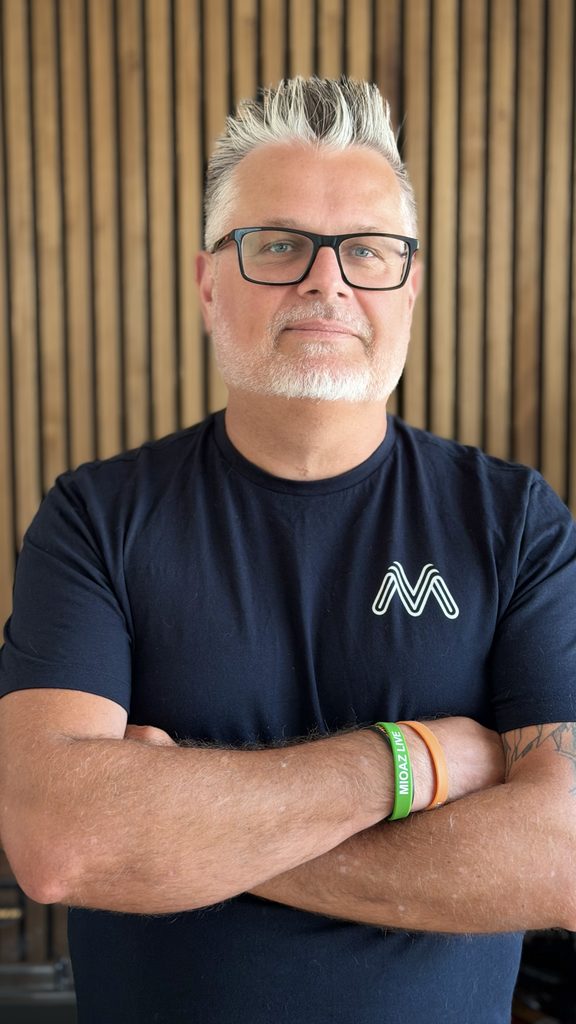
Once the birthday is over and year two properly begins, where does the attention go? What are you most keen to build next — more events, the first label releases, developing the artists already around MIOAZ, or something we haven’t seen yet?
The honest answer is probably a bit of all of those, but not all at once. The events will continue to be a big focus because that’s where we’re getting to know our audience and building the MIOAZ community. The label is already starting to take shape behind the scenes with a few low-key releases, but 2027 is when we’d like to begin opening the roster.
We’ve already had a few artists approach us and we’re starting to build relationships with people we’d like to work with. We’re particularly interested in developing artists rather than simply taking one track, releasing it and moving on to the next one.
That’s something we admire about brands like Anjunadeep, Colorize and All Day I Dream. The music is obviously paramount, but there’s also a sense that they’re building artists and a world around the music.
So, I think year two is about taking what we’ve learned in the first year and starting to join those pieces together more deliberately i.e. events, releases and artists, but still keeping that organic approach.
Rather than set targets of “we need X number of events and X number of releases”. I we’d rather look back at the end of year two and feel that everything we did made MIOAZ stronger, more recognisable and more trusted.
If we can do that, then I think we’re heading in the right direction.
Head to https://mioaz.com/ for more