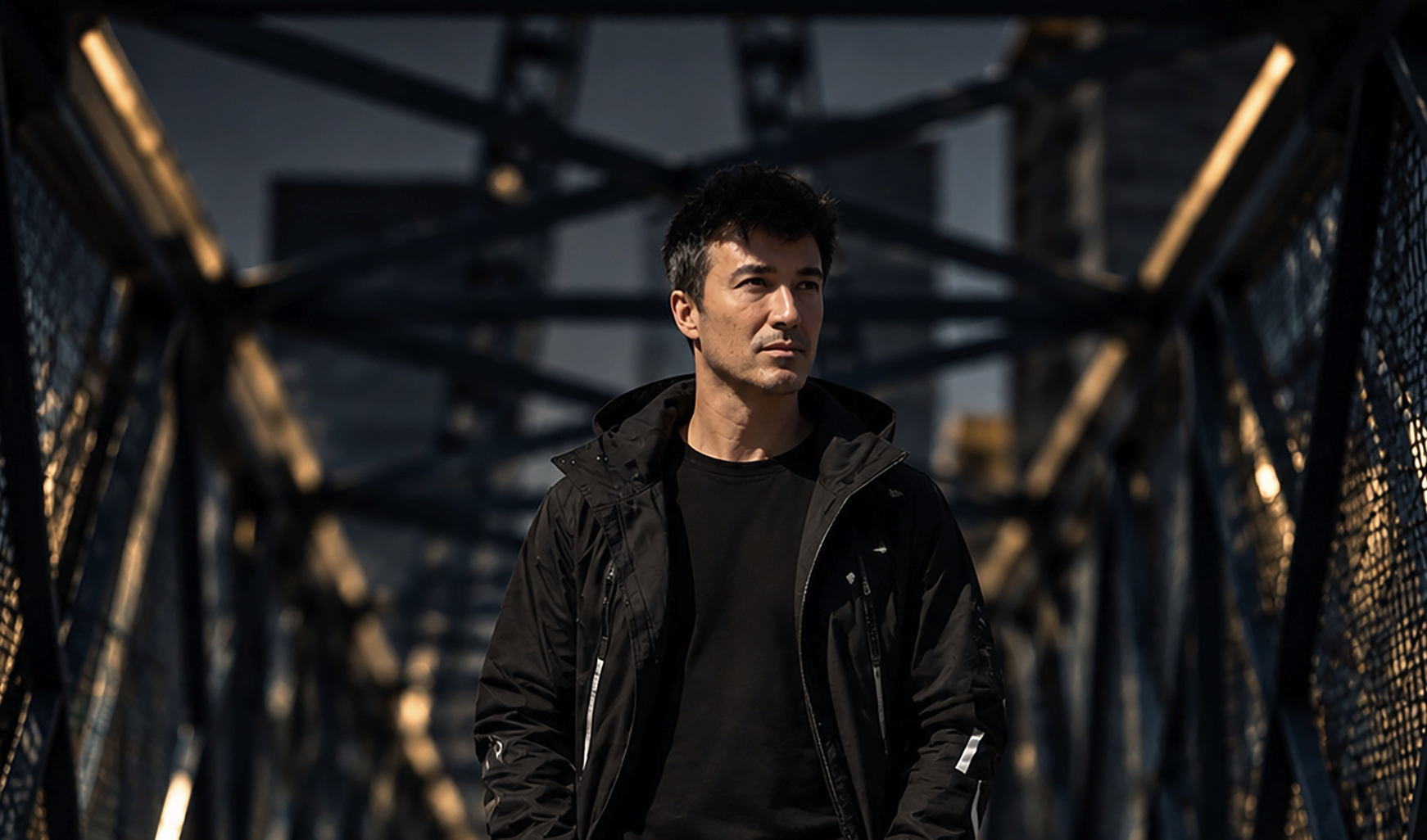
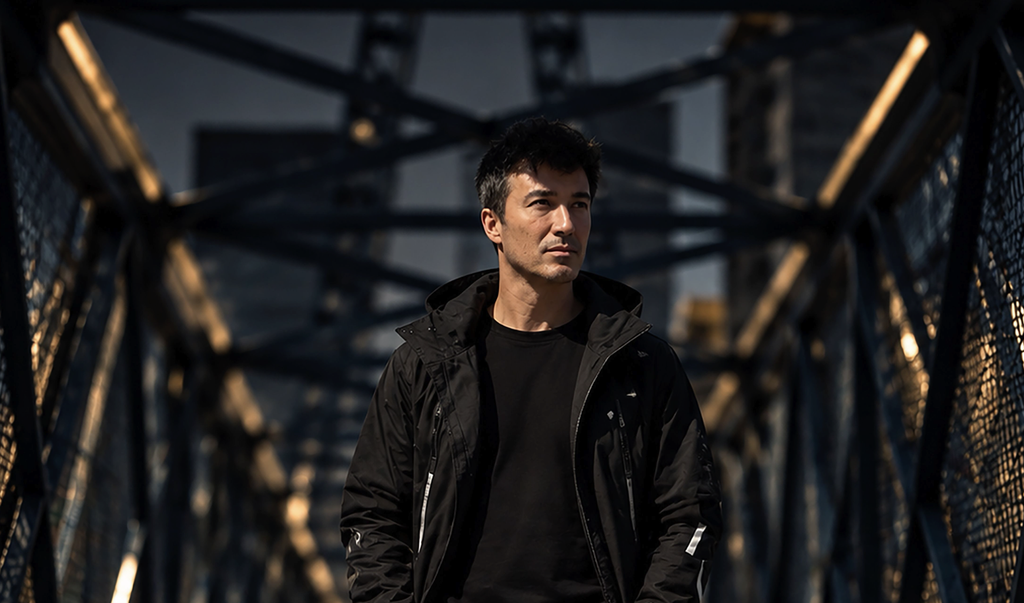
Thechi’s Echo State EP starts from a place a lot of producers know but do not always admit: coming back to music after a pause and realizing the old instinct to keep adding more is not always the answer. The London-based artist, born Arjun Yohannan, grew up in Kerala, India, where his first relationship with electronic music was not built through club records alone. It came through video games, Indian film music, hill-station gatherings, grassroots parties, classical training, and a slow curiosity about what sound could do before he even had clean language for genre.
That makes Echo State feel less like a three-track introduction and more like a small map of how memory changes when it becomes music. “Momentum” looks back toward warmer recollection, “Trace” follows something half-remembered and half-chased, and the title track brings those inner images into contact with reality.
The EP is atmospheric and melodic, but the more interesting part is how much Thechi talks about restraint: fewer elements, more space, and a clearer understanding of how groove can carry feeling without being crowded by it.
The interview below follows that path from Kerala to London.
Thechi talks about hearing drum and bass, techno, hip-hop, rock, metal, psytrance, ambient, and Indian film music before those influences settled into a personal language. He also gets into Indian classical music, classical piano, the South Indian underground, and the kind of community he wants to help build now that he is finding his place in London. The throughline is atmosphere, memory, movement, and the space left for the listener to bring something of their own and we sat down with him to talk all about it.
Interview With Thechi

What did electronic music first offer you that you wanted to explore, and where were you hearing it while growing up in Kerala?
To be honest, my first encounter with electronic music was through playing video games while I was growing up in Kerala. I didn’t really understand what I was listening to at the time, but I remember the music taking me into a completely different mood and atmosphere. I was always more fascinated by the sounds than the lyrics, and I would listen to certain tracks and create my own narratives and scenarios around them in my head.
Games like Need for Speed Underground 2, FIFA, Tom Clancy’s Splinter Cell and Midnight Club introduced me to so many different sounds: drum and bass, techno, hip-hop, rock and metal. It was an explosion of different music for me, but it opened up a completely new spectrum.
Indian film music was also a big part of that. Growing up, I was exposed to the way composers such as A.R. Rahman, Deepak Dev, and Ouseppachan experimented with synthesizers, electronic sounds and machines alongside Indian classical influences. Without really knowing it, I think those sounds were already shaping my curiosity about electronic music.
So, before I understood electronic music as a genre or culture, I think I was attracted to what sound could do emotionally and imaginatively.
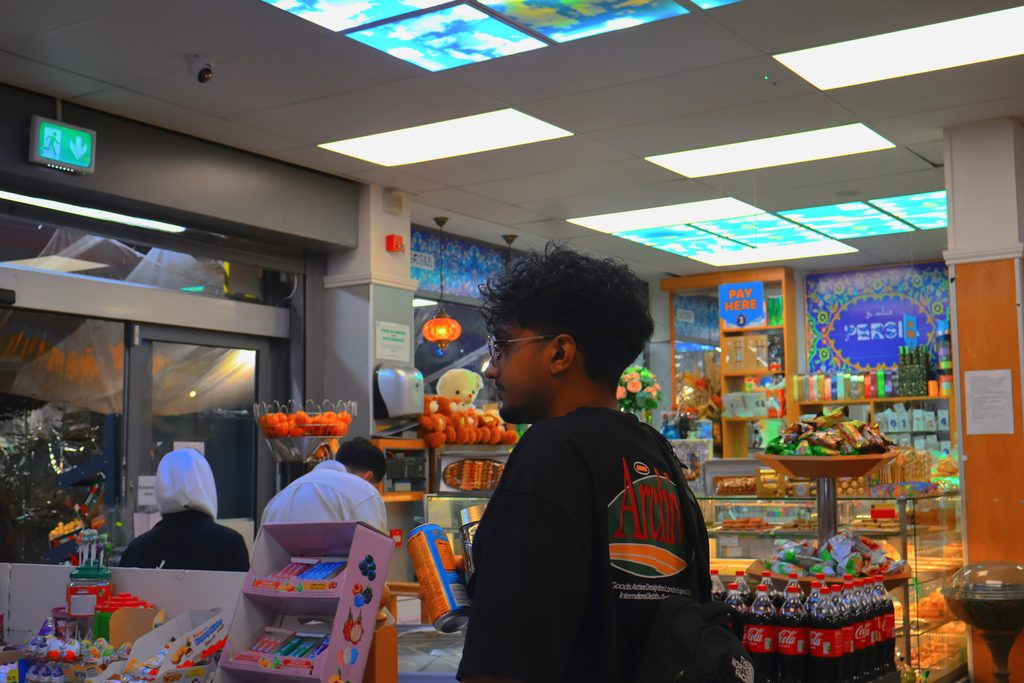
You’ve mentioned a dedicated local audience for styles ranging from psytrance to ambient. How much did those communities overlap, and what did that mean for the music you were exposed to?
The Goa trance and psytrance movement was a big influence on the underground electronic scene across India, and that wave definitely reached Kerala as well. People who were inspired by the Goa scene started organising gatherings and parties in hill stations and remote locations.
My first real party experience was travelling up to a hill station and into a remote, almost jungle-like environment for a party. At that point, I was very interested in psytrance and wanted to become a psytrance DJ.
But as I met more people through those communities, I started discovering completely different styles. I was exposed to house, techno, electronica, ambient and downtempo music, and there were also gatherings in different parts of South India dedicated to those sounds.
They were relatively niche scenes, but the people involved were very dedicated. There wasn’t necessarily a huge commercial audience behind them; people were there because they genuinely cared about the music and the experience. For me, that overlap was really important because it meant I wasn’t locked into one genre. I could move between different sounds and discover things naturally.
Those experiences were also what made me want to take music seriously and eventually study music and production.
You have a background in Indian classical music and classical piano. How did electronic production enter that education, and what interested you about making music this way?
When I started taking music education seriously, I was actually quite confused about which direction to take. I wasn’t sure whether I should become more technically focused or follow the musical side, and I also had a lot of self-doubts about whether I had the ability to make music.
Learning piano and being exposed to Western classical music gave me a different understanding of musical expression. At the same time, I was listening to artists such as Ólafur Arnalds and Nils Frahm, and their music made me realise how expressive electronic production could be.
That was an important moment for me because I started seeing technology not just as a technical tool, but as another way of expressing musical ideas and emotions. My piano education influenced the way I think about melody, harmony and dynamics, while electronic production gave me the freedom to shape sound, texture and atmosphere in completely different ways.
That combination became a big part of what I wanted to explore as an artist.
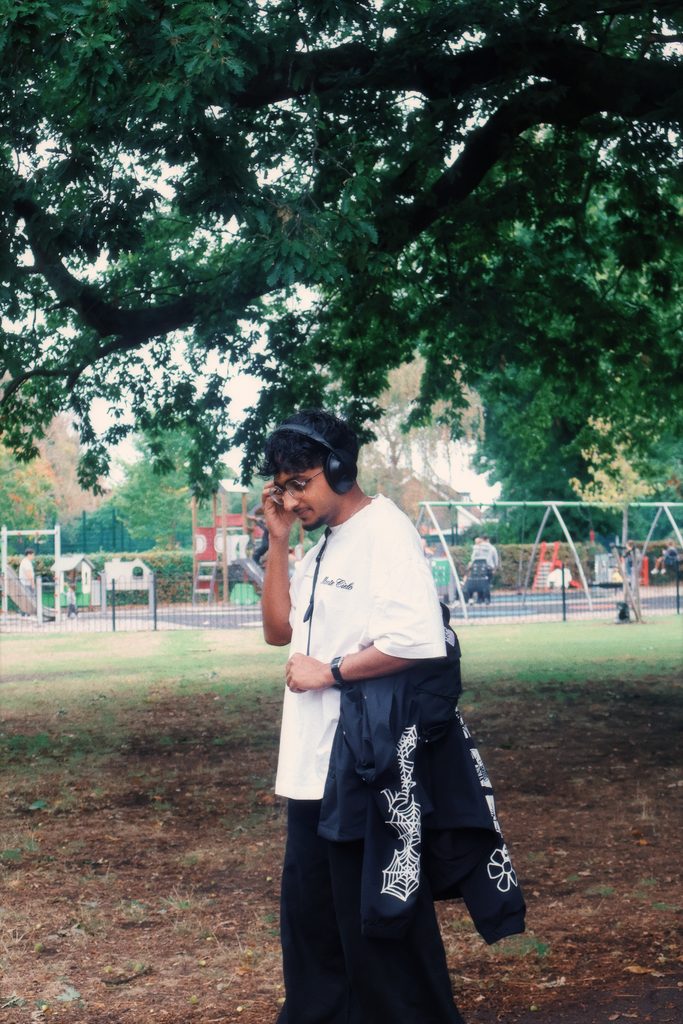
What made these three tracks belong together as an EP, and how did you decide on their order?
Echo State came after I took a short break from music production, so returning to production felt quite reflective for me. The three tracks started to feel like different parts of the same internal story.
The idea behind the EP is that everything happens within you. I imagined someone sitting quietly in nature, looking back at their memories while also thinking about their dreams and the reality around them.
“Momentum” represents the happier side of that memory: revisiting good moments and feelings. It has a laid-back, warm and groovy quality, while still having the atmospheric textures that run through the EP.
“Trace” moves into the idea of chasing dreams and memories. It’s more atmospheric and nostalgic, and the gradual build is important because it feels like you’re following something that you can’t quite hold onto. I wanted it to feel soothing but still have a sense of movement.
The third track, “Echo State,” takes that internal world and brings it into conflict with reality. The character is still holding onto those dreams and memories, but reality starts to interfere, creating a struggle between the two.
So, the order was intentional. It moves from remembering, to searching, and then toward the point where dreams and reality collide. The three tracks felt like chapters of the same story rather than three separate pieces of music.
What did the community in Kerala teach you about supporting other artists that you want to put into practice in London?
What I really appreciated about the grassroots scenes in Kerala was seeing people come together simply because they wanted to listen to music and experience art. Sometimes there wasn’t really anything obvious to gain from putting an event together; people just did it because they cared about the music and wanted to create something.
I also came across a lot of talented artists through those communities who I felt deserved much more recognition. Seeing that made me realise how important the people around an artist can be: the organisers, listeners, other musicians and everyone who contributes to creating a space.
I’m still relatively new to the creative and electronic music scene in London, so I’m still discovering the different communities and finding my place within them. But I’ve already really appreciated how much creativity and collaboration there is here. There are so many different scenes, collectives, artists and people creating their own spaces, and that’s something I want to become more connected with as I continue developing here.
What I’d like to do is carry that sense of community with me: to build genuine relationships with artists, organisers and listeners, and to be someone who contributes to the scene rather than simply being part of it. And because my roots are in India, I’d also love to create little bridges between these two worlds, bringing attention to artists and sounds from India and helping them find an audience here when there is an opportunity.
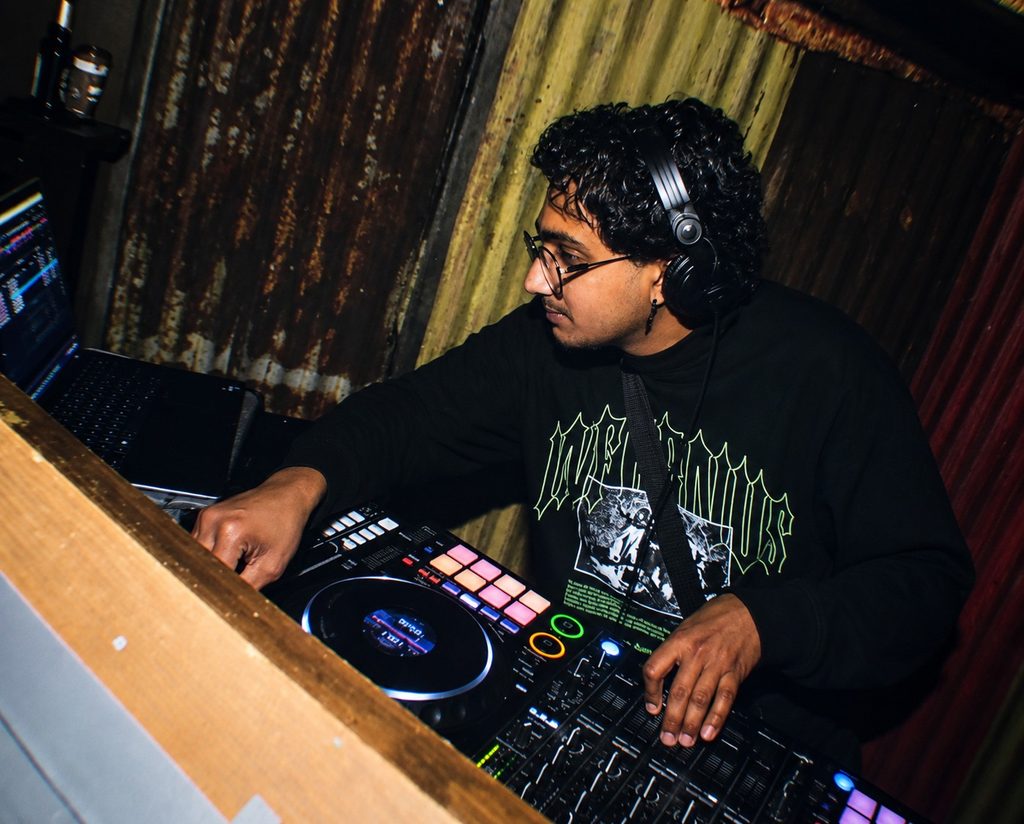
With Echo State completed, what do you understand about the music you want to make that you couldn’t have explained before writing it?
I think I understand my relationship with space and restraint much better now.
Before Echo State, I was often making whatever came into my mind during production and building tracks by adding more ideas and sounds. There was nothing wrong with that approach, but moving to London exposed me to a lot more house music, particularly deep house, minimal/deep tech and dub techno, and I became much more interested in groove, arrangement and how individual sounds sit together.
I started realising that you don’t necessarily need a lot of elements to make a track feel complete. Sometimes removing something and giving another sound more space can make the whole track stronger. That became quite important in the production of Echo State.
I also realised that I don’t want to define Thechi too strictly by one genre. I’m interested in house, electronica, ambient and other forms of electronic music, but what connects them to me is the atmosphere, emotion and sense of movement.
After finishing Echo State, I feel I have a clearer idea of the kind of music I want to make: music that can have a groove and movement, but still feels atmospheric, emotional and immersive. I want to leave enough space for the listener to bring their own memories and imagination into it.

Magnetic byline note: This byline is used for staff produced updates and short announcements, often based on press materials and official release information. Editorial responsibility: David Ireland (Editor in Chief) and Will Vance (Managing Editor). About: https://magneticmag.com/about/ Masthead: https://magneticmag.com/masthead/ Contact: https://magneticmag.com/contact/