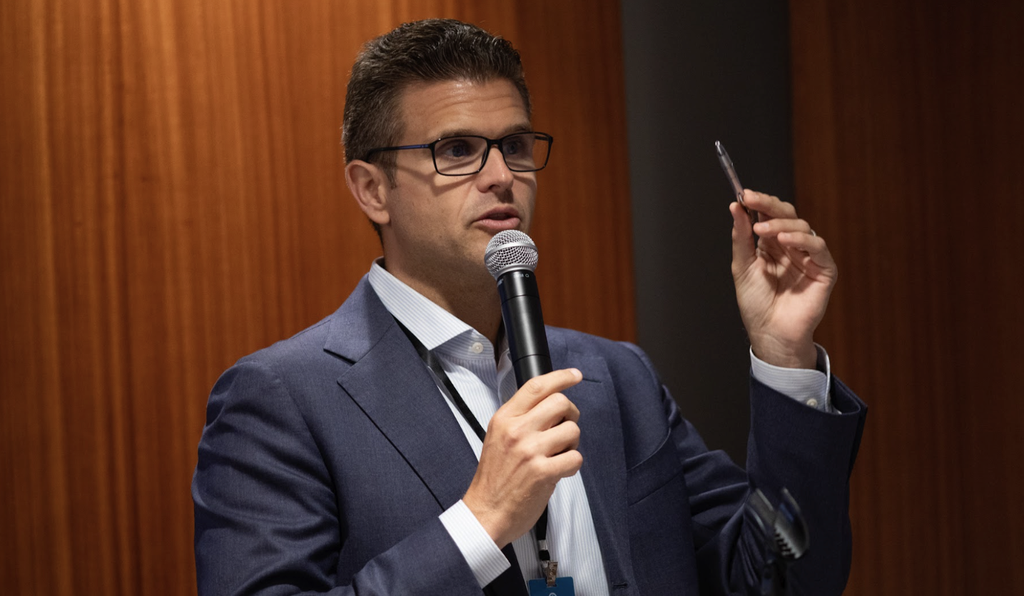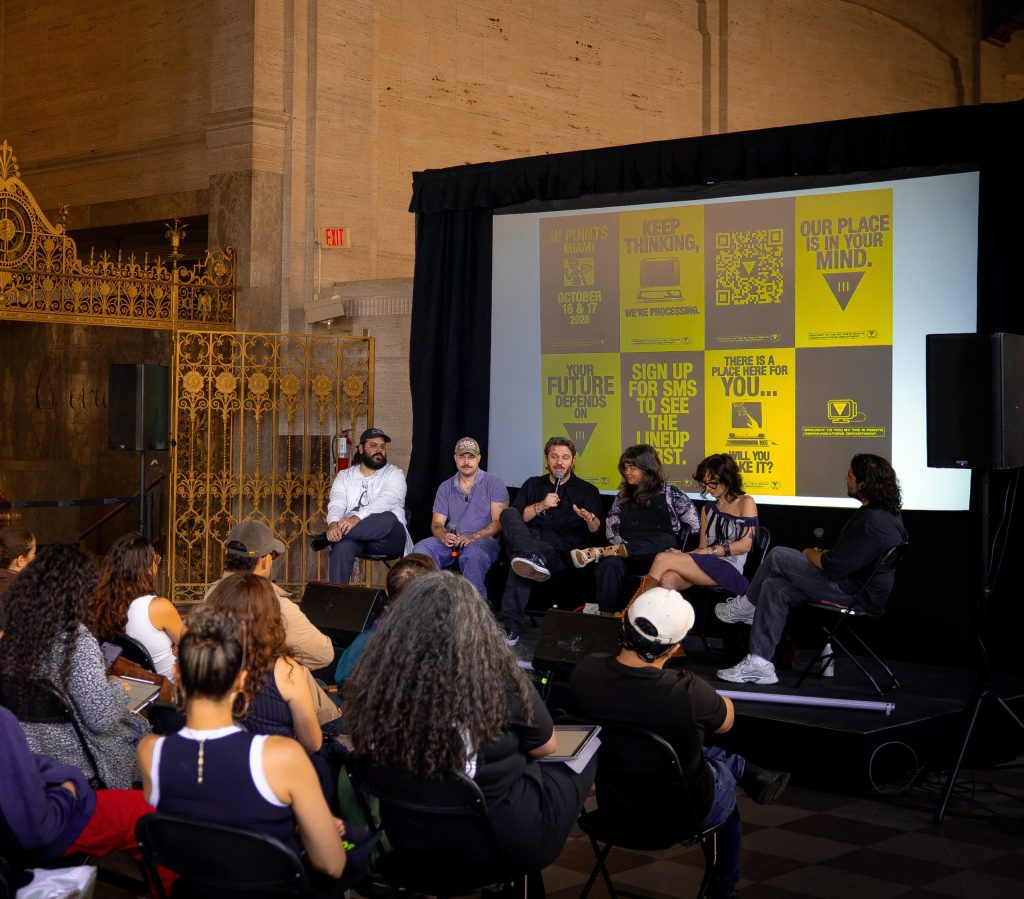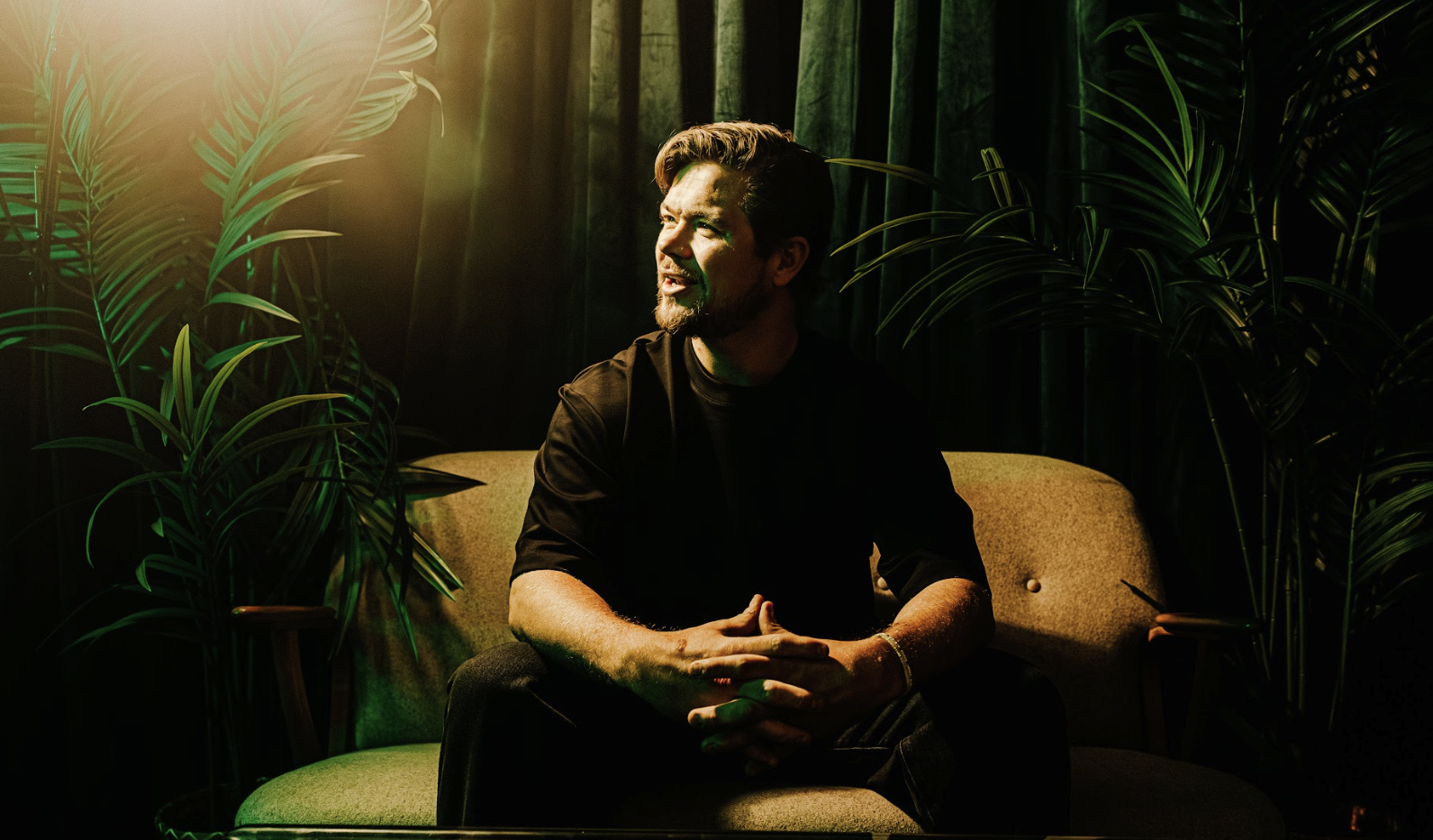
Most venues are still judged by the calendar before anyone asks a better question about the building.
Who can you book, how often can you fill the room, how many big nights can carry the dead weeks around them, and how long can the economics survive when music has to pay for the whole machine by itself? Sonny Hall looked at that model from the artist side first, then from the operator side, and UNLOCKED came out of the gap between what a room can host and what a room is usually allowed to become.
His starting point was 118 Curtain Road in Shoreditch, a flooded, ivy-covered shell that other operators had passed on, and the way he describes it says a lot about the company’s larger bet. He was not only imagining another London club calendar.
He saw a space that could hold Boiler Room one night, a Netflix activation the next, and a wider mix of electronic music, fashion, art, brand work, and cultural programming without making any one format responsible for the entire business. UNLOCKED Wynwood takes the same logic to Miami on a much larger scale, with a 5,000-capacity, 45,000-square-foot venue designed for the kind of ideas that need more than a standard room and a flexible PA spec.
That does not mean music becomes decoration for brand money, which is the obvious danger in any hybrid model like this. Hall’s line is pretty clear: partnerships can add production value, transform a room, and help support the business, but the minute they start dictating programming, the partnership is wrong.
Our discussion with him below gets into why single-revenue-line venues are fragile, how UNLOCKED is trying to build around that, and what Miami might gain from a venue made to scale with the ambition already sitting in the city.
Interview With Sonny Hall

What first convinced you that a venue built purely on bookings was becoming unsustainable?
I came up in this industry as an artist first. I co-founded YOURS Collective, signed to Defected, played rooms like Fabric, Hï Ibiza and Ushuaïa. When I looked at 118 Curtain Road in Shoreditch, a flooded, ivy-choked shell that better-capitalised operators had already walked away from, I didn’t see a music venue. I saw a space that could hold a Boiler Room one night and a Netflix activation the next. That’s the whole idea behind UNLOCKED: build something that doesn’t live or die by one kind of night.
Miami was the same instinct, just supersized. Wynwood is nearly 50,000 square feet of column-free floor, ceilings pushing twenty feet, roll-up doors big enough for a full scenic build, and a courtyard that opens the whole thing outdoors. Same gap as Shoreditch, just with more square footage and higher stakes. The question stopped being “can we book good nights here” and became “can we build something the city can grow into?” That’s why UNLOCKED Wynwood isn’t a copy of London. It’s the same philosophy, aimed at a much bigger canvas.
Where do you think the traditional venue model breaks down, and where is there still room to improve?
It comes down to one flaw: single-revenue-line venues are only as strong as their booking calendar, and that’s a fragile way to run a business. At UNLOCKED we built brand takeovers, exhibitions and immersive experiences into the same footprint as live events, so the space earns money whether or not there’s a big night on. We’ve done that with Netflix, Adidas, FIFA and Sky. The bigger opportunity operators are missing is flexibility. Most venues are built for one format and everything else gets bolted on as an afterthought. We built for the opposite from day one.

How should someone attending a club night experience the venue’s commercial partnerships, and where do you draw the line?
Brand presence should feel like production value, not packaging. An out-of-home moment on the exterior as you arrive, a takeover that transforms the room for one night, but never something standing between the crowd and the music. The line is simple and non-negotiable: the moment a partnership starts dictating the programming instead of supporting it, it’s the wrong partnership, full stop.
What would tell you UNLOCKED Wynwood is genuinely contributing to Miami’s music community after year one?
We haven’t even had our official opening, and the venue already hosted Medellín’s Feria de las Flores parade, and we’re hosting one of the most recognised brands on the planet for Art Basel this year, currently under NDA, but it’s a huge one. That tells me the city already sees this as infrastructure, not just another room. A year from now, I want local artists and promoters saying UNLOCKED gave them a space that could scale with their idea, that they never had to shrink the show to fit the room.

If this approach succeeds, what becomes easier for someone putting on a music event, and what still sits with you as the operator?
Miami doesn’t need us to teach it culture. It needs infrastructure that matches the ambition that’s already there, and that’s the gap we’re filling. Get it right, and scale becomes easy: a promoter or artist walks in with a bold idea and finds the space, the production support and the partner relationships already waiting. What stays with us, always, is everything that never shows up on a stage plan: the licensing, the safety, the judgment call on who and what actually belongs in the room.
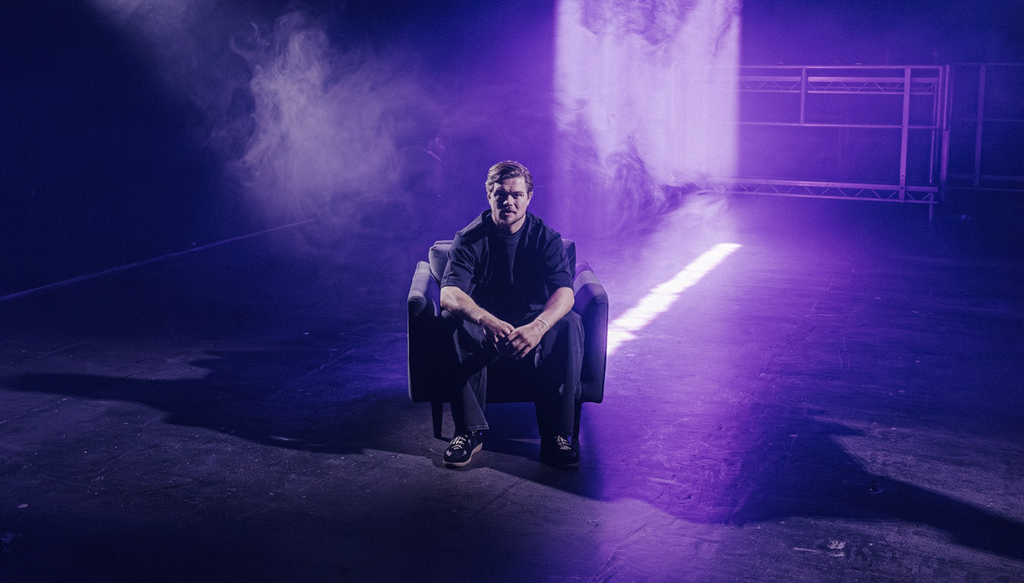
Closing Thoughts
The interesting part of Hall’s argument is that he is not treating the venue crisis like a booking problem.
Better lineups help, smarter calendars help, and anyone who has worked around nightlife knows the right night can change a room’s reputation fast, but a venue still has to survive the nights when there is no obvious ticket-selling event on the board. Hall’s answer is to make the building work harder without making the music feel secondary.
That puts UNLOCKED in a different lane from a traditional club, because the business is not built around one kind of night repeating until the economics stop working. Shoreditch proved the model in a smaller London footprint, while Wynwood gives the same idea a much larger American test. The question now is whether a venue can serve electronic music culture, brand activations, art, exhibitions, and large-scale cultural builds without blurring into something too broad to mean anything.
Hall seems aware of the risk, which is why his answer about partnerships is the center of the piece. Brand presence can add production value, create a one-night transformation, and help a venue pay for the expensive parts of staying open. Once the brand starts deciding what the room should sound like, the model stops helping the culture and starts feeding on it.
UNLOCKED Wynwood is especially interesting because Hall does not talk about Miami like a city waiting for outside culture to arrive. His point is almost the opposite. The ambition is already there, and the venue is meant to give artists, promoters, brands, and cultural builders a room large enough to avoid shrinking their ideas before the doors open.
That is a better pitch than pretending one operator can define a city’s music scene from above.
The traditional venue model is not obsolete, and Hall is not saying every room needs to become a brand-activation warehouse to survive. Smaller clubs, DIY rooms, local bars, and underground spaces still do things a 5,000-capacity venue cannot and should not try to imitate. UNLOCKED is chasing a different problem: how to make large-format cultural spaces viable when rent, production costs, licensing, staffing, and inconsistent calendars make a bookings-only model more exposed than ever.
The broader takeaway is that UNLOCKED is trying to make the modern venue less fragile. Not by replacing club culture with brand culture, and not by pretending every night should be monetized in the same way, but by giving the building more than one way to stay alive. If the model works in Wynwood, the result could be a venue where electronic music sits at the center, cultural programming expands the edges, and commercial partnerships support the room without owning it.

Will Vance is a professional music producer who has been involved in the industry for the better part of a decade and has been the managing editor at Magnetic Magazine since mid-2022. In that time period, he has published thousands of articles on music production, industry think pieces and educational articles about the music industry. Over the last decade as a professional music producer, Will Vance has also ran multiple successful and highly respected record labels in the industry, including Where The Heart Is Records as well as having launched a new label with a focus on community through Magnetic Magazine. When not running these labels or producing his own music, Vance is likely writing for other top industry sites like Waves or the Hyperbits Masterclass or working on his upcoming book on mindfulness in music production. On the rare chance he's not thinking about music production, he's probably running a game of Dungeons and Dragons with his friends which he has been the dungeon master for for many years.