Jarod John Leonard starts from a place that feels very current: two collectors meet on Discord, bond over high-end menswear, then turn that shared obsession into a brand. That origin matters because it says something about where taste is formed now. A lot of fashion no longer begins in a store, backstage room, or showroom. It starts in private chats, archived runway images, resale tabs, reference folders, and long conversations between people who study clothes with the same intensity producers bring to records.
Jarod John Leonard and Clark Reeve, two digitally native menswear collectors with a shared interest in Hedi Slimane, Takahiro Miyashita, and Christophe Decarnin, founded the brand. Those names point toward a very specific fashion language: narrow silhouettes, music-adjacent tailoring, worn-in glamour, western detail, and clothing that looks better under low light than under office fluorescents.
That is the angle that makes Jarod John Leonard fit for us here at Magnetic. DJs and artists think in references all day: drums from one era, bass movement from another, a vocal treatment from an old record, a synth tone from a live set. Clothes work the same way when they are handled with real taste. A shirt, boot, belt, or pair of sunglasses can carry the same kind of coded reference as a sample.
The Drop Lives Between Tailoring and the After-Hours Room
The brand describes its mood as Savile Row meets rock and roll, and that phrase works because the clothes seem to sit between polish and disorder. The shirts have the ease of something meant to be worn open at the collar. The trousers and denim create long, narrow lines. The western boots add a little danger without turning the outfit into a costume.
The sunglasses and scarf pieces bring the whole thing closer to the late-night side of the wardrobe.

That combination is where the creative nightlife angle gets stronger.
These pieces aren’t aimed only at the club, which is why they work there. A good nightlife wardrobe has to handle movement across the whole evening: leaving the studio, meeting friends, getting dinner, stepping into a venue, ending up somewhere less planned after midnight. Jarod John Leonard’s styling feels built for that full sequence.
I covered a similar idea in my article on Foreign Rider clothing and its place in nightlife, travel, and creative culture, where I argued that late-night clothing often starts before the event itself. Jarod John Leonard reaches that same conclusion from a different direction. Foreign Rider leans durable and restrained. Jarod John Leonard leans sensual, tailored, and a little more dangerous.

Producer Culture Understands Reference-Heavy Clothing
This kind of fashion resonates with producers and DJs for a reason. Music people understand reference. They spend years learning how to absorb older ideas without becoming imitation. That is also the challenge for a menswear brand built by collectors.
Referencing Hedi Slimane, Takahiro Miyashita, and Christophe Decarnin is not difficult.
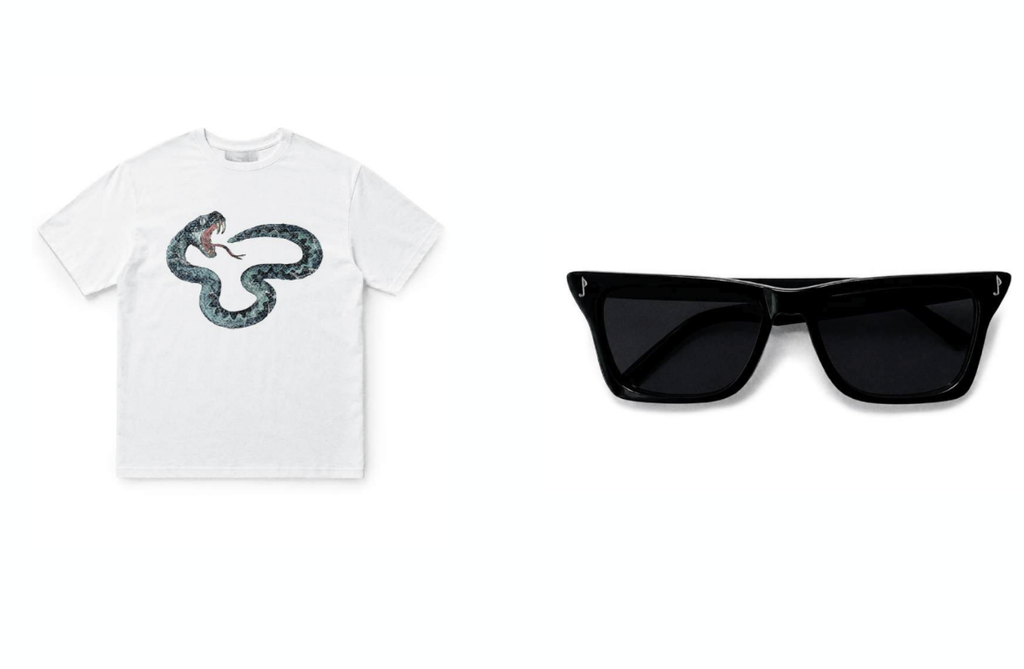
Plenty of brands borrow from that lane. The harder part is making those references feel active now. Jarod John Leonard’s September drop seems aware of that problem. The pieces have familiar codes, but the styling pulls them toward current creative life: the home studio, the rooftop party, the small gallery room, the DJ booth, the hotel hallway, the late cab ride.
That is also why the brand’s Discord origin feels so relevant. Digital collecting culture can produce real-world taste when it is filtered carefully. A mood board is easy. A wearable point of view is harder. Jarod John Leonard’s early proposition is that collector-level knowledge can become clothing for people who move through music, fashion, and nightlife without treating those spaces as separate identities.
That same cultural overlap came up in my piece on SAINTSABIO and the link between streetwear, nightlife, and punk energy. The aesthetics are different, but the underlying question is close: how does clothing reflect a scene without flattening it into obvious costume language?

The Best Pieces Are the Ones With Stage-Level Detail
The strongest pieces in the drop are the ones that would read differently from across a room than they do up close. The red patterned shirt has immediate visual charge, but the styling keeps it from feeling loud for its own sake. The cream trousers with the music-note detail feel almost too literal on paper, but visually they land as a small wink rather than a novelty graphic. The black embroidered cardigan, spotted shirt, scarf, and western boots all work in that same register.
Those details matter in music-adjacent style because they translate under imperfect conditions.
Clubs, small venues, green rooms, and after-hours spaces rarely give clothing perfect lighting. A piece has to carry shape first, then reveal detail later. That is exactly why boots, belts, sunglasses, printed shirts, and fitted trousers have stayed tied to music culture for so long. They hold a silhouette from far away, then reward a closer look.
For artists and producers, that can be part of the job now. Visual identity does not end at cover art or press photos. It lives in the way someone shows up at a set, in a studio clip, in a release-week dinner, or in the background of a short-form video. Jarod John Leonard’s clothes seem built for that constant in-between visibility.
Jarod John Leonard Makes the Case for Intentional Nightlife Dressing
The reason Jarod John Leonard feels worth watching is not that it has found a new category. Menswear has been tied to music, tailoring, rock references, and nightlife for decades. The better case is that the brand understands how those references circulate now.
A producer in 2026 may discover clothes the same way they discover records: through online communities, shared taste, private recommendations, and endless comparison. That makes Discord a believable starting point for a brand like this. It also ties the clothes to how creative culture actually moves.
I wrote about related wardrobe logic in my article on choosing outfit pieces for festival and club-culture style, where the key idea was that clothing has to communicate taste while still working in real rooms. Jarod John Leonard’s September drop sits squarely in that lane. It is not practical in the outdoor-gear sense. It is practical in the cultural sense: pieces with enough polish for dinner, enough edge for nightlife, and enough reference depth for people who care about why the shirt, boot, or belt looks the way it does.
That is where the brand’s “untamed luxury” idea starts to click. Jarod John Leonard is not chasing quiet luxury or loud streetwear. It is built on collector taste, rock-and-roll tailoring, and the kind of after-dark confidence that creative people tend to recognize quickly.
For producers, DJs, photographers, stylists, and nightlife regulars, that may be the real draw. These are clothes for people who understand that a good look works like a good track: reference-rich, physical, edited, and a little dangerous.

Magnetic byline note: This byline is used for staff produced updates and short announcements, often based on press materials and official release information. Editorial responsibility: David Ireland (Editor in Chief) and Will Vance (Managing Editor). About: https://magneticmag.com/about/ Masthead: https://magneticmag.com/masthead/ Contact: https://magneticmag.com/contact/




![[REVIEW] THE LAPTOP SLING FROM GRAMS28](https://magneticmag.com/wp-content/uploads/2024/05/grams28-laptop-sling-scaled.jpg)