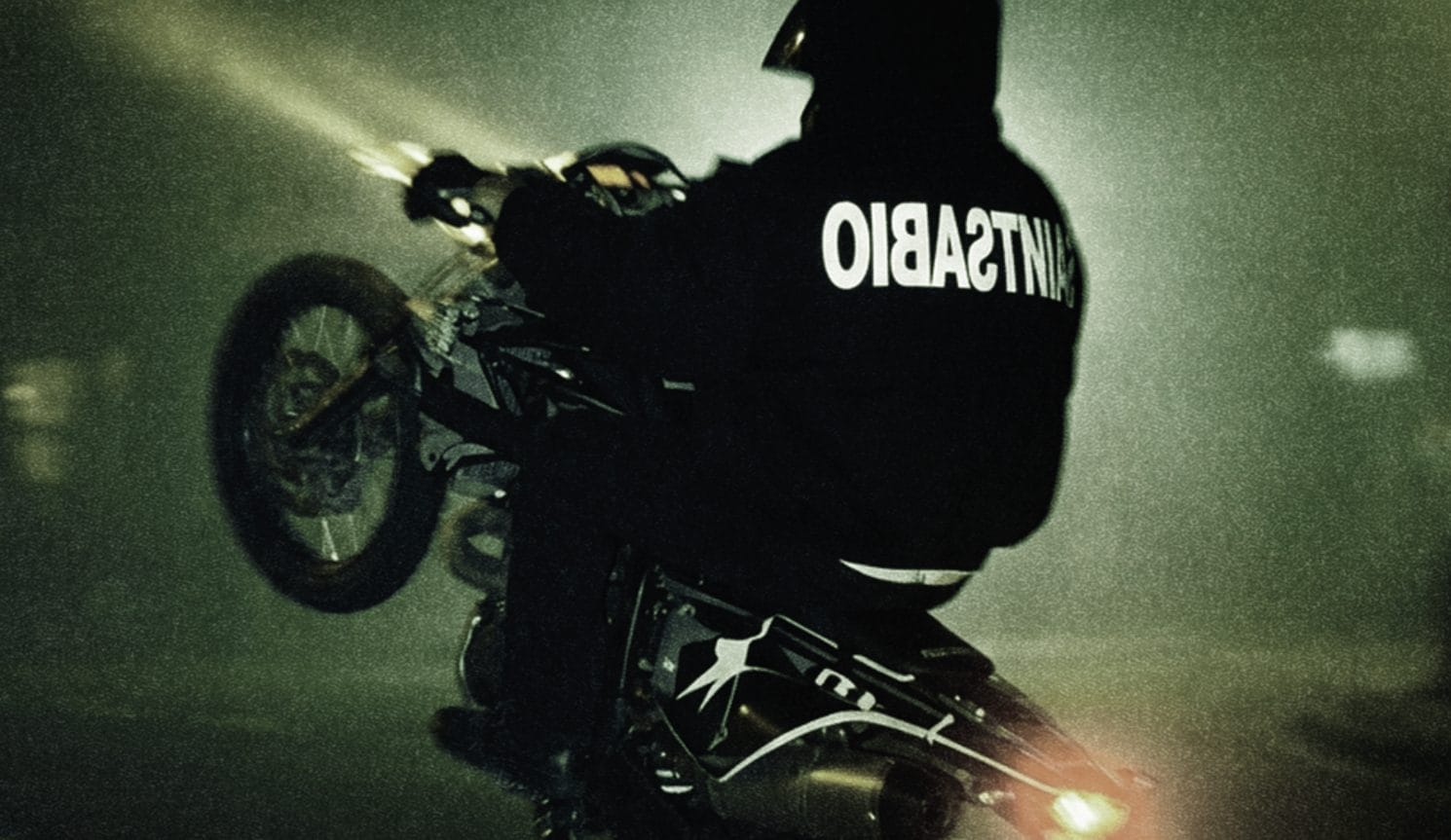
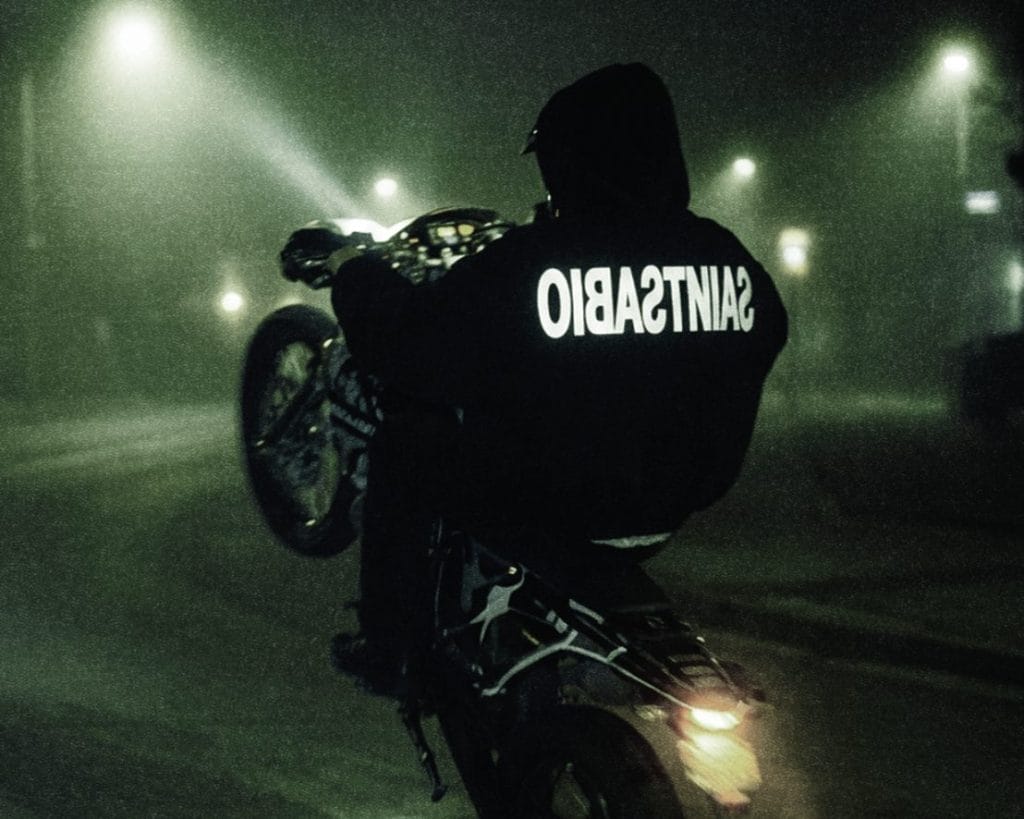
SAINTSABIO sits at the intersection of luxury fashion, underground nightlife, punk, rave culture, DJ culture, and the kind of youth energy that rarely comes from mood boards alone.
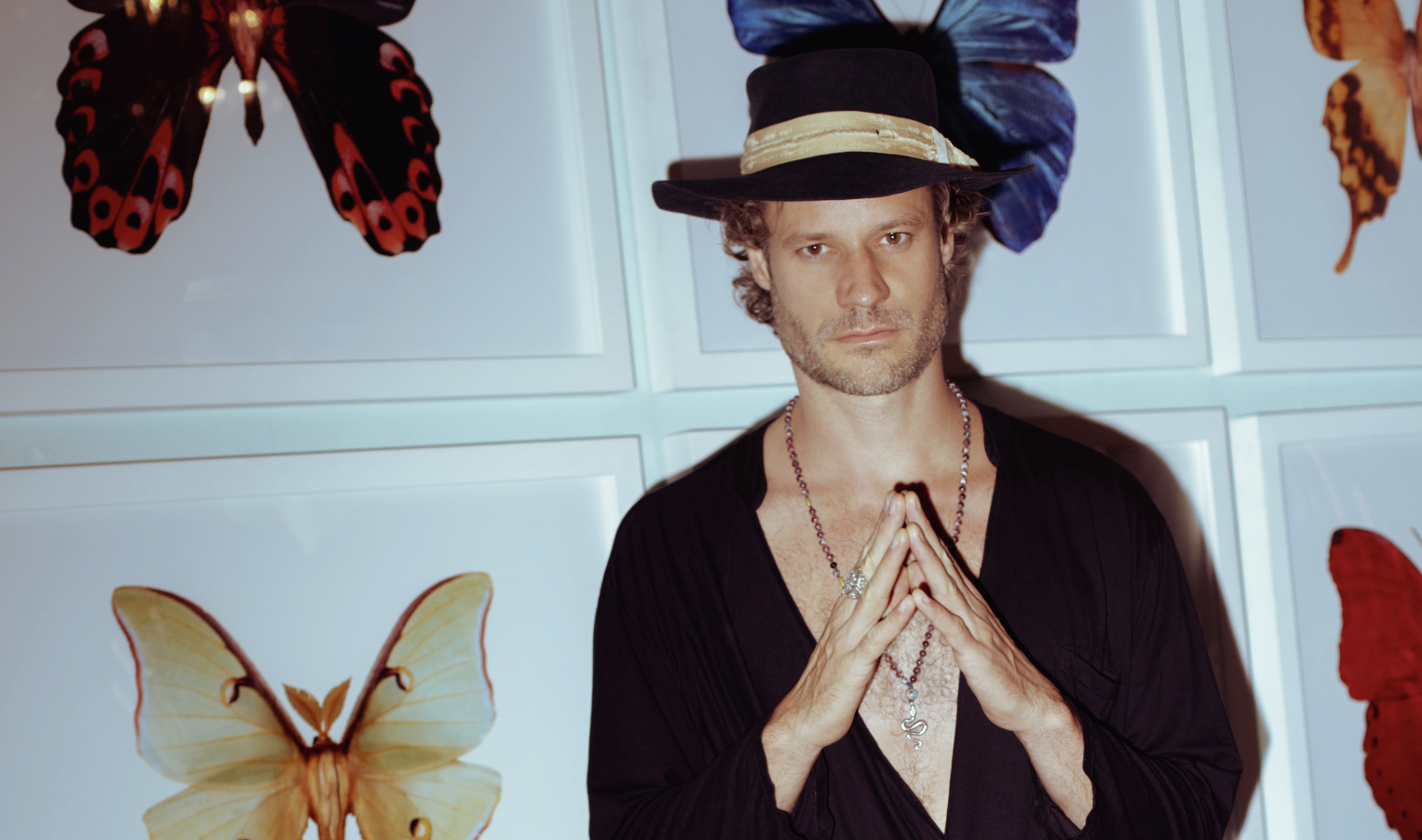
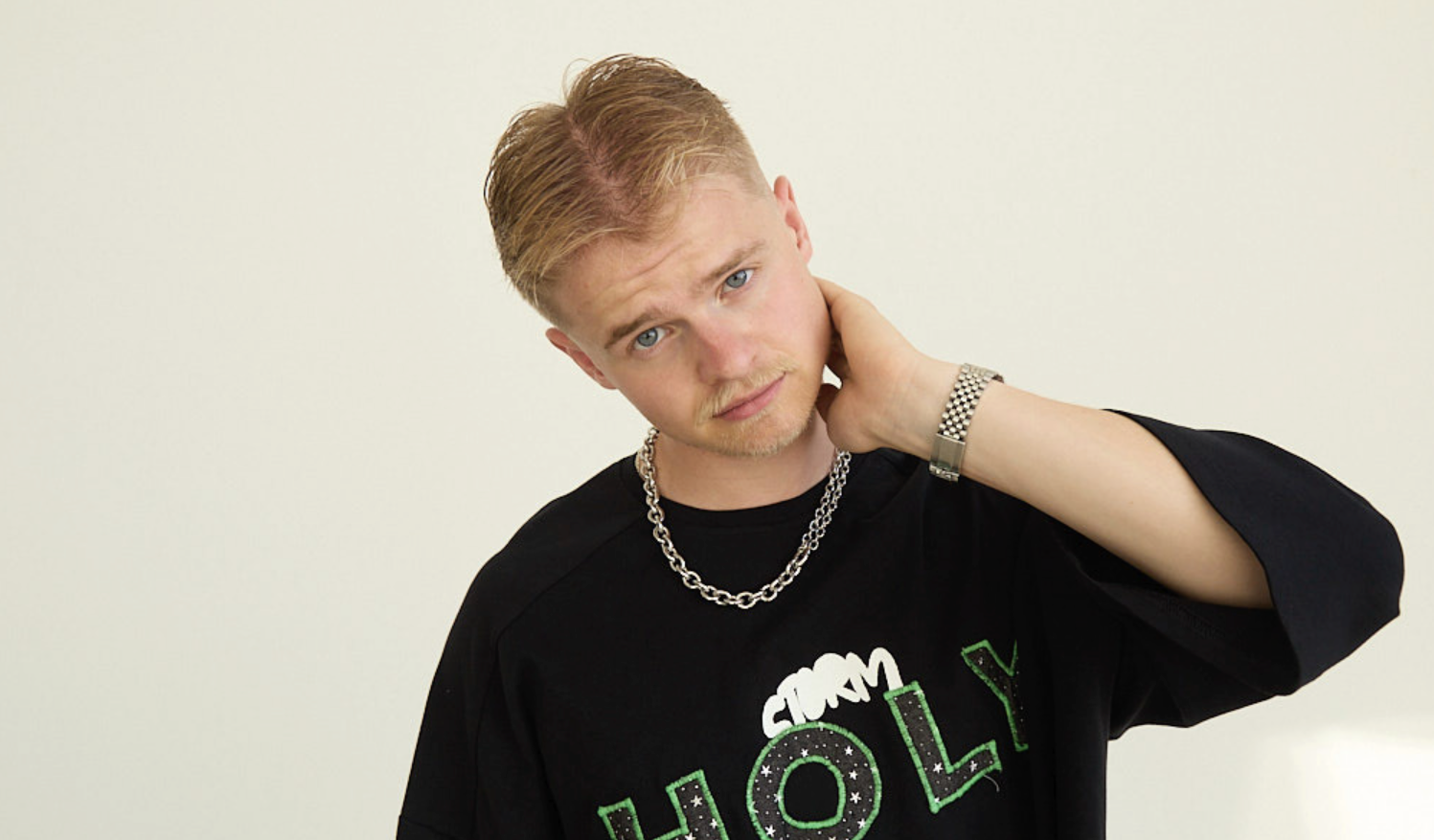
Sabio Mendez frames the brand through lived experience: playing in hardcore and post-hardcore bands, hanging out at labels and parties, filming skate videos with camcorders, and coming of age amid indie sleaze, dance-punk, bloghouse, and the rougher edges of early-2010s nightlife. That background gives the clothes and objects a specific point of view, especially when the references shift between Rodeo Drive polish and mosh-pit disorder.
That perspective also explains why SAINTSABIO feels less like a clothing line chasing rave aesthetics and closer to a full cultural system.
Pieces like the Cyber USB Exoskeleton clearly carry that logic, since the object was designed around how DJs, friends, and people within the brand’s circle actually move through nightlife. Club Santo extends the same idea, turning SAINTSABIO into a wider ecosystem around music, fashion, utility, and the emotional charge of nights that feel messy, physical, and real.
In the conversation below, Mendez talks about the brand’s roots in nightlife, the difference between referencing a culture and living through it, and why artists like Vanda and Tanfa feel connected to the same spirit. He also gets into functionality, scene-building, fashion week, and the desire to make luxury spaces feel less guarded.
Interview With SAINTSABIO
When did nightlife stop being background inspiration and start becoming part of the brand’s actual identity?
Funny enough, it was almost the opposite. Although we only soft-launched this year, the whole idea of SAINTSABIO started when I was 19. I was partying, working at labels, making music, and barely being home. So when I finally left that lifestyle, the music industry, and the label to start SAINTSABIO, I immediately thought to reference those days as well as my teen years.
I was always in nightlife, probably too young. I was never a promoter saying, “bring your friends, we got a booth.” I never worked for clubs. I was never in that scene. I am a big Raf fan, and his references were always cool and obscure. Same with Henri at ERD. So we thought, if we can find a way to reference and show our experience partying, fighting, running around cities, tagging, and listening to Rage or Crystal Castles in the 2010s almost like it was a film, then portray that through clothing somehow, perfect.
That scene does not exist in nightlife in the same way anymore. There are new kids doing some of that in trap, which is awesome, and that definitely influenced it as well. That is how it came full circle: mixing my era with the new trap kids who are redefining the word “rage,” like Vanda and Tanfa.
A lot of fashion brands borrow from rave imagery on the surface. What did you want to pull from that culture at a deeper level?
I think what separates us from others is that we are drawing from our own era. I do not know if the new version is even rave at the end of the day. We were teens going out, being spontaneous, and partying. Dance-punk music and dance music like the early Justice albums or The Bloody Beetroots. Back when indie sleaze was simply indie.
I do not want to be a dude in my late twenties going to the new raves dressing in board shorts and going shirtless, or be around women in little pink bikini bunny ear whatever. I would rather draw from the experience I had and my era, then hope people connect with it.
Our definition of rage and rave is quite different from what it is now, and maybe that is a good thing. There are a lot of roots in the scene now from those days, so instead of pulling from the current time and trying to fit in, maybe we can offer a new, old perspective.
When you think about the overlap between DJs, ravers, and streetwear fans, what do you think they are all looking for in the clothes they wear at night?
Immediately I am thinking something cool, breathable, and practical. When I go out now, especially in my late twenties, I want to be comfortable. I sweat often for no reason. It does not have to be too extra or doing too much. Less is more, we used to say that in jazz a lot.
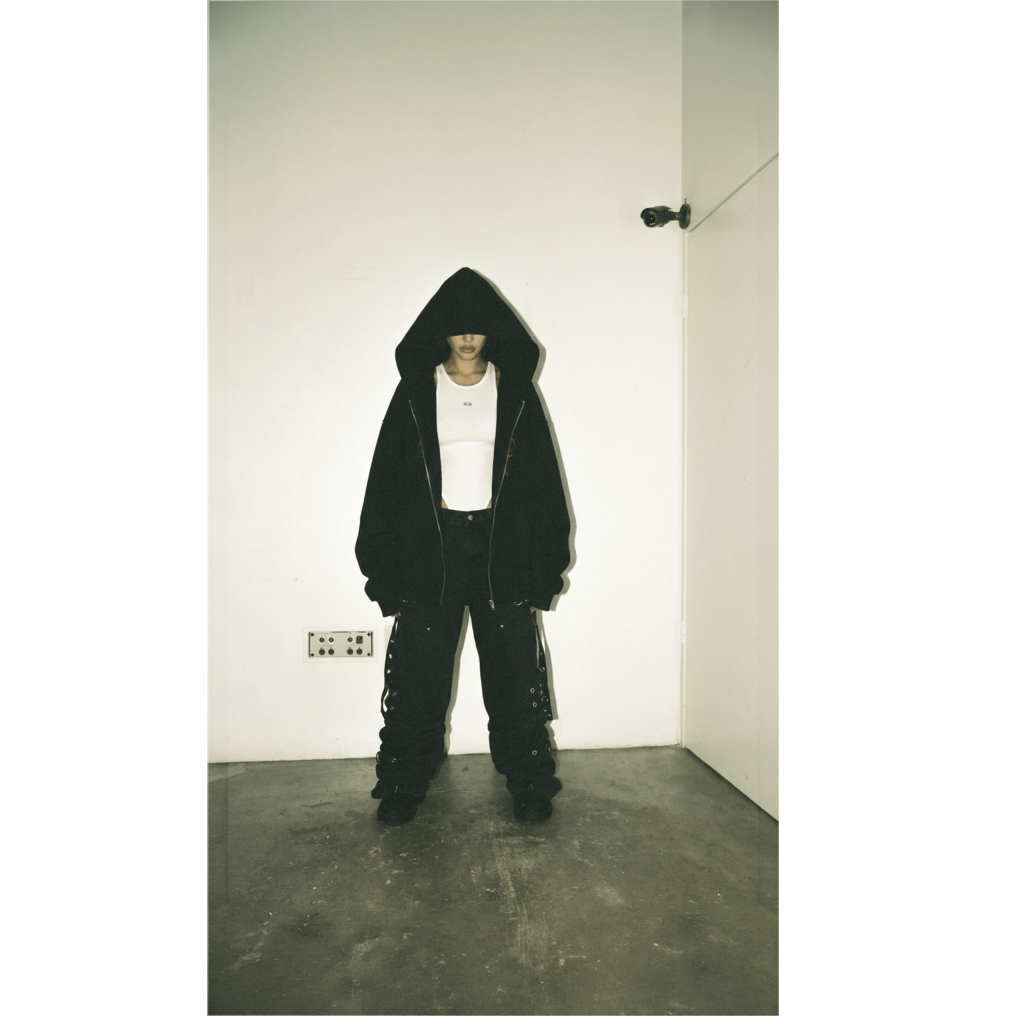
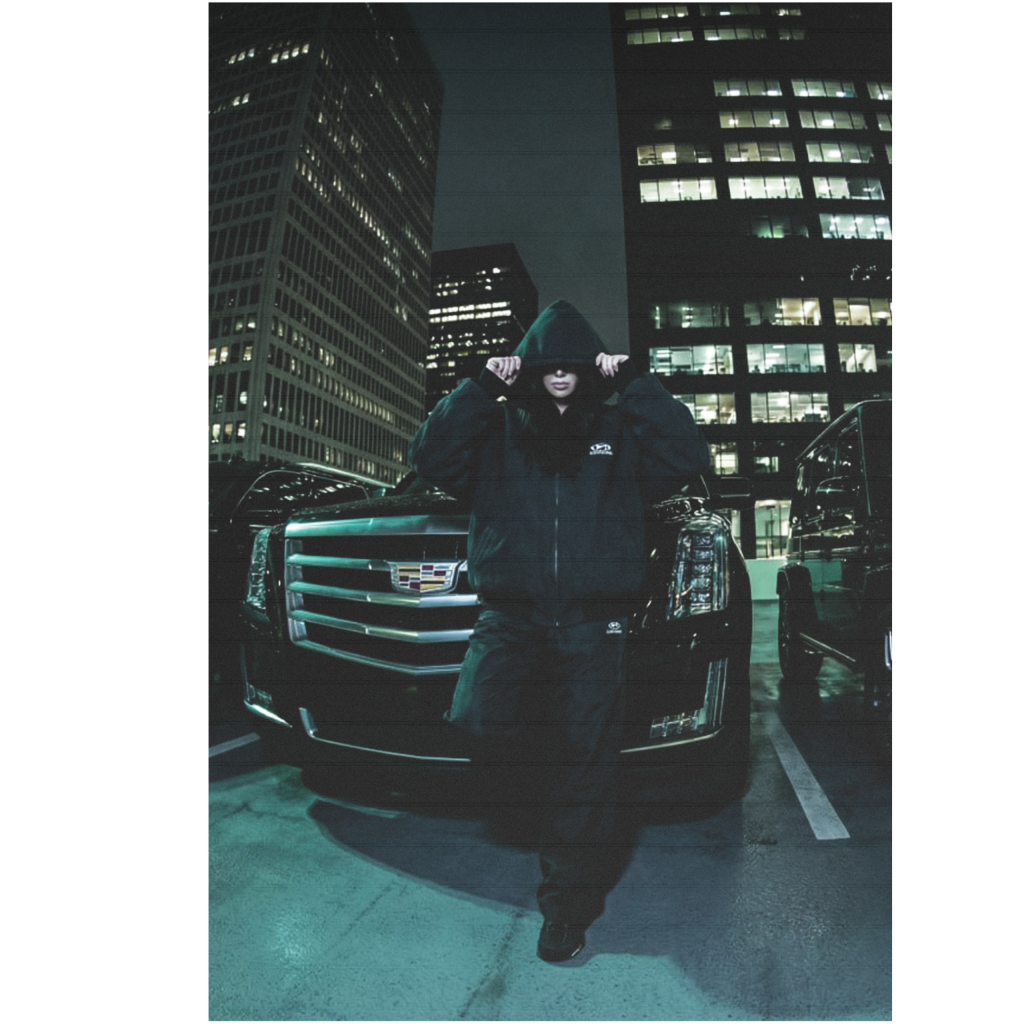
For our garments, when it comes to the look, I think about one of our Club Santo parties. What would I love to look out into the crowd and see everybody wearing? What is the perfect wide shot of this scene? If I was not there, and I came across a video or picture of it, what feeling would I get from it? What genre are they playing? What are people drinking? What is the atmosphere?
I think with anything, music, movies, fashion, whatever, you want to think less about the target audience and more about doing you, then the target finds you, hopefully. You still have to think about the person wearing or watching your stuff. What does the kid who wears this first collection listen to? What is his favorite movie? Where does he go out? Who does he hang with? We have all of that in mind across the whole SAINTSABIO ecosystem.
There is a long history of nightlife shaping style before the larger market catches up. Where do you think we are in that cycle right now?
I think we are in a really interesting era. Music is getting interesting. Kids like Snow Strippers or Nettspend are bringing back certain sounds from my teen years. Vanda and Tanfa are making dance music that makes you want to mosh and rage, with almost a punk attitude to it. Even people like Turnstile are bringing hardcore music back toward the mainstream.
Kids are looking for something different. There is a kind of rebellion coming through again. They do not want to do what they are told, or take the easy route, or fit in. They do not want to fight in wars they do not believe in or dress like everybody else. The kids are alright.
The Cyber USB Exoskeleton feels like a literal bridge between fashion and DJ culture. What sparked the idea to turn a core DJ tool into something wearable?
I think it goes back to making things that are practical and multifunctional. With our friend group, affiliates, and the influences in the collection, we wanted something practical, something that would look cool, represent the aesthetic of the brand, and serve a real function. A true one-of-one artifact.
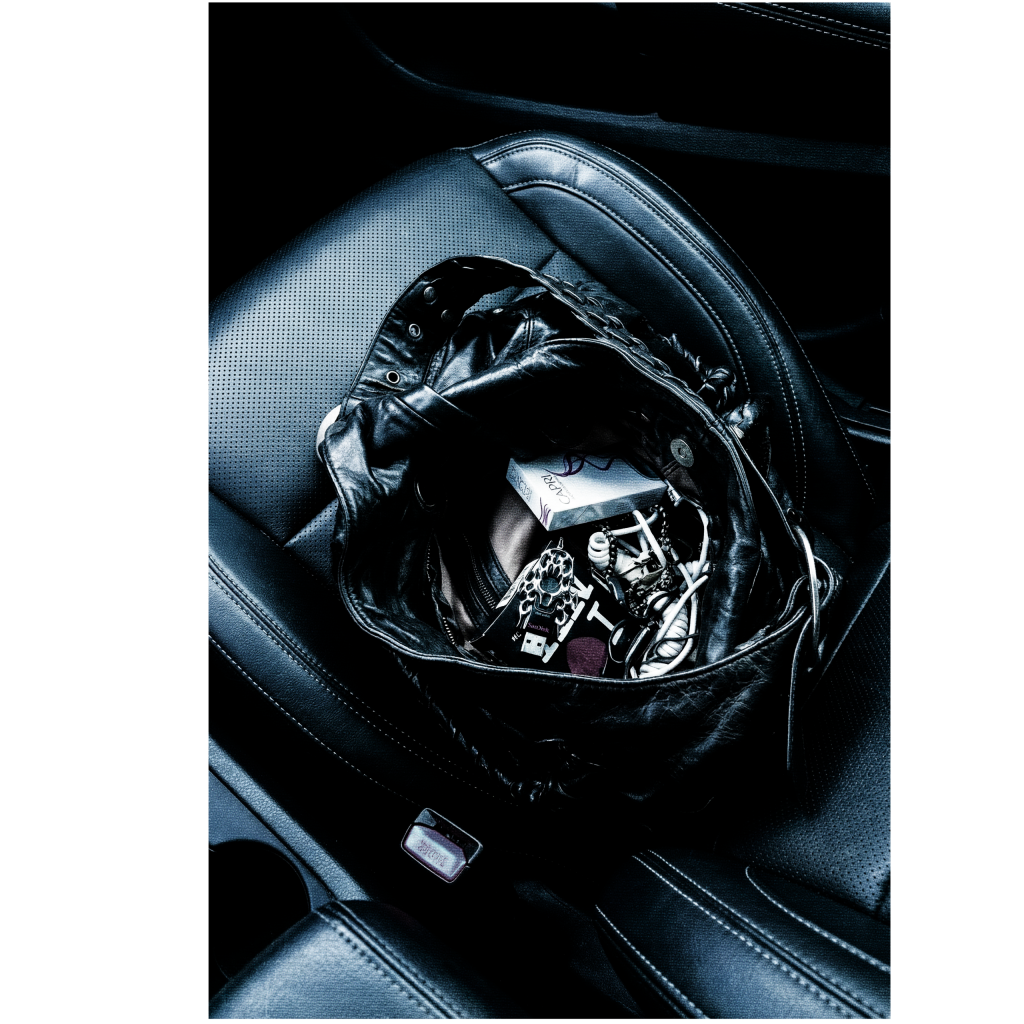
It is stainless steel, so it is durable. No little brass or silver piece that will tarnish. When I used to DJ, my USB went through hell. The pendant was also a way to make sure it never gets lost and stays noticeable. People are stupid and wild at clubs, and I have noticed that with the pendant and all that, weirdly, people are more careful and intentional around it. It is kind of funny.
When we do something like our next piece, the motorcycle boot shot glass and lighter holder, we think, what is something multifunctional like that? When you buy it, you are really getting value from it. We approach everything with that attitude. Maybe it is my insecurity as a designer, and I am still trying to earn people’s affection, who knows. So we thought, okay, we have a lighter holder and shot glass, we have a few cigarette holders, what else do our friends and circle like or do? Oh, DJ. What can we make for them?
Then the USB Exoskeleton came out of that.
Five years from now, what would you want people to say SAINTSABIO got right about the relationship between streetwear, nightlife, and DJ culture before everybody else caught up?
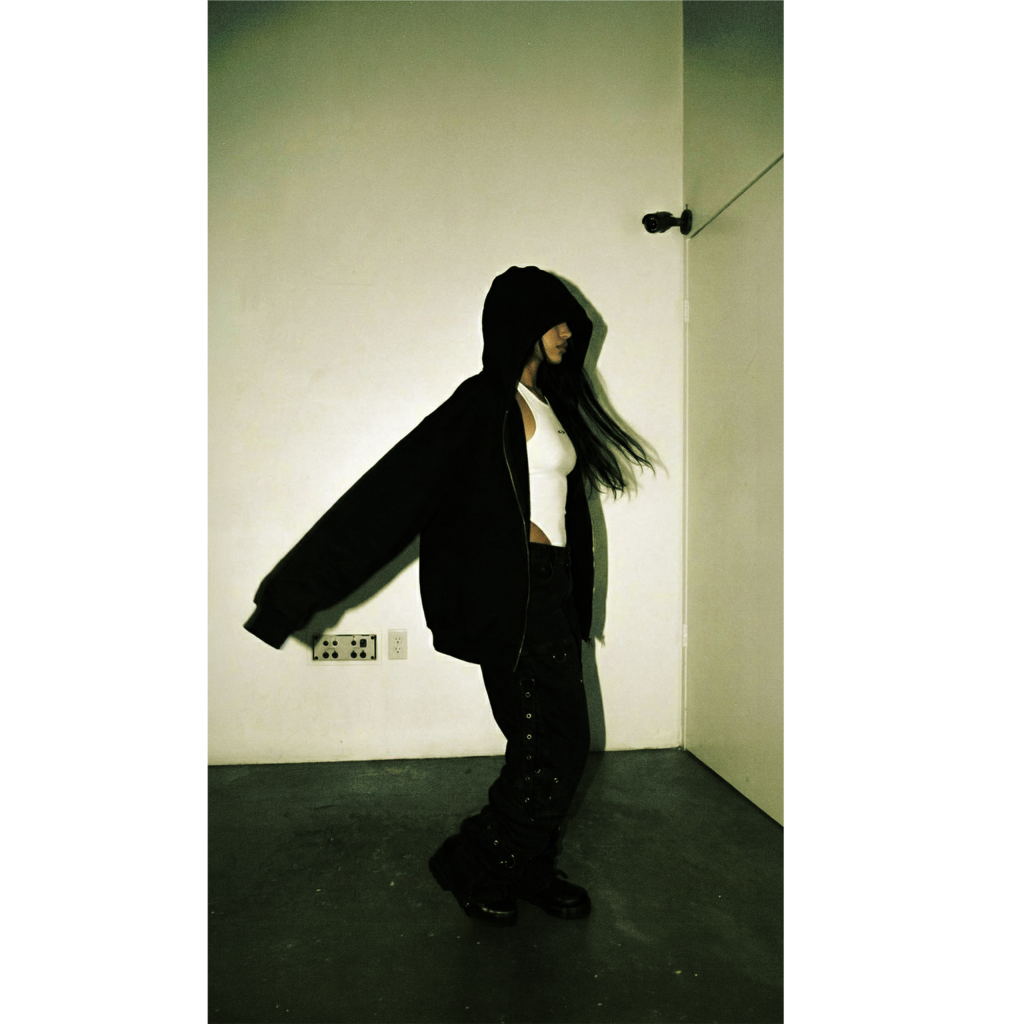
I hope they say we got some things right, or at least brought a new perspective while representing the culture correctly. We are not in the modern dance music scene too much. We are still in the underground and plan on staying that way. The idea is bringing that aesthetic into the Paris and New York fashion scene, throwing a Club Santo party during fashion week, and blending those spaces.
It is fashion week, it is high fashion and luxury, and you do not feel intimidated in the room. You do not feel like, “man, I am underdressed for this,” or “I do not really belong here.” If anything, the high-fashion people, whoever that really is, are coming into our environment.
The goal with anything is to make the thing feel more attainable and relatable. I think we have lost that a lot in music, politics, film, and fashion. The art of saying, “this is what I like, let me show you why you might like it too,” has real value. I was not super into this new era of dance music because I did not know kids like Vanda and Tanfa existed. I did not know that wave of trap music existed, the one that brought me back to playing punk shows as a teenager. Hopefully, I can help bring more of my peers and my community into that.

Will Vance is a professional music producer who has been involved in the industry for the better part of a decade and has been the managing editor at Magnetic Magazine since mid-2022. In that time period, he has published thousands of articles on music production, industry think pieces and educational articles about the music industry. Over the last decade as a professional music producer, Will Vance has also ran multiple successful and highly respected record labels in the industry, including Where The Heart Is Records as well as having launched a new label with a focus on community through Magnetic Magazine. When not running these labels or producing his own music, Vance is likely writing for other top industry sites like Waves or the Hyperbits Masterclass or working on his upcoming book on mindfulness in music production. On the rare chance he's not thinking about music production, he's probably running a game of Dungeons and Dragons with his friends which he has been the dungeon master for for many years.