Rave culture and the individual scenes that comprise it have always been about intense self-expression, and significant cultural shifts in taste, aesthetics, and mindsets have come out of the experiences shared by those dancing in abandoned warehouses and megaclubs alike.
And while those who are disconnected from the ebbings and flowings of club life might think that a now-popular hairstyle or a particular trend of clothing might be a passing wave in youth culture, those who are on the beat of these trends (pun intended) know full well why it’s a thing and who the messiah of the moment was that delivered them to the avante-garde promised land in which club culture perpetually resides.
DJs have a unique platform to champion new looks and sounds, the former of which we will be breaking down and highlighting in this article. And while it’s hard to say if one single DJ or artist is ever truly responsible for an entire wave of fashion – except the Skrillex haircut, that’s all on him – we can view the aesthetics and vibe of specific DJs through the decades as cultural bookmarks knowing that, whatever they were rocking at the time, the rest of the world would not have been far behind.
The Rise of Rave Culture – Frankie Bones – 1990
Frankie Bones, a DJ and producer from Brooklyn, is widely regarded as one of the pivotal figures in the American rave scene. In 1990, Frankie played a seminal role in popularizing rave culture in the United States after his experiences in the UK.
Rave culture began to take hold in the United States during the early 1990s, primarily influenced by the European scene. Frankie Bones was one of the American DJs who experienced the European rave scene firsthand and was inspired to bring that energy back to the United States. The Storm Raves, which Frankie was instrumental in organizing, became the template for what a rave should be, and with this new culture came a unique fashion.
Rave fashion was characterized by loose-fitting clothing, and bright colors and often included elements such as pacifiers, glow sticks, and bucket hats. It was seen as an anti-fashion statement, rebelling against the more polished looks of the 1980s. Many trends popularized during the rise of the rave scene continue to influence fashion today, with designers often drawing inspiration from the unorthodox styles of early ravers.
Masked DJs – Daft Punk – 2001
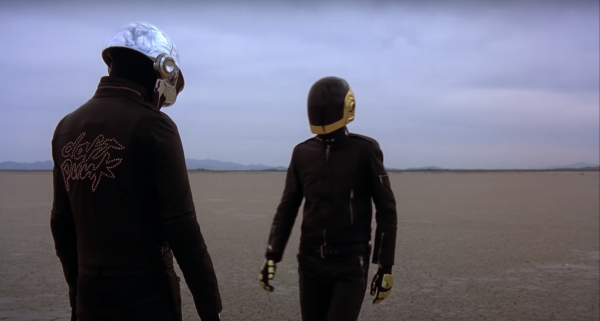
Daft Punk, the legendary French electronic duo, underwent a significant transformation in their image with the release of their second album, “Discovery” in 2001. They adopted their now-iconic robot personas and introduced a style that influenced music and fashion (especially the tone and branding of other electronic music artists).
Compared to their earlier work, a more polished, futuristic sound characterized Daft Punk’s “Discovery” era. A complete transformation of their image accompanied this shift in musical style. They began appearing as robots, wearing helmets and gloves that would become their trademark. The idea was to fuse the characters with their music, and it became an iconic representation of electronic music in the 21st century.
The robotic look of Daft Punk became so iconic that it influenced fashion. Fans emulated their aesthetic, and even made their way into high fashion. The helmets, in particular, symbolized anonymity and innovation, which appealed to the electronic music and fashion communities. The duo’s aesthetic influenced a wave of futuristic looks and designs in the fashion industry and is a model adopted by many of the biggest names today, such as Deadmau5, Marshmello, and more.
The Electroclash Movement – Larry Tee – 2001
Larry Tee, a DJ and music producer, is credited with coining the term “electroclash” and helping to popularize the genre in the early 2000s. This movement was an eclectic blend of various styles and had a distinct impact on fashion, leaving in its wake trends of bright, colorful clothing that was eye-catching at raves as much as it was on the streets.
In the early 2000s, the electroclash movement emerged as a fusion of new wave, punk, and electronic music. Larry Tee was instrumental in shaping this movement through his music and events like the Electroclash Festival in 2001. Electroclash was known for its rebellious spirit, embracing a DIY aesthetic and often featuring gender-bending elements, all of which are fashion aesthetics that today’s culture echos heavily.
Fashion inspired by the electroclash movement was marked by bold colors, geometric patterns, and a retro-futuristic feel reminiscent of the 1980s. It was also characterized by androgynous looks, with both male and female artists often sporting makeup and gender-ambiguous clothing. This movement has had a lasting impact on fashion, with contemporary designers often referencing electroclash’s eclectic and boundary-pushing style in their collections.
Fashion truly is cyclical, isn’t it?
The Dubstep Revolution – Skrillex – 2010
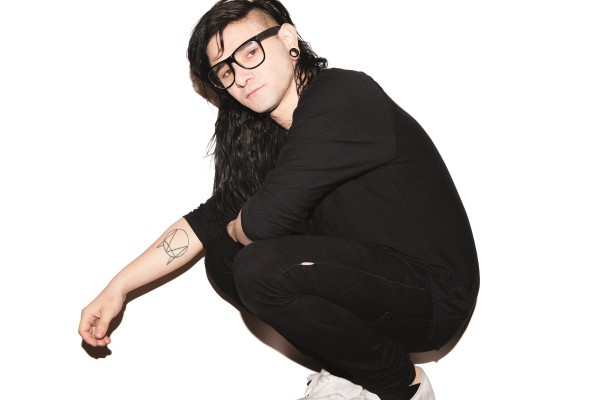
In 2010, American DJ and producer Skrillex became a global sensation, popularizing the dubstep genre. His iconic long hair and black glasses became synonymous with the new wave of electronic music.
Skrillex’s long hair was shaved on one side, and thick-framed black glasses became iconic. His look was soon adopted by many fans of the genre and even found its way into mainstream fashion. The Skrillex haircut, in particular, became a popular trend in the early 2010s and has since been sported by several celebrities. His style contributed to a wider acceptance of alternative fashion within the mainstream, both by lovers of the “Brostep” movement and by hipsters working in retail at the local mall.
This was bound to happen, as much of Skrillex’s rise to stardom came from the fact that he was the perfect bridge between many different worlds and scenes. He was a great DJ who could connect with the more party-centric audiences while having a soft spot in the hearts of many screamo and emo fanbases. When his Skrillex sound took the world by storm, his target demographic of would-be idolizers and “fashion-followers” were astronomically higher than anyone else making similar stuff then.
The Antagonistic Look – The Prodigy – 1996
The Prodigy, an English electronic music band, pushed the boundaries of the genre and its image with their 1996 album “Fat of the Land.” The band’s frontman, Keith Flint, especially embodied a unique style that impacted fashion trends.
Keith Flint was well-known for his high-energy performance and distinctive appearance. His vibrant hair, heavy-duty boots, and overall antagonistic style became synonymous with the band’s aggressive brand of electronic music. This had a significant influence on the fashion of the electronic music scene in the 90s, popularizing punk-influenced aesthetics such as piercing, tattoos, and dyed hair.
These elements became increasingly mainstream in the broader fashion world as designers incorporated more rebellious, grungy elements into their collections. Even today, the echoes of this influence can be seen in the popularity of subcultures like punk and grunge in the fashion industry.
Techno Scene in Berlin – Richie Hawtin – 2004
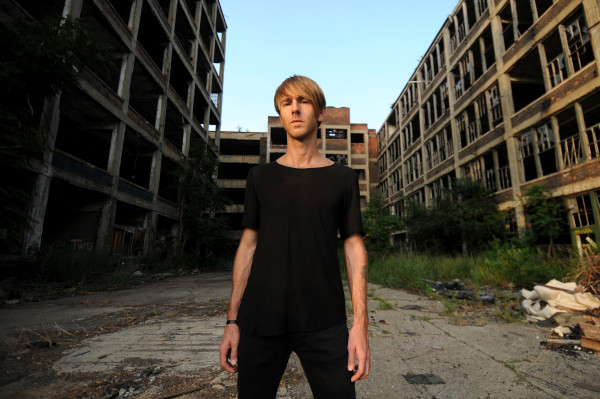
Canadian DJ and producer Richie Hawtin moved to Berlin in 2004, immersing himself in the city’s thriving techno scene. Hawtin, known for his minimalistic style in music and fashion, significantly influenced the fashion associated with techno culture. Berlin has long been known as a hub for electronic music, particularly techno. When Richie Hawtin moved to the city in 2004, he became a key figure. Known for his pioneering work in minimal techno, Hawtin’s music was characterized by its stripped-back, pared-down sound.
Hawtin’s style mirrored his music – he was often dressed in black, sporting a clean and minimalistic look. This aesthetic quickly caught on in the techno scene, with many fans adopting the all-black, minimalistic style. This look has become synonymous with the techno scene. It continues to influence fashion today, both within and outside of the electronic music scene to the point where it’s almost a paradox of itself, as many DJs, agents, and other industry personalities often crack jokes backstage that their outfits were stolen.
Even DJs aren’t as unique and mysterious as they pretend to be…
Sneaker Culture – DJ AM – 2000s
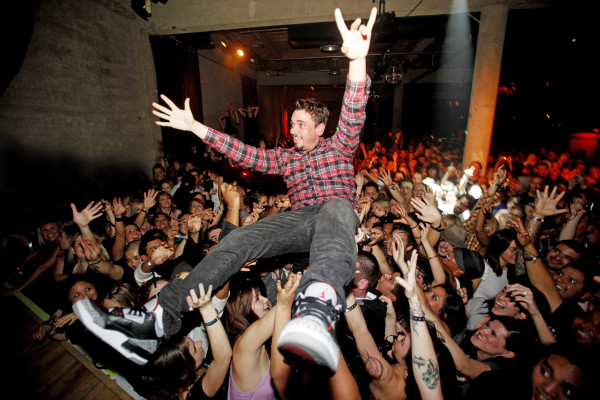
Adam Michael Goldstein, professionally known as DJ AM, was a highly regarded American DJ and music producer with a well-known love for sneakers. He played a prominent role in electronic music and sneaker culture scenes throughout the 2000s. DJ AM’s passion for sneakers was integral to his public persona, and he was recognized for his impressive sneaker collection.
He often performed in rare or customized sneakers, which helped to bridge the gap between DJ and sneaker culture. This fusion of styles contributed to a broader acceptance and appreciation of sneakers in the fashion world, transforming them from functional footwear into highly sought-after collectibles and fashion statements. Even today, sneaker culture remains a significant aspect of global fashion trends.
DJ-inspired Streetwear – A-Trak – 2007
A-Trak, a Canadian DJ, producer, and owner of Fool’s Gold Records, played a significant role in the intersection of electronic music and streetwear. In 2007, he released the limited-edition ‘Sunglasses is a Must’ streetwear line, cementing the relationship between DJ culture and street fashion.
DJ A-Trak, a critical figure in the electronic music scene, was known for his music and streetwear style. He was frequently seen in graphic tees, baseball caps, sneakers, and yes, his signature sunglasses. This integration of streetwear into his DJ persona led to the launch of his clothing line, which was instantly popular within the electronic music community and elevated the aloof factor of streetwear DJing to another level in the scene. This streetwear trend took off within the electronic music scene, influencing the fashion choices of fans and other DJs alike. It represented a shift in how DJs presented themselves, which had a wider impact on the fashion industry. Streetwear became a staple in many people’s wardrobes and has had a long-standing influence on contemporary fashion.
The Cybergoth Phase – DJ Cyberpagan – Early 2000s
DJ Cyberpagan, a prominent figure in the Cybergoth subculture of the early 2000s, combined elements of goth, raver, and rivethead fashion into a distinctively new style. This fashion trend was closely associated with the electronic music scene, especially genres like EBM and industrial.
Cybergoth fashion, characterized by its vibrant hair colors, futuristic clothing, and the use of goggles and respirators, made a significant impact on the fashion of the electronic music scene in the early 2000s. The style combined traditional goth aesthetics with a more colorful, futuristic look, often influenced by the aggressive electronic music popular within the Cybergoth community.
The fashion elements associated with the Cybergoth scene had a broader impact on the fashion industry, influencing a variety of fashion subcultures. Even today, elements of Cybergoth fashion can be seen in contemporary alternative fashion trends and the continued popularity of neon hair colors and futuristic clothing.
The Snapback Trend – Avicii – Early 2010s
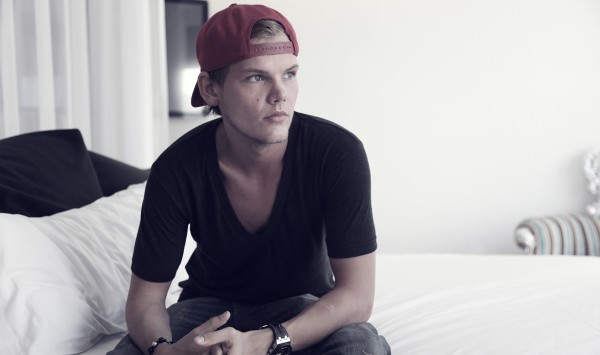
Swedish DJ and music producer Avicii was prominent in the electronic music scene in the early 2010s. He was frequently seen sporting a snapback hat, a trend that quickly caught on in the electronic music community.
Avicii, known for his melodic, uplifting tracks, significantly influenced the look of mainstream EDM culture. One of his most recognizable fashion choices was the snapback hat, which quickly became associated with the DJ and the EDM scene. The snapback trend extended beyond the electronic music scene and entered mainstream fashion. This simple accessory became a must-have item for many, and the trend continues to be popular today.
And while the look might come off as a little dated now – the cool kids wear bucket hats these days, as we learned above – it was all the rage back in the day.
Silliness and EDM Festivals – Diplo – 2010-Present
American DJ and producer Diplo has significantly influenced the electronic dance music (EDM) scene, especially with his association with music festivals. Around 2010, he helped popularize the tie-dye fashion trend common at many EDM festivals.
Music festivals have always significantly influenced fashion, particularly EDM festivals. As a regular performer at these events, Diplo often adopted the bright, colorful, and casual fashion associated with them. His often-worn tie-dye shirts became a symbol of this festival fashion. The tie-dye trend also spread as EDM festivals grew in popularity throughout the 2010s. This vibrant and expressive fashion choice became increasingly common, not just at festivals but in everyday wear. The trend has experienced a resurgence in recent years, with many fashion brands incorporating tie-dye elements into their collections.
And Diplo’s silly streak is far from over, as he recently picked up a brand deal with Crocs who continues to outfit him with lavish and flashy versions of the notoriously silly footwear so that he’s constantly seen repping the loud and overtly goofy sneakers.
The Birth of Techno and the Military Aesthetic – Underground Resistance – Late 1980s
Underground Resistance, a musical collective from Detroit, was instrumental in developing techno music in the late 1980s. They were also known for their distinctive military-style uniforms, a trend that influenced fashion within the techno scene.
Underground Resistance was known for their militant stance, using their music as a protest. This ethos extended to their fashion choices, with the members often seen in military-style uniforms. This was seen as a reflection of their combative approach to music and politics. This military aesthetic became popular within the techno scene and has continued influencing fashion. Today, elements of this style, such as combat boots and camouflage print, remain popular in streetwear and high fashion.
The Club Kids and Outrageous Outfits – Michael Alig – Late 1980s-Early 90s
Michael Alig, a prominent figure in the late 1980s and early 1990s Club Kids subculture, was known for his outrageous and creative outfits. This subculture, centered around New York’s nightlife scene, significantly influenced fashion.
The Club Kids, known for their wild parties and even more outlandish outfits, became an iconic part of New York’s nightlife in the late 80s and early 90s. Their fashion was characterized by creativity, flamboyance, and often shocking designs. This group and their distinct style were closely associated with the electronic music and club scenes of the time.
The Club Kids significantly impacted fashion, with their avant-garde, creative, and striking looks influencing streetwear and high fashion. Their legacy continues in many contemporary fashion brands’ bold and innovative designs.

Will Vance is a professional music producer who has been involved in the industry for the better part of a decade and has been the managing editor at Magnetic Magazine since mid-2022. In that time period, he has published thousands of articles on music production, industry think pieces and educational articles about the music industry. Over the last decade as a professional music producer, Will Vance has also ran multiple successful and highly respected record labels in the industry, including Where The Heart Is Records as well as having launched a new label with a focus on community through Magnetic Magazine. When not running these labels or producing his own music, Vance is likely writing for other top industry sites like Waves or the Hyperbits Masterclass or working on his upcoming book on mindfulness in music production. On the rare chance he's not thinking about music production, he's probably running a game of Dungeons and Dragons with his friends which he has been the dungeon master for for many years.