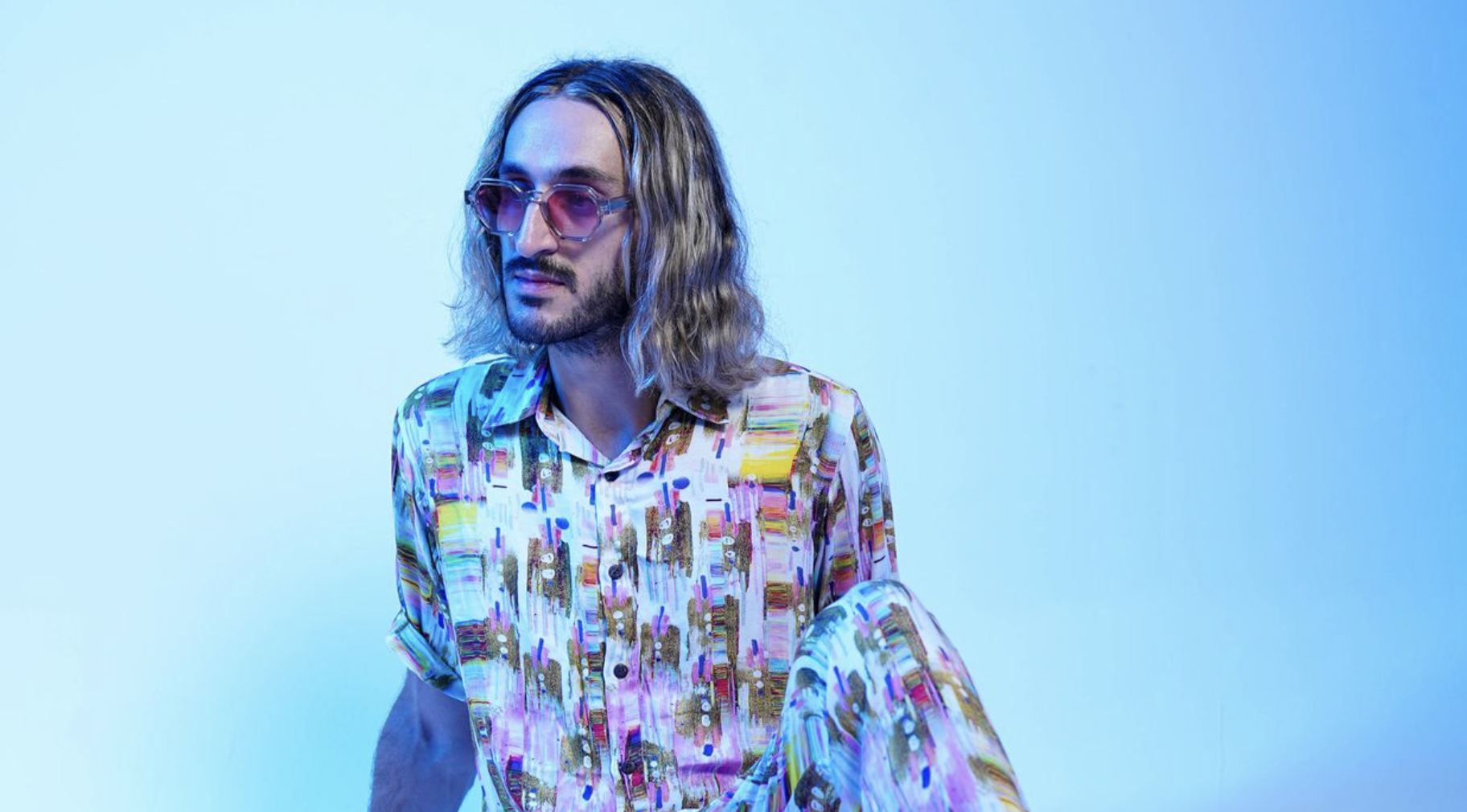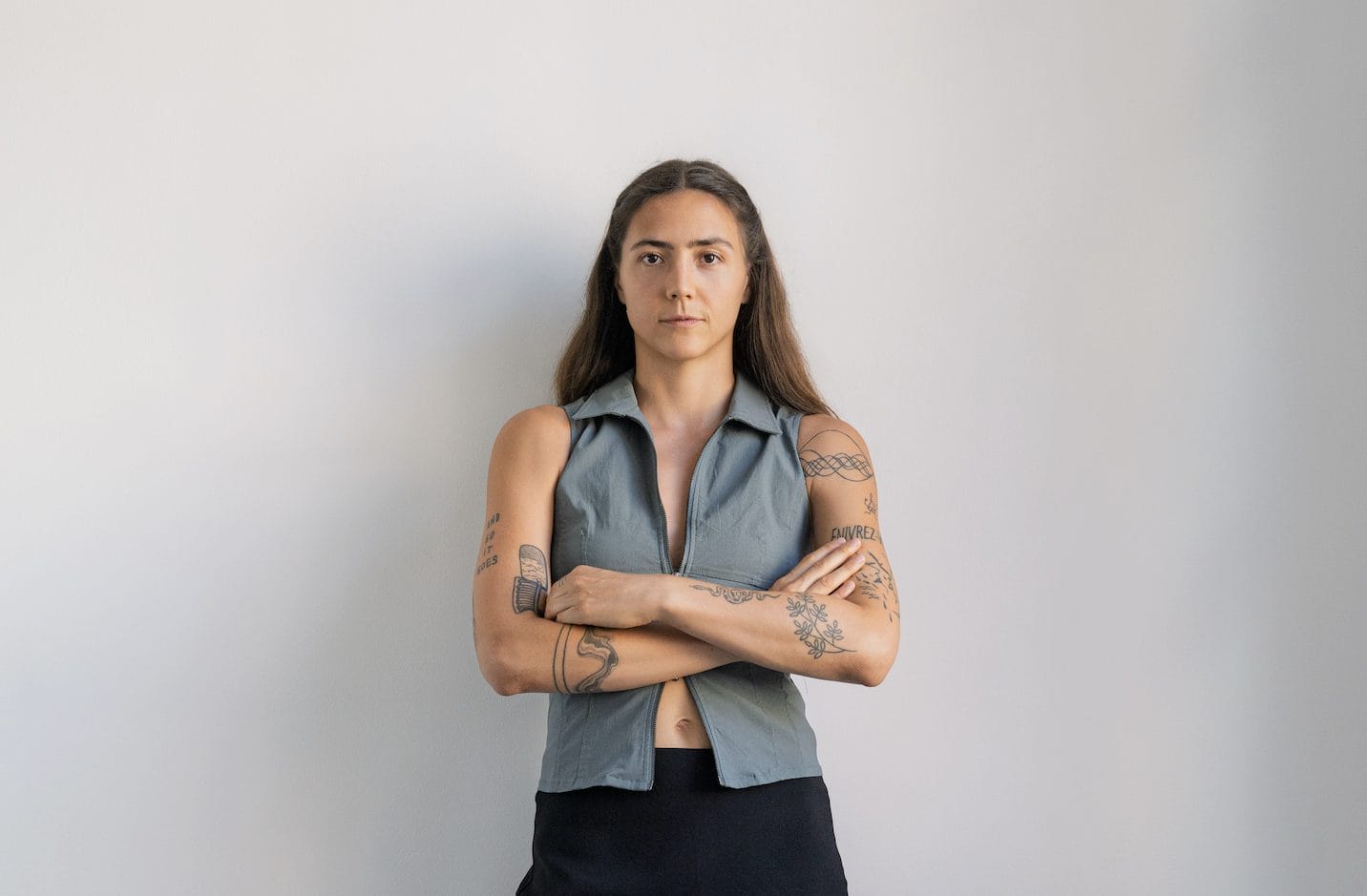
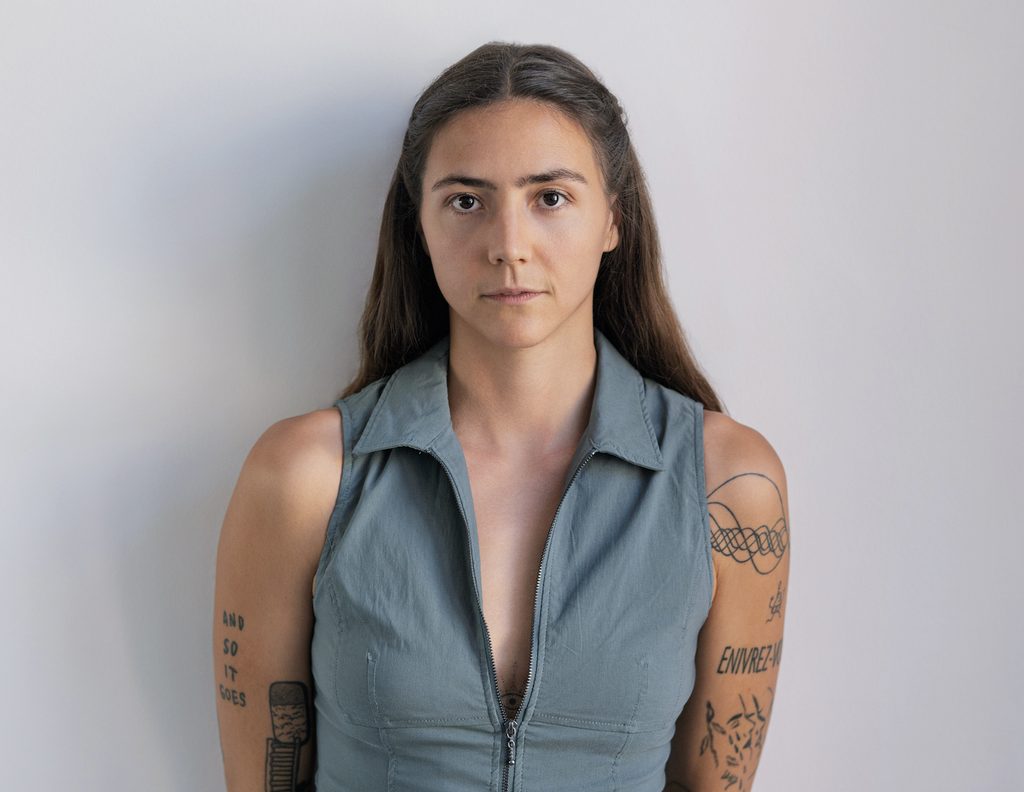
Alice Youngling (@aliceyoungling) returns to Non Merci Music with “May I Please,” out September 25.
The Swiss-born, Barcelona-based DJ and producer has been building a name through groove-heavy tech house, a residency at Tunnel, appearances alongside Eats Everything, Dennis Ferrer, and Route 94, and festival plays at Marvellous Island and Shambala. Her sound leans bold and rhythmic, but the deeper thread is a clear respect for where house music comes from.
“May I Please” carries that balance well. Rolling melodies, swinging percussion, emotive vocals, filtered chords, rising pads, charged trumpets, and upswinging synths all feed into a warm-toned groove that feels built for movement without losing its musical character. It is club-focused, but not anonymous.
There is a sense of history in the swing, soul in the vocal treatment, and enough contemporary pressure to keep it working inside a modern tech-house set.
That makes the interview below especially relevant. Youngling talks about discovering the roots of house through The Underground Is Massive, tracing the music back to disco and the Black, Latino, and queer communities that shaped it, and understanding DJs as living archives. For an artist working inside Barcelona’s current club culture, the point is not to treat history like a museum. It is to keep the feeling alive while making records that still move a room now.
Interview With Alice Youngling
When did you first start digging into the history of the genres you play?
A couple of years into DJing, I was given the book The Underground Is Massive, which traces the rise of electronic dance music in the US.
It was my first deep dive into the history of house, learning about its roots in disco and the Black, Latino, and queer communities that shaped it and the rave culture that grew around it. I religiously went through the book’s tracklist and listened to every track, and it really connected the dots for me. It made me wish I could have been there back then to experience those beginnings.
It’s amazing to see how many subgenres have grown out of that history.
How do you balance honoring the tradition and history of the music on your USBs while still pushing your own sound forward?
I’m still figuring that out, to be honest. I want to play what I love and what makes me want to dance, whether it’s old or new.
There are so many tried-and-tested tracks that have set the standard for the music being released today, and my goal as a new producer is to understand what makes them work and translate that into my own sound. They say house is a feeling, and with every track I make, I feel like I get a little bit closer to it.
That’s how I want to honor the history: by keeping that feeling alive. This next release feels like another step in that direction.

Are there moments where you’ve been involved with something that felt bigger than just music and actually felt like you were really pushing the culture of club music forward in a positive direction?
I was lucky to be part of a Barcelona collective called Cabana Libre, both as a DJ and as an event producer, for about five years. We put together events built around themes, decorations, and music. We took club music outside the clubs and into broad daylight, giving people space to dress up, play and express themselves.
It felt bigger than just a party because we built a community where I made lifelong friendships and created connections far beyond the dance floor. I’m very thankful for my time with Cabana Libre!
What role do you think DJs should play in preserving cultural memory of what’s come before?
I once read somewhere that DJs are living archives, and it stuck with me.
In a world where streaming is king, DJs collect other people’s music, whether in digital or physical formats, and share it with people from different generations, cultures, and backgrounds. DJs have the power to create connections between the past and present, bringing back memories while creating new ones. I believe this is the duty of the DJ.
Closing Thoughts From The Editor
Youngling’s answers cut against one of the easier traps in modern DJ culture: treating discovery as the same thing as knowledge.
Algorithms can put tracks in front of you, but they cannot explain why those tracks exist, where the grooves came from, who built the rooms around them, or what social histories gave the music its force in the first place. Her point about The Underground Is Massive matters because it shows the difference between finding house records and learning house music.
That connects closely with my interview with 4B on the cultural roots behind “WHAT IS THIS”. That conversation centered on Jersey Club and the work of tracing a sound back before it became a current production tool or festival signifier. Youngling is asking a similar question from the house side. What does it mean to play the music if you never follow the trail back to the people and communities that shaped it?
Her idea of DJs as “living archives” also sits beside The Magician’s conversation about re-digging his own music collection. That piece looked at how a personal archive can become active again when an artist revisits older folders, records, and memories with a different ear.
Youngling’s view is broader and more cultural, but the function is similar. A DJ’s collection is not only storage. It is a bridge between eras, rooms, and listeners who may be encountering a sound for the first time.
The Barcelona side adds another layer. Her time with Cabana Libre shows how club culture can grow outside the usual nighttime frame, especially when themes, decoration, daylight, and community become part of the experience. That links well with Eliezer’s interview on acid house, post-punk, and creating bigger rooms for different sounds. Both artists speak to the value of building spaces where genre boundaries loosen and people feel invited into something larger than a standard club night.
“May I Please” benefits from that read because it does not sound like a track made by someone trying to mimic house history from a distance. It carries enough swing, warmth, vocal feeling, and rhythmic lift to show that Youngling is listening for the emotional engine inside the style. The trumpet stabs, filtered chords, rising pads, and rolling percussion are all contemporary tools, but the goal is older and simpler: make the room move, and make the movement feel connected to something.
That is the strongest part of Youngling’s position. She is not claiming to have solved the balance between history and originality. She says she is still figuring it out. That honesty is more convincing than a grand thesis.
House music keeps renewing itself because each generation has to ask the same question again: how do you carry the feeling forward without turning it into costume? “May I Please” sounds like another step in her answer.

Will Vance is a professional music producer who has been involved in the industry for the better part of a decade and has been the managing editor at Magnetic Magazine since mid-2022. In that time period, he has published thousands of articles on music production, industry think pieces and educational articles about the music industry. Over the last decade as a professional music producer, Will Vance has also ran multiple successful and highly respected record labels in the industry, including Where The Heart Is Records as well as having launched a new label with a focus on community through Magnetic Magazine. When not running these labels or producing his own music, Vance is likely writing for other top industry sites like Waves or the Hyperbits Masterclass or working on his upcoming book on mindfulness in music production. On the rare chance he's not thinking about music production, he's probably running a game of Dungeons and Dragons with his friends which he has been the dungeon master for for many years.