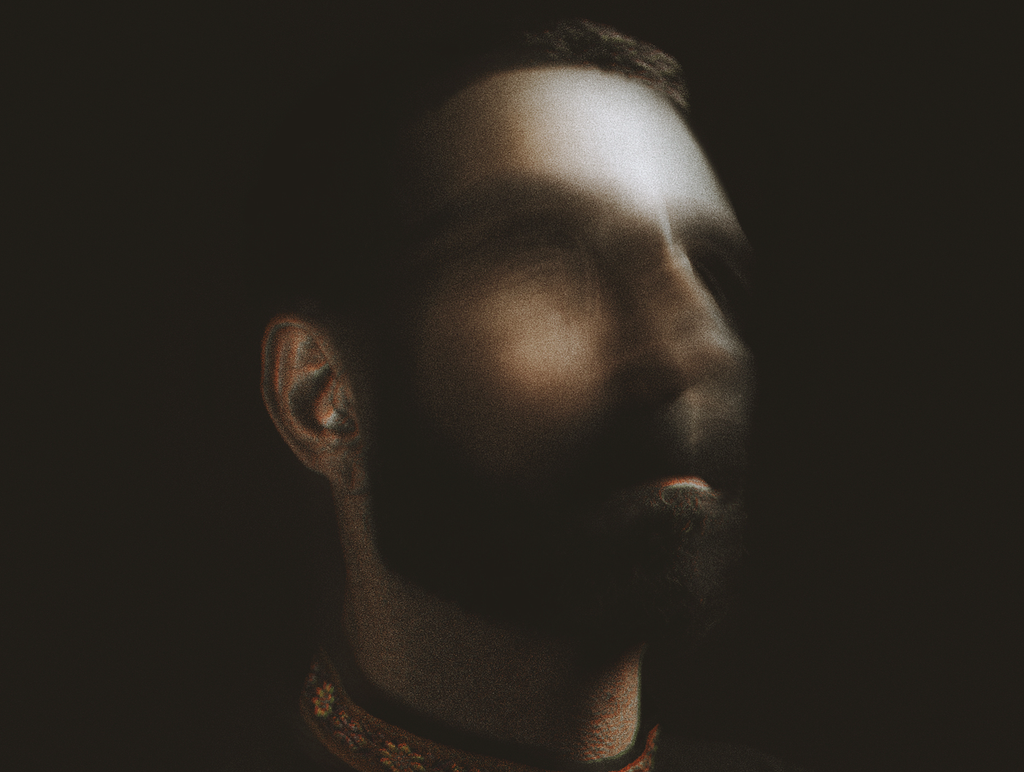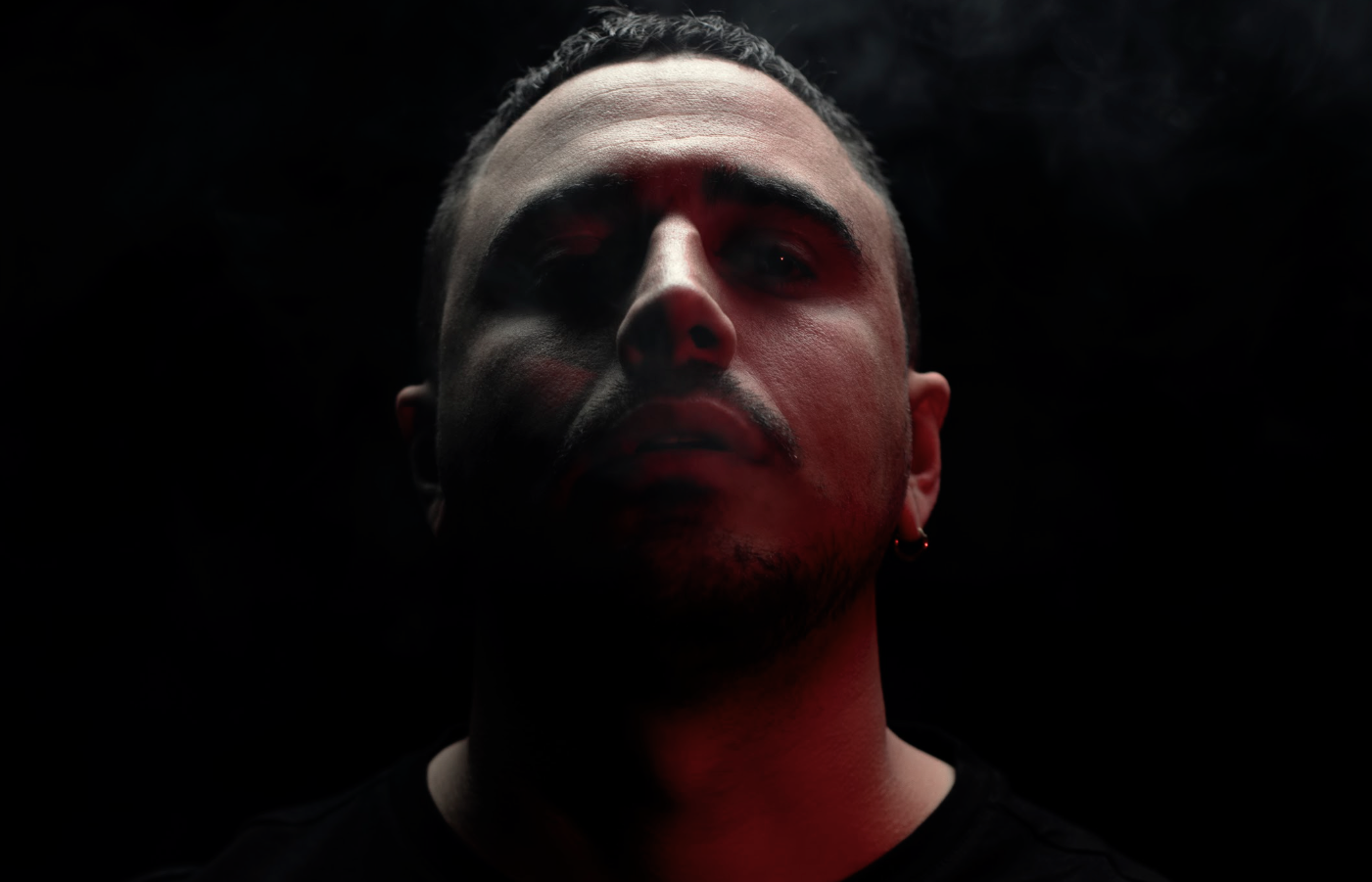
Underground techno usually says the most when there is less for the record to hide behind. Strip the sleeve back, press it to wax, take the titles off the center label, and suddenly the whole thing gets very simple. Either the groove speaks for itself, or it does not.
That is the space Opera 2000 is moving into with Oxímoron, the new 12″ and digital release from _asstnt landing September 11 as catalog OPR006.
The sharper version of the label seems to start with a sharper version of the person running it.
Jesús Ruiz talks about sobriety less like a dramatic reinvention and more like a return to baseline: better sleep, better habits, fewer late nights, and a studio process no longer clouded by anxiety, overthinking, or the urge to fix every idea with another layer. The result, at least in how he describes this EP, is music made from fewer moves and firmer decisions.
That makes Oxímoron feel like a useful title before anyone even gets to the rhetorical-device concept behind it.
The EP is built around opposites held in the same room: rawness and precision, restraint and force, physical wax and digital reach, personal calm and functional dancefloor pressure. In the interview below, _asstnt breaks down the personal reset behind the record, Opera 2000’s stricter new direction, and why the label’s next chapter is being built around records that ask for fewer distractions and a lot more trust.
Interview With _asstnt

You describe sobriety as bringing serenity into your life. What had started to feel difficult to manage before you made that decision?
Everything started spiraling around early 2022, right when I released my record Love War. By pure bad luck, it dropped literally the day before the war in Ukraine broke out. In that hyper-sensitive climate, releasing an EP with that title was brutal; platforms like HATE told me point-blank that we couldn’t run the music video under that name. To me, it felt like the project — and my entire career — was collapsing before my eyes.
That hit triggered an underlying depression and hopelessness. Living with generalized anxiety, relying on alcohol and substances to cope was like pouring gasoline on a fire. The hangovers were devastating, amplifying the anxiety to unmanageable levels. When you drink or use, you make poor choices, you act out of character, and you drift away from your true self. The real Jesús only surfaces when there is calm.
About fifteen months ago, in May of last year, I reached a point of maturity where I said: enough is enough. I haven’t touched a drink or a substance since. That decision brought a profound serenity that completely reshaped how I approach my life, my work, and the music. When you operate from true calm, everything becomes cleaner, less cluttered, and more intentional. Criticism no longer shakes me, because serenity gives you the confidence to understand that there are no fatal mistakes — only learning experiences.
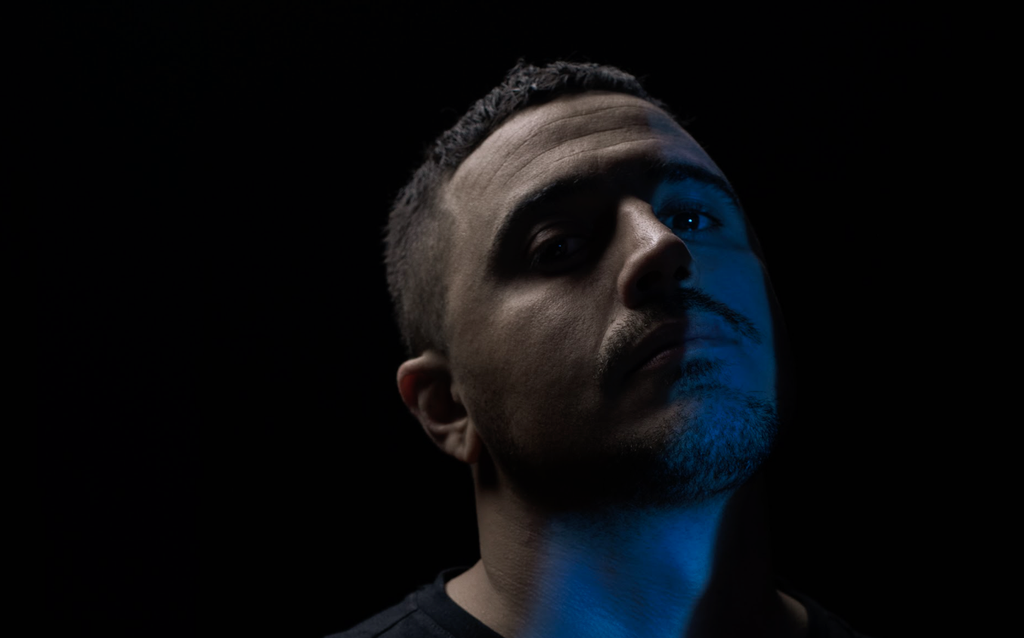
Was there a specific moment when you knew alcohol and substances needed to leave your creative life?
To be honest, it didn’t start in the studio. It started with my life as a whole. The creative shift has simply been a beautiful consequence of removing alcohol and substances from my day-to-day existence.
Through all the mental health work I’ve put in over the years, things intuitively fell into place in the exact order they needed to. Before I could fix my art, I had to clean up my baseline: establishing solid daily habits, prioritizing real nutrition, training with purpose, getting deep sleep, and stepping away from late nights and empty partying. I had to take genuine care of myself first.
Once the foundation was solid, the creative process naturally became much purer. It felt like going back to my early roots, stripped of that mental fog and distorted perception that used to make studio work erratic, chaotic, and disconnected from who I truly was. When your mind is clear and your body is rested, the music becomes honest.
What does serenity look like during an ordinary day of writing music and running Opera 2000?
That daily serenity translates directly into complete creative flow in the studio. When I sat down to produce Oxímoron, nothing was forced or predetermined. Often, producers sit down trying to anchor themselves to external references — not copying, but analyzing how someone else dialed in the low end, treated the hi-hats, or built a synth groove. With this EP, I didn’t need any outside reference points. I sat down and everything just flowed naturally from scratch.
It has completely transformed how I make decisions, especially sound selection. In the past, I used to overprocess elements, stacking layers and plugins to fix things. Now, my approach is much rawer, simpler, and intentional. I focus on fewer elements, but every single one has a distinct purpose. Everything fits into the puzzle with surgical precision.
That mental calm also turned me into an absolute machine during mixdown. Because the initial sound choices are so solid, I already know exactly where the mix needs to go while I’m writing the track. There’s no second-guessing — just sharp execution and a level of sonic punch that I’m genuinely proud of.
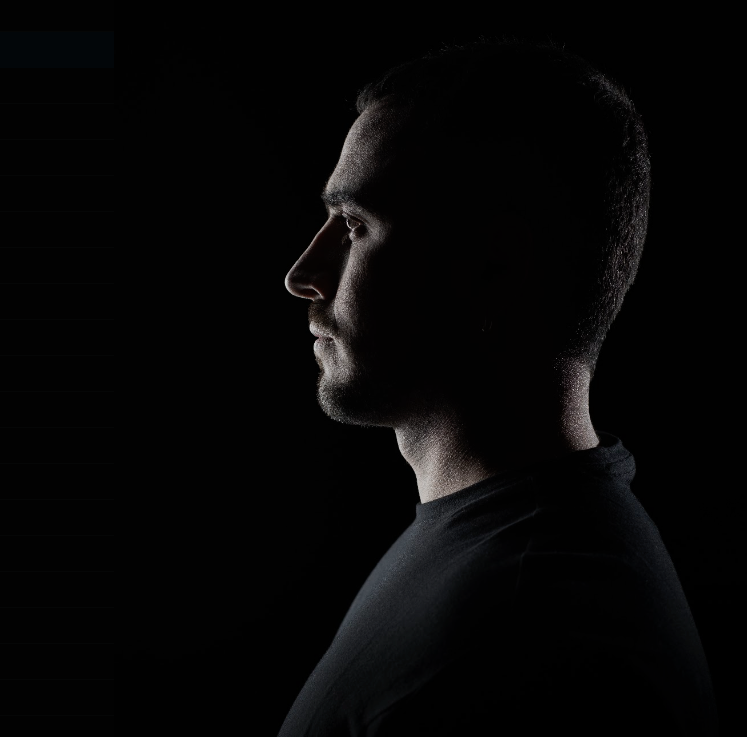
The title “Oxímoron” suggests opposing ideas existing together. Which contradiction sits at the center of the EP?
Ironically enough, the spark came from a rather forgettable Spanish film I watched about a peculiar kid named Wolfgang who played the piano and was torn between two completely opposite worlds: his father’s and his mother’s. Throughout the movie, they kept using the metaphor of an oxymoron to highlight that clash of personalities. The word stuck with me. When I finished the track “Oxímoron,” it felt like the undeniable title for it.
From that track onward, I locked into a very cohesive, linear sound across the sessions, and I decided to name the rest of the cuts after rhetorical devices. Initially, I drafted the titles in English, but then I stopped myself: Spanish is such a rich, beautiful language, why not use it?
This EP is actually the first chapter of a larger body of work. I wrote ten tracks in total under this creative umbrella; four are dropping now on Oxímoron, two are still in the vault, and the remaining four will form the follow-up sister record, which I can already reveal will be titled Símil EP. So if you spot upcoming releases with rhetorical devices in Spanish and my name on them, you know they come from this exact creative burst.
What will the next Opera 2000 releases demonstrate about the stricter direction you have chosen?
Pardon the pun, but Oxímoron really feels like an opera prima for Opera 2000: a true turning point and a clean slate. Moving forward, I don’t want to box the label into rigid dogmas, but whether it’s my own material or guest artists, the curation will be uncompromising. I want to reconnect with that pure, functional techno spirit: the intersection where classic Detroit roots met the European wave, evolving into that relentless Berlin, Berghain, and 2012-era Klockworks sound. That hypnotic, stripped-back momentum is what we’re chasing, and Oxímoron embodies it completely.
This shift is visual and philosophical as well. We did a subtle rebranding: cleaner typography, refined aesthetics, and a much soberer physical presentation. Our 12″ records are moving to stamped center labels in generic sleeves, with no track titles printed on the A or B sides. If you drop the needle on an Opera 2000 record, you’re forced to engage with the music itself — no hype, no distractions.
I’m also reopening the demo submission inbox soon to see who connects with this vision, but regardless of outside noise, Opera 2000 remains my outlet. I have a lot of music lined up and zero anxiety about reviews. One of the greatest lessons of this personal process is realizing that critics move on five seconds after typing an opinion. What matters is building something lasting, honest, and dedicated strictly to the dancefloor.
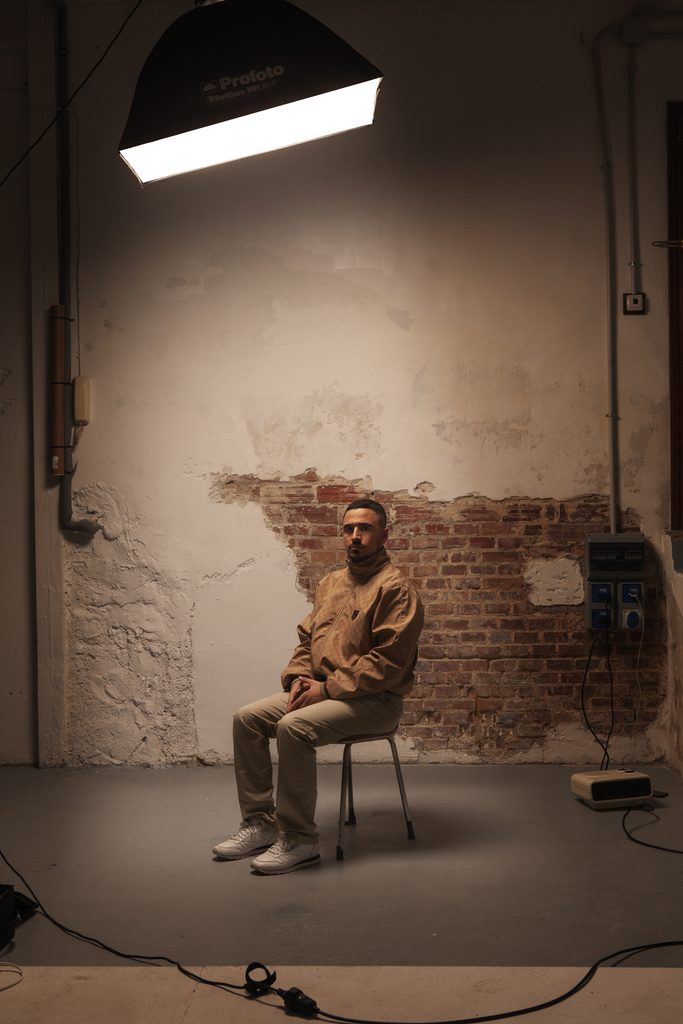
To wrap things up, would you share what you want people attending your upcoming DJ dates to recognize about the artist and label operator you are now?
On a personal level, I just want them to see someone grounded, normal, and approachable. To be honest, I still get shy whenever someone recognizes me. At the end of the day, I’m just there to share the music, build an energy, and make sure people dance and lose themselves in the room.
If anything, in an era where social media trends have somewhat blurred the craft, I’d love for people to connect with the dedication behind it. I started DJing when I was 13 years old, back when very few people around me even knew what beatmatching was, and the relationship with the craft was completely different. Today, the bar for entry is lower, which makes me value my identity as a producer even more.
When people come to my sets, I don’t want them to expect circus acts or curated poses. I want them to experience someone who has spent decades studying sound, digging for records, and locking into the dancefloor with total sincerity.

Will Vance is a professional music producer who has been involved in the industry for the better part of a decade and has been the managing editor at Magnetic Magazine since mid-2022. In that time period, he has published thousands of articles on music production, industry think pieces and educational articles about the music industry. Over the last decade as a professional music producer, Will Vance has also ran multiple successful and highly respected record labels in the industry, including Where The Heart Is Records as well as having launched a new label with a focus on community through Magnetic Magazine. When not running these labels or producing his own music, Vance is likely writing for other top industry sites like Waves or the Hyperbits Masterclass or working on his upcoming book on mindfulness in music production. On the rare chance he's not thinking about music production, he's probably running a game of Dungeons and Dragons with his friends which he has been the dungeon master for for many years.








![How It Was Made: Lang Father i(Junkyard Dog) [Welofi]](https://magneticmag.com/wp-content/uploads/2026/10/Press-Pic_2-1024x576.jpg)