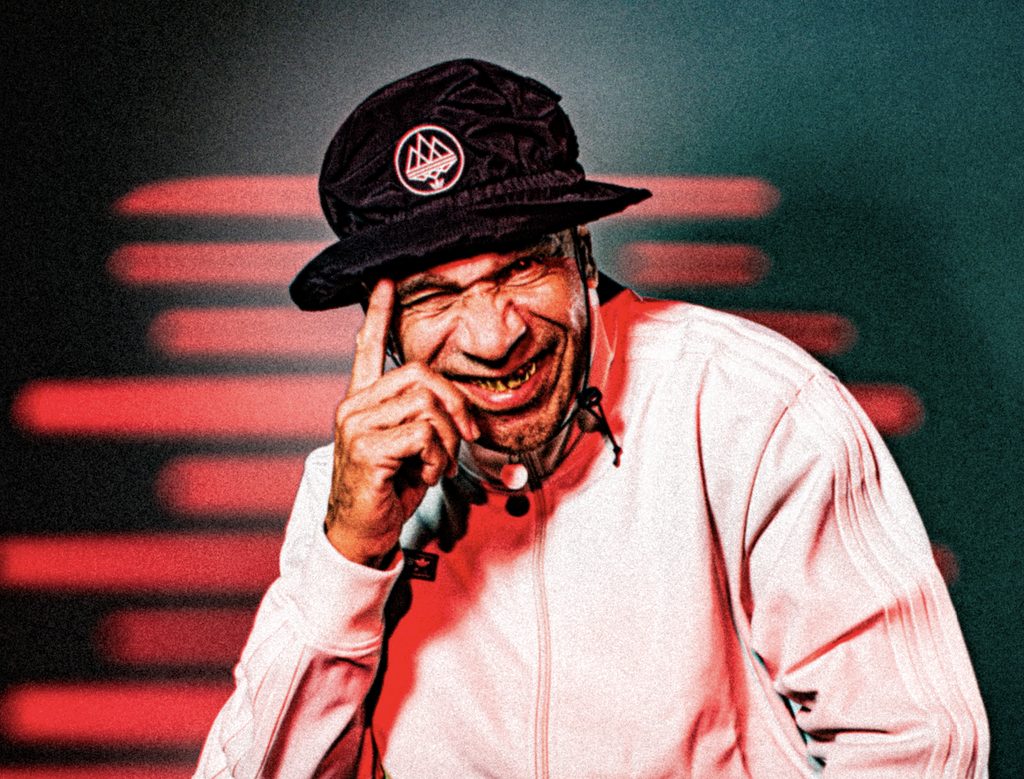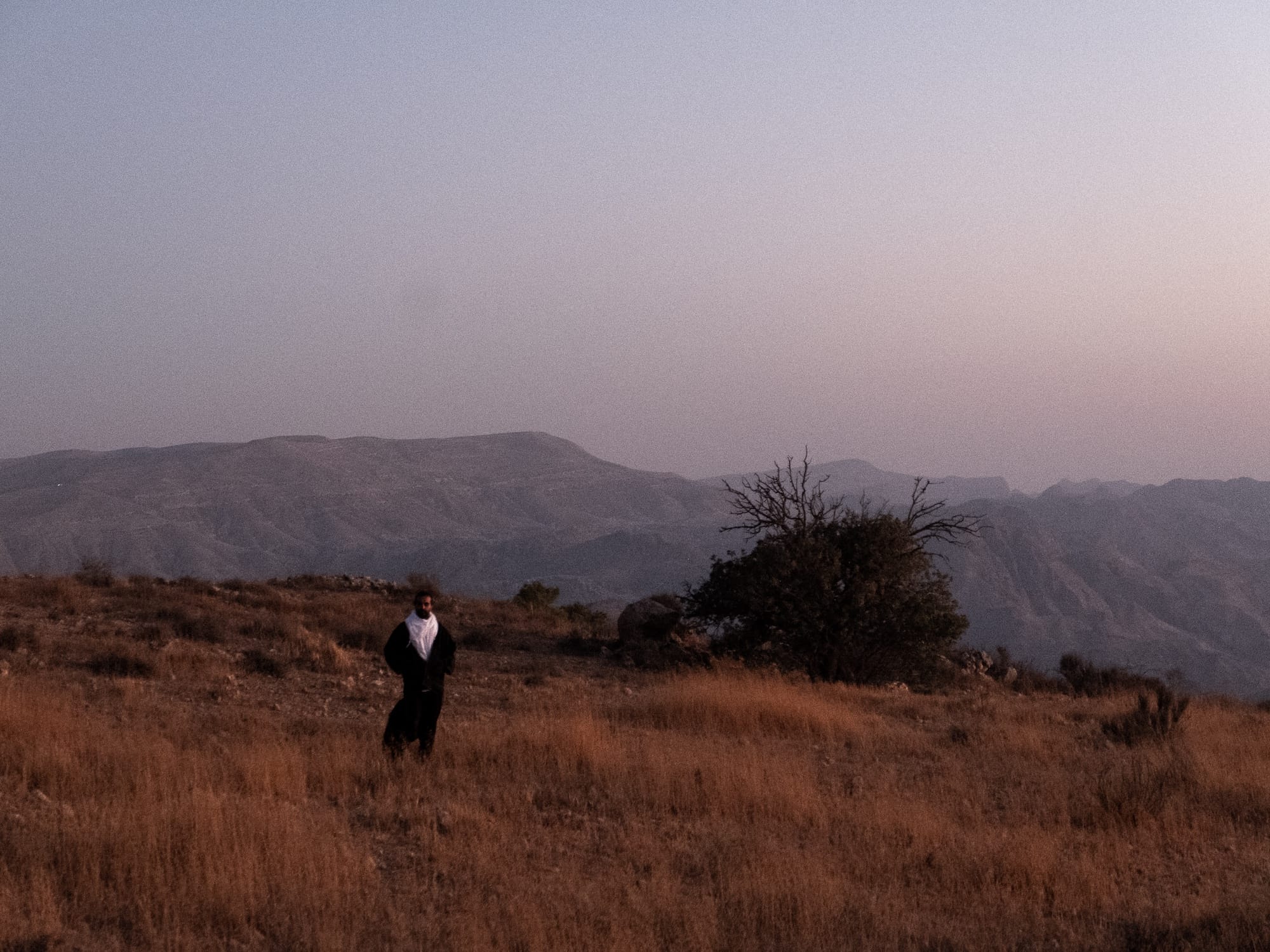
Yazan Sarayrah’s IRTH-TRONIC is more than an album built around microtonal melodic techno. Beneath its intricate production lies a collection of stories that have travelled across generations through poetry, oral tradition and folk song.
Drawing on Bedouin and wider Arab cultural heritage, each track reimagines a piece of history, whether preserving the words of a mother during wartime, breathing new life into centuries-old proverbs, or reclaiming melodies shaped by love, resistance and identity.
Rather than treating these traditions as museum pieces, Sarayrah places them within a contemporary electronic framework, combining custom microtonal tunings, analogue instrumentation and modern club production to create something that feels rooted yet forward-looking.
In this exclusive track-by-track breakdown, he explores the personal, historical and cultural significance behind each composition, revealing how IRTH-TRONIC became both an artistic statement and an act of preservation.
01 – Echoes of Mo’ab | صدى مؤاب
(Same poem as Track 2 “Ben Hajhouj” performed in a different traditional melody)
During the 1973 October War, Um Khaled (Khadeld’s mother) wrote a poem full of longing and concern for her son, General Khaled Hajhouj al Majali (Ben Hajhouj) as he was leading the 40th Armored Brigade in the battlefield at the golan heights in Syria. Her sincere words, filled with love, became one of the most famous poems in Jordan, especially in Karak, where General Khaled Hajhouj al Majali (Ben Hajhouj) was born. The poem is the voice of a mother who encapsulates the courage and yearning of all mothers. It has become a national heritage, reminding us of moments we must always remember and never forget.
For me, this story holds a special place in my heart. My late father served in the 40th Armored Brigade and fought alongside Ben Hajhouj in the battle. When I hear this poem I remember and feel proud of my father. I wanted to preserve this story with this track.
02 – Ben Hajhouhj | بن هجهوج
(Same poem as Track 1 “Echoes of Mo’ab” performed in a different traditional form)
During the 1973 October War, Um Khaled (Khadeld’s mother) wrote a poem full of longing and concern for her son, General Khaled Hajhouj al Majali (Ben Hajhouj) as he was leading the 40th Armored Brigade in the battlefield at the golan heights in Syria. Her sincere words, filled with love, became one of the most famous poems in Jordan, especially in Karak, where General Khaled Hajhouj al Majali (Ben Hajhouj) was born. The poem is the voice of a mother who encapsulates the courage and yearning of all mothers. It has become a national heritage, reminding us of moments we must always remember and never forget. For me, this story holds a special place in my heart. My late father served in the 40th Armored Brigade and fought alongside Ben Hajhouj in the battle. When I hear this poem I remember and feel proud of my father. I wanted to preserve this story with this track.
03 – Theeb | ذيب
A musical arrangement of the poem “Theeb,” originally written for the Jordanian film Theeb. Inspired by Bedouin wisdom and the spirit of the desert, the poem carries a powerful message about false friendship and abandonment in times of hardship—because loyalty isn’t just words; it’s proven through action.
04 – Ghosn Al-Gana (Feat. Ahmad Selawy) | (خطر غصن القنا (مع أحمد سيلاوي)
The story of “Khatar Ghosn Al Qana” is the journey of a melody transformed from a tool of defamation into refined poetry. The tune was originally tied to a girl known as “Al-Doudahiya,” who faced fierce public shaming through a malicious folk song following a love affair with her cousin out of wedlock, violating the strict customs of Yemen in the early 20th century. To save her, Judge Abdul Rahman Al-Eryani commissioned the poet Mutahar Al-Aryani to weave a new poem to the exact same melody and rhyme scheme, hoping to overwrite the defamation in the collective memory of the people. Thus, the story of Al-Doudahiya transformed from a tale of societal defamation and shaming into an immortalized romantic poem.
05 – Ghbeshi | غبيشي
Word of mouth carried the tale of Ghbeishi and Hasna until it became almost a legend, an episode of pride and defiance by the honorable Ghbeishi, son of the Ajloun mountains, against Glubb Pasha and his troops, on a night immortalized by the chant “Ḥayed ʿan al-Jaysh Ya Ghbeshi” (“Steer Clear of the Army, O Ghbeshi”). After Ghbeishi and Hasna’s love overcame the class barrier between them, and despite her family’s absolute refusal of his marriage proposal due to his economic and class misfortune, Hasna eloped with him. At her father’s request, General Glubb Pasha and his soldiers pursued the couple, eventually catching up near the mountains of Ajloun. When the soldiers caught up with the lovers, Hasna broke the silence of the mountains with a “tarweeda” (folk refrain) sending a warning to her beloved, who stood tall before the British colonizer, wearing his identity and heritage like a badge.
The voice of cultural heritage continues to give the album a distinctive identity on the contemporary music scene, while the melody gains new depth that mirrors the story it tells. Blending his singing with an old recording of a folk voice, adding new arrangements to the original tune, and weaving a refined mix of guitar, saz, and synth, the track “Ghbeshi” stands out with its unique sound and ushers in a new phase in Yazan Sarayrah’s sonic identity.
06 – Galo Anni | قالوا عني
When heritage is viewed as a burden, holding onto it becomes a revolution. This original track, left on the shelf for far too long, carries a profound nostalgia for the Bedouin tents and identity that some mistakenly believe are mere history.
07 – Ben Jadlan | بن جدلان
“Bin Jadlan” represents the true nature of heritage. An ancient bedouin proverb, woven into the Nabatean poetry of Saad Ben Jadlan, and now adapted into this track. “Every word withheld from its target, must be told.” doesn’t incite recklessness or audaciousness, but rather a disclosure of truths that we’re forced to swallow. Be it by pride, or fear of rejection, these withheld words fester in silence until all hope is gone.
08 – Ala Msiri | على مسيري
“Ala Msiri”,a reinterpretation of the iconic 1982 Yemeni folk song by Mohammad Murshid naji.This rendition showcases the simplicity that is carried by the spirits of this region, highlighting the tenacity against the numerous prevalent attempts to dismantle and dissect this so-called “exotic” identity.