This interview was created in paid partnership with Profetik. I chose to cover the project because I genuinely connect with the music. All editorial opinions and wording are my own
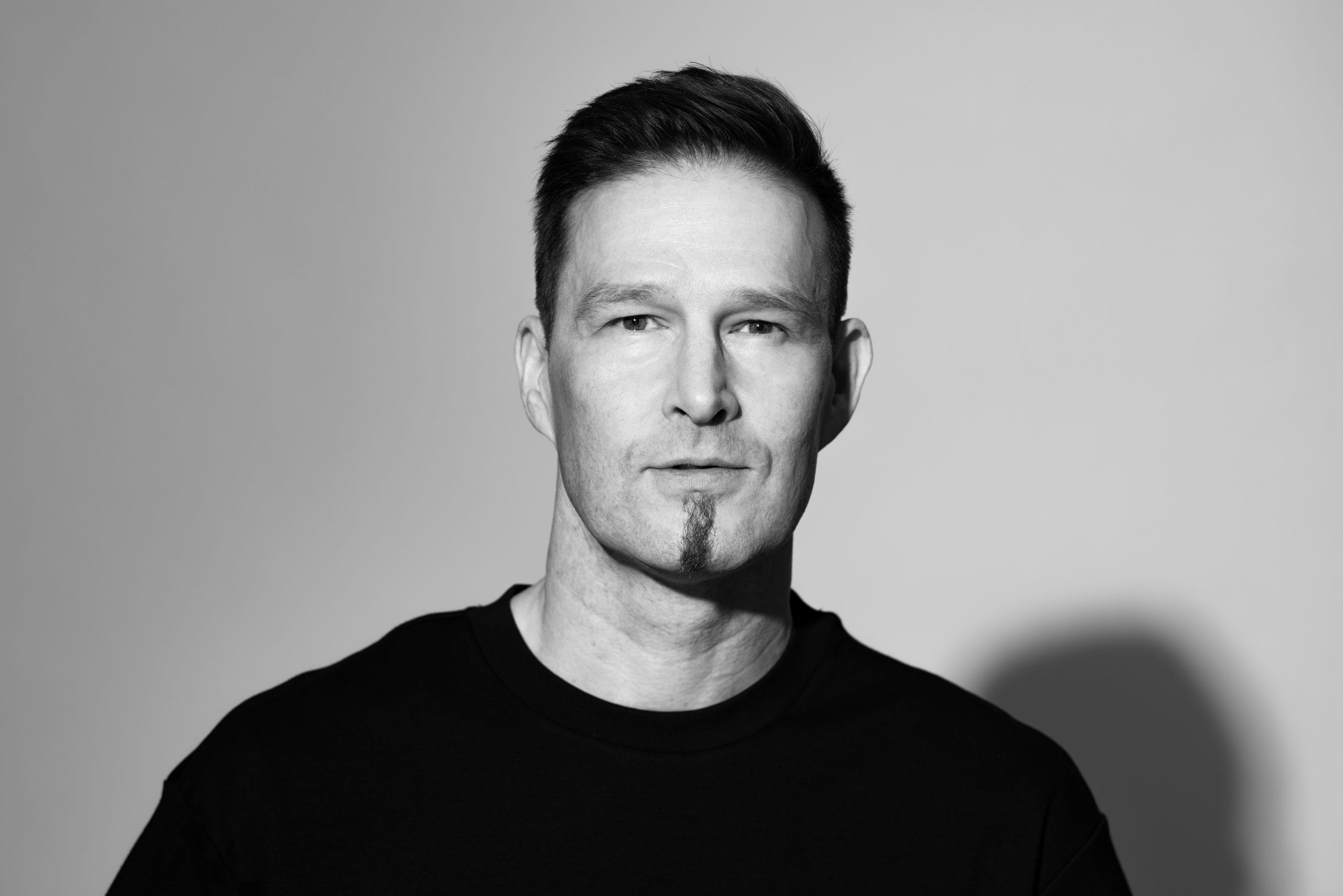
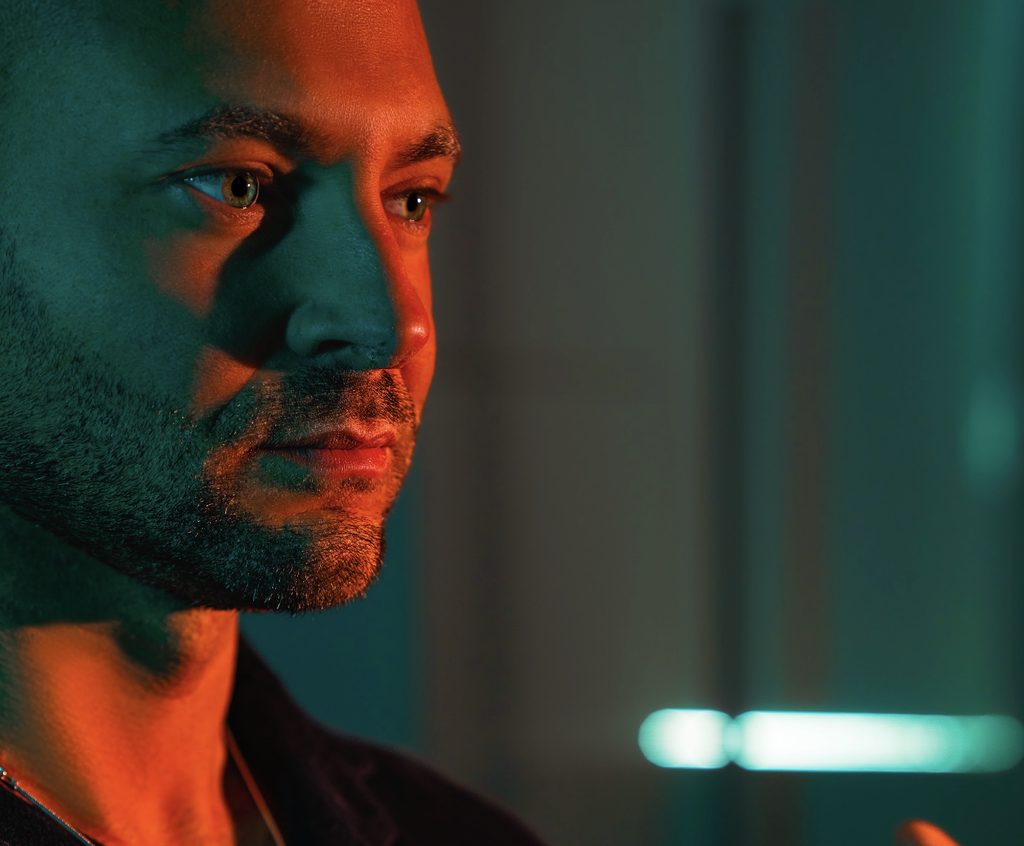
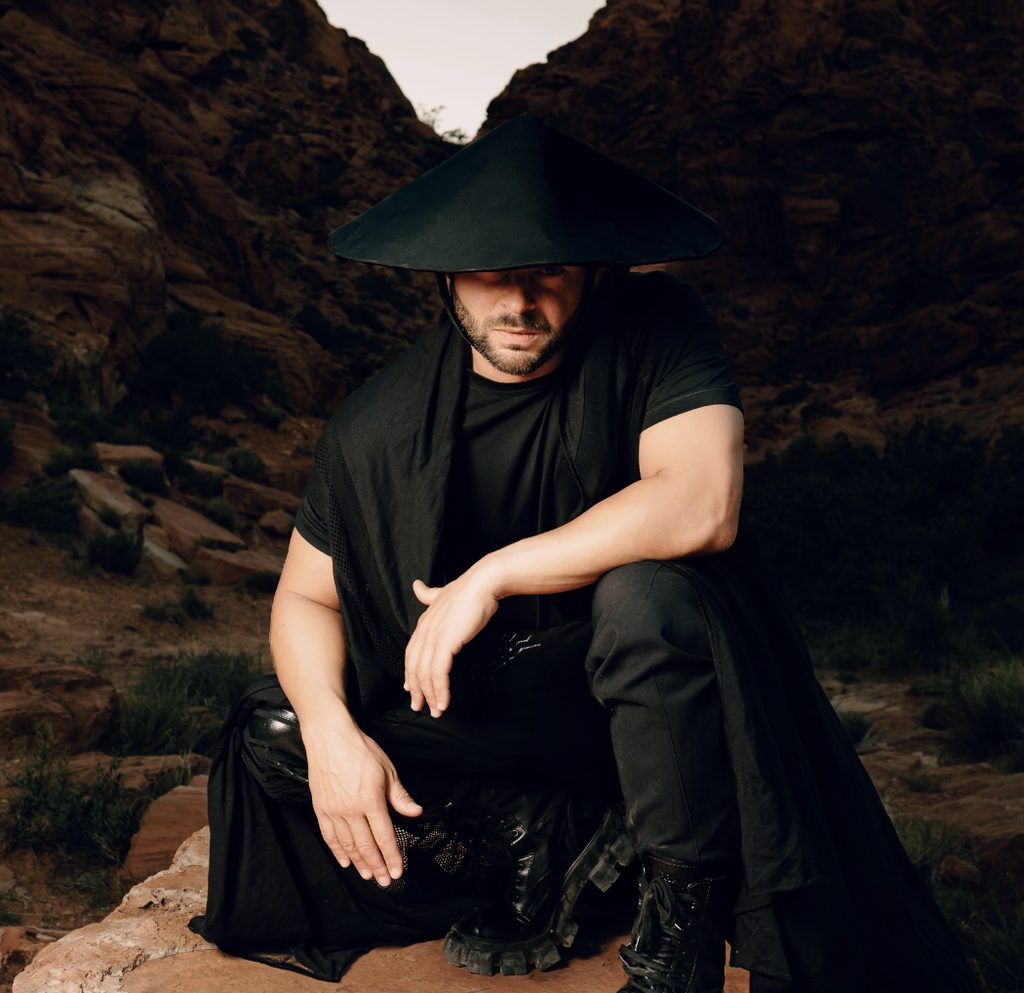
Profetik’s (@profetiksound) “Tetra” arrives on Seraph Records as a melodic techno release built around scale, weight, and a very specific piece of source imagery. The title points back to the four-faced living creatures in Ezekiel’s vision, and Brian Van Anderson turns that idea into sound design by building the bass from four layered voices: a lion growl, an eagle screech, an ox grunt, and a human voice. Four faces, one motion.
That kind of detail explains the larger Profetik project.
After releasing progressive trance on Ride Recordings, Armada, and Black Hole, including radio support from Armin van Buuren, Above & Beyond, and Cosmic Gate, Van Anderson stepped away from music in 2020 to build a company. He returned in 2026 with a new studio in Las Vegas, a darker melodic techno direction, and his own label, Seraph Records. “Tetra” is the fifth Seraph release of the year, with the original mix landed today on August 21 and the extended mix following August 28 as a Beatport exclusive.
The interview below gets into the parts of that return that are more interesting than a simple comeback narrative. Van Anderson talks about why he stopped releasing music, how progressive trance taught him bass design, why Seraph Records needed to exist, and why the visual side of a monthly label cadence can take as much work as the music itself.
“Tetra” becomes the clearest example of his current method: sound design as storytelling, bass as character, and melodic techno as a place where his older trance discipline can become something heavier.
Interview With Profetik
You stopped releasing music after 2020 to build a company. What demanded your full attention, and why did you decide music needed a complete pause?
Honestly, I needed to step back and reassess.
I had gotten to a point where I was making music that aligned with what other people wanted rather than what I felt compelled to make, and I could feel myself plateauing. I like ambitious goals in every part of my life, and an opportunity came up elsewhere that I jumped on. That turned out to give me exactly the perspective I needed.
Rick Rubin has this idea in The Creative Act that you should make music your hobby, just make it the most important hobby of your life. Coming back to it with nothing riding on it is what let me make the records I actually wanted to make.
You came back with a different sound from the one you left with. Which parts of that change were intentional, and which appeared once you started producing again?
The intentional part was getting away from sounds I had gotten fatigued by, the chord drop especially.
I knew I wanted something different from that, and I wanted more weight in the low end. What genuinely surprised me was the bass, which I am now completely obsessed with, and how much freedom I have in the breakdowns. I love painting eerie, surreal scenes and I probably spend far too much time playing with textures and atmospheres. Sometimes it feels more like scoring a scene from a film than a dance music session.
That caught me off guard in the best possible way.

Do genre labels cause listeners to miss the technical connection between progressive trance and melodic techno?
I think so, yes.
Trance and techno sound like opposites if you are going by the label, and there is a whole generation of techno listeners who would never willingly put on a trance record. But progressive trance is where I learned bass sound design, and that is the single biggest thing I carried over.
The discipline of building a bass that has real character rather than just filling space is the same work in both genres. The arrangement logic transfers too, long builds and patient tension. Honestly the two are closer relatives than the shelves they sit on would suggest.
A third-party label handled your first release. What did that experience teach you that led to launching Seraph Records?
Nate Raubenheimer from Protoculture and I did a collab in 2019 that ended up on Armin’s A State of Trance, and that started a dynamic I really value. He is someone I trust and he is genuinely expert across a lot of styles, so he was one of the first people I sent the new material to.
He liked The Waking, which makes sense, it uses an exotic phrygian scale and has these haunting vocals from Roniit that really paint a picture. He asked if I would sign it to his own label, Marula, and I said yes immediately.
But Seraph was already underway well before that. I wanted to build an entire world for listeners, the artwork, the videos, all of it, and that was never something I was going to hand to someone else.

Nine releases in one year is demanding for one person. Which part of operating the label consumes the most time outside the studio?
The visual side, easily. Every release needs artwork, a set of videos, and social cuts, and all of it has to feel like it belongs to the same world rather than nine unrelated singles. Building that world is genuinely creative work and I enjoy it, but it does not compress the way people assume.
A track can come together fast, and then the imagery around it takes just as long to get right. I am usually working on the visuals for one release while I am still writing the next, which is the part nobody warns you about.

Magnetic byline note: This byline is used for staff produced updates and short announcements, often based on press materials and official release information. Editorial responsibility: David Ireland (Editor in Chief) and Will Vance (Managing Editor). About: https://magneticmag.com/about/ Masthead: https://magneticmag.com/masthead/ Contact: https://magneticmag.com/contact/