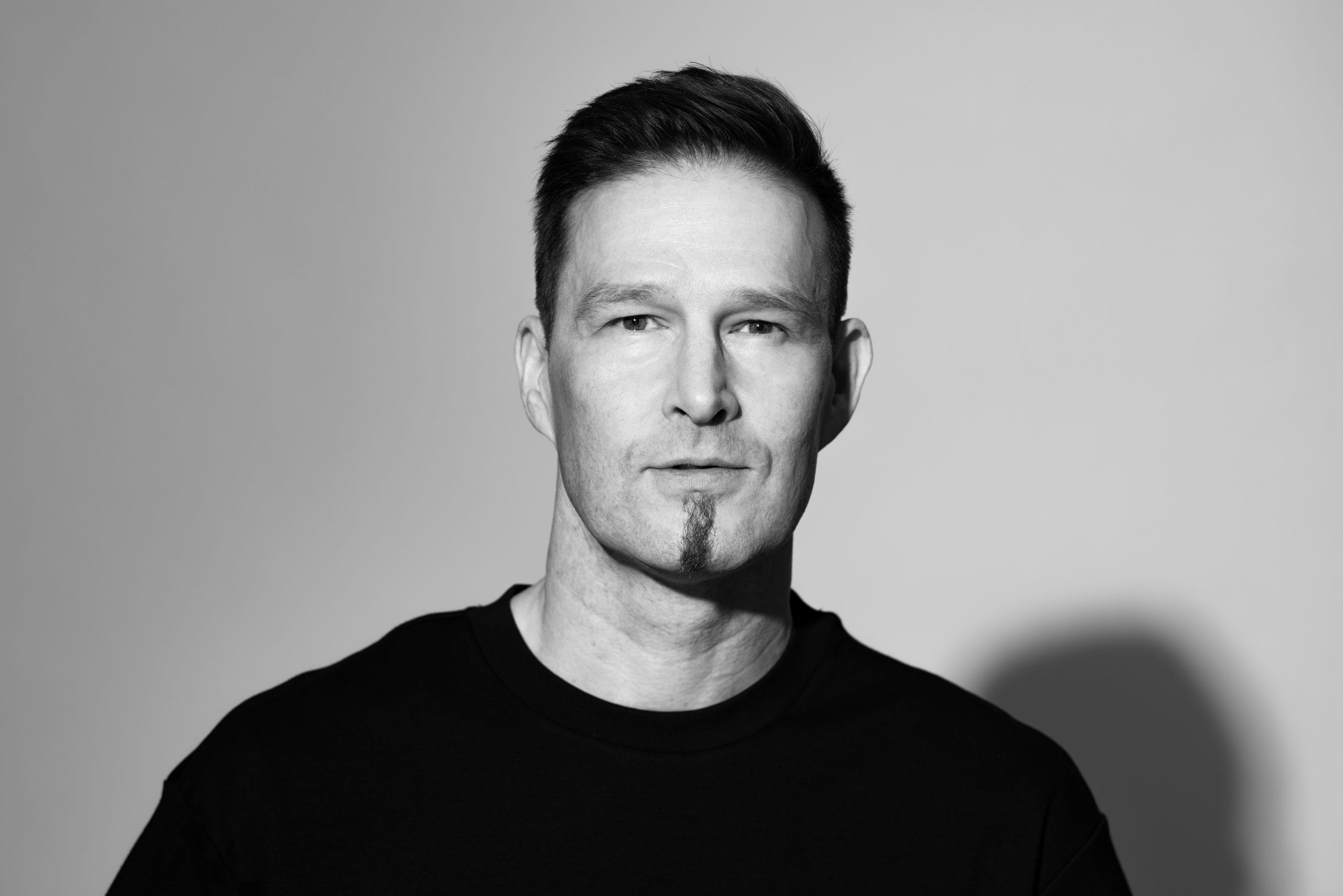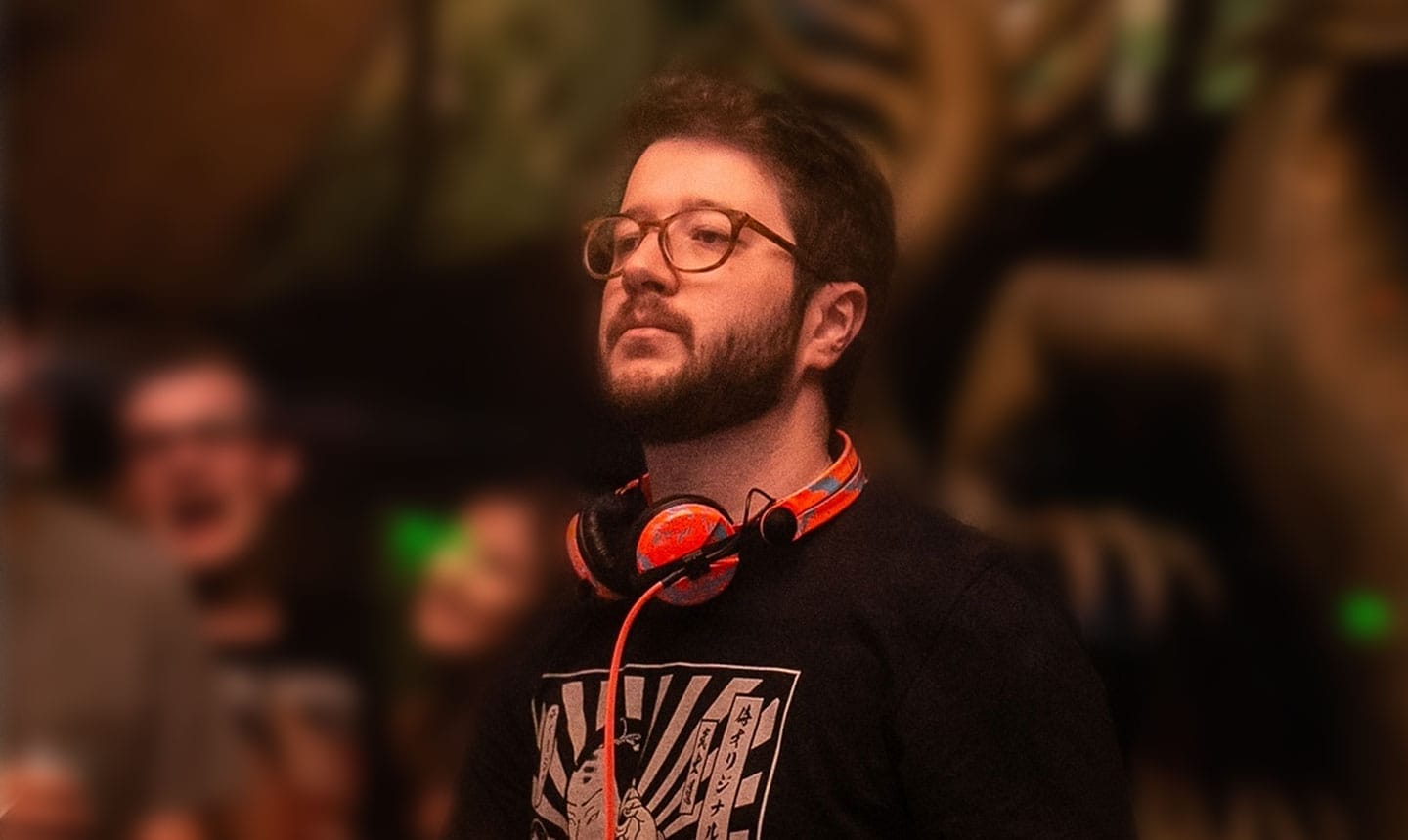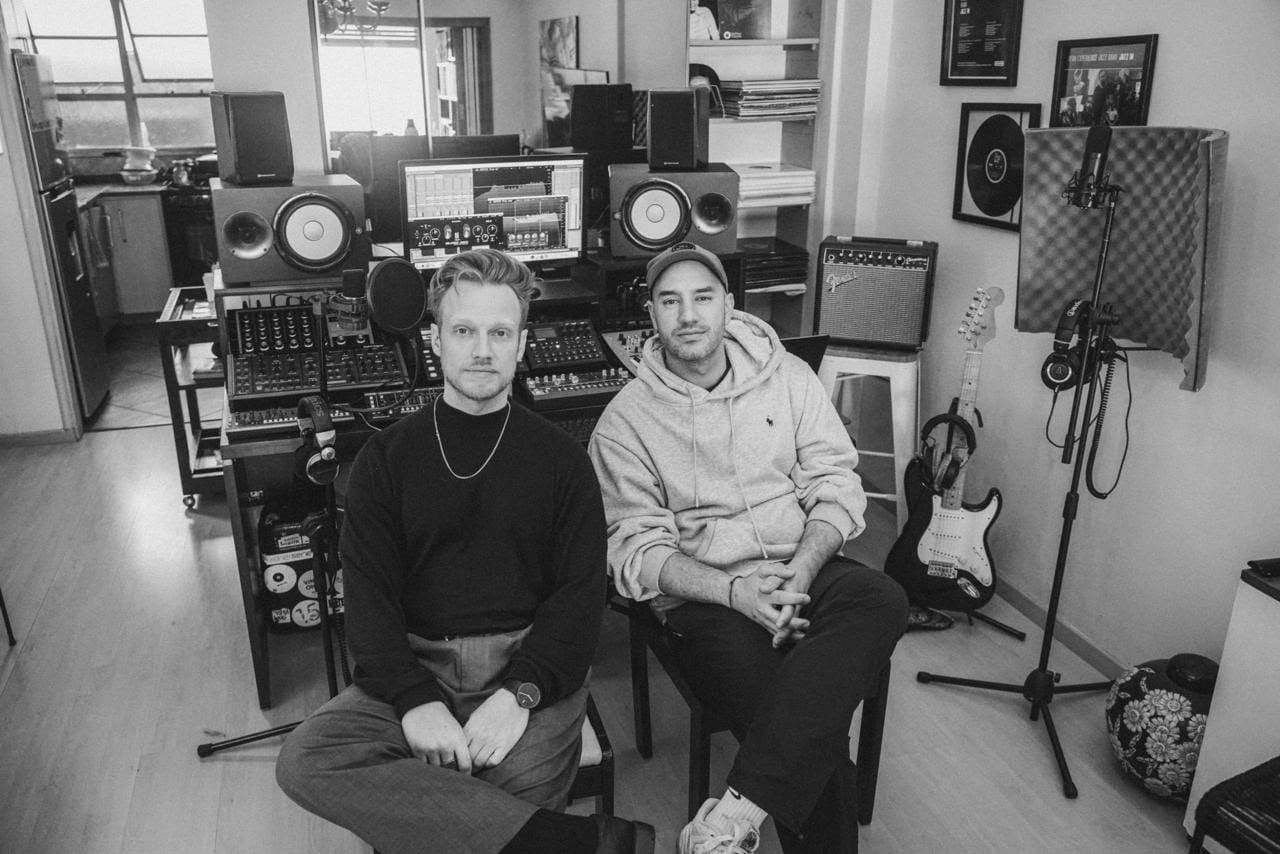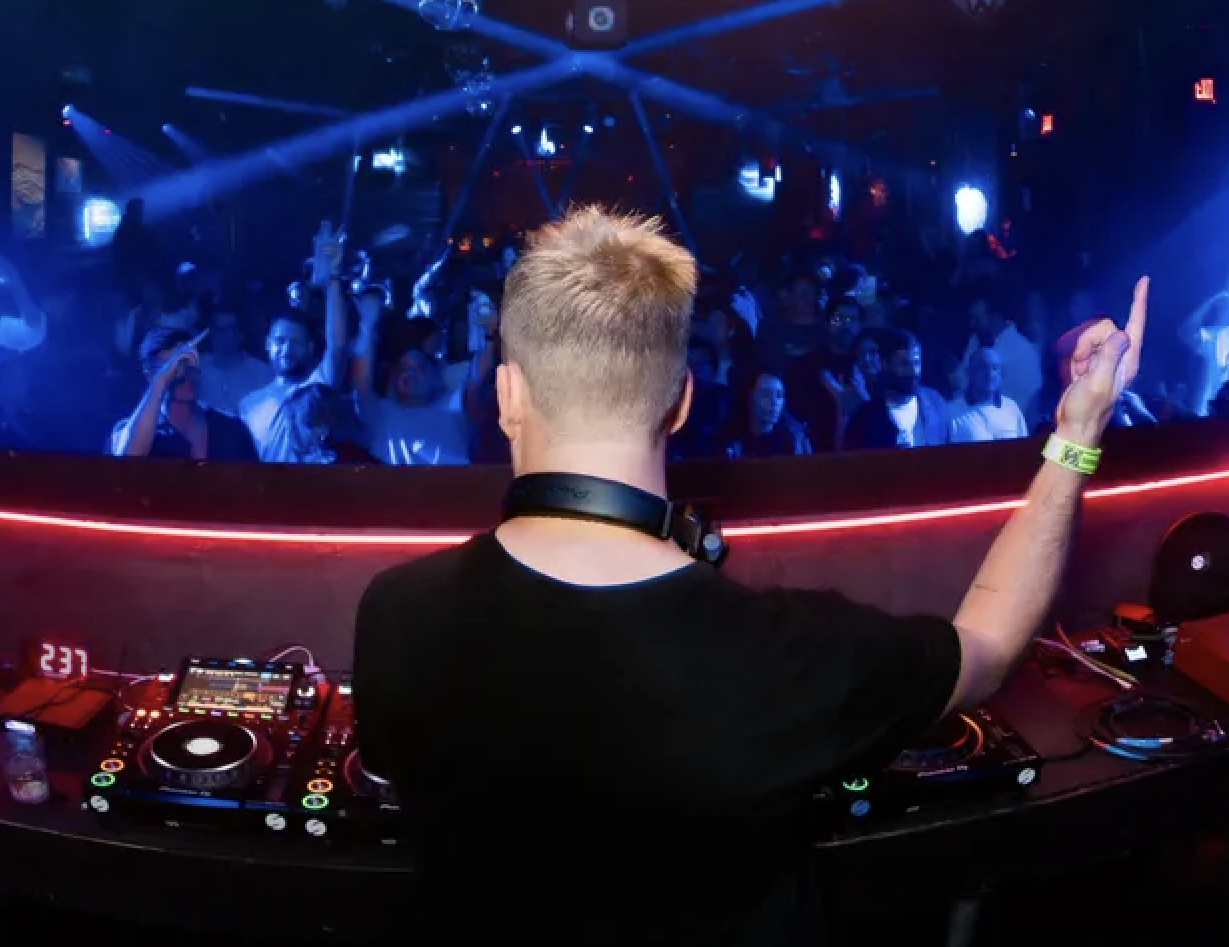
Sondela Recordings is expanding its world with Sondela Volt, a new imprint built for the deeper, darker, and more club-focused edges of African electronic music.
The first release, “Ascendance,” landed back on July 24 and pairs returning Sondela artist Phila De Giant with newcomer Ayden J on a peak-time Afro Tech record built around hypnotic percussion, rolling grooves, and dancefloor pressure.
The launch gives Sondela a more direct underground outlet beside the broader cultural and musical mission of Sondela Recordings. Since its 2021 launch under Defected Records and later evolution into an independent label, Sondela has become a visible platform for African electronic music and the artists pushing Afro House, Afro Tech, and adjacent club forms forward. Volt sharpens that focus. It is less about widening the whole map at once and more about giving tougher, club-first records a clear home.
That makes this interview especially practical.
Instead of speaking only about the sound of “Ascendance,” Sondela breaks down what actually happens behind a label decision: how many demos to send, what makes a submission less appealing, why artist responsiveness matters, how release investment is discussed, and how a label can turn a record into a longer artist-building plan. For new producers trying to understand what an A&R team is actually weighing, the answers below are blunt in the right way.
Interview With Sondela
When you first open a demo submission, what helps you get a quick read on the artist and the track? What submission mistakes tend to slow the process down or stop you from following up?
Our opinion quality of the music is the most important factor when signing a record!
If we love a track enough and believe it is unique and stands out within our catalog of music, this is a major driver to signing a track. For us, artist profile or artist information is not an important factor initially.
However, if we can see in the email that the demo has also been sent to other record labels at the same time, that does make a track less appealing.
To ensure the process proceeds smoothly, we also expect the artist to be responsive. We may reply first with questions about the release, particularly regarding where a vocal is sourced, or, nowadays, whether any AI is incorporated into the project. If an artist is not responsive, it is a turn-off for us, as we recognize it could be a sign of how the working relationship will go going forward.
What information do you need before you can seriously consider signing a record? Beyond the music itself, what details help you make an informed decision?
For Sondela, as mentioned music is the most important factor. It is our job to amplify the track and expose it to the right DJ’s and consumers.
Therefore, we don’t take other external factors into account if it is a standout track. This is even more the case now that we have launched our platform Sondela Volt – a label focused more on the underground 7 club side of Afro, but also on bringing new producers into the scene.
We don’t see any track or relationship we build with artists as a temporary or one-time thing. The goal is to strategise with the artists, making sure we can create moments for them as well as ourselves as a label with the release.
How do you decide which track an artist should send when they have several finished records? Is it better to send one carefully selected track or a small collection that demonstrates range?
Sending three to four tracks is a good number to send at one time.
Often people try and assume the track we will connect to based off our previous releases, but we are always looking for the next, fresh sound, so by sending one track this rarely works out. Any more than three or four becomes frustrating for the A&R team, as we may be shifting through tracks from 100 different artists that day.
So make sure to pick your best three or four to send over.

Beyond releasing and promoting the music, what can Sondela offer an artist in terms of long-term development, creative opportunities and career growth? What does a meaningful label-artist partnership look like to you?
Sondela are invested in growing artists through releases, events, public relations and more. Releasing on the label is the first step, in which often we will pair it with an event booking, where we can capture footage of the artist playing the release. From this point we will use that footage to help build the artist on social media & other platforms. This is the first step in the artist-label relationship, but the artist must also be at a level where the booking makes sense in the relevant region for this to work well.
An artist’s profile does not grow overnight, so this ongoing partnership is key to success here. This consists of consistent releases on the label, of which some may have some success commercially & therefore leads to repeat bookings at our parties. The trust for one another in this sense is key, that
Transparency around investment and recoupment is increasingly important to artists. How does Sondela approach these conversations, and what should artists understand about how release costs are invested and recovered?
If we believe in the track, Sondela is willing to invest to make it a success.
This is a must in getting visibility in a very crowded market, however all investment is mutually agreed with the artist. It is therefore recognized between both parties that this or some of the investment into the track is recoupable.

When planning your release schedule, how do you decide which records to invest more heavily in? Can you recognise a track’s potential before release, or is that decision shaped by early feedback, DJ support and audience response?
We always try and calculate a tracks potential before release.
When signing a track we focus on originality, but also identify it’s purpose within the market – whether it will connect on dance floors, on streaming services or potentially both. We value all elements as successes; however, if we feel a track can connect on both fronts, we are willing to invest a little more.
However in music it is always impossible to tell which track will be successful. It is often the unexpected tracks that connect the most, so we make sure we are always ready to elevate a record once the moment is right.
Within your particular corner of electronic music, how important is having a strong physical scene in key cities compared with building a global audience online? How do those two worlds support one another?
Both elements go hand in hand when building a brand.
First off we have to recognise the corners of the world that our music connects. Once we recognize that our brand, or at least the music we represent, has a significant enough following in a region, then we will take the leap to put on an event in that relevant country.
The brilliance of social media is that it gives us the potential to connect globally. It is then up to us to recognise and act upon that.
Closing Thoughts From The Editor
The most useful part of Sondela’s answers is how little romance they attach to the A&R process. A lot of artists want to believe the right email, the right bio, or the right social proof will make the difference. Sondela’s answer is more direct: the music has to hit first. The artist profile can come later. The background can come later. The release plan can come later. But if the track does not move the label team quickly, the rest of the pitch is decoration.
That connects with my interview with BlaQRhythm on bookings, community, and Mayonie Productions’ evolution of Afro House, where the larger lesson was that African electronic music grows best when releases, bookings, labels, and local scenes keep feeding each other. Sondela Volt appears to be built from a similar belief. The record is the starting point, but the real plan is larger than distribution.
A release can become a booking, the booking can create live footage, the footage can build the artist’s audience, and the relationship can continue from there.
That is also why the “Ascendance” launch feels like more than a new-label announcement. Phila De Giant already has a relationship with Sondela, while Ayden J enters as a newcomer, which makes the first release a small statement of intent. Sondela Volt is trying to pair continuity with discovery: an existing trust point beside a newer artist who can help define what the imprint becomes.
My recent interview with Tony Finger on the Cape Town roots behind his Afro House sound circled a related idea from the artist side. Support matters, but it only carries real weight when it points people back to a musical identity that can keep developing.
The demo advice is probably the section younger producers should read twice.
Send three or four tracks, not one random guess and not a folder dump. Do not make the label feel like one name in a mass email. Be ready to answer practical questions about vocals, AI, rights, and release context. That level of responsiveness may sound boring compared with the creative side, but it tells a label how the working relationship might feel months later when timelines, assets, clearances, recoupment, PR, and event planning all become real.
The physical-scene answer is also worth keeping in view. Sondela is not treating online reach and city-by-city scenes as separate strategies. The online audience helps reveal where the music is already connecting, then the label can decide where an event makes sense. That sits near the thinking in my interview with Floyd Lavine on storytelling, Cocoon, and his global path, where Afro-rooted electronic music moved across regions without losing the deeper cultural and rhythmic signals behind it. The internet can create the first layer of demand, but the dancefloor still decides whether that demand has roots.
That is the sharper read on Sondela Volt’s place in the market.
Afro House and Afro Tech have already moved into the global spotlight, which means a new imprint has to do more than attach itself to the rise. Volt’s lane is club-first, darker, and more underground, but its real advantage may be operational: a release strategy tied to events, PR, social footage, artist development, and an A&R process that still starts with the record. If Sondela can keep that balance, Volt could become a useful pressure valve for the tracks that need the room before they need the wider narrative.

Will Vance is a professional music producer who has been involved in the industry for the better part of a decade and has been the managing editor at Magnetic Magazine since mid-2022. In that time period, he has published thousands of articles on music production, industry think pieces and educational articles about the music industry. Over the last decade as a professional music producer, Will Vance has also ran multiple successful and highly respected record labels in the industry, including Where The Heart Is Records as well as having launched a new label with a focus on community through Magnetic Magazine. When not running these labels or producing his own music, Vance is likely writing for other top industry sites like Waves or the Hyperbits Masterclass or working on his upcoming book on mindfulness in music production. On the rare chance he's not thinking about music production, he's probably running a game of Dungeons and Dragons with his friends which he has been the dungeon master for for many years.