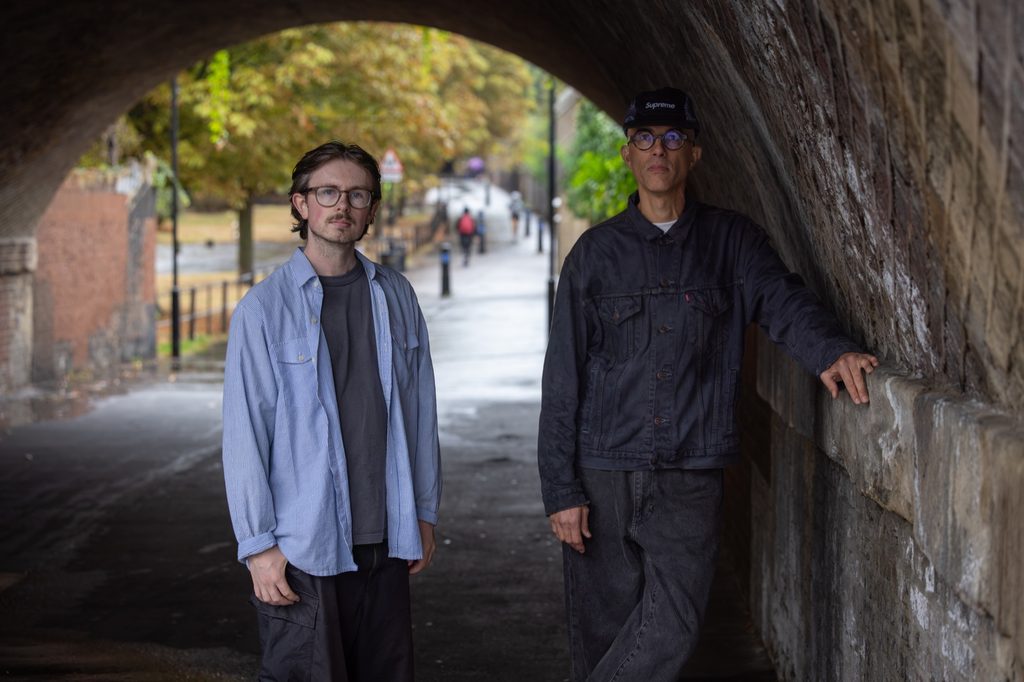
LabelWorx has signed an exclusive global distribution partnership with Metalheadz, and this is one of those business stories where the brand names do most of the explaining.
Metalheadz is not just another drum and bass label moving distributors. Founded in 1994 by Goldie, Kemistry, and Storm, the label helped define a darker, deeper, and more experimental side of the genre when jungle and drum and bass were still forming their language in real time.
The catalog speaks for itself: Goldie, Doc Scott, Dillinja, Photek, Adam F, Source Direct, Optical, Ed Rush, Grooverider, Peshay, and more. Add Timeless and the Platinum Breakz compilations to that history, and the partnership starts to feel less like a routine infrastructure move and more like a stewardship story.
That is the more interesting angle here.
Distribution can sound dry from the outside, but for a label with this much history, the wrong partner can flatten the work into files and metadata. The right one keeps the machine running while respecting what made the label matter in the first place.
For more information, visit https://labelworx.com/.
LabelWorx Is Selling Infrastructure, Not Hype
LabelWorx will provide global distribution and strategic support for Metalheadz’s catalog and ongoing releases, with Bass Station handling the drum and bass side.
That detail is important because drum and bass is not a generic electronic category. It has its own release culture, tempo logic, DJ economy, vinyl history, promo networks, and audience habits. Metalheadz does not need a distributor that only understands “dance music” in the broadest possible sense. It needs a team that understands why this label still carries so much meaning for producers and fans who care about the genre’s deeper architecture.
LabelWorx has been building that pitch for a while. In our earlier article on LabelWorx launching Elevate, the larger point was speed, organization, and better label operations for independent electronic imprints. This Metalheadz deal sits in that same lane, but with a much heavier legacy attached.
For LabelWorx, this is a credibility moment. For Metalheadz, it is a chance to bring the catalog and future releases into a distribution system built specifically around independent electronic music.
Goldie’s Point Is the Whole Story
Goldie’s quote gets right to the center of the deal: legacy has to be respected, IP has to be protected, and growth needs an organized team behind it.
That is the part most people outside label operations miss.
A label like Metalheadz is not only managing new releases. It is managing history. It has decades of recordings, relationships, visual identity, cultural meaning, and audience expectation sitting behind every upload. The job is not simply to push tracks to DSPs and call it a day. The job is to keep the label’s identity intact while making sure the music can still move in the present.
That is also why the word “legacy” can get dangerous if it becomes a museum label. Metalheadz has history, but it cannot only live as a reference point for what happened in the 1990s. The point of this partnership is to give the label enough operational support to keep releasing and reaching new listeners without sanding down the thing that made it essential.
We covered Goldie’s continuing presence in the culture in our article on “Jungle Daze” and his orchestral show plans, and the same thread runs here. The past is part of the story, but the work still has to move forward.
Metalheadz Still Means Detail
The press release points back to the early sonic and visual identity of Metalheadz: heavy bass, complex break programming, atmosphere, and an underground ethos that did not bend itself into easier shapes.
That identity is why the label still matters.
Metalheadz was never only about making drum and bass hit harder. It was about making the music feel deeper, stranger, more technical, and more cinematic without losing the physical snap of the break. That is why the catalog still gets talked about with a level of seriousness usually reserved for foundational jazz, dub, techno, or hip-hop labels.
Our past coverage of Goldie’s 25-year remaster of Timeless still feels relevant here because that album remains one of the clearest examples of how far this sound could stretch. It was not just club music. It was long-form, atmospheric, emotional, and still rooted in the pressure of jungle and drum and bass.
That is the line Metalheadz has to keep walking: honor the weight of the catalog without turning the label into a nostalgia object.
The Next Chapter Has to Protect the Foundation
LabelWorx’s Metalheadz partnership is now official, and the real test will be how the label’s past and future sit next to each other.
The catalog needs reach. The new releases need support. The brand needs protection. The audience needs to feel that Metalheadz is still Metalheadz, even as the infrastructure around the music evolves.
That is the real value of a distribution deal when it works.
It is not supposed to become the story louder than the label. It is supposed to let the label operate with more power behind the scenes, so the music and identity can keep doing what they have always done.
For Metalheadz, that means the darker, deeper, more experimental side of drum and bass gets another layer of support behind it. For LabelWorx, it is one of the clearest signs yet that its electronic music infrastructure is moving beyond service provision and into cultural trust.
That is a serious lane to occupy.

Magnetic byline note: This byline is used for staff produced updates and short announcements, often based on press materials and official release information. Editorial responsibility: David Ireland (Editor in Chief) and Will Vance (Managing Editor). About: https://magneticmag.com/about/ Masthead: https://magneticmag.com/masthead/ Contact: https://magneticmag.com/contact/