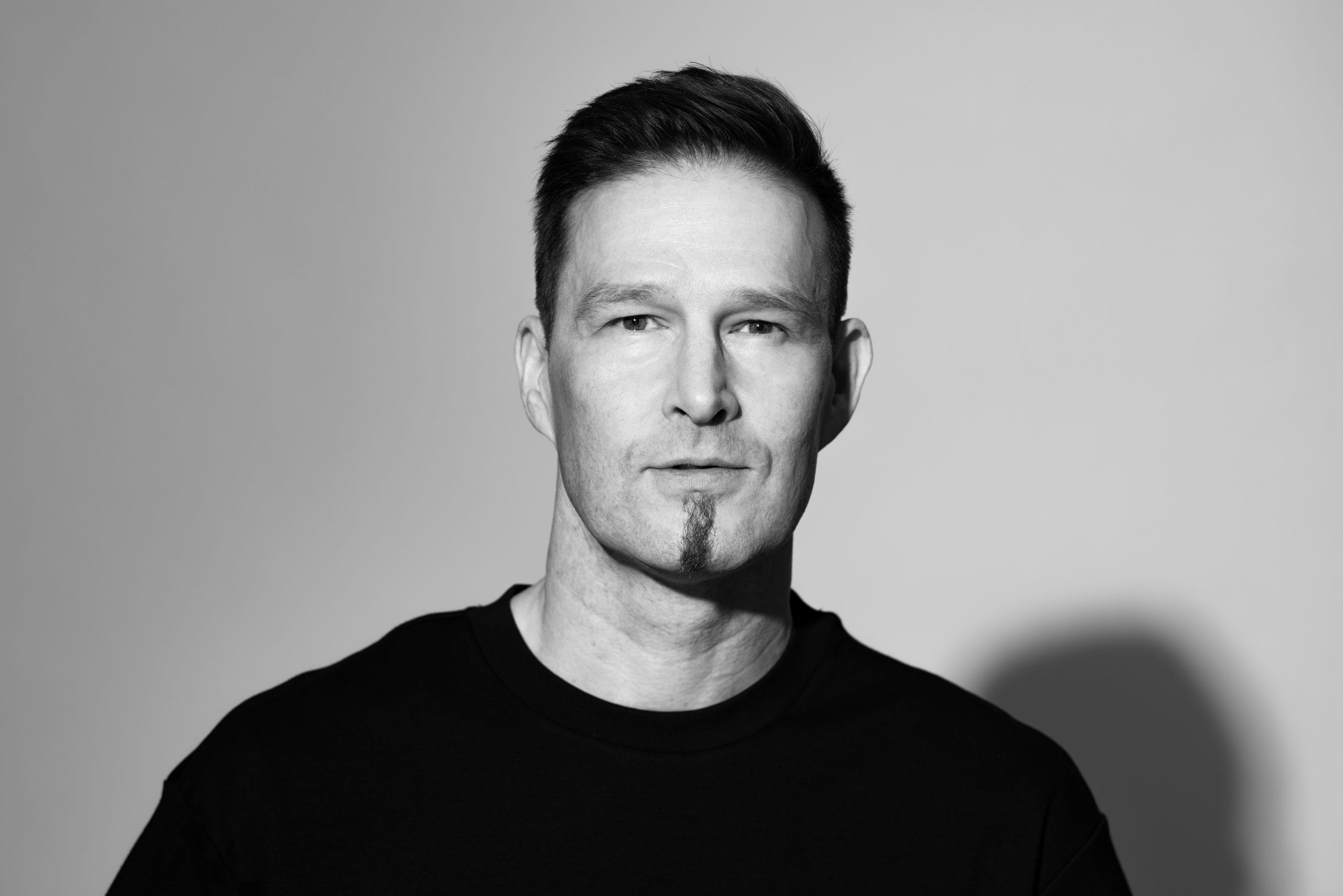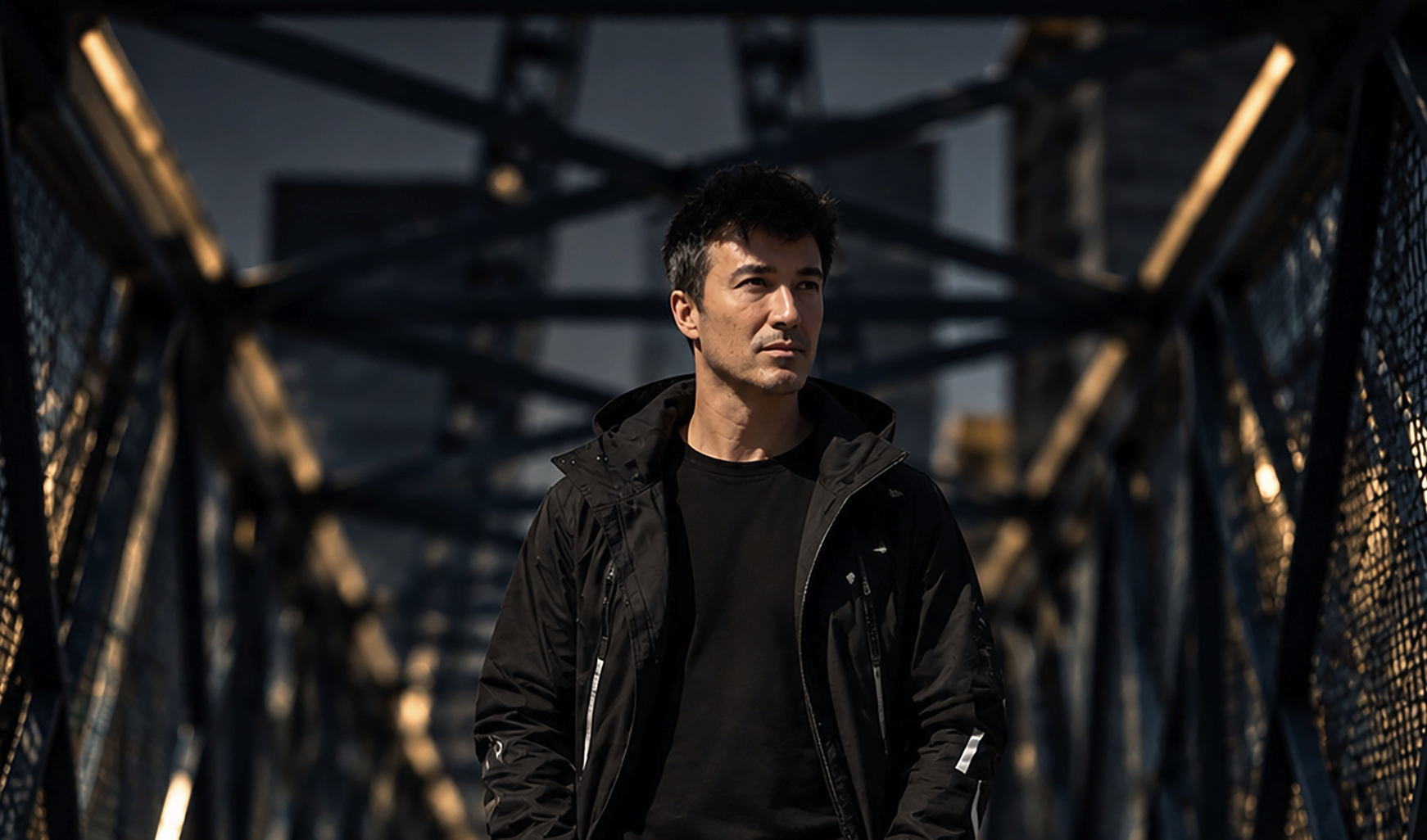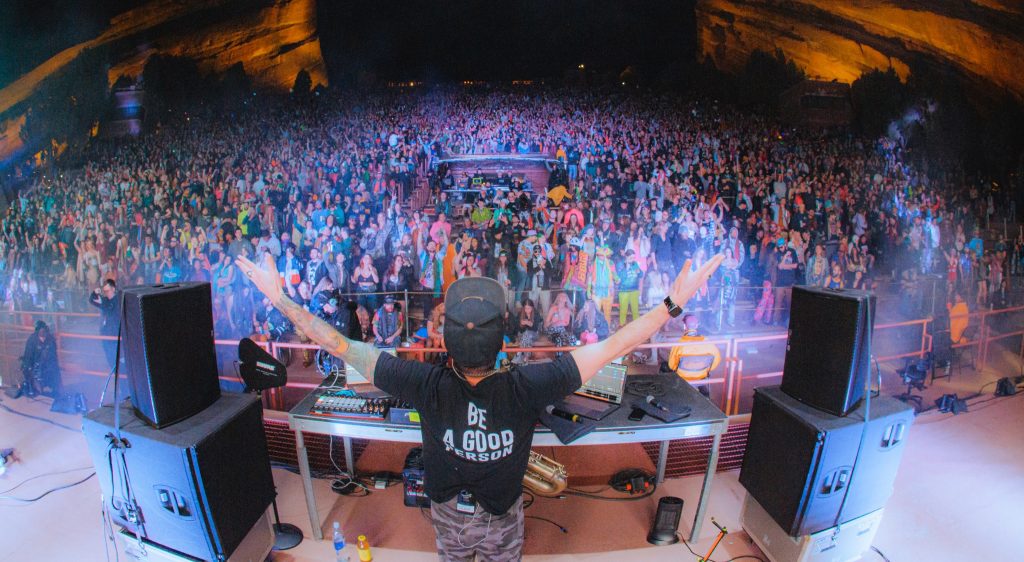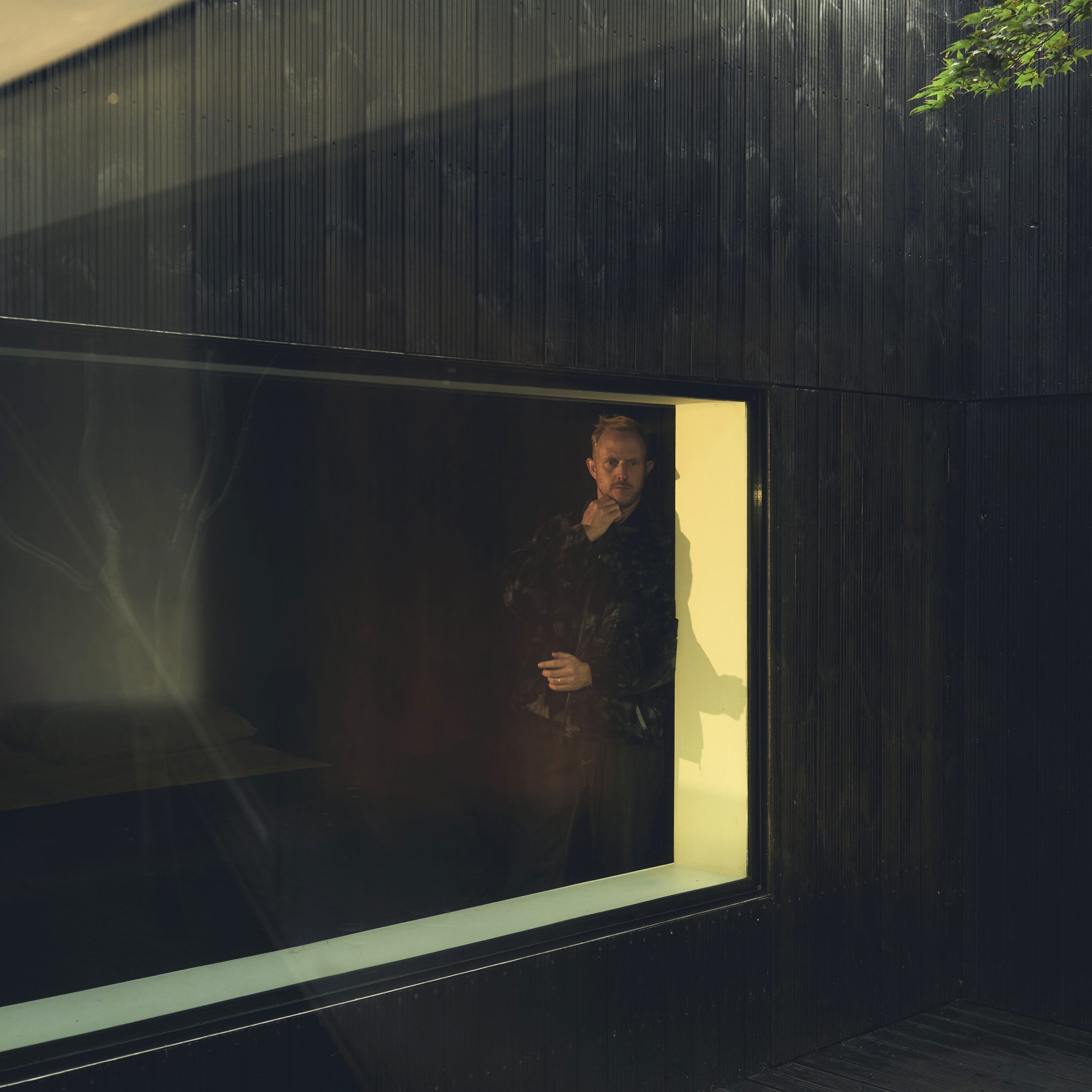
John Monkman’s (@johnmonkman) “Connected” arrives on Beesemyer Music after his Kompakt release “Trace,” and the title says a lot about where his head seems to be at the moment. The track sits in a deeper, more hypnotic lane, built around groove, repetition, and the kind of dancefloor feeling that only really makes sense once bodies are in the room.
Its starting point was not a grand melodic statement, but the way patterns and sequences began to talk to each other.
That detail feels important because Monkman has never sounded like an artist chasing a single fixed lane. House, techno, progressive, bass music, breaks, hardware-driven studio work, and big-room club pressure all appear somewhere in the way he thinks about records. With “Connected,” the melody emerged from the interaction between sounds rather than being written first, which gives the track a more physical read. It feels less composed from above and more discovered inside the machinery.
The release was also shaped by recent dancefloors at Bournemouth, Rainbow Spirit, and Explorations, which gives the title another layer.
Monkman has described the track as a response to the gap between lived experience and the version of life people see online, and in the interview below, he talks about connection, focused studio time, fatherhood, repetition, inspiration outside his usual lane, and why the more he understands himself as an artist, the less he feels the need to look elsewhere for answers.
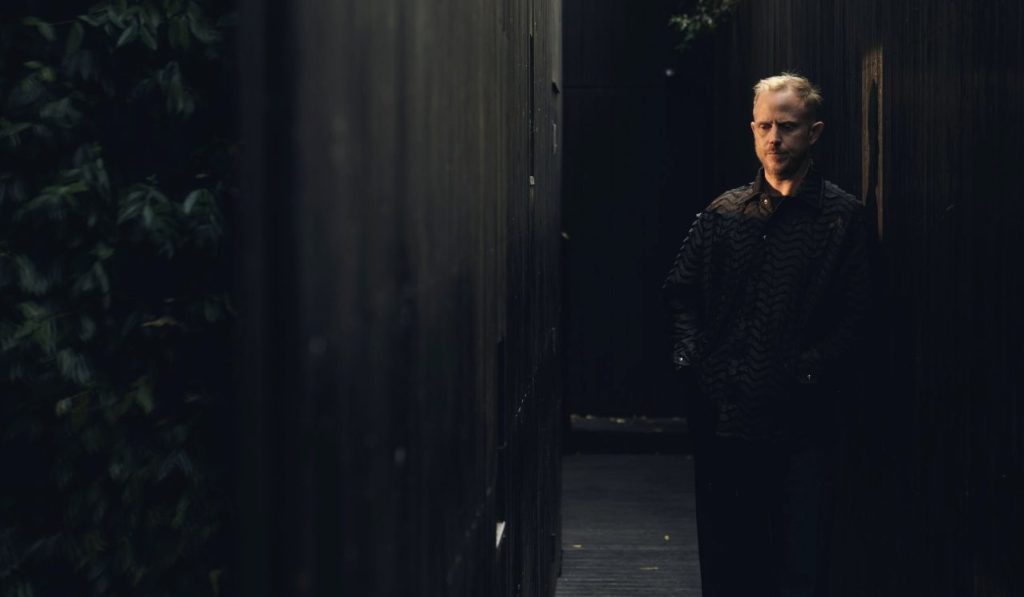
Interview With John Monkman
How have changes in your life outside the booth influenced the way you approach a set?
I think when it comes to my sets, the intention has always stayed the same. I want people to have fun, connect, lose themselves for a couple of hours and hopefully reach some kind of peak experience together. I love what 4/4 music does in that respect. There’s something about a great house or techno record locking a whole crowd together that I still find really powerful.
When I’m making music, that’s the intention in the back of my mind. I try not to overthink it though. I’ve found that when you chase those moments too hard, they rarely happen. The best ones tend to come naturally.
As you’ve grown, what habits have you refined or replaced in your creative process?
It’s funny because after doing this for so long, in many ways I’m still working the same way I did years ago, I’m just better at it. You get quicker at making decisions and better at executing ideas.
One thing that has changed is where I look for inspiration. I love the production values of techno, house and progressive, but I’m not always looking to those genres for the musical ideas. I get a lot of inspiration from bass music, breaks and other corners of electronic music, then bring those textures and ideas back into my own world.
I also like changing my environment. Sometimes I’ll work in the studio, sometimes on the sofa with headphones. Buying a new drum machine or piece of gear can also spark something. Little changes like that keep things fresh and stop the process becoming too predictable.
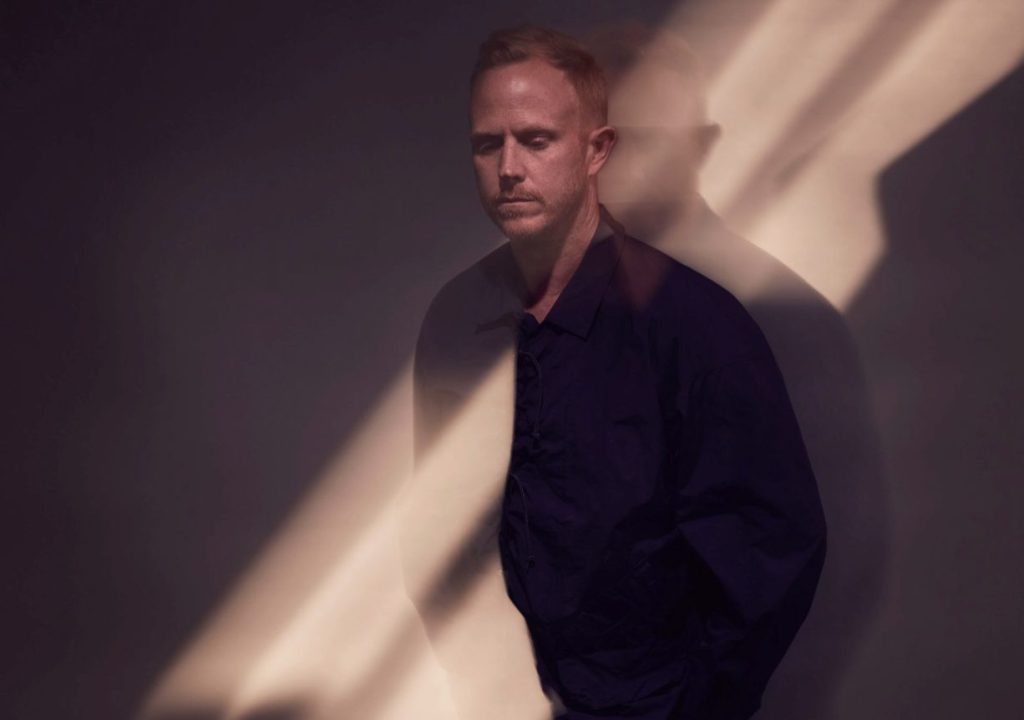
When you evolve as an artist, how do you stay aligned with your core identity?
I think that’s a constant journey. You’re always trying to understand who you are and what your place is creatively.
As I’ve got older, I’ve learnt to trust myself more. I don’t feel the same need to prove something every time I release music. Of course, I still want to surprise myself and keep raising the bar, but I’ve become a bit kinder to myself in the process.
The biggest lesson has been accepting that everyone has their own path. The more you compare yourself to other people, the harder it is to hear your own voice.
In what ways has your understanding of yourself as an artist shifted over time?
I think it’s simply about doubling down on yourself and trusting the process, which can be challenging. The more I’ve understood myself as an artist, the less I feel the need to look outside for answers. It’s really about paying attention to what genuinely excites you and following that.
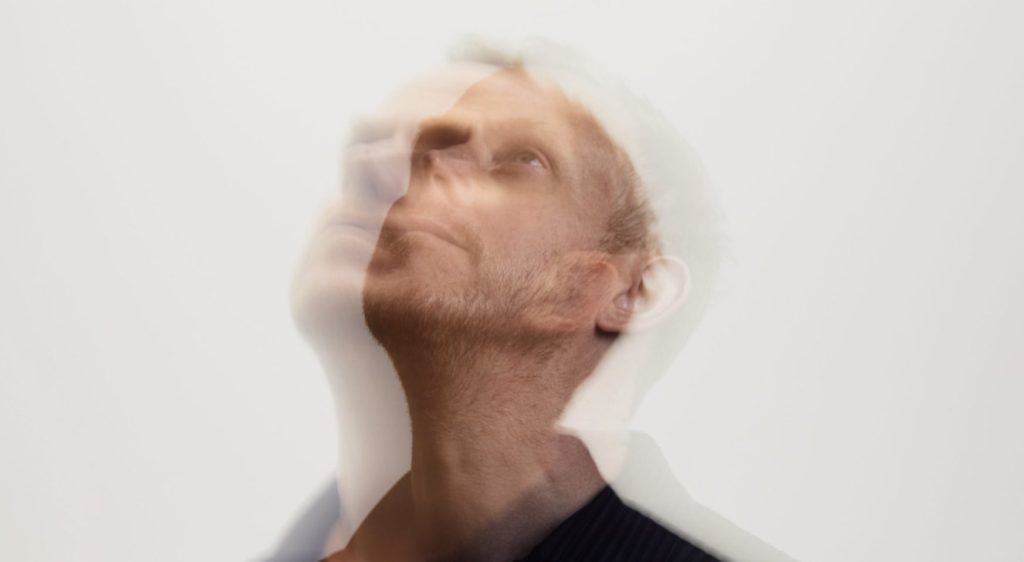
How do you structure your life now to sustain your work in music?
Having a son definitely changed the way I work. I have less time than I used to, but in some ways that’s been a positive. I drop my son at school, head to the studio and suddenly I’ve got four really focused hours to make something happen.
That constraint actually helps. Sometimes having four focused hours is far more productive than having a whole week.
Touring can still throw everything off, so these days I put a lot more value on routine. Training, eating well and spending focused time in the studio, those habits help me stay creative when life gets busy. Things never feel perfectly balanced, but I’ve learnt to adapt rather than fight against the different seasons that life throws at you.
Closing Thoughts
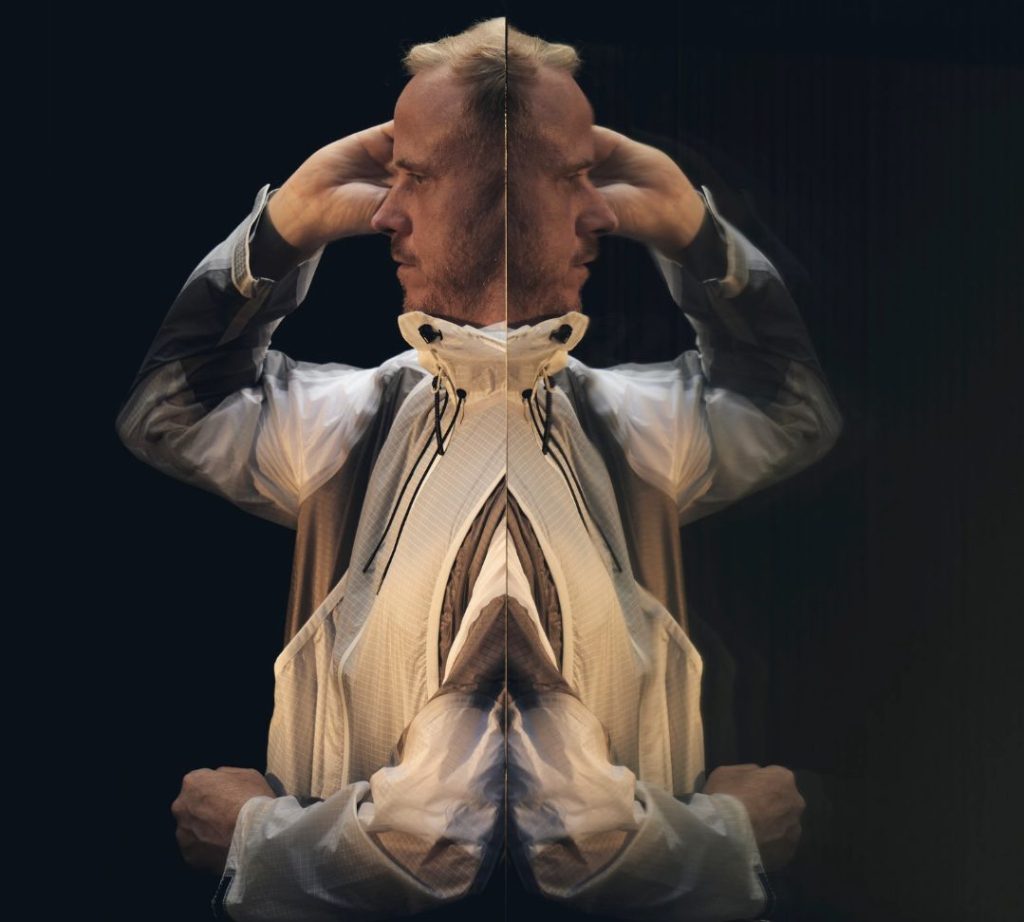
The most interesting thing about “Connected” is how closely its construction mirrors the title’s idea. Monkman is not describing a track that began with a clean melodic hook and later picked up club weight. He is breaking down a record built from patterns, sequences, testing, and recent dancefloors, where the melody appears because the sounds start interacting in the right way. That is a small distinction, but it says a lot about his current lane. Connection is not only the theme. It is the method.
That ties back neatly to my earlier John Monkman interview around his Vapour Records release, where clarity and connection were already central to how he was talking about music. “Connected” feels like a continuation of that same thought, but with a more direct club function. After “Trace” on Kompakt, this new release on Beesemyer Music keeps him in a deeper and more hypnotic space without making the record feel overly sealed off or cerebral. The track still seems to be chasing the room.
Monkman’s comments on 4/4 music also sit beside my Eli Brown interview on techno, tension, and why genre means less in the booth. Both conversations come back to the same physical truth: a great house or techno record can lock a room together in a way that feels almost irrational from the outside. Monkman is careful not to over-design that moment. He knows the peak experience is the goal, but he also knows chasing it too directly can make it disappear. The best club music leaves enough space for the room to finish the circuit.
The life-balance part of the interview adds another layer.
His answer about fatherhood, school drop-off, and four focused studio hours reminded me of my conversation with Max Chapman on fatherhood, burnout, and questioning his place in house music. Both artists get at something that does not fit neatly into the mythology of endless studio time. Less time can make the work sharper. Routine can make the creative decisions faster. Responsibility outside music can make the hours inside music feel more deliberate.
That is where “Connected” earns its larger read.
The title could easily point only to the dancefloor, but Monkman’s answers widen it: connection between sounds, connection between bodies in a room, connection between family life and focused work, connection between older habits and new inspiration. He is still working from the same instinct he has carried for years, but the frame around it has changed.
The result is a record that sounds like it came from someone who knows the point of repetition is not to stand still. It is to hold the room long enough for something human to happen inside it.

Will Vance is a professional music producer who has been involved in the industry for the better part of a decade and has been the managing editor at Magnetic Magazine since mid-2022. In that time period, he has published thousands of articles on music production, industry think pieces and educational articles about the music industry. Over the last decade as a professional music producer, Will Vance has also ran multiple successful and highly respected record labels in the industry, including Where The Heart Is Records as well as having launched a new label with a focus on community through Magnetic Magazine. When not running these labels or producing his own music, Vance is likely writing for other top industry sites like Waves or the Hyperbits Masterclass or working on his upcoming book on mindfulness in music production. On the rare chance he's not thinking about music production, he's probably running a game of Dungeons and Dragons with his friends which he has been the dungeon master for for many years.