BARELY ALIVE’s (@barelyalive) new Killed It! label (@killeditrecs) gets its first full-community statement with Killed It! Vol. 1, an 18-track compilation out August 7. The project brings together brostep veterans, established names, rising artists, and underground producers, with BARELY ALIVE and Cyclops opening the release on “WHATEVER HAPPENED TO DUBSTEP” and a wider roster that includes Smiles Only, Edison Cole, K1N, elden, Marcix, LOST FRIEND, sapphi, Ganimed, KING WORM, Shming, AUDIOWEAPON, Empty Stomach, rickster, SAMPLE BANDIT, Phaceless, altair, and Bizo.
That broader label launch feels connected to where BARELY ALIVE have been pushing the project over the past year. I wrote recently about how BARELY ALIVE’s 100% NO AI EP brought brostep back into focus without treating the sound like a nostalgia act, and before that, their “HANDS UP” release showed how much their modern dubstep still depends on big-room chaos, technical pressure, and festival-ready impact. Killed It! Vol. 1 builds on that same lane, but opens it outward, turning the label into a home for the next wave of artists carrying brostep into its next chapter.
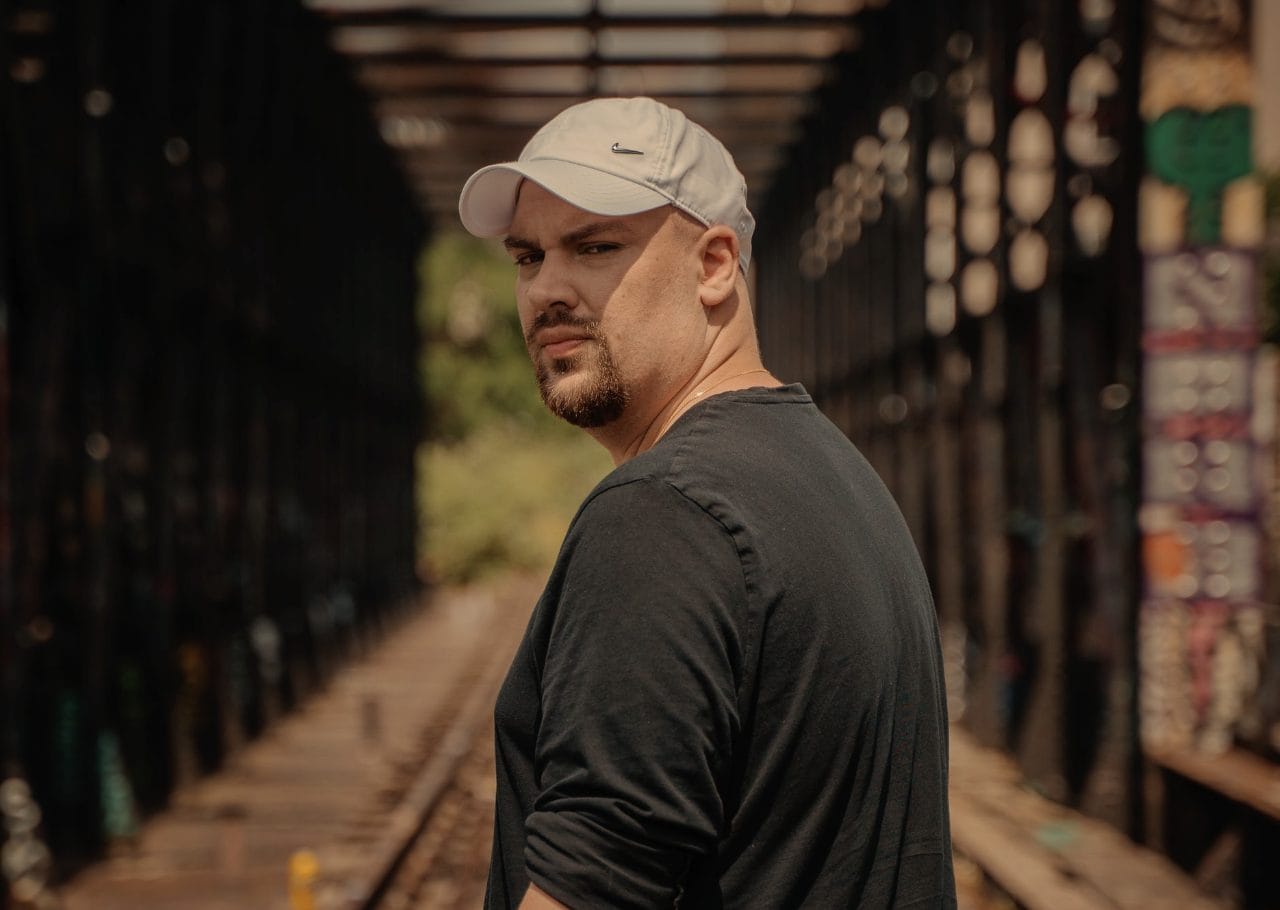
Bizo’s (@bizo_fr) “Good Times” is one of the records inside that larger statement.
The French producer brings piano-led emotion, heavy drops, and a clear affection for the genre’s golden-era energy, which makes his interview a natural fit for a conversation about set-building. In the Q&A below, Bizo talks about pacing, energy, surprise, crowd response, mistakes, and why a set only fully takes shape once the room starts pushing back.
Interview With Bizo
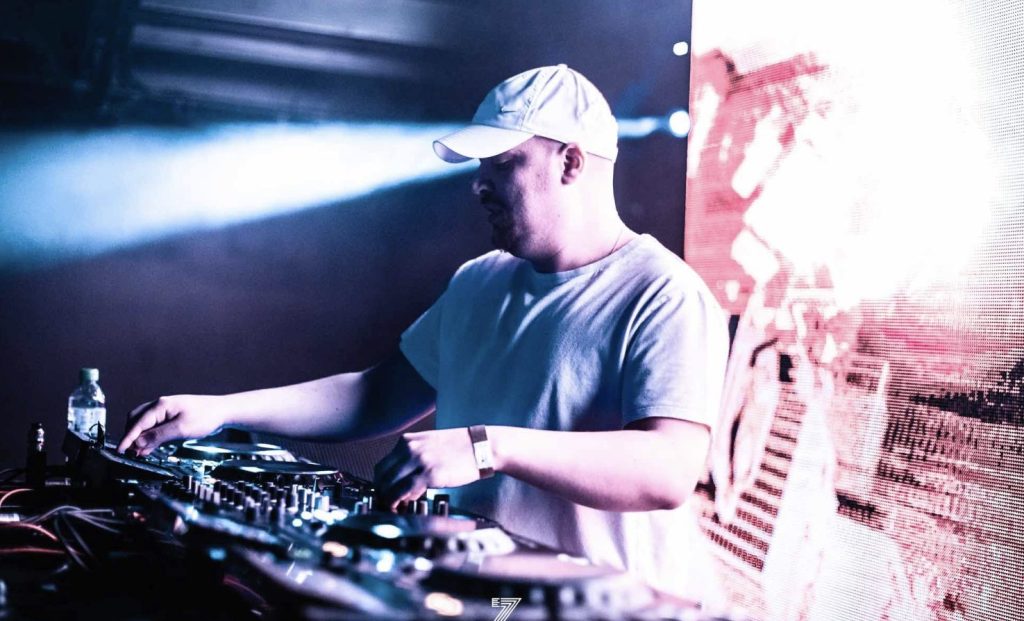
When you’re preparing a set, what elements are you thinking about most, mood, flow, energy?
Honestly, I am thinking about all three, but if I had to choose one, I would say energy. I love building a set around that. I generally try to start with an unreleased track of mine that can also work as an intro and convey the message, “Hi, I’m Bizo, and this is my sound.” Then, I gradually build up the energy until I reach a peak with something like a tearout dubstep track.
After that, I bring it back down with a deep 140 dubstep track and start building the energy again.
Do you consciously think about the shape of a night, or does it reveal itself as you play?
I am the kind of guy who takes things day by day and lives in the moment. Of course, sometimes I will think to myself that I hope the night goes a certain way, but most of the time, it doesn’t go exactly as planned. I might mess up a transition between tracks, or the sound might suddenly cut out, but that’s okay. I will grab the mic, laugh about it with the crowd, and then go bonkers again.
How do you approach pacing across a longer set?
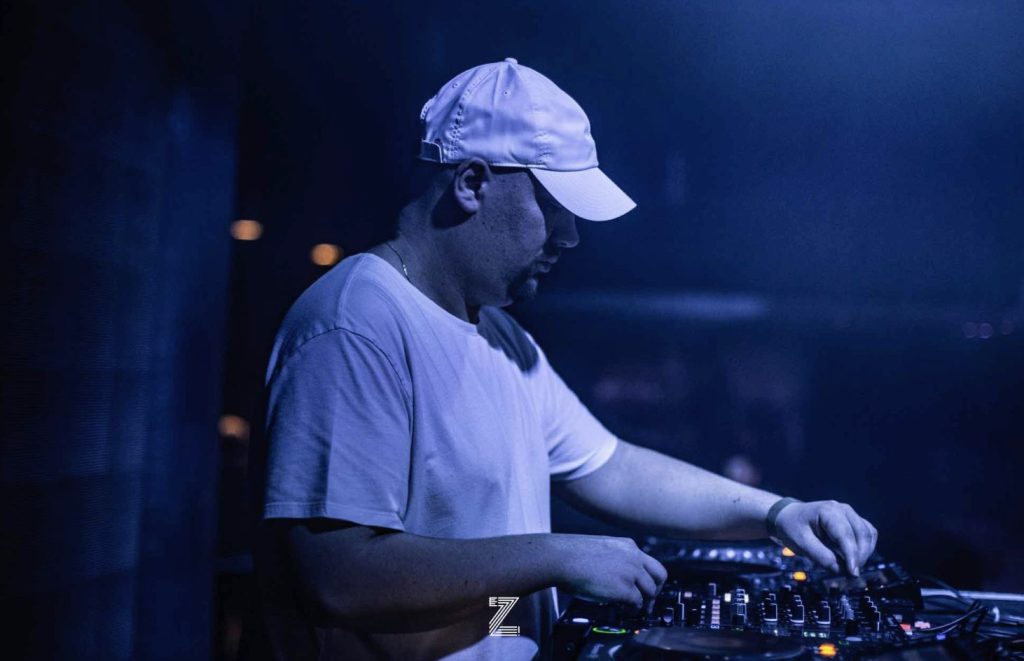
If we are talking about sets longer than an hour, I haven’t actually had the chance to play one yet.
But if I had to plan one today, I would take flow and mood more into consideration. I’d have a longer section of softer tracks to let the crowd breathe a little and then gradually bring the energy back up again.
Do you usually anchor a set around a few key records, or build it more intuitively?
Well, the few key records I have typically get played around the same point in my sets.
I also have a few tracks that work really well after certain songs, but that’s usually until I get tired of playing them in that spot and decide to switch things up for the next few sets. The rest of the set is built more intuitively: trying new transitions, playing tracks I dug up a few days earlier, or testing new unreleased songs from friends, until I have a finished product that feels cohesive and is fun to play.
What helps you weave in surprise without losing coherence?
I like to surprise people with unexpected tracks, sudden switches, or custom edits, but I always make sure there is something connecting them, whether it’s the energy, the rhythm, or the overall sound.
The surprise should catch people off guard, but once it happens, it should still make sense. Sometimes it works, and sometimes it doesn’t, but that’s part of the fun.
Can you recall a night when everything unfolded exactly as you envisioned?
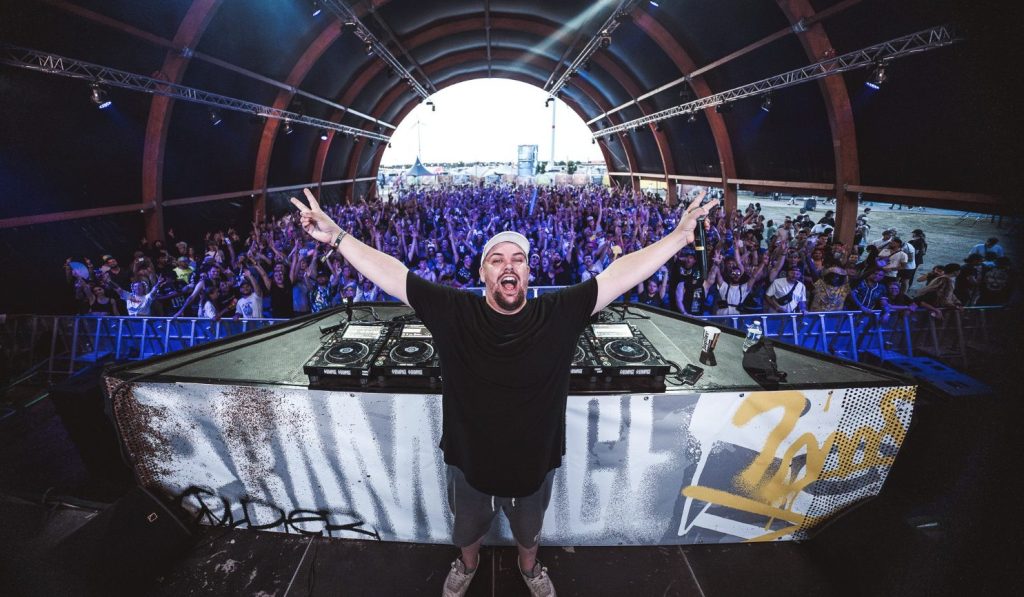
Not really, to be honest.
There have been nights when I thought my set wasn’t the greatest, or when I messed up a transition, but the energy was still off the charts. Then there have been other nights when the exact opposite happened: I thought my set was going really well, and then suddenly I played that one track that didn’t get the reaction I expected. But again, that’s okay. I will play something else and try to bring the energy back up. That unpredictability is what makes it fun and why I love playing sets.
How much of that arc is planned, and how much emerges in the room?
It’s 50/50.
I like planning what I’m going to play and making sure every transition fits, but sometimes I’ll be rehearsing the set the day before the gig and suddenly find something that works better on the spot than anything I spent hours trying to figure out in Rekordbox.
Even while playing in front of the crowd, I might do an unplanned transition or play a track that wasn’t originally in the playlist and think, “Wait… this is actually better.” Is the crowd going to notice? Maybe not. If they’re having fun, I’m going to have fun too, no matter what happens behind the decks.
Closing Thoughts After Our Chat With Bizo
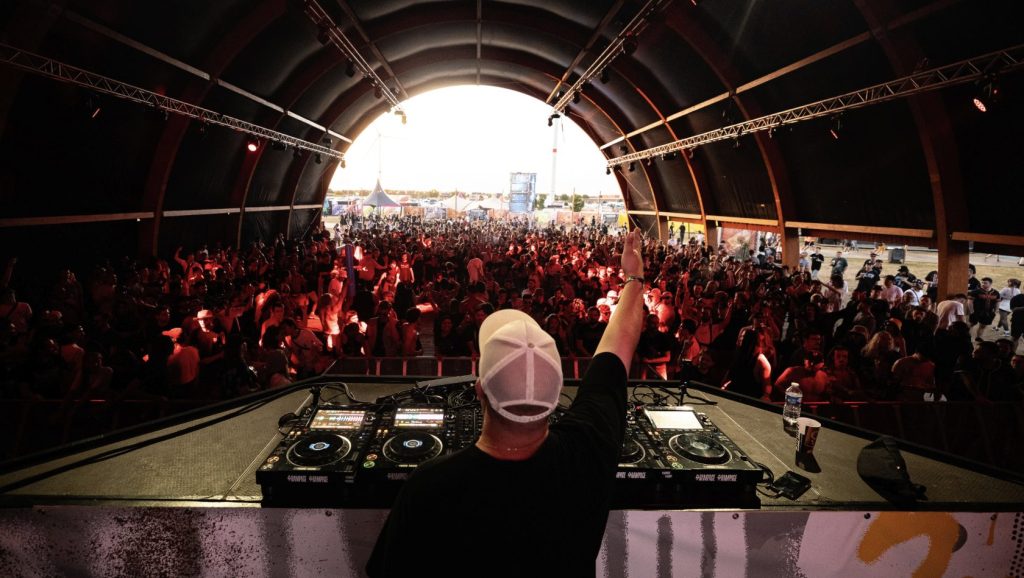
Bizo’s answers bring out one of the less polished parts of DJing that people rarely talk about with enough honesty: a set can be planned, rehearsed, and shaped around key records, but the night still has the final vote. A transition can slip.
The sound can cut out.
A track that looked perfect in Rekordbox can land softer than expected.
His reaction to that is what makes the interview work. He laughs, grabs the mic, moves on, and keeps the crowd with him. That is not a failure of preparation. That is part of the job.
That hits with a few recent bass music conversations on the site that approached DJing from different angles. In my interview with INFEKT around ORGANIC DUBSTEP, the focus was on maintaining a personal language inside a very specific corner of dubstep. In my conversation with ONARA about SoundCloud digging and modern riddim, the set was tied to discovery, private sends, and the underground circulation that keeps the scene from flattening out. Bizo sits between those ideas here.
He has records that anchor the set, but he is also leaving enough room for new finds, friends’ unreleased music, and instinct to change the shape of the night.
That matters even more inside the context of Killed It! Vol. 1. Brostep has always lived on impact, but a compilation like this only works if impact is treated as a starting point rather than the whole idea. BARELY ALIVE are using Killed It! to give the genre a dedicated home again, and Bizo’s answers show what the next generation can add to that space: humor when things go wrong, flexibility when the room asks for something else, and enough respect for energy arcs to let the crowd breathe before throwing them back into the fire.
The takeaway is simple: heavy music still needs storytelling, even when the story is told in growls, edits, mistakes, and the moment a room suddenly decides to go off.

Will Vance is a professional music producer who has been involved in the industry for the better part of a decade and has been the managing editor at Magnetic Magazine since mid-2022. In that time period, he has published thousands of articles on music production, industry think pieces and educational articles about the music industry. Over the last decade as a professional music producer, Will Vance has also ran multiple successful and highly respected record labels in the industry, including Where The Heart Is Records as well as having launched a new label with a focus on community through Magnetic Magazine. When not running these labels or producing his own music, Vance is likely writing for other top industry sites like Waves or the Hyperbits Masterclass or working on his upcoming book on mindfulness in music production. On the rare chance he's not thinking about music production, he's probably running a game of Dungeons and Dragons with his friends which he has been the dungeon master for for many years.