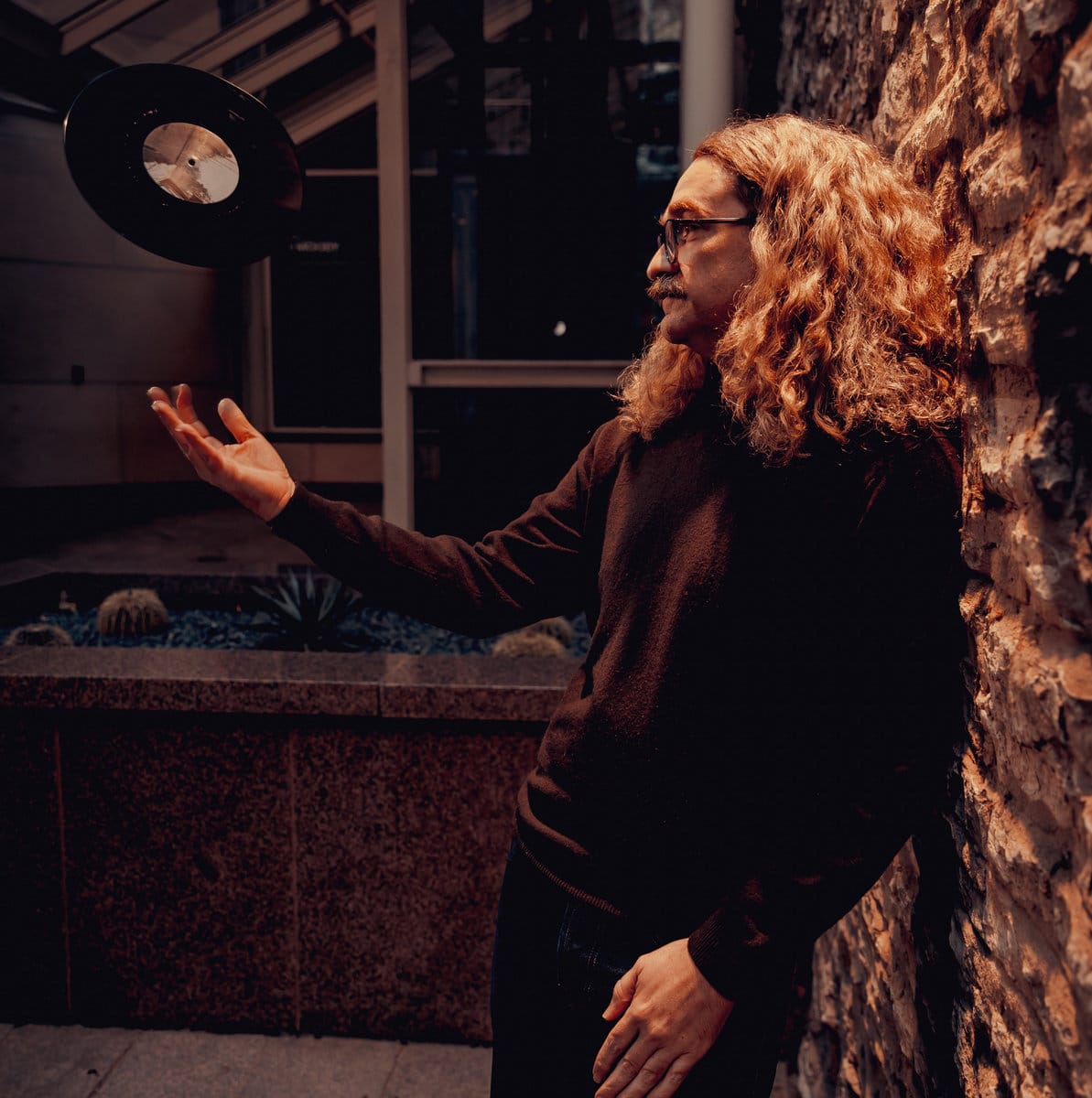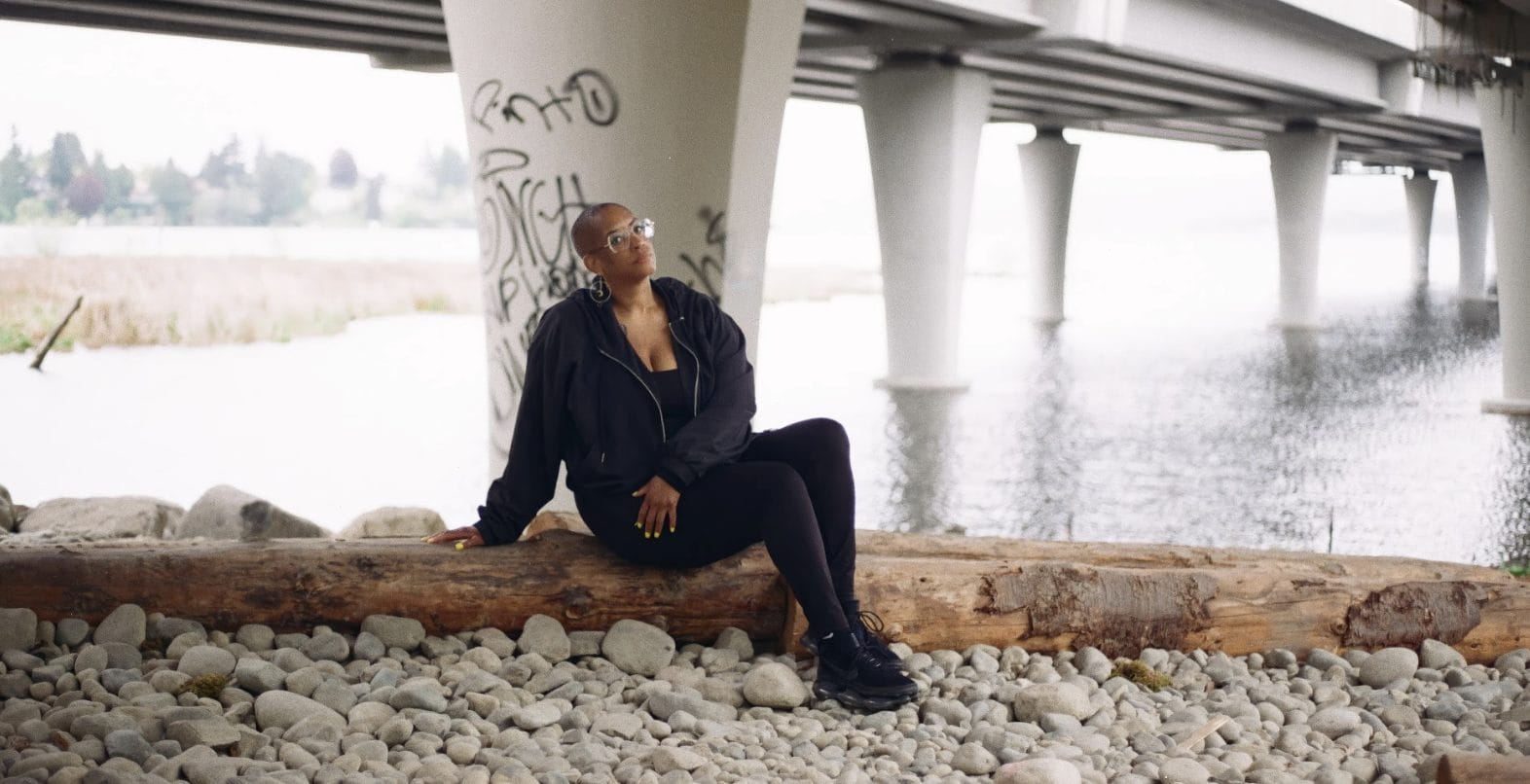
XELTA make their debut on Bézier’s Body Tension / Körperspannung Records with B.D.S.M., a five-track EP built around electro, industrial pressure, EBM, and body music as something physical and confrontational.
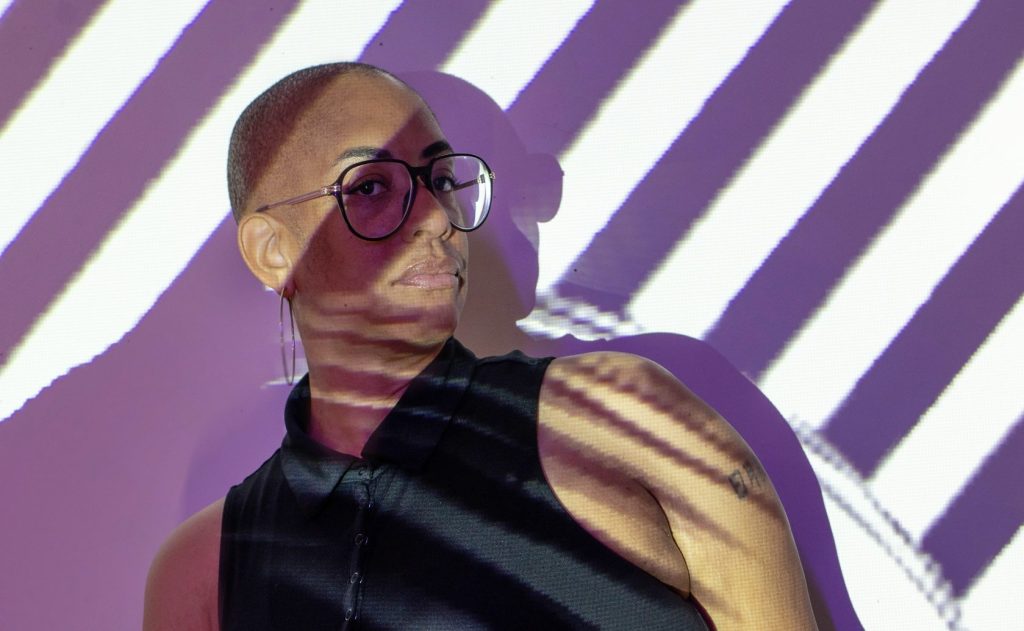
The project brings together New York producer and composer Bruno Coviello and Seattle DJ, tastemaker, and KEXP host Sharlese Metcalf, whose spoken commands become a central part of the record’s identity. Out now as the Berlin-based label’s fifth release, B.D.S.M. treats rhythm, control, and power exchange as musical material.
The collaboration makes sense because both artists have spent years circling tension from different angles. Coviello’s work across dance music, soundtrack composition, Bliscord, and Brother Bruno has long dealt with desire, authority, and futuristic club pressure, while Metcalf has spent nearly two decades shaping underground listening culture through KEXP’s Mechanical Breakdown, Seattle’s Audiodrome, and DJ sets at venues including Nowadays, Tresor, and Panorama Bar.
On B.D.S.M., those backgrounds meet in music that feels commanded from the body upward.
In the interview below, XELTA talk about AI, generative tools, hands-on making, and what happens when technology starts making too many decisions before the artist has touched the work themselves.
Their answers are short, pointed, and tied closely to the language of the EP itself: trust your body, touch your body, stay paranoid, and use the tools that still leave the human part intact. For a record built around physicality, consent, and control, that tension between tool and body feels especially fitting.
Interview with XELTA
What part of an artist’s work loses something when it gets outsourced too early to generative plugins and tools like MIDI generators or AI, even if these feel like useful tools?
The soul itself gets outsourced when you’re relying on AI for all that human touch. There is no substitute for taste and distinction or poetry for that matter. Musical context and our shared backgrounds are very important to us.
They define all that we do as a group.
XELTA is very interested in where electro meets the body in music. When you listen to our song ‘MYY KONTROLL,’ the lyrics “trust your body, touch your body” – we want people to know behind the machine there’s a heartbeat at the core of what we do.
As production tools keep getting faster and smarter, what do you think separates a finished record from one that actually carries the artist’s point of view?
The time from when an idea surfaces in the brain to the point you sit in front of the workspace, productions become immediate. In the past, electronic music productions were more manual, with fewer shortcuts and automation tools. But built in the process is an immediacy not accessed through playing instruments alone. Technology is always speeding us towards the future. Today, after several decades of evolution with how artists interact with the systems, the outcome exposes itself faster. This gives us more space to consider if the production is enough or needs more work.
We always have a few versions of a track laying about that ends up going around, especially when you’re waiting for mixes and needing feedback from other producers.
There is a loop between a diverse set of ears that helps form the identity of a track. We then take the tracks out to different settings from the home to the club before settling on a mix to be sure it really hits on actual sound systems. As we’re also DJs receiving demos, we’re always asked for feedback. And if it sounds good, then full support – we get excited for the finished product. An artist’s essence and POV can really shine through the demo.
Where do you think convenience starts to blur the line between helping an artist move faster and making too many decisions on their behalf?
With creativity there always needs to be a balance of ease and tension. Ease – as in the ideas flow, but tension where the work needs to start manifesting. If ideas and decision making become all too easy, the result is an unfiltered mess. Writing entire songs to the tune of a popular mainstream hit may in some cases have its moment but it won’t last and probably live out its lifespan as a novelty act rather than anything of substance.
In ‘B.D.S.M.’ we say “My kiss will be my weapon” – the personal, human touch, gives way to something tangible, authentic and lasting that strikes through the hearts and minds of all things that feel.
Which parts of making music still need to stay hands-on because they build the ear, judgment, and instincts that an artist relies on over time?
We love anything that is hands-on. Our music is meant to stimulate your instincts.
How can artists stay open to new technology without letting the tools quietly train their taste for them?
I think we have to be wary of new technologies that seek to control our output. In XELTA, we welcome you to stay paranoid while embracing the tools that you feel work for you. XELTA loves to play with soft synths and hardware.

Will Vance is a professional music producer who has been involved in the industry for the better part of a decade and has been the managing editor at Magnetic Magazine since mid-2022. In that time period, he has published thousands of articles on music production, industry think pieces and educational articles about the music industry. Over the last decade as a professional music producer, Will Vance has also ran multiple successful and highly respected record labels in the industry, including Where The Heart Is Records as well as having launched a new label with a focus on community through Magnetic Magazine. When not running these labels or producing his own music, Vance is likely writing for other top industry sites like Waves or the Hyperbits Masterclass or working on his upcoming book on mindfulness in music production. On the rare chance he's not thinking about music production, he's probably running a game of Dungeons and Dragons with his friends which he has been the dungeon master for for many years.