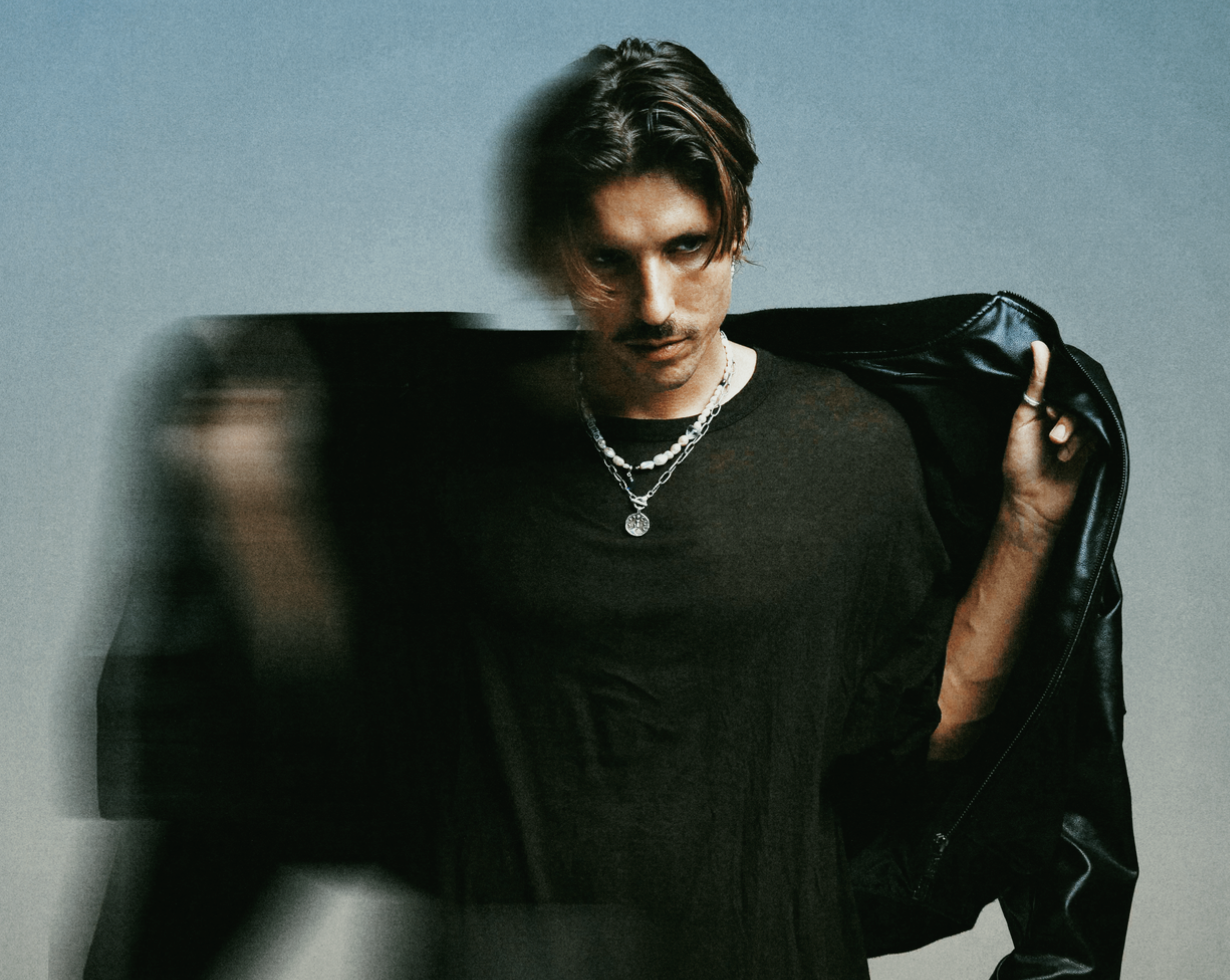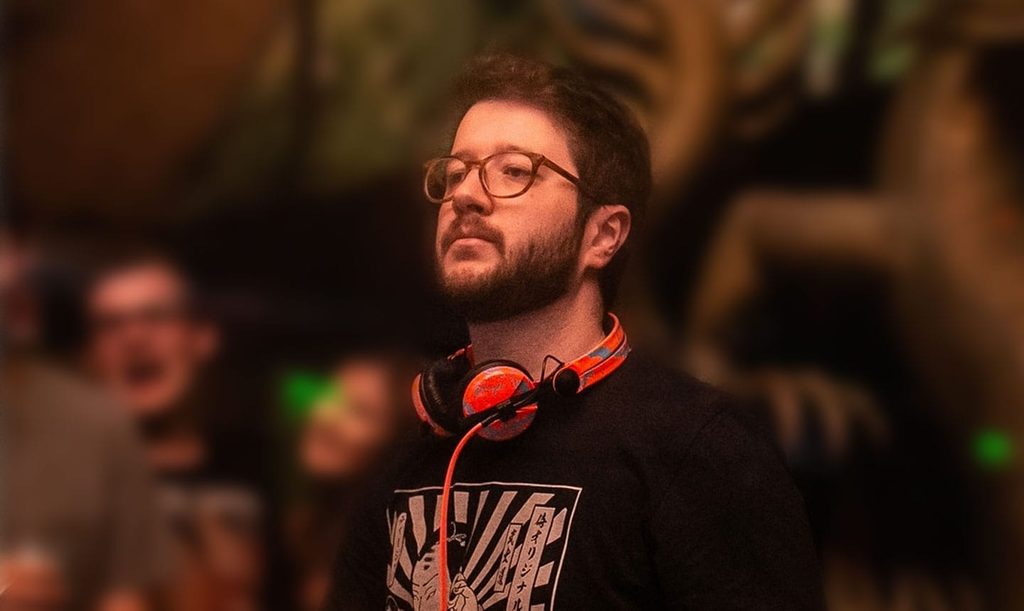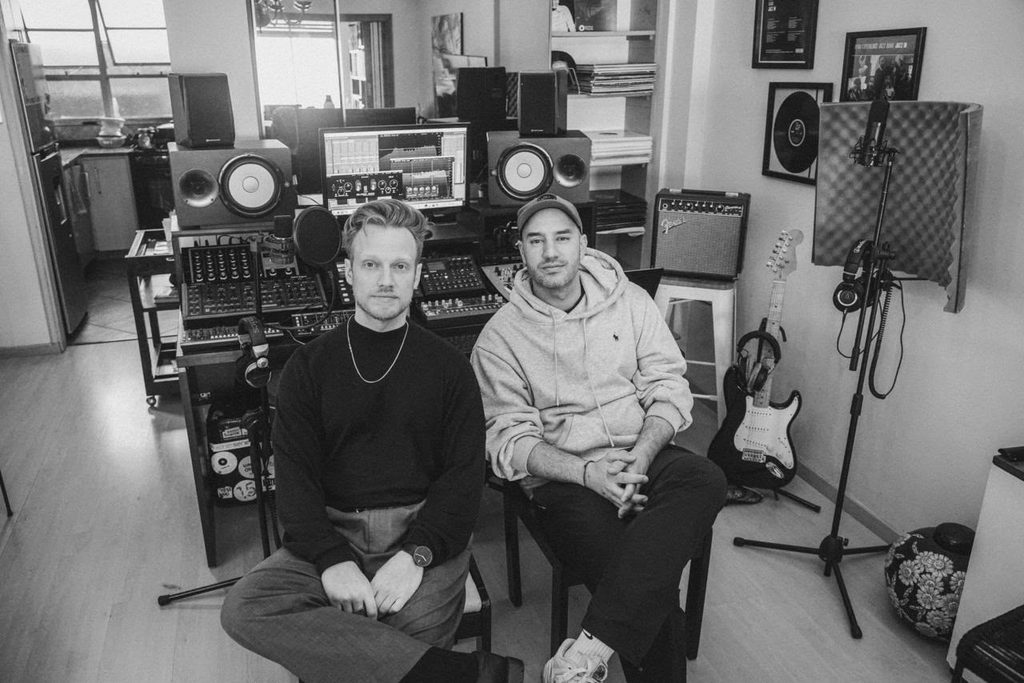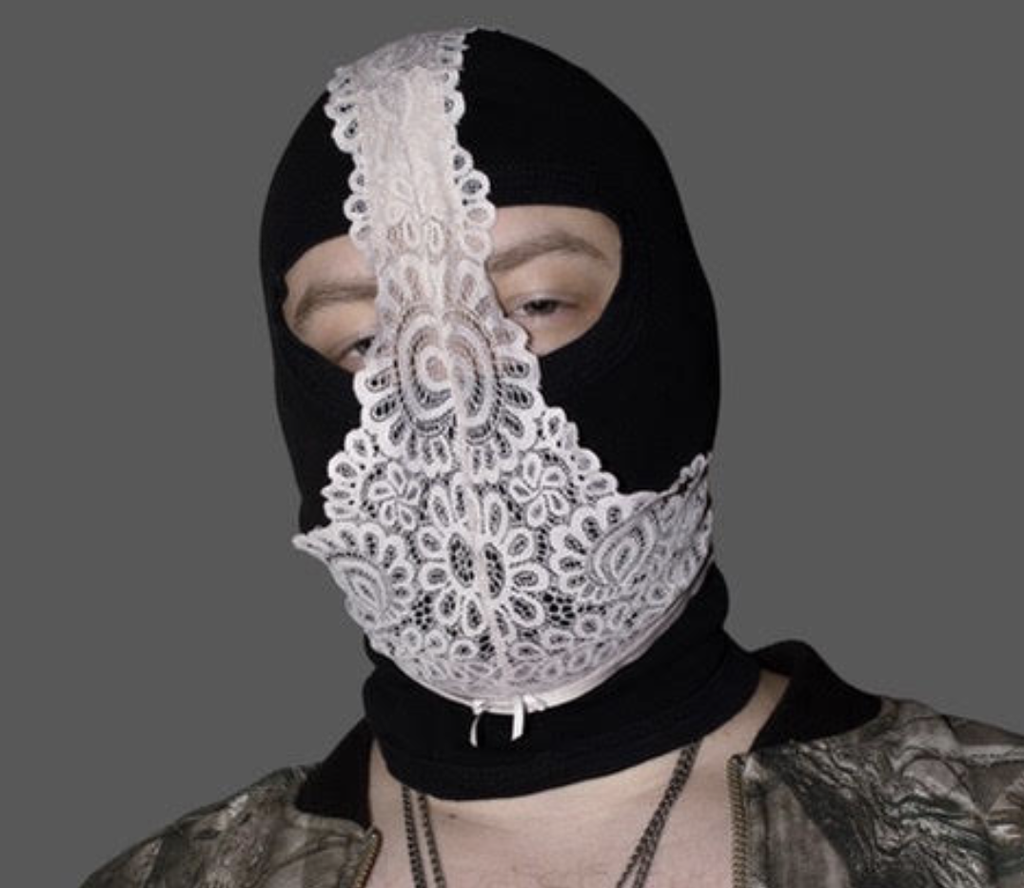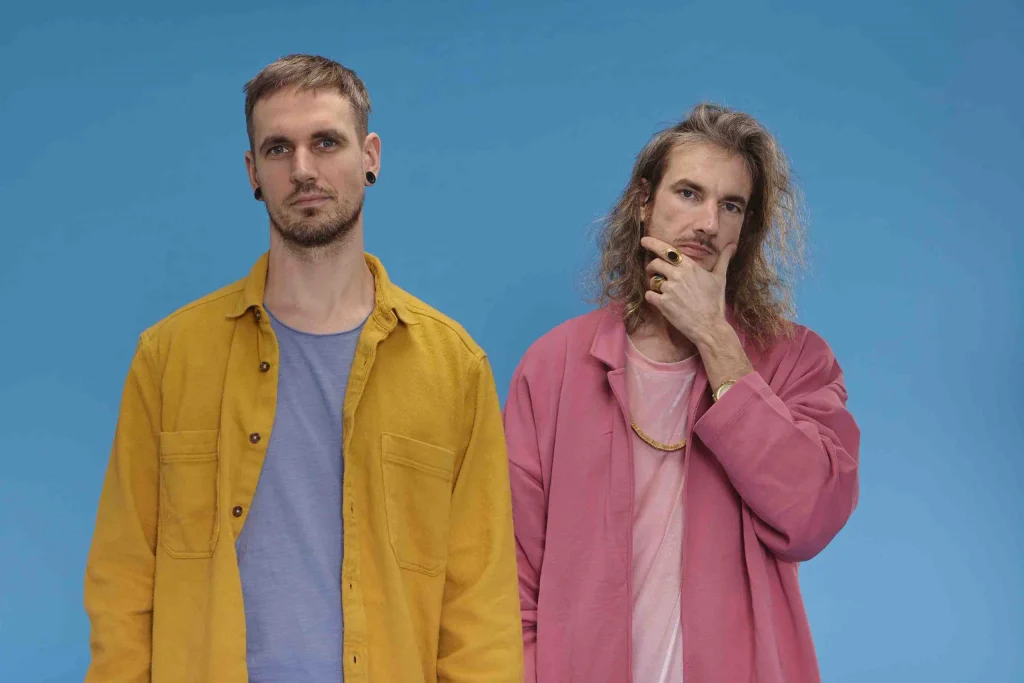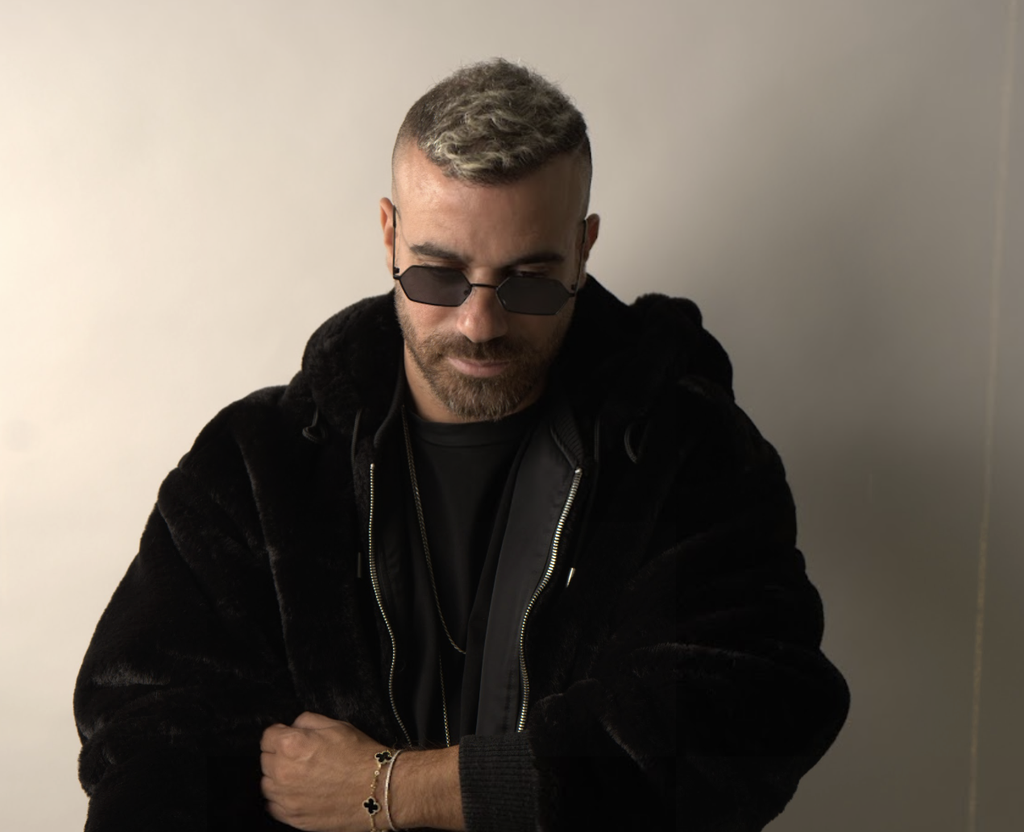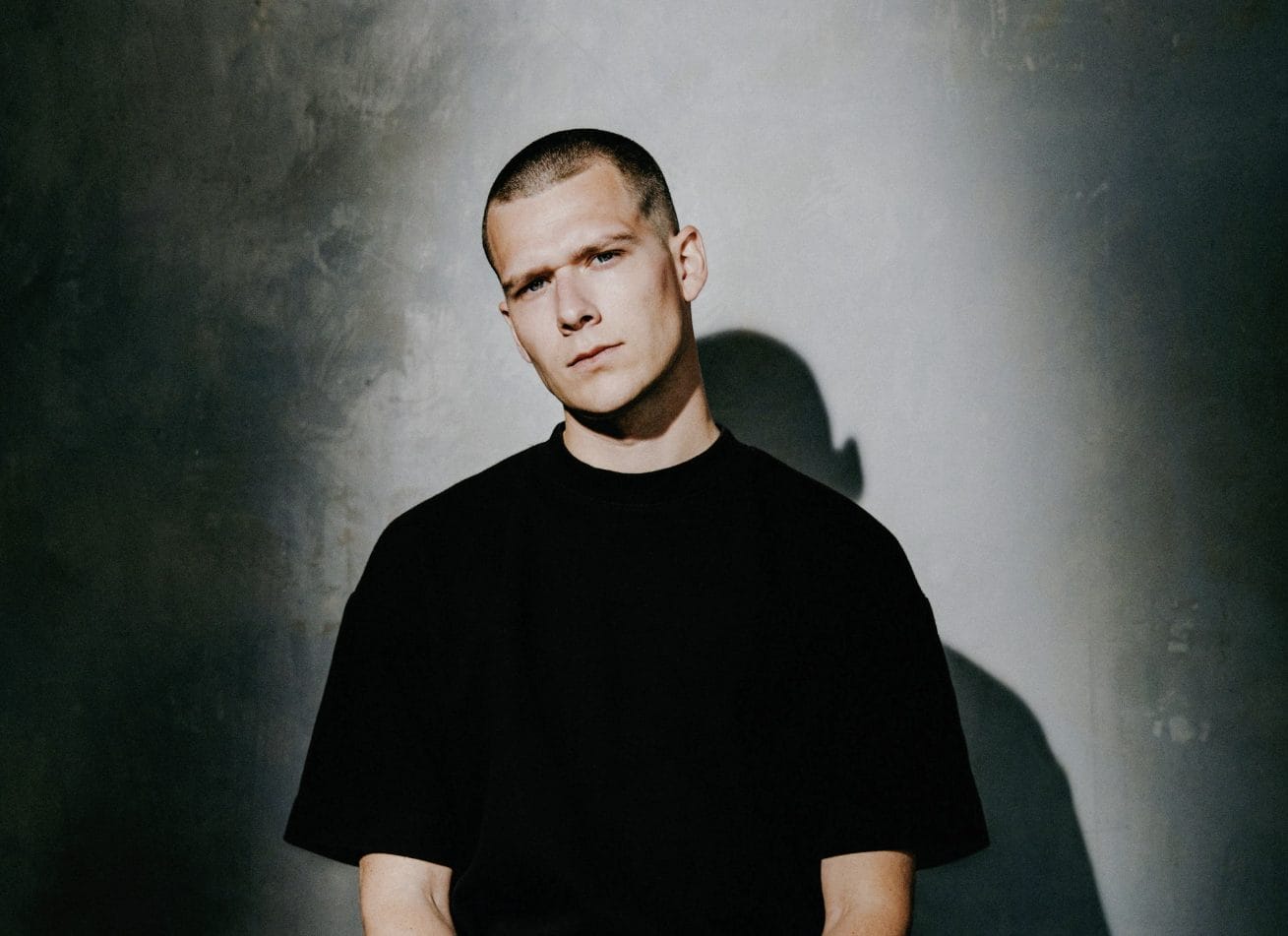
Rob Stillekens (@robstillekens) returns to Sound D’Elite with Your Body, a two-track EP, and his first solo outing on the label after 2024’s collaborative I Feel It EP with Murphy’s Law. The Tilburg producer has been building steady momentum across the international circuit, with appearances at Mysteryland Festival, Free Your Mind Festival, and Hï Ibiza, while his releases have reached labels including Deeperfect, Altra Moda, and LTF Records. That background gives Your Body a clear club purpose without making it feel overworked.
The release opens with “Your Body (Bang, Bang),” a rolling, vocal-led cut built around crisp percussion, heavy kicks, and a groove that keeps pushing forward without crowding the track. On the flip, “Twisted Up” moves into a more hypnotic lane, using cosmic stabs, shimmering melodic details, and playful vocals to build toward a sharper payoff.
Across both tracks, Stillekens keeps the focus on movement, connection, and the kind of restraint that makes a record easier for DJs to actually use.
In the interview below, Stillekens talks about DJ culture in 2026, returning to music when burnout creeps in, why smaller rooms and longer sets help him reconnect with DJing, and how comfort behind the decks changed his relationship with the craft.
His answers keep coming back to one idea: DJing starts with listening. Before the gigs, the releases, or the pressure around career momentum, it begins with discovering music that means something and wanting to share it with other people.
Interview With Rob Stillekens

What draws you back to DJing during quieter moments in your career or when you start getting burnt out?
Whenever I do not feel it anymore like I used to, I just go back to listening to music. That is the foundation of everything for me.
Before the gigs, before DJing, it was all about discovering music. I think that is how it starts for all of us. We find music we connect with, and then we want to share it.
Going back to that always brings the passion back.
When you want to reconnect with the ethos of what DJing as an art form truly is, what helps you return to that place?
For me, smaller venues and longer sets are the best way to reconnect with the true essence of DJing.
They give you the time and space to let the night unfold naturally instead of trying to fit everything into a 60 or 90-minute set. Long afterparties have that same feeling.
That is when you can really take people through the night and play the records that do not always make it into festival sets. Those moments remind me that DJing is about storytelling, discovery, and creating a shared experience through music.
Have there been periods where your relationship with the craft changed in a truly meaningful way?
Yes, definitely. From the point where I became completely comfortable with my equipment.
Once everything became second nature, I was not thinking about the technical side anymore and could focus entirely on the music and the crowd. That is when I really noticed how much control you can have over a room. Even the smallest adjustments can completely change the energy on the dancefloor.
Reaching that point gave me a lot more confidence behind the decks. It also helped me let go of some of the perfectionism I used to carry into every set.
Instead of worrying about every detail, I could be more present in the moment and trust my instincts. I think people can feel that from a mile away. When you are relaxed and enjoying yourself, that energy naturally translates to the dancefloor.
Do you notice a shift in how you play when there is no pressure and the stakes are low, and the focus is purely on connection, curation, and the overall vibe of the room?
When the pressure is gone, everything feels more natural. Instead of trying to deliver the perfect set, it becomes a conversation with the crowd.
You are reading their energy, responding to it, and letting the night unfold. That is where the deepest connection happens.
It is also why I love longer sets. In 60 minutes, it is hard to create that same feeling because there simply is not enough time. With a longer set, you can let the music breathe, build the atmosphere naturally, and really take people somewhere.
At this stage in your career, how do you define success?
For me, success is not defined by the money you make, the parties you play, or the labels you release on. It is about becoming the artist you want to be and staying true to that.
I still feel like I have a long way to go, and I think that is a good thing because it keeps me motivated to keep learning and improving.
At the same time, when I look back, I have already achieved things that my younger self would never have imagined. That is something I am really grateful for.
I am happy with the people I get to work with, the opportunities music has given me, and the person it has helped me become.
So if I had to define success, I would say it is being able to do what you love, keep growing, and genuinely enjoy the path you are on.

Will Vance is a professional music producer who has been involved in the industry for the better part of a decade and has been the managing editor at Magnetic Magazine since mid-2022. In that time period, he has published thousands of articles on music production, industry think pieces and educational articles about the music industry. Over the last decade as a professional music producer, Will Vance has also ran multiple successful and highly respected record labels in the industry, including Where The Heart Is Records as well as having launched a new label with a focus on community through Magnetic Magazine. When not running these labels or producing his own music, Vance is likely writing for other top industry sites like Waves or the Hyperbits Masterclass or working on his upcoming book on mindfulness in music production. On the rare chance he's not thinking about music production, he's probably running a game of Dungeons and Dragons with his friends which he has been the dungeon master for for many years.