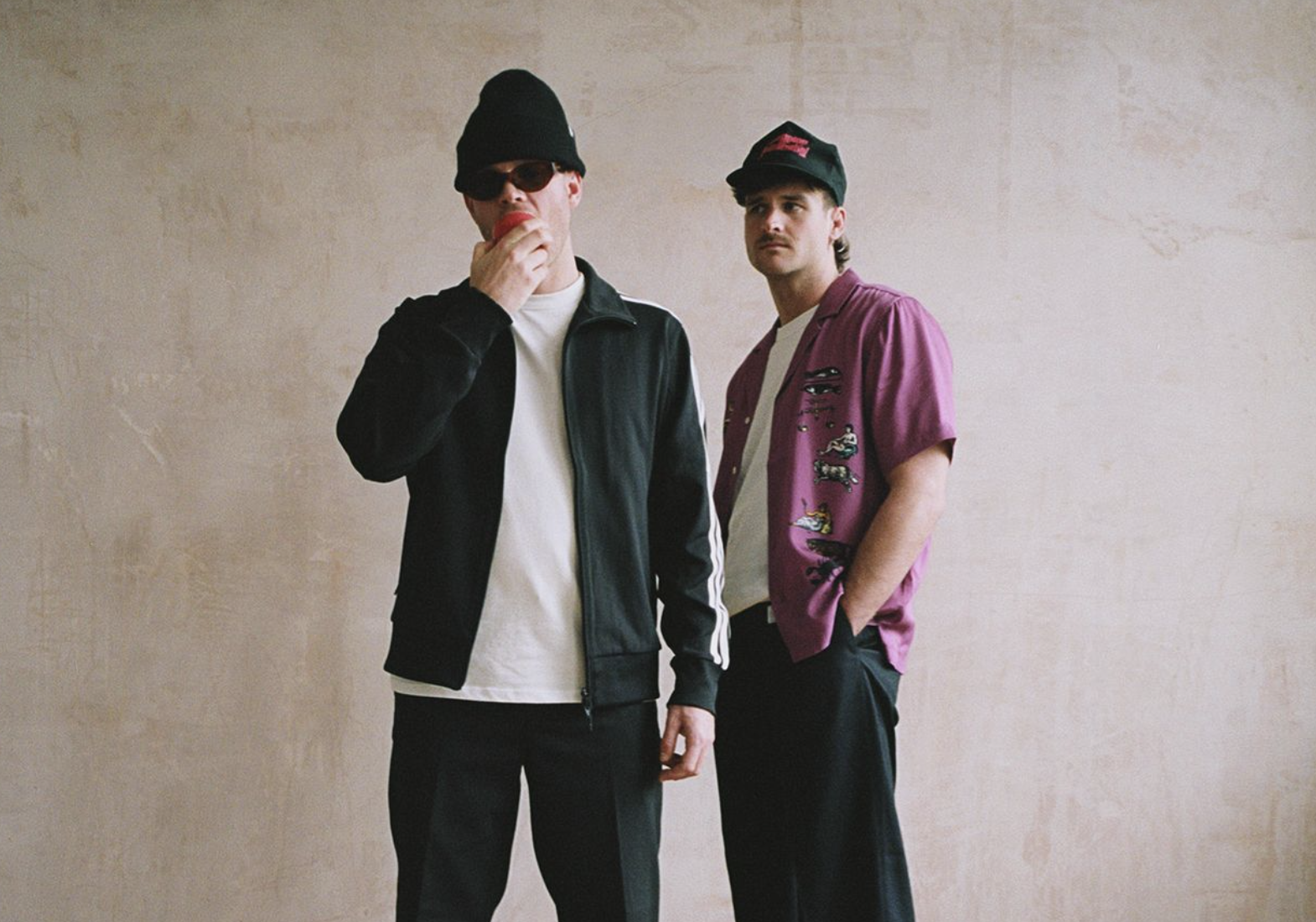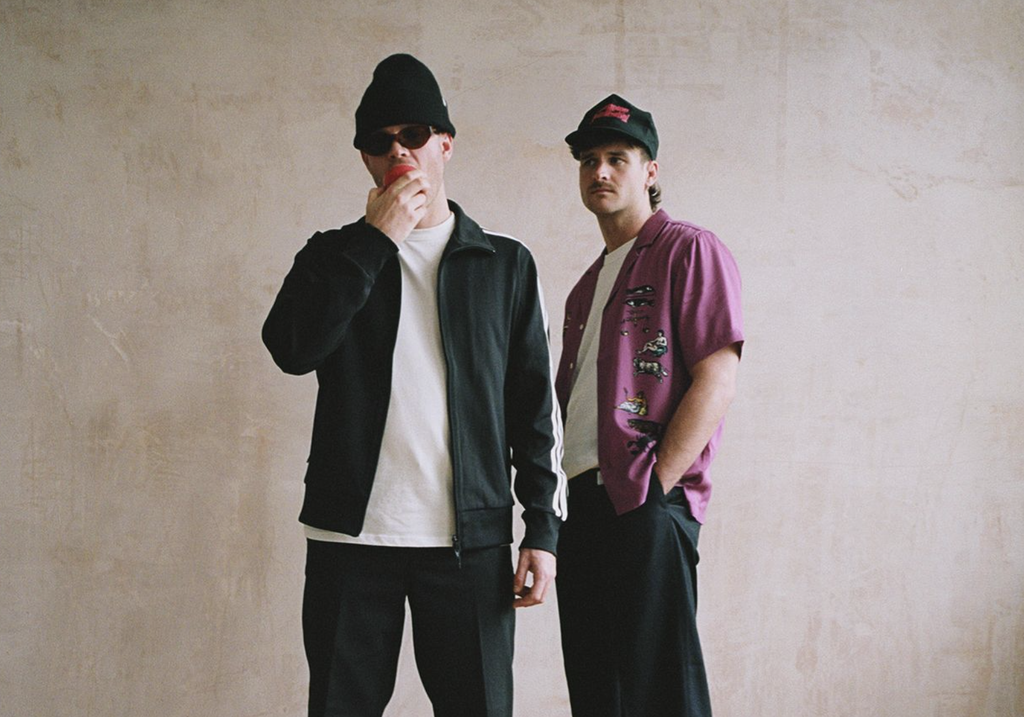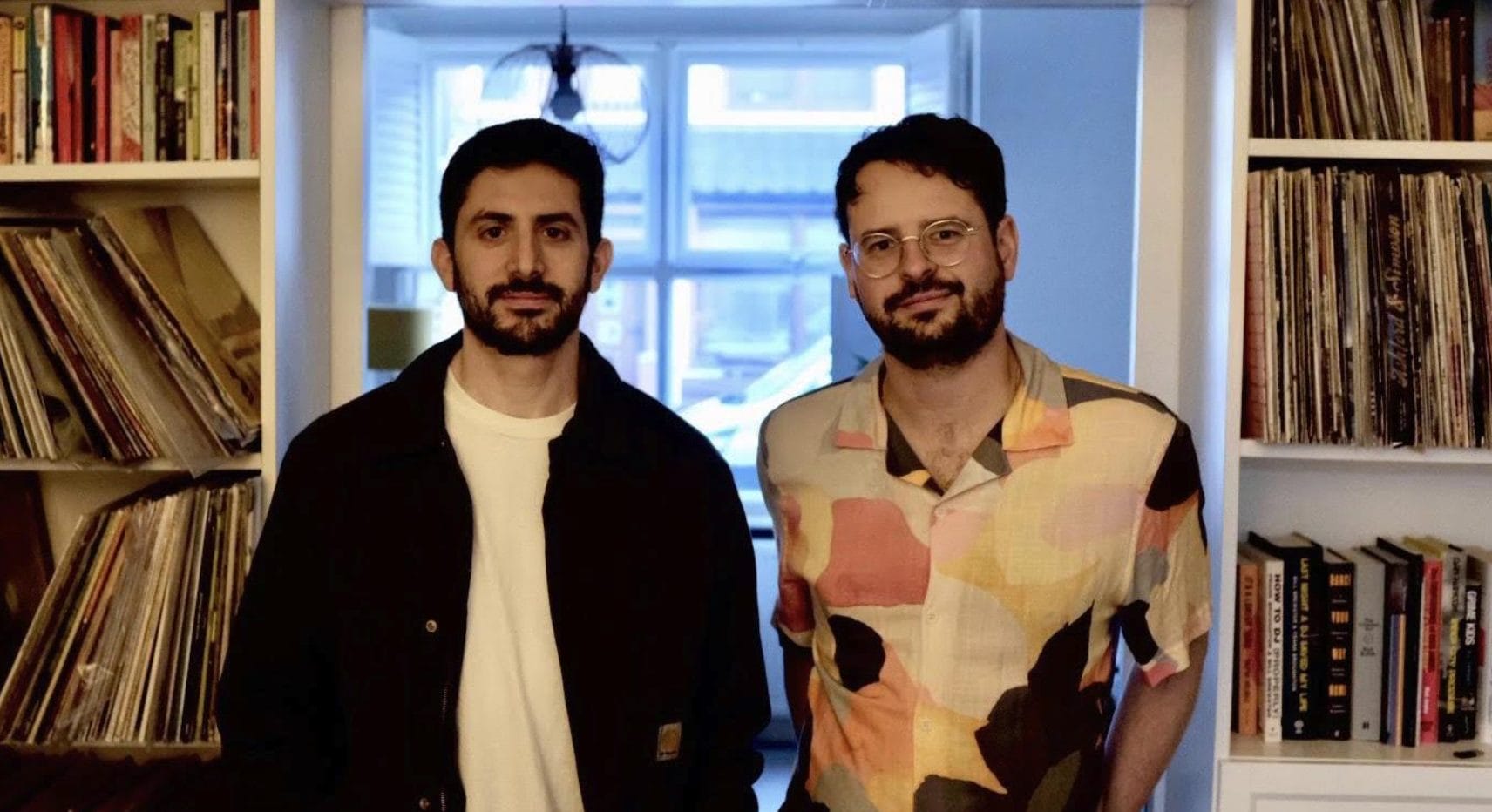
London duo Real Love Seeker have quietly become one of the UK’s most intriguing underground acts, blending jazz musicianship, MPC-driven production and deep-rooted club sensibilities into a sound that feels both classic and distinctly contemporary. Comprised of Stevie Titmus and Dan Marston, the pair occupy a unique space where live instrumentation meets dancefloor functionality, drawing inspiration from broken beat, deep house and the rich musical heritage of London’s underground.
Their latest contribution, Mood Swings, lands on Maintain Altitude 2, the new compilation from Soul Quest Records. A rolling, soulful house cut steeped in the spirit of 90s legends Mood II Swing, the track showcases the duo’s knack for balancing nostalgia with fresh energy. As Soul Quest continues to champion forward-thinking club music, Real Love Seeker’s return to the label feels like a natural fit.
With growing support from tastemakers across the house and broken beat spectrum, and a catalogue that continues to blur the lines between electronic production and live performance, Real Love Seeker are steadily carving out a lane of their own. We caught up with Stevie and Dan to talk about Mood Swings, their creative partnership, London’s influence on their sound, and why soulful dance music continues to resonate in 2026.
Q&A With Real Love
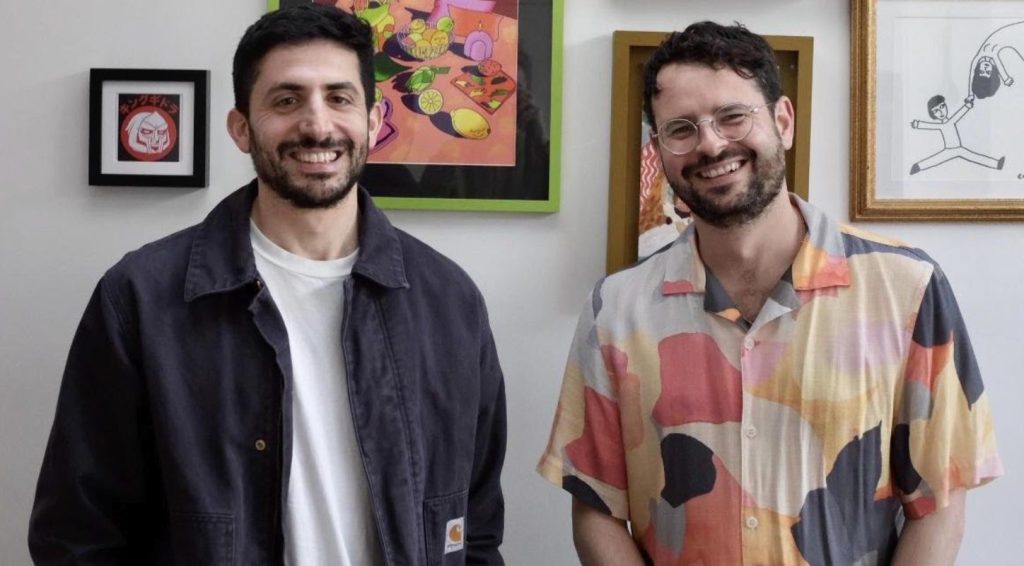
Mood Swings has a strong 90s house DNA running through it. What was the starting point for the track, and how conscious were you of channeling that Mood II Swing-inspired energy?
It was a conscious decision to make a Mood II Swing-inspired track. I (Stevie) actually interviewed Mood II Swing back in the day for a big piece for Resident Advisor, and as part of that did some really deep research into their music. I’ve always wanted to take some of the dub-house energy from their tracks and put my own twist on it. It’s very much an homage — imitation is the most sincere form of flattery.
The track feels stripped back in all the right ways, proving that sometimes less really is more. How do you know when a record is finished and doesn’t need another layer or idea added?
It’s hard to know exactly when a track is finished. One key thing is sending it to friends and getting a bit of feedback. Usually, though, with a lot of dance music, less is more — so for me it’s often more about removing things than adding them. With this particular track, even though the melody is really simple, there’s actually a lot of movement in the drums and quite a lot of fine editing on some of the synths and effects. Dub reggae is a big inspiration for me here — those tracks are so simple, but because the effects move and evolve throughout the record, they end up producing something that’s simple but still really interesting to the ear.
You’ve described your sound as a meeting point between jazz and UK club culture. How has that balance evolved since you first started making music together?
I think it’s really evolved over time. Our first track was really simple — it was just me on an MPC, Dan freestyling over the track, and it was almost done in one take. Some of our records have a lot more of a live feel — something like “Elevation” has four or five different musical instruments on it — but we can also do stuff that’s really stripped back. Honestly, I think we just follow our noses with this stuff, and try to evolve ideas that feel good to us without overthinking whether something needs to be more electronic or more live. Both methods can have their own successes and their own downsides, so just doing what feels right and seeing where it leads us is the way to go.
Real Love Seeker combines live instrumentation with MPC-driven production. Can you walk us through your typical workflow in the studio and how the two approaches complement each other?
Honestly, every track’s kind of different. Some tracks we might do exclusively on the MPC. Others, we might do a lot of live instrumentation and sample ourselves, then put that back into the MPC or into another kind of sampler. There’s no one way to do it, and actually I find approaching each track slightly differently is a really great way for us ton improve our craft.
London’s musical heritage seems embedded in what you do, from house and broken beat to jazz and soul. Which parts of the city’s underground scene have had the biggest influence on your sound?
Yeah, London’s been a huge influence on our sound. I think probably one of the biggest influences was Plastic People. That was a club we both went to quite a bit back in the day — seeing people like Theo Parrish and Floating Points playing to a really small crowd, with an amazing sound system, really changed the way I thought about dance music and what could work in a dance music context. Hearing Pharoah Sanders at peak time really changes what you think a peak-time banger could be.
Aside from that, I think personally UK garage was a huge influence — probably my first love, and something I’ve been playing since I was just a kid. All of my first gigs were UK garage shows, and I actually used to run a nightclub in Romford at seventeen, which is probably a story for another time.
Maintain Altitude 2 brings together artists from London, Amsterdam and Lisbon while maintaining a cohesive identity. What do you think Soul Quest Records is getting right at the moment?
I love Max and the Soul Quest crew. They really aren’t looking for just one sound on their label — there’s a real range of music, from full vocal, soulful house tracks to really crazy broken beat tracks, like “A Bit Mad”. I think fundamentally it feels like Soul Quest aren’t chasing trends, but looking for music that’s kind of timeless. A lot of the stuff they make could’ve been made now, or just as easily in the 2000s. I think what’s impressive is that all the connections feel really natural on Soul Quest — and many of the connections come from club culture. That feels like a really positive and natural way to run a label.
You’ve earned support from a diverse range of DJs, from deep house selectors to broken beat champions. Has any feedback or endorsement particularly surprised or inspired you along the way?
Some of the early support was really crucial in giving us the confidence to keep going. DJs we sort of knew from London — like John Gomez, and Midland — were early supporters, and seeing people with such amazing taste play our music, when of course they could’ve played any other tune in the world, meant a lot. Also, shout out to Giles Smith — he was one of the earliest supporters of our music and gave us a lot of early feedback, which we found really useful.
Aside from that, it’s just been amazing to see people we look up to engage with the music — Bill Brewster, Suze Ijo, even someone like Daniele Baldelli has been playing our music. So yeah, it’s been a really diverse range of people into it, and really exciting. But most importantly, we make the music for ourselves — so even though all that support is important, it’s not as important as making something we genuinely love.
Your recent release Life explored a more boogie-influenced broken beat direction. Do you approach house records like Mood Swings differently, or do all your productions come from the same creative mindset?
With “Life,” compared to the Mood II Swing-inspired stuff, it’s really just a case of using a lot of different synths, and that leads the music to some extent. If you start playing with something like a Moog synthesizer, you kind of end up with that more boogie sound straight away, whereas the bass on the Mood II Swing-style stuff is much more of a Korg MS-20 thing — a bit more dub house — and that leads you in a certain direction too. To me, I don’t really see it as a huge jump, although getting the sounds right on a more boogie tune takes a lot of fiddling around for me, because I’m not very technical. But yeah, they kind of come from different places. Really, though, it’s just about us making music we’re inspired by — we both love lots of different styles: jazz, hip hop, boogie, soul, disco, garage, house. So we just want to combine those sounds into something that feels like us.
As producers operating in an era of unlimited software and endless possibilities, what pieces of gear, instruments or techniques remain essential to the Real Love Seeker sound?
The MPC is something that’s really important to my workflow. Also, Dan plays a lot of instruments, so saxophone and keys are really crucial. Personally, I think an underrated company is Teletone Audio — all their drum emulators are crazily good for hip hop, broken beat, and things like that. So shout out to them.
Looking beyond Maintain Altitude 2, what’s next for Real Love Seeker? Are there any forthcoming releases, collaborations or new musical directions that you’re excited to share?
We’ve got no clear plans for next steps, and to be honest, the music industry is so complicated right now that having a grand plan feels like it’s doomed to fail. All we want to do is release music we really love, with people we rate — that’s why linking up with Soul Quest is kind of perfect for us. Hopefully we can just keep doing music that people like, with people we think are cool.

Magnetic byline note: This byline is used for staff produced updates and short announcements, often based on press materials and official release information. Editorial responsibility: David Ireland (Editor in Chief) and Will Vance (Managing Editor). About: https://magneticmag.com/about/ Masthead: https://magneticmag.com/masthead/ Contact: https://magneticmag.com/contact/