Alex Ball’s new documentary Monoculture – A Story of the Bass Station might look like a deep dive into a single synthesizer, but it ends up tracing one of the most underrated legacies in synth design. At the center of it is Chris Huggett—a name you probably won’t find on synth forums as often as Moog or Buchla, but whose work shaped decades of electronic music hardware.
The film tracks Huggett’s influence from the 1978 Wasp, through OSC’s Oscar, and into his essential role in Novation’s creation of the Bass Station in 1993. What starts as a workaround to the limitations of the Roland TB-303 ends up being a defining product for UK dance and pop production through the ‘90s and beyond. Ball’s storytelling pairs archival footage with technical breakdowns, contextualizing how each instrument fit into its moment in music history—without romanticizing it.
It’s an incredible piece of synth history, and probably one of the most complete overviews of Huggett’s design arc—especially for producers who grew up with soft synths and only know Novation from the Launchpad or Peak.
How the Bass Station Changed the Game (Quietly)
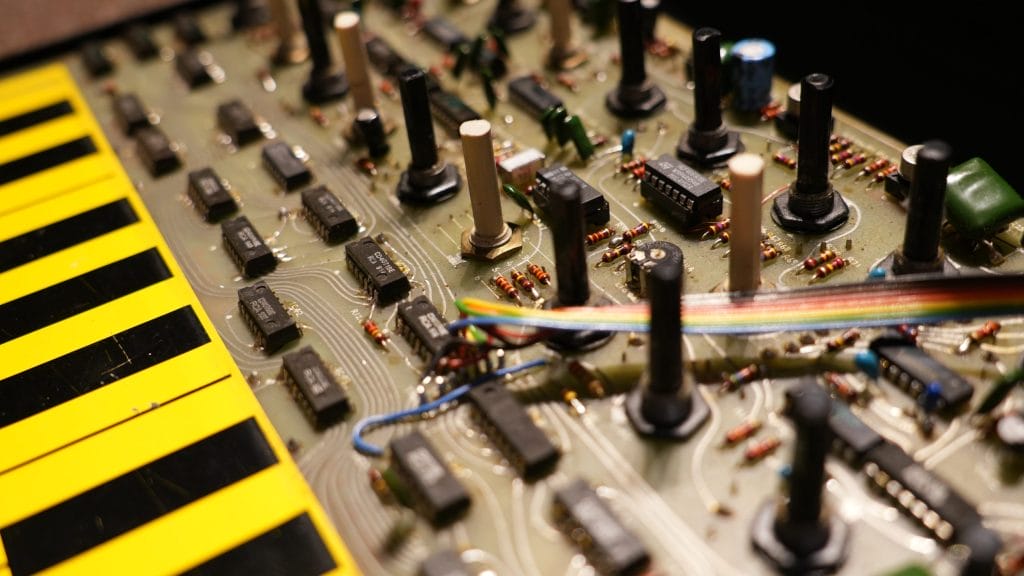
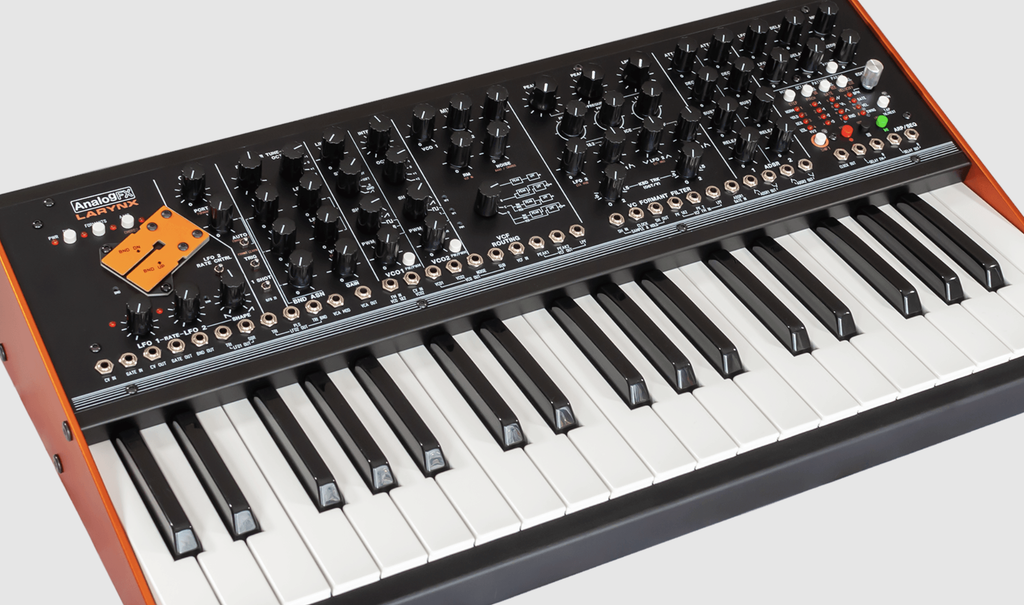
Released in 1993, the original Bass Station was designed to deliver acid-style sequences with MIDI compatibility, patch storage, and modern control. Compared to the 303, it was a breath of fresh air for producers looking to work inside digital setups without losing analog bite. The fact that it transmitted CC data made it way ahead of its time.
Then came the rack version. Then came the Super Bass Station. Then came Drum Station. The wave of releases between 1993 and 1998 made Novation a real player, especially once Supernova landed. By then, Novation had made its mark on genres from trance to techno to jungle. But what makes Ball’s film so compelling is the way it ties those commercial successes back to Huggett’s obsession with smart oscillator design, unconventional filter ideas, and real performance control.
When the Bass Station II launched in 2013 with Huggett again involved, it didn’t just repeat what came before. It added paraphony, FM, acid-style drive, and eventually a full set of updates co-developed with Aphex Twin. Ball’s film captures how that instrument became a quiet classic—used everywhere from indie bands to underground techno—without ever being positioned as a flagship.
The full video is up on YouTube and is worth the watch for any producer with even a passing interest in synth engineering, music tech history, or how legacy influences today’s gear.

Magnetic byline note: This byline is used for staff produced updates and short announcements, often based on press materials and official release information. Editorial responsibility: David Ireland (Editor in Chief) and Will Vance (Managing Editor). About: https://magneticmag.com/about/ Masthead: https://magneticmag.com/masthead/ Contact: https://magneticmag.com/contact/