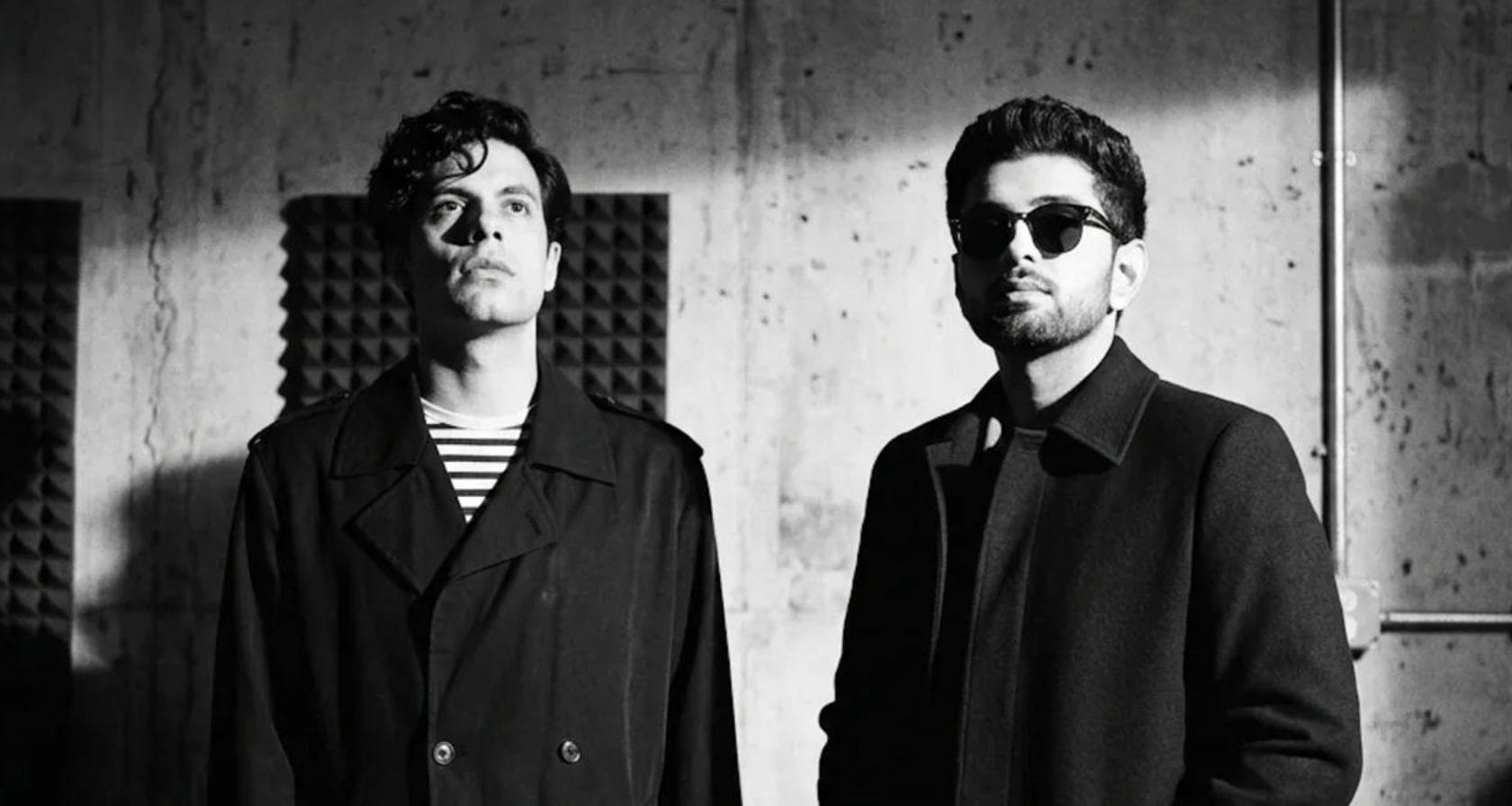
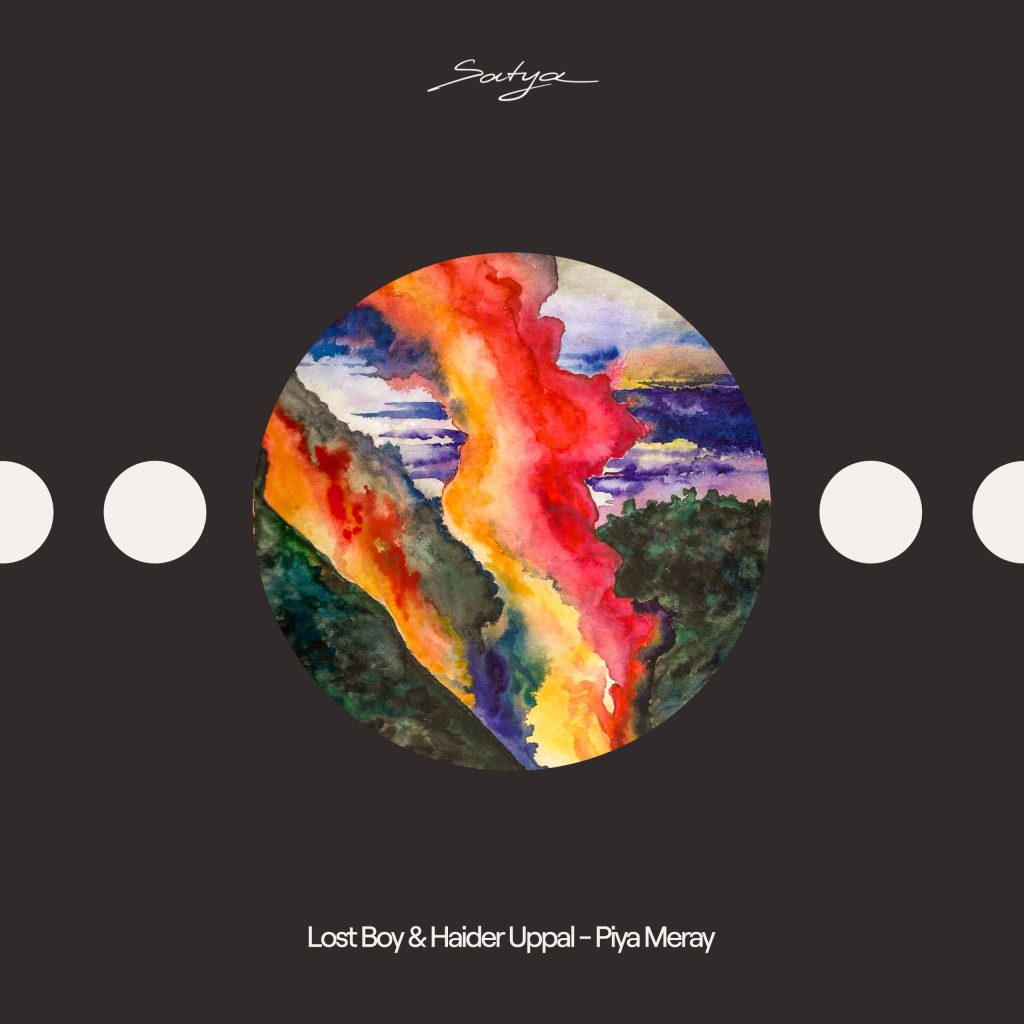
Lost Boy (@lllostboyyy) and Haider Uppal (@haideruppal) return with Piya Meray EP, a new project shaped between Toronto and Lahore that connects Western house and techno frameworks with South Asian melodic language, vocal source material, and studio culture.
After the heritage-focused 1 to Oneness EP, which received support from DJ Harvey, Sv4 of Ghostly International, Nabihah Iqbal, and other selectors, this release brings the duo into a shared studio in Lahore and gives the music a tighter, more direct club function.
The title track centers on vocals from Naayaab, recorded at a historic family-run studio in Udaipur, India, then reshaped by Lost Boy and Haider into repeated fragments around dub-heavy plucks, negative space, and controlled groove. Kora (CA) adds a remix that pulls the original into a wider, percussion-led structure, working with acoustic rhythm, synth layers, sitar textures, and Naayaab’s voice in a more spacious vibe.
The second half of the EP moves further toward dancefloor utility, with “Afterglow” leaning on DX7 and Moog bass work, rolling snares, and orchestral sitar layers, while “House Feeling” closes the record through stripped-back movement and steady development.
In the conversation below, Lost Boy and Haider Uppal discuss what keeps music-making meaningful after the early appeal of gear, releases, and external validation starts to fade. Their answers keep coming back to the studio itself: shared time in Lahore, instinct, finishing music, and trusting the sounds that move them before anything else. For a record curated by Julien (YokoO) and rooted in South Asian identity, European minimalism, and functional rhythm, that process gives Piya Meray EP its clearest center.
Interview With Lost Boy & Haider Uppal
After the early excitement around gear, attention, releases, and outside validation fades, what keeps music-making worth doing?
The joy of being in the studio and making something out of nothing.
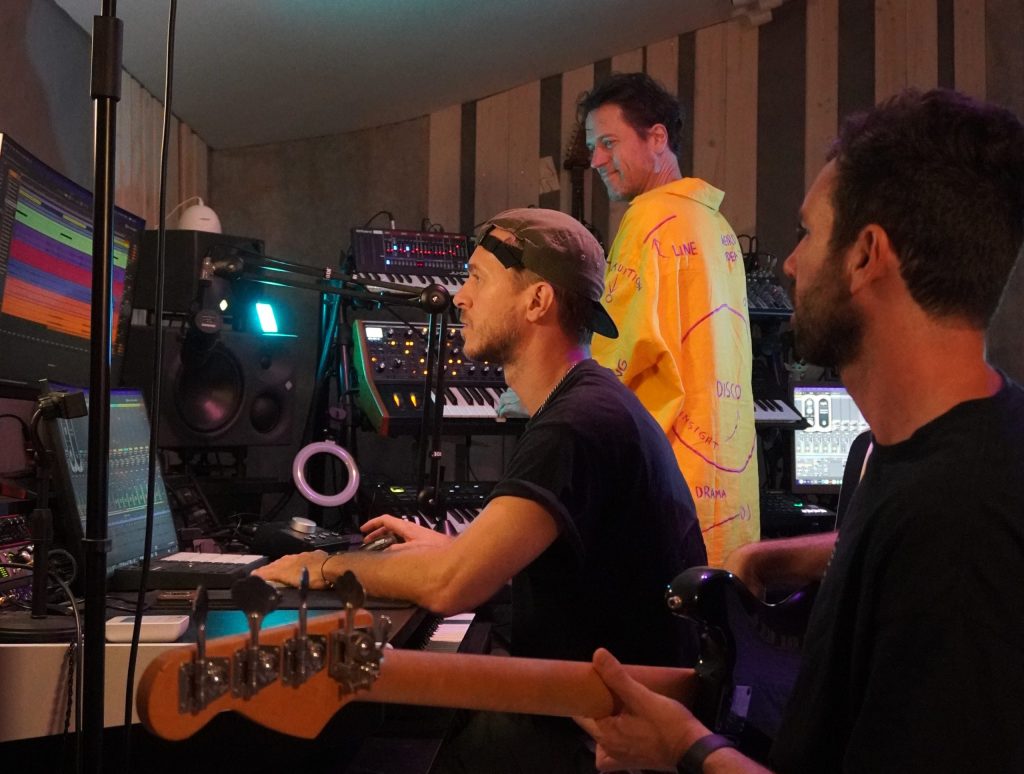
That is genuinely what this EP was. For the first time, we were actually working in the same room, in a shared studio in Lahore instead of sending files back and forth. We were jamming, we liked what we were making, and it turned into three tracks that YokoO wanted to put out. No grand plan. That kind of thing happens when you are thinking about the music itself.
How can artists build a process that still works as platforms, tools, and industry expectations change?
Stay anchored to the feeling.
That specific feeling you get when a song really gets to you, either in a club or hearing something for the first time at home. That is what we bring into the studio. What happens outside can pull you in a hundred directions, and if you stay honest about what actually moves you, the rest becomes noise.
What habits help producers stay connected to their own taste instead of chasing the current trend?
You only chase trends when you do not have a sound you naturally gravitate toward. Once you do, trust it. The last track on this EP is a good example. We wanted the groove rooted in house music because that is where our love for electronic music comes from. That loyalty to a sound guides every call you make.
How does finishing music regularly change the way an artist hears and makes decisions?
Knowing when something is done is its own discipline. We will never be fully satisfied. That is how it goes. With “Piya Meray,” Haider had Naayaab’s vocal stems, recorded at a historic family-run studio in Udaipur, sitting without a home for a long time. When we finally found the right track for it, we knew. You develop that instinct by finishing things.

How should artists think about their own effort now that finished material is easier to generate?
DJs have always been curators, and producers too. You are curating something that genuinely moves you. Samples and remixes have always been part of that culture, so the conversation around generated material has history behind it. What cannot be replicated is the reason behind the choices we make. That is something you cannot generate.

Will Vance is a professional music producer who has been involved in the industry for the better part of a decade and has been the managing editor at Magnetic Magazine since mid-2022. In that time period, he has published thousands of articles on music production, industry think pieces and educational articles about the music industry. Over the last decade as a professional music producer, Will Vance has also ran multiple successful and highly respected record labels in the industry, including Where The Heart Is Records as well as having launched a new label with a focus on community through Magnetic Magazine. When not running these labels or producing his own music, Vance is likely writing for other top industry sites like Waves or the Hyperbits Masterclass or working on his upcoming book on mindfulness in music production. On the rare chance he's not thinking about music production, he's probably running a game of Dungeons and Dragons with his friends which he has been the dungeon master for for many years.


![[Premiere] Tom Brownlow And JenJammin Sax Bring Live Sax To House On “Happiness”](https://magneticmag.com/wp-content/uploads/2026/08/Untitled-design-45-1024x614.jpg)