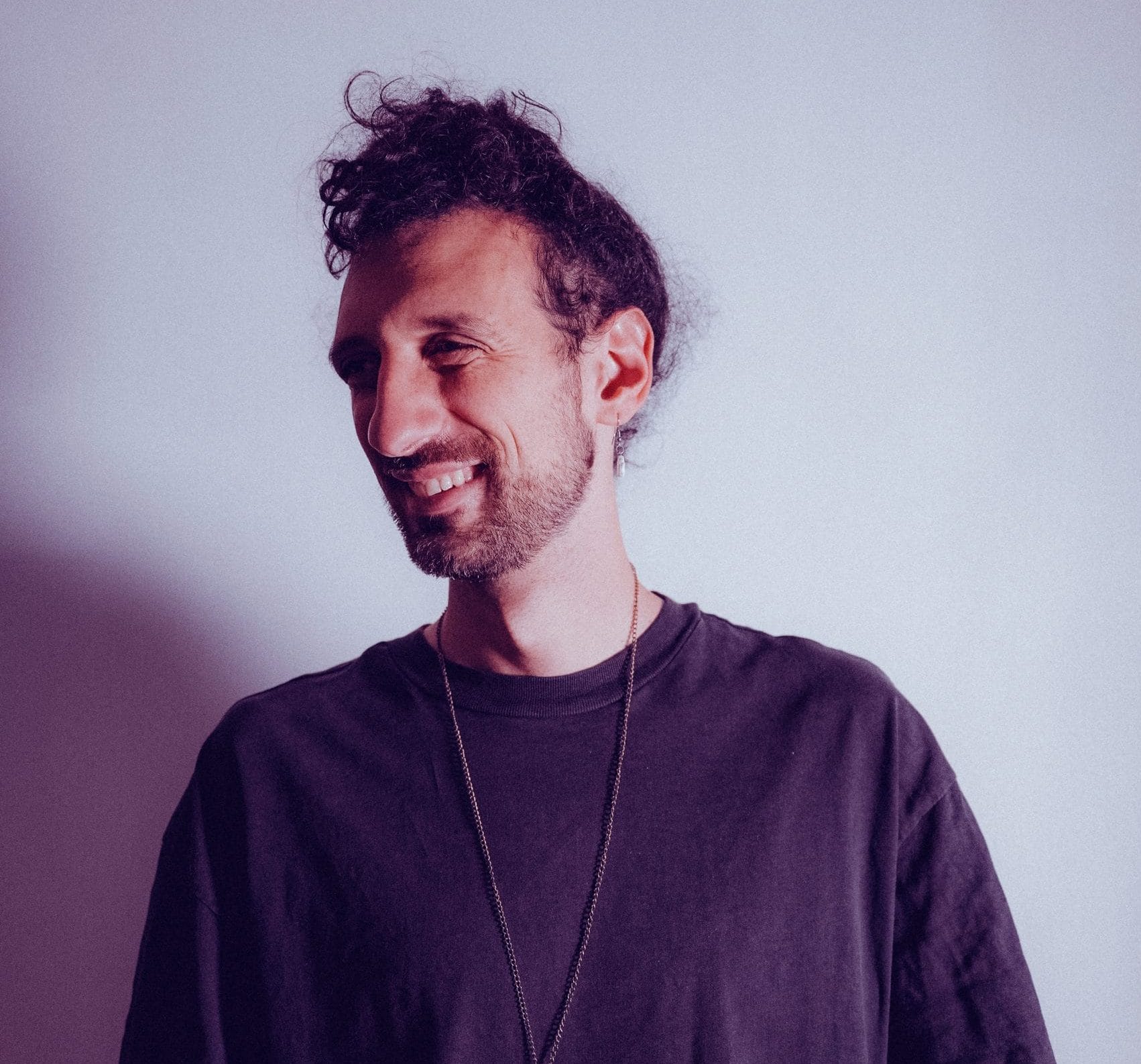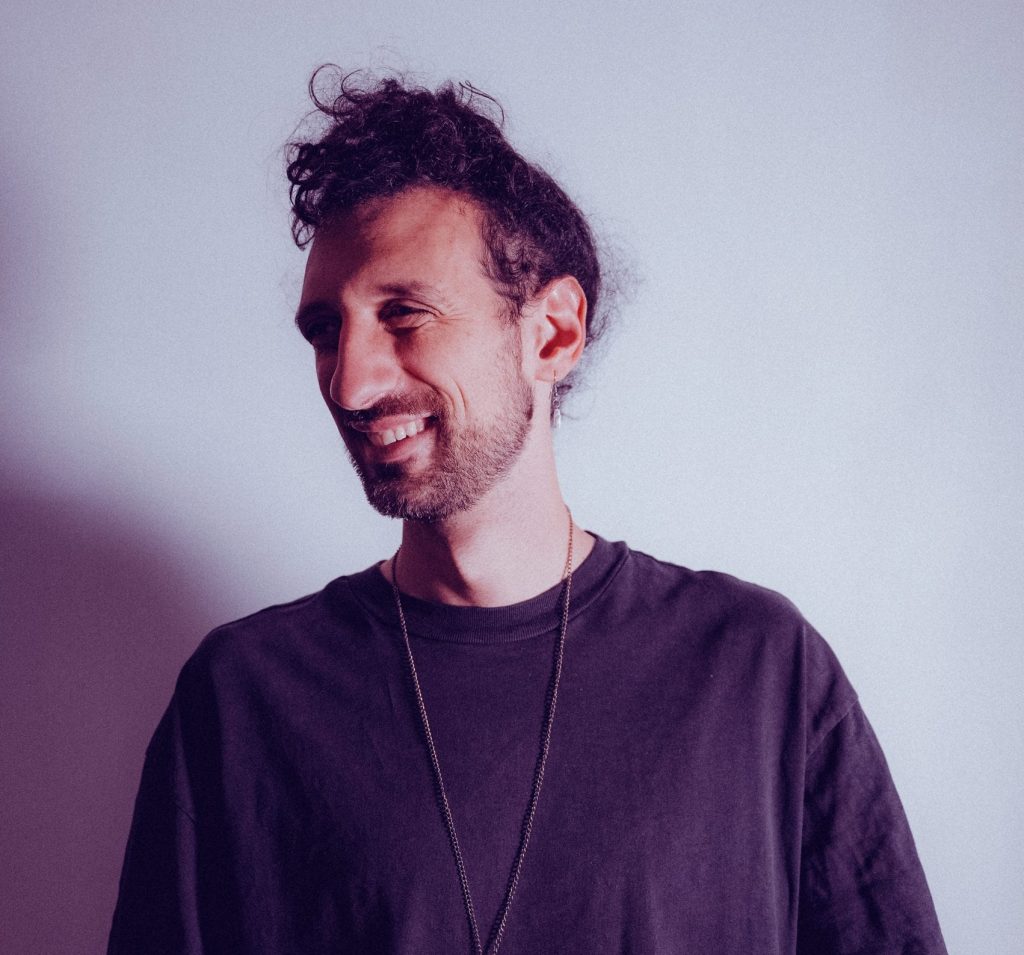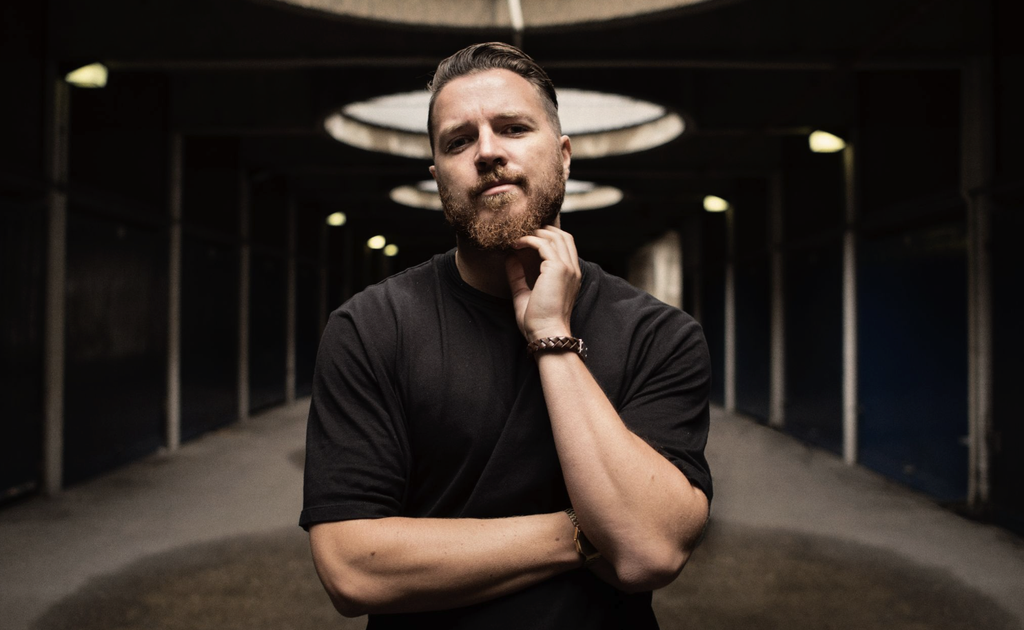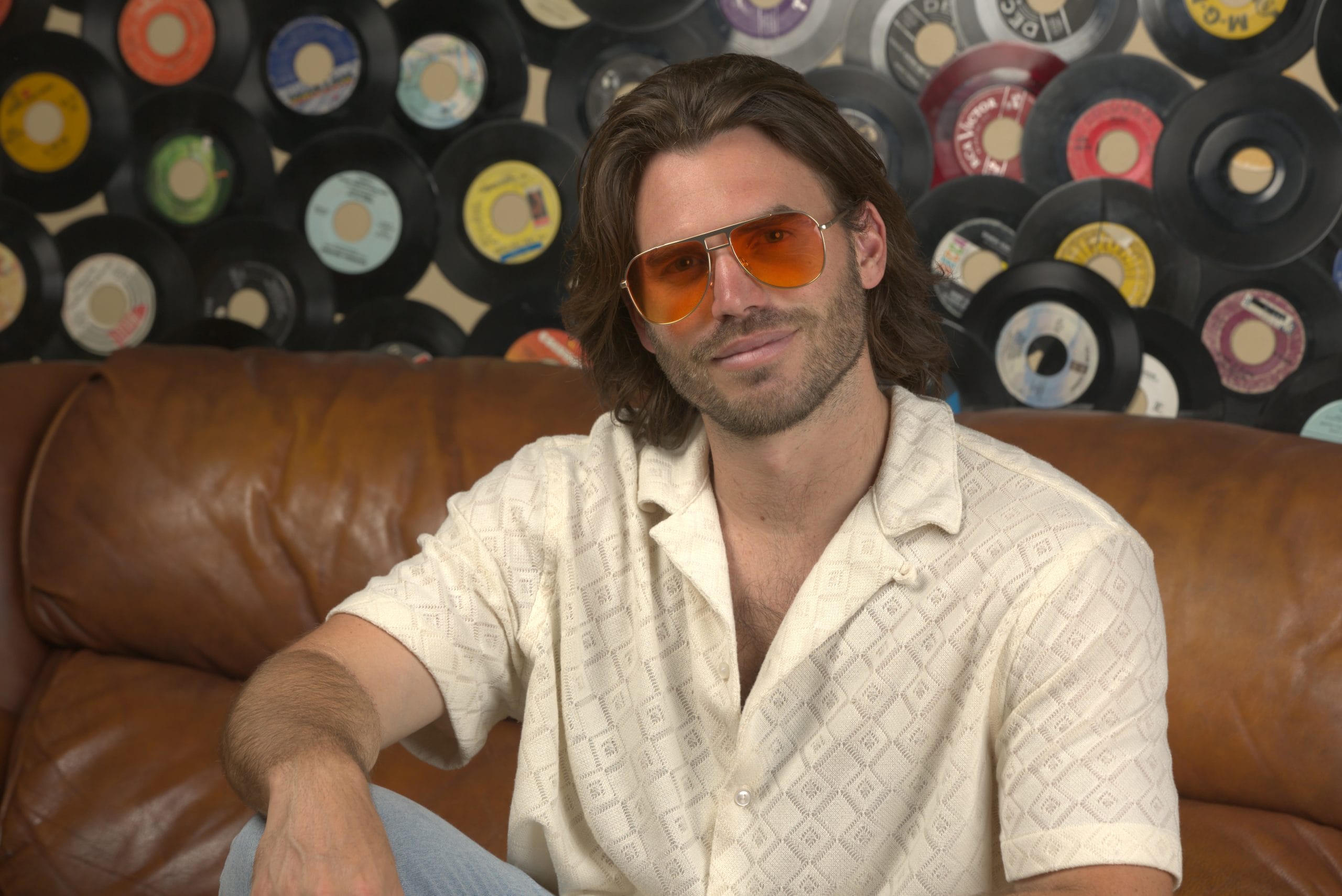
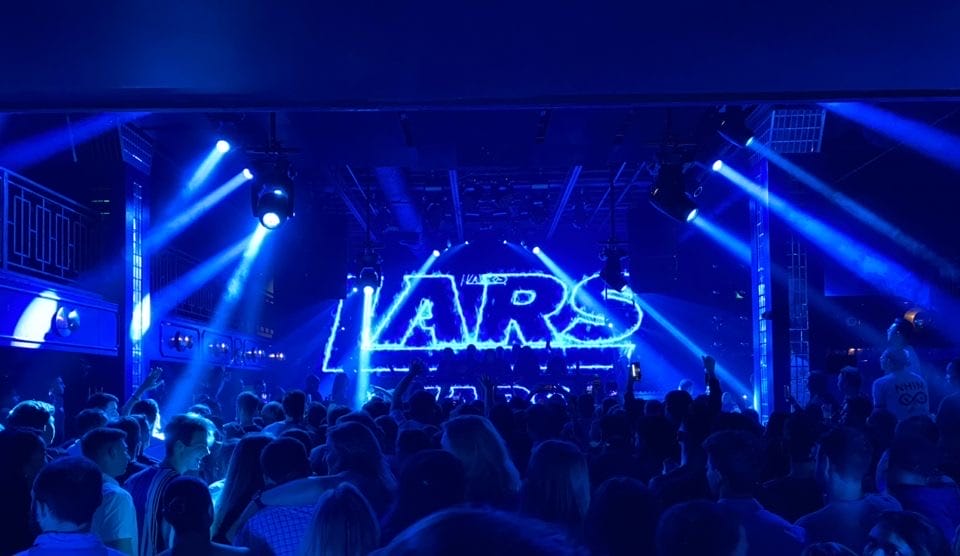
Lars (@dj_larsofficial) comes into “No Stranger” with real club mileage behind him. Across 15 years behind the decks, he has built a name in New York’s electronic circuit, hosted his own parties, and supported Armin van Buuren, Above & Beyond, Eric Prydz, MEDUZA, Benny Benassi, and MK.
That background gives the single a practical feel, because it sounds like someone thinking about how a record makes the switch from warm-up tension to a peak-hour payoff, rather than someone treating the club as an abstract setting.
“No Stranger,” out June 17 but premiered a few days early on our Soundcloud page, starts from a darker, percussive base, then uses the vocal as the part that opens the record up without pulling it away from the floor. The low-end and tech-house drums make sense for late-night rooms, while the hook gives the track a solid entry point for listeners who may connect first with the vocal. Lars described the goal as writing something “heavy and atmospheric enough for a dark room” while still having a lyric that stays with people after the lights come up, and that idea comes through clearly in how the record is put together.
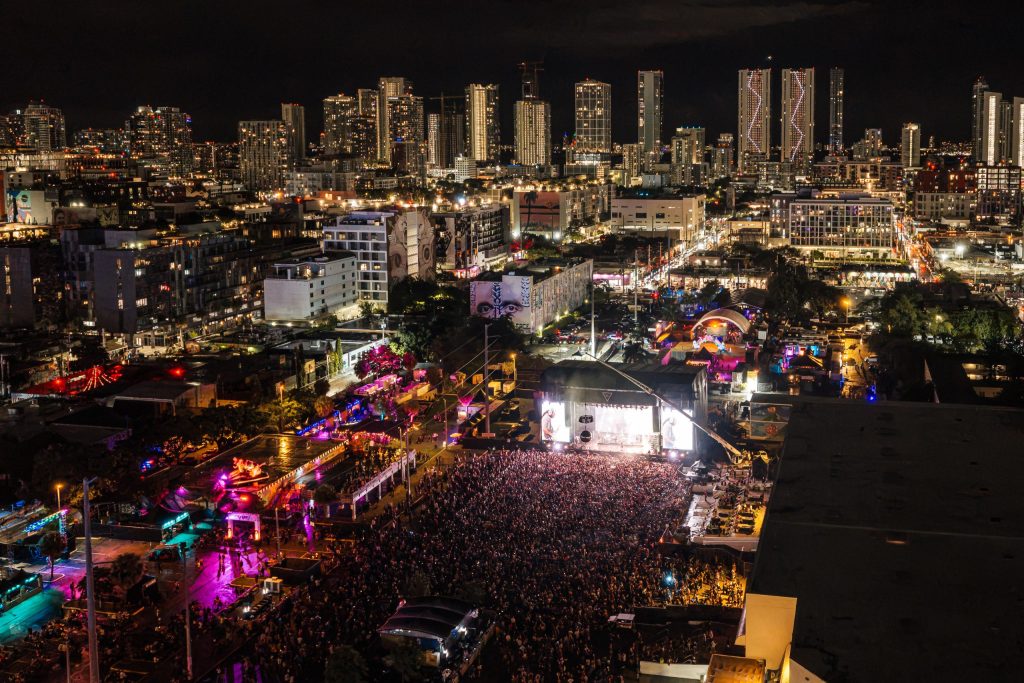
The release also comes at a useful time in his 2026 calendar, with Lars set to play North Coast Music Festival on Friday, September 4 at 4:45 PM CST. For an artist moving from New York club rooms and self-hosted events toward larger festival stages, “No Stranger” works as a clear marker of intent.
It keeps the pressure and precision of a club record in place, then adds enough vocal focus to make it feel ready for the next size room.
Interview With Lars
This interview has been edited for clarity.
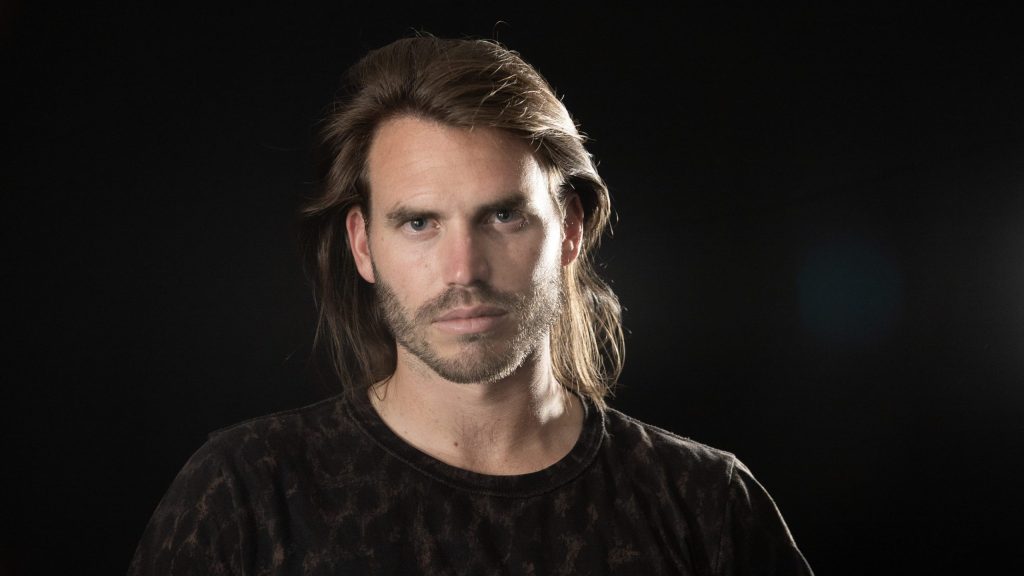
“No Stranger” feels built for a club room, though the vocal gives it a cleaner crossover angle. What came first for you, the darker club foundation or the vocal hook?
The darker, driving foundation came first. I built the groove with Chicago club rooms in mind, thinking about the sound systems and the late-night rooms I play there. Once the percussion and low end felt right, I knew the track needed a contrast, and the vocal hook gave it that contrast.
It cuts through the darker production and gives the record a clearer crossover angle without taking away from the club feel.
After 15 years behind the decks, what do you think you understand about club records now that you didn’t understand earlier in your career?
I understand placement much better now. Early on, I was mainly thinking about energy, while now I can hear a record and picture where it belongs in a set. The main lesson is that you cannot force the room.
Some crowds want something lighter and melodic, while others respond to darker, hypnotic records. I usually test the room early with a few different directions, see what people respond to, and then build the set from there.
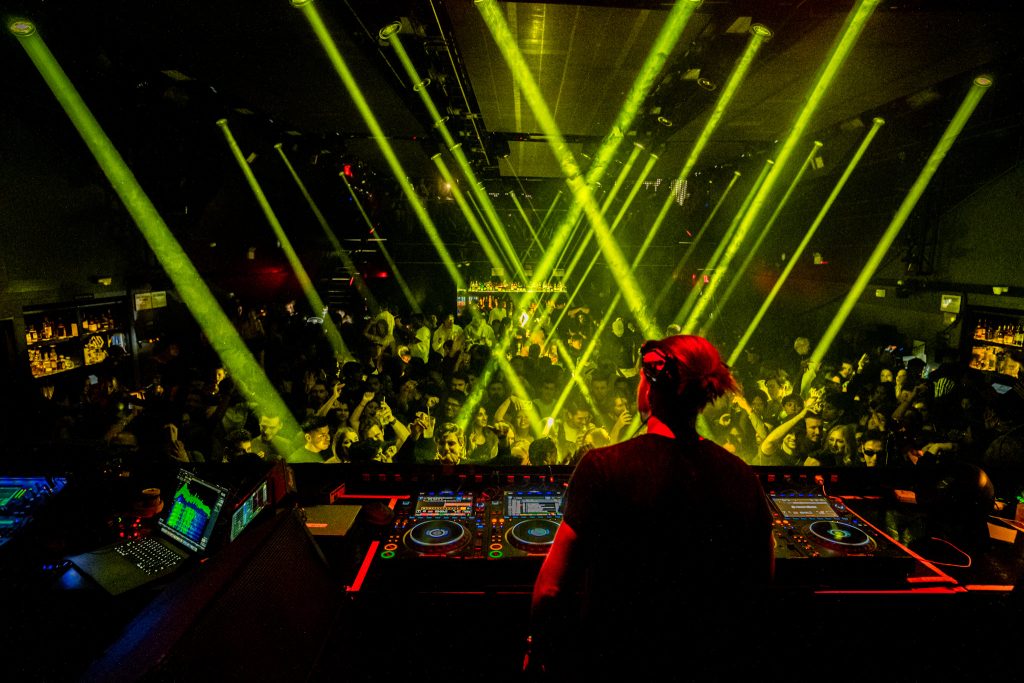
When you’re playing alongside acts with that level of experience, what do you pay attention to most from the booth?
My main focus stays on the crowd. I watch body language, facial reactions, and how people respond when the energy shifts. Since I freestyle my sets instead of planning them in full, I can adjust quickly around the other artists on the bill while still keeping my own direction clear.
The goal is to stay present and keep the room connected to what is happening in that moment.
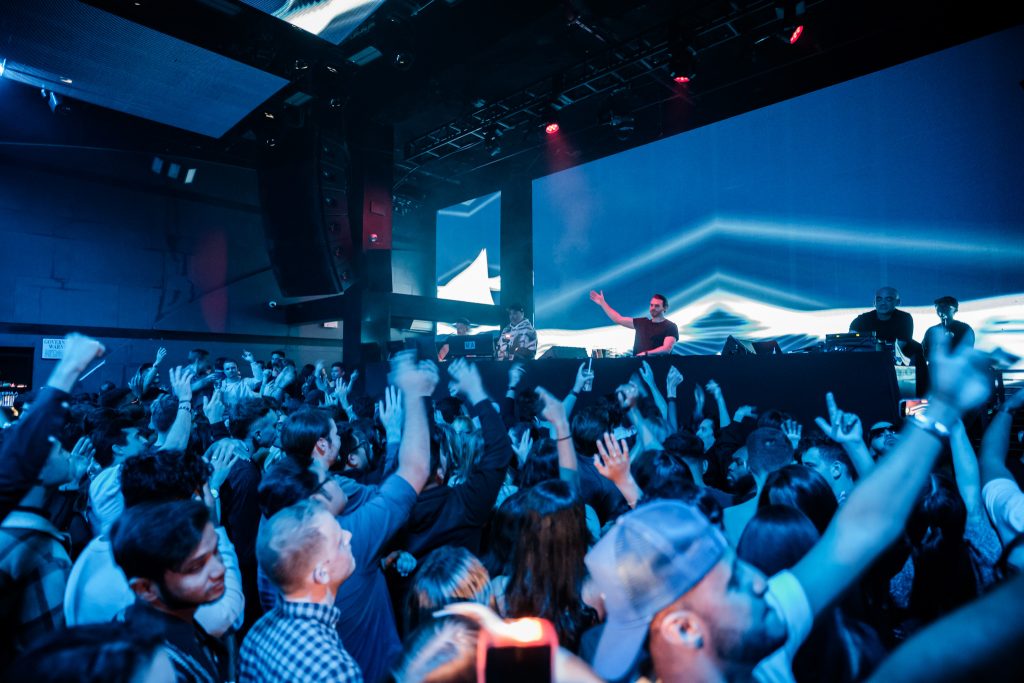
You’ve built a reputation as a DJ first, then sharpened the studio side over time. Was there a specific point where producing started to feel as natural as DJing?
DJing and production still feel very different to me. DJing is physical and instinctive, and the feedback from the audience is immediate. Production took longer because I had to learn how to turn the ideas in my head into actual sounds on purpose.
The shift happened when my technical ability caught up with my ear. From there, the studio started to feel natural, though I still leave room for experimentation because some of the best ideas come from trying things without overthinking them.
After this single and the North Coast debut, what are you trying to build toward across the rest of 2026?
This year is about scaling the project with clear intent across releases and touring.
After North Coast, I want to carry that momentum into a release schedule that feels connected from track to track and shows where my sound is heading as an electronic artist. On the live side, I want to move into larger rooms and festival slots that give me space to expand the visual side of the show. The goal is to take what works in a dark club and translate it to larger stages without losing the directness that made people connect with it first.

Will Vance is a professional music producer who has been involved in the industry for the better part of a decade and has been the managing editor at Magnetic Magazine since mid-2022. In that time period, he has published thousands of articles on music production, industry think pieces and educational articles about the music industry. Over the last decade as a professional music producer, Will Vance has also ran multiple successful and highly respected record labels in the industry, including Where The Heart Is Records as well as having launched a new label with a focus on community through Magnetic Magazine. When not running these labels or producing his own music, Vance is likely writing for other top industry sites like Waves or the Hyperbits Masterclass or working on his upcoming book on mindfulness in music production. On the rare chance he's not thinking about music production, he's probably running a game of Dungeons and Dragons with his friends which he has been the dungeon master for for many years.