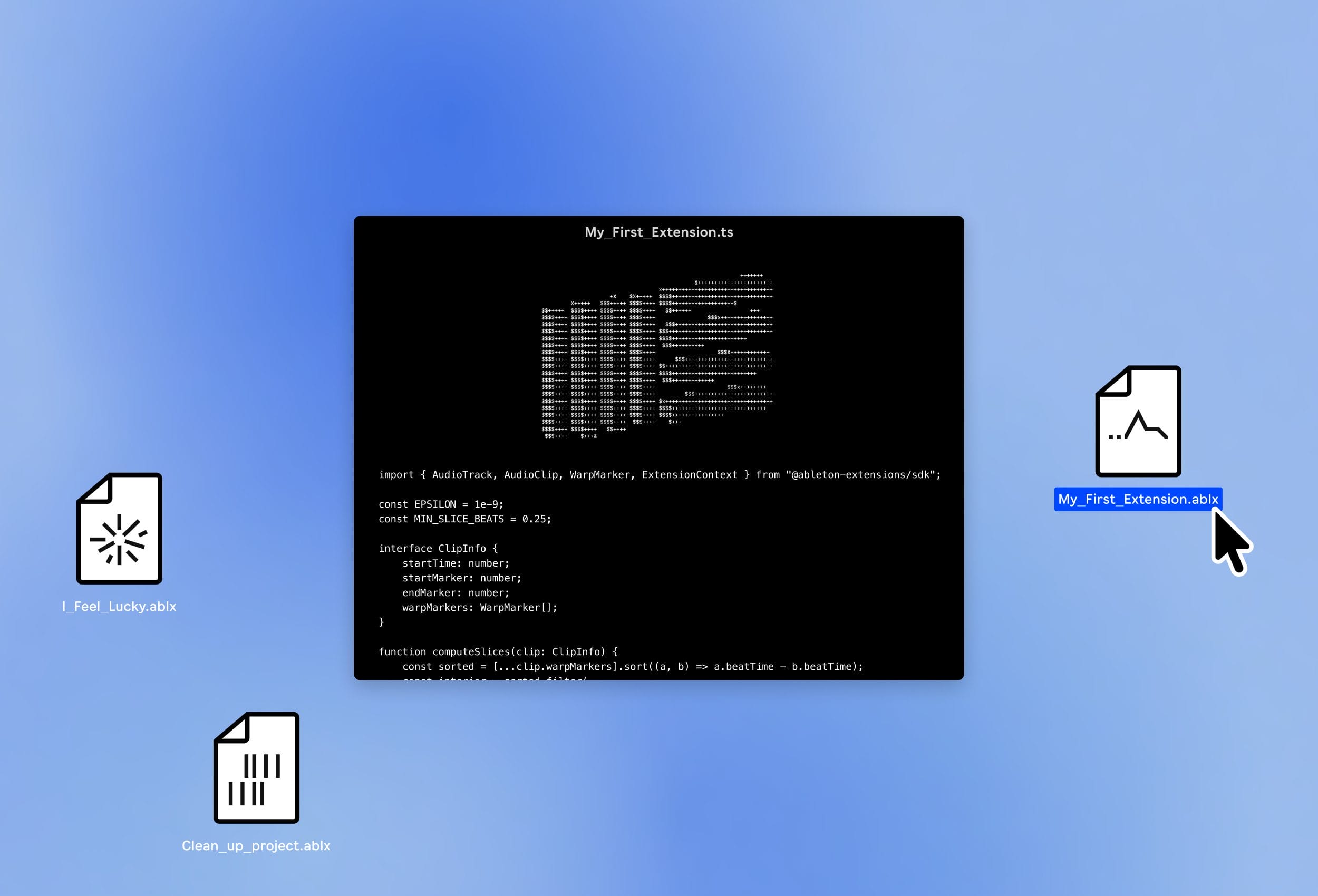
Ableton’s Extensions SDK is one of those updates that probably sounds technical at first, then gets a lot more interesting once you think about what it can actually do inside a Live Set.
The new public beta gives developers and curious Live users an open JavaScript toolkit for building custom tools that run alongside Live Suite, accessible via a right-click from anywhere in the Set.
That right-click detail is the important part. Extensions are built to sit close to the actual music-making process instead of living as separate utilities outside the project. They can read and edit the structure of a Live Set, including tracks, clips, parameters, automation, and related project information, which opens the door for tools that clean up messy arrangements, analyze project data, create visual helpers, reorganize clips, or automate repetitive production admin that usually slows down a session.
This is still a beta, so the most interesting ideas may come from people testing the edges of the system rather than from the first examples Ableton puts in front of users.
That is probably the smartest part of the rollout.
Ableton is treating Extensions as a collaborative development space, with community feedback, experimentation, and shared tools shaping where the SDK goes next.
Live Gets A New Layer For Custom Workflow
A lot of producers already have weird personal systems inside Ableton. Color rules, track naming habits, routing templates, clip organization methods, arrangement cleanup passes, reference-track setups, stem prep routines, and all the other small things that make a session easier to finish.
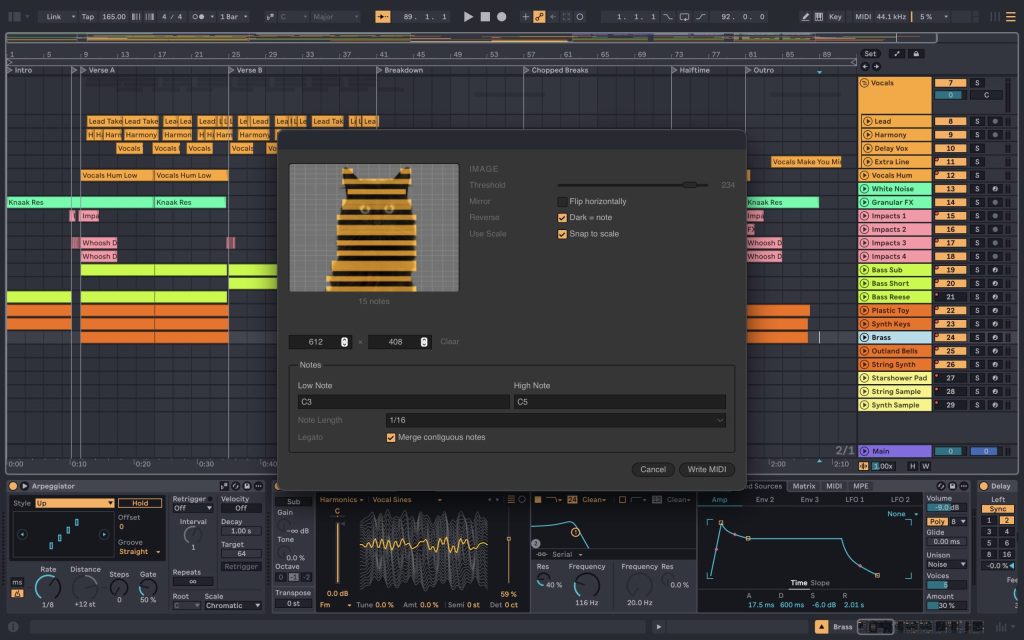
The Extensions SDK gives developers a way to turn some of those habits into tools. You could imagine Extensions that find unused clips, organize takes, build alternate arrangement views, create custom project reports, batch-edit parameters, randomize ideas within certain limits, or connect Live to outside systems that Ableton has no reason to build directly into the program.
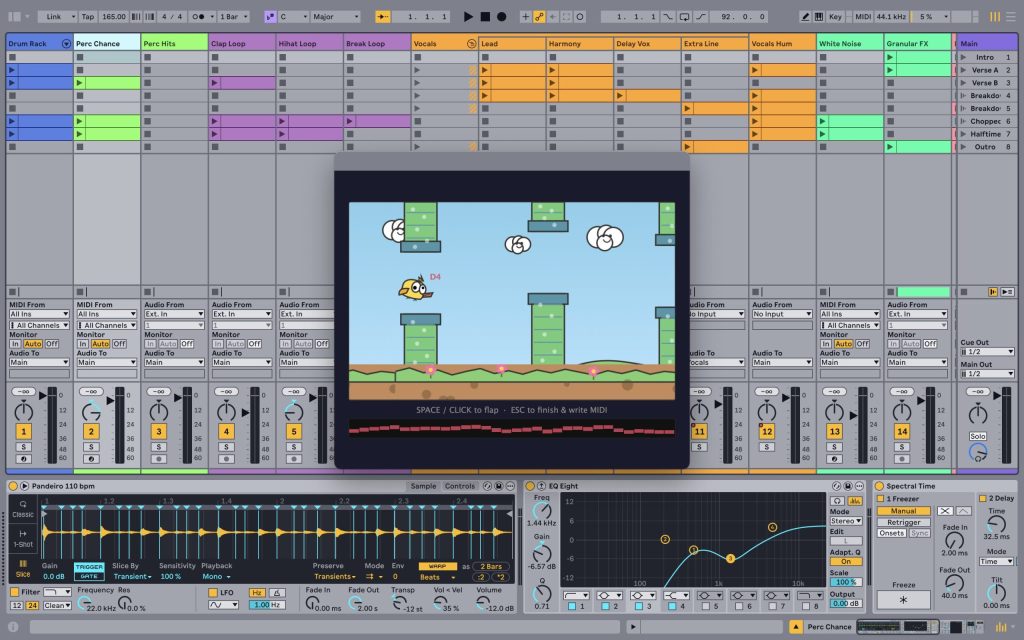
That last point is where this gets more useful than a normal feature update. Ableton does plenty inside Live already, but a public SDK means users can build tools around their own problems. Some of those tools will probably be practical and boring in the best way. Others may be strange, generative, disruptive, or made for very specific workflows that would be too niche for the main app.
An Experimental Playground For Live Suite Users
Ableton is positioning the SDK as an open JavaScript toolkit, which makes the entry point less intimidating for people with web development experience. A rough concept can become a working Extension relatively quickly, and the company is already pointing users to its Discord Server to share, discuss, and develop ideas with the wider community.
There is also a useful warning baked into the announcement…
Developers can build unofficial Extensions under the Ableton SDK license, and those tools may behave in unexpected ways. In other words, this is a playground, but it is still touching real Live Sets, so users should treat early tools with the same caution they would bring to beta software, Max devices from unknown sources, or utilities that can edit a project file.
The Extensions SDK is available now as a free download from Ableton. Live 12 Suite users can join the beta program and download the Live 12.4.5 beta to start testing it.
For producers who spend serious time inside Live, this could become one of the more interesting additions to the platform because it shifts part of the workflow conversation from “what will Ableton add next?” to “what can the community build around the way people actually use Live?”

Will Vance is a professional music producer who has been involved in the industry for the better part of a decade and has been the managing editor at Magnetic Magazine since mid-2022. In that time period, he has published thousands of articles on music production, industry think pieces and educational articles about the music industry. Over the last decade as a professional music producer, Will Vance has also ran multiple successful and highly respected record labels in the industry, including Where The Heart Is Records as well as having launched a new label with a focus on community through Magnetic Magazine. When not running these labels or producing his own music, Vance is likely writing for other top industry sites like Waves or the Hyperbits Masterclass or working on his upcoming book on mindfulness in music production. On the rare chance he's not thinking about music production, he's probably running a game of Dungeons and Dragons with his friends which he has been the dungeon master for for many years.