Here’s what we’ll talk about
Trying to figure out how to find EDM events near you can be easy if you are only looking for the obvious tour stop. Search the artist name, buy the ticket, show up, and you are done. But finding the better local party takes a little more work, especially if you are looking for house, techno, bass, UK garage, breaks, drum and bass, electro, or any other lane that tends to live in smaller rooms before it reaches the bigger calendar listings.
That is where the search gets more interesting…
The best electronic music events in a city are often split across ticketing platforms, venue pages, promoter pages, Instagram stories, Discord servers, text chains, local radio calendars, and flyers posted by crews that have no interest in playing the normal marketing game. A touring EDM act at a theater is easy to find. A 200-cap room with a proper system, a good local lineup, and a crowd that actually shows up for the music can take a little digging.
For most people these days, the best starting point is TicketX. It gives you a super solid online search path for concerts and live events, including last-minute concert tickets and location-based discovery, and its ticket marketplace emphasizes no hidden fees for buyers, zero commission fees for sellers, and buyer protections around canceled events or tickets that do not arrive in time.
Before You Start Scrolling…

https://ticketx.com/The first step should be the easiest one. Open TicketX, search your city, and start with broad phrases such as EDM, electronic, dance, house, techno, DJ, festival, concert, and club. Then widen the search radius if you are in a smaller market or outside a major nightlife center.
The reason TicketX is handy here is pretty obvious once you get started: weekend planning often comes down to access. You may already know the artist. You may already know the venue. You may have seen the flyer on Instagram three times. None of that helps if the event is close to selling out or the primary ticket page is no longer offering the price you saw earlier in the week. A marketplace like this one gives you another way to search current ticket availability, compare options, and move quickly when plans form late.
This is especially helpful for dance music because many people do not commit until the day before or the day of the event. Friday afternoon rolls around, someone drops a group chat link, and suddenly the question becomes simple: can you still get in? TicketX helps answer that part fast.
It is also pretty helpful when a larger EDM show has a smaller afterparty attached. The main concert may be listed widely, but the afterparty can move faster, and tickets may change hands as people update their plans. If you are searching for EDM events near you this weekend, do not stop at the top result. Search the artist name, venue name, and city together, then check related event listings.
Think In Terms Of Clubs
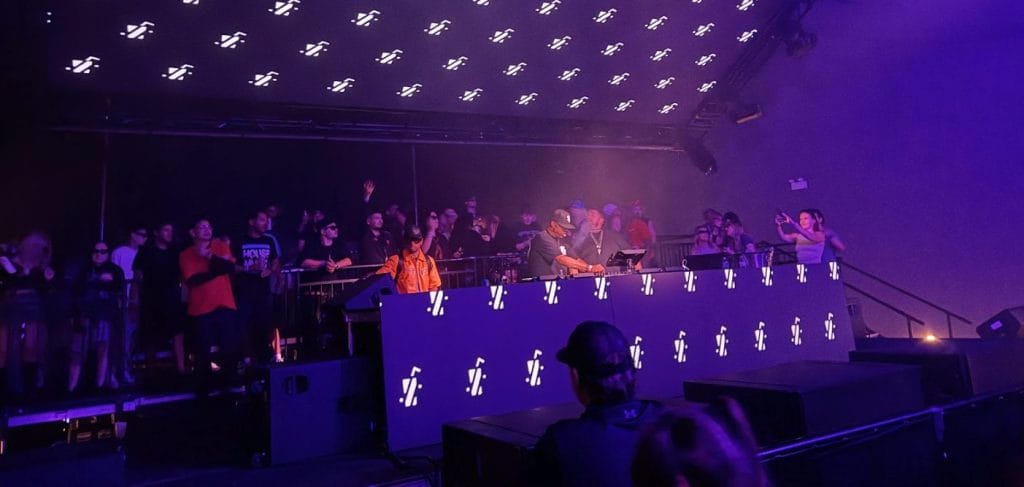
The biggest mistake people make when looking for underground electronic music is searching only by genre. “EDM events near me” will surface a lot, but it will also lump everything into a single messy category. A festival mainstage act, a dubstep night, a deep house party, a techno room, and a local all-vinyl event can all appear under the same umbrella.
A better way to search is by room, crew, and sound. Start asking different questions. Which venues in your city consistently book electronic music? Which local promoters bring in touring DJs? Which collectives run smaller parties? Which bars have a late-night music policy? Which record stores, coffee shops, or listening bars are connected to the local scene?
Once you identify those names, your search gets sharper. Instead of typing “EDM events near me this weekend” every Friday, you can search specific combinations such as:
- “techno tickets Chicago Saturday”
- “house music tickets Los Angeles this weekend.”
- “DJ tickets Brooklyn tonight.”
- “electronic music tickets Miami Friday.”
- “underground dance party tickets Portland.”
That kind of search brings you closer to the events you actually want, especially when paired with TicketX and venue calendars.
Use TicketX
TicketX should be one of your first stops when you are looking for tickets online, but underground events still require local context. Before buying, look at the lineup and ask what kind of night it actually is. A well-known name can appear on a bill that does not match your taste, and a lesser-known bill can have the best programming of the weekend.
Check the venue. A club with a proper booth, late hours, and regular electronic bookings will give you a different night than a multi-use event hall. Check the opener and the local support. In electronic music, the support lineup often tells you who the promoter trusts, who the scene is backing, and how the room is likely to feel before the headliner plays.
Also check the time. Some shows end at midnight, while some clubs run until 2 a.m., and even other warehouse events start late (or dare we say, early) and move slowly. If you care about the actual DJ set rather than the social plan around it, timing can make or break the whole night.
TicketX helps with the ticket side, and then your job is to read the room before you buy. Look at the event page, the promoter’s feed, the venue’s past bookings, and the crowd that normally attends those nights.
Search By Artist
If a DJ you like is playing nearby, search their name on TicketX first. That gives you the most direct ticket path. Then search the promoter, the venue, and the artists listed below them on the flyer.
This second search is where the underground angle starts to open up. The headliner may be the reason you found the event, but the local artists on the bill can point you toward the scene that exists every week. Follow them. Check where else they are playing. See which crews book them. Look at the venues they return to.
This is how you turn one ticket purchase into a better local map. You start with an online ticketing platform to search for one event, then you use the surrounding information to find the next five.
That process also helps if you move to a new city or travel for the weekend. You may not know the local promoters yet, but artist lineups create clues. If three local DJs you like all play the same room across different weekends, that venue probably deserves a closer look.
The Legacy Ways Still Work
Modern ticket platforms are useful for quick discovery and last-minute access, but some older methods are still essential in electronic music. Resident Advisor remains useful for club-focused listings, especially house, techno, electro, breaks, minimal, and left-field dance music. RA can be a useful guide to clubs, DJs, tickets, news, and rave culture, and its platform is built around electronic music rather than general nightlife.
Eventbrite can sometimes be good too, but mostly only for smaller parties, day events, rooftop events, and DIY promoters that use it for RSVPs or early ticket tiers. Its electronic music event pages are broad, but that breadth can help you find events that do not appear on dance-specific platforms.
Venue calendars are still worth checking because some clubs update their own sites before listings spread elsewhere, to avoid fees for early-bird buyers. Others post ticket links through Instagram before third-party platforms catch up. If your city has three or four venues that consistently book DJs, save those calendars and check them every Wednesday or Thursday.
Local radio stations, college radio, record shops, and music newsletters can also help. A late-night dance show on a local station may mention parties that never make it into mainstream listings. A record shop may have flyers near the counter. A café with a proper weekend DJ policy may become a gateway to smaller events, especially in cities where dance music culture intersects with food, art, and design spaces.
Talk To Promoters
There is still no better discovery tool than getting involved. Talk to promoters. Talk to the person running the door if the room is calm enough. Ask DJs where else they are playing. Follow the local support artists. Join the mailing lists that seem active. Pay attention to which crews keep returning with good lineups.
This is important because underground scenes do not always optimize for search. Some parties avoid heavy promotion because the room is small. Some ticket links move through close networks first. Some events are announced late because the venue, permit, or lineup comes together quickly. Some of the best local nights look quiet online because the crowd already knows where to go.
The more you show up, the easier it gets. Promoters remember regulars. DJs post smaller gigs to their stories. Friends send links before events sell out. You start learning which rooms have better sound, which nights bring people for the music, and which listings look better online than they feel in person.
A ticket platform gives you the fast digital layer. The scene gives you the human layer. For underground electronic music, you need access to each one.
Do The Friday Check
Before heading out, do one last check. Confirm ticket availability, price, location, and timing. Then check the venue and promoter pages for set times, entry rules, bag policy, age restrictions, and door updates.
This step can save the night. Electronic events change quickly. Set times move. Support acts get added. Entry can become limited. A “tickets at door” event can fill up earlier than expected. The weather can affect outdoor parties. A late-night venue may post an update that never reaches the original ticket page.
Also check transportation because underground events can happen in neighborhoods where rideshares surge late, parking is limited, or public transit stops before the event ends. If you are planning around a closing set, figure out how you are getting home before you commit.
Building A Weekly Search Habit
The best system is simple. On Tuesday or Wednesday, check TicketX and other ticket platforms for your city, then search by genre, artist, and venue. Save anything that looks promising. On Thursday, check Resident Advisor, Eventbrite, and your core venue calendars. On Friday, check promoter pages, artist stories, and online listings for last-minute tickets.
After the weekend, follow the artists and promoters from the event you liked. Do this a few times, and your search process gets faster. You stop relying on broad EDM searches and start building a personal map of the city’s electronic music infrastructure.
That is how you find better events. Use online ticketing for practical access, then use the local scene to understand which events deserve your night. The search starts online, and the best results usually come from paying attention after you get there.

Magnetic byline note: This byline is used for staff produced updates and short announcements, often based on press materials and official release information. Editorial responsibility: David Ireland (Editor in Chief) and Will Vance (Managing Editor). About: https://magneticmag.com/about/ Masthead: https://magneticmag.com/masthead/ Contact: https://magneticmag.com/contact/