Table of Contents
Live electronic music has reached an interesting point in 2026, as the format now has to prove itself to a room full of people who already understand dance music. The audience knows the difference between a DJ set, a hybrid performance, a live show, and a concert-scale electronic act and that means the artists who really connect live have to offer something specific.
They need to make the room feel like the music is being shaped in front of you, even when the material has been heard a hundred times on records, playlists, and festival clips.
That is the tension behind any good live electronic show, especially when electronic music is often built in private, assembled through software, hardware, editing, resampling, arrangement, and small choices that most listeners never see. A live act takes that private process and turns it into a shared public event. The best performers understand that the stage does not need to explain every technical move. It needs to make the decision-making feel present.
That is also why 2026 feels like a good year to think about live electronic music with a little bit of intention.
The format has matured past the simple thrill of seeing a producer stand behind gear. The best acts now have identities that are easy to understand from the crowd. Some use voice. Some use band structure. Some build patient melodic arcs. Some bring club music into concert-scale rooms. The common thread is simple: the performance gives you a reason to be there.
For anyone planning festival weekends, destination shows, or a run of club nights this year, we’ve curated a resource for live electronic music tickets in 2026, and we’ve found that TicketX can help narrow the search for electronic EDM tickets while cutting out a lot of the BS fees associated with live music these days. The nine artists below offer a useful cross-section of where live electronic performance sits right now.
Fejká
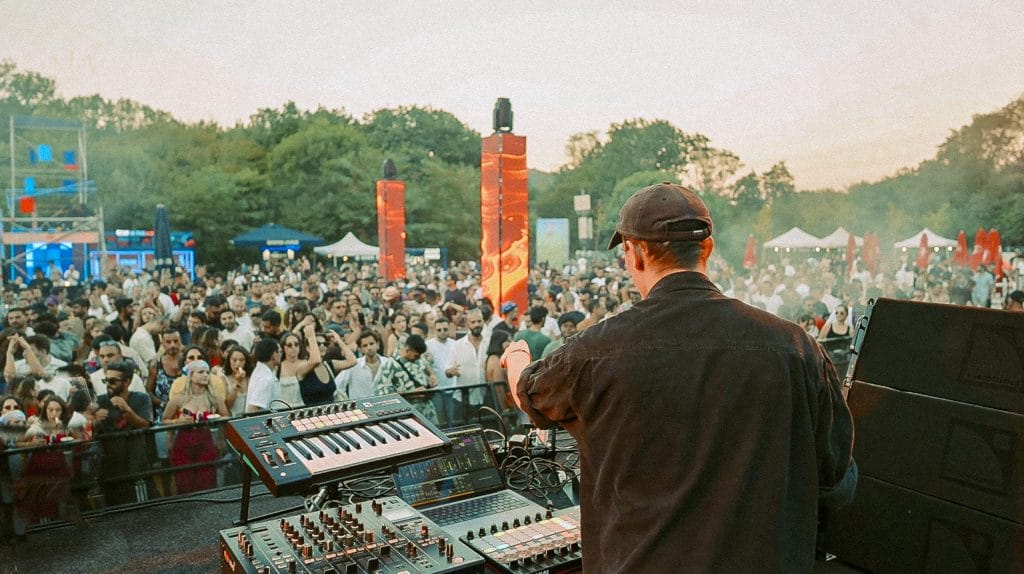
Fejká is the kind of artist who makes a live electronic set feel measured without losing its physical pull.
His music has a softer melodic center, yet it still understands the floor and the dancers that populate it. That combination is harder to maintain than it sounds because too much atmosphere can drain the tension and groove from a set, while too much pressure can flatten the details that made the music interesting in the first place.
What works about Fejká is the way the music builds through small decisions. A synth phrase enters and stays long enough to become familiar. A percussion part tightens the room without asking for attention. The low end gives the set direction, while the melodic material keeps the whole thing from becoming purely functional. In a live setting, those details have room to register.
He is also the perfect option to start this list in 2026 because many listeners are looking for electronic music that can sit between the club and the concert space, and that’s exactly where Fejká is at. His sets can work outdoors, during sunset slots, in late-night rooms, and at boutique festivals where the audience wants movement without constant impact. That range gives him a real advantage.
The best case for seeing Fejká live is simple. His music benefits from space. The records already carry a clear mood, although the live setting allows the arrangements to breathe differently. You hear the transitions, the restraint, and the way each part is placed.
That is where his show can feel personal without becoming overly precious.
LP Giobbi
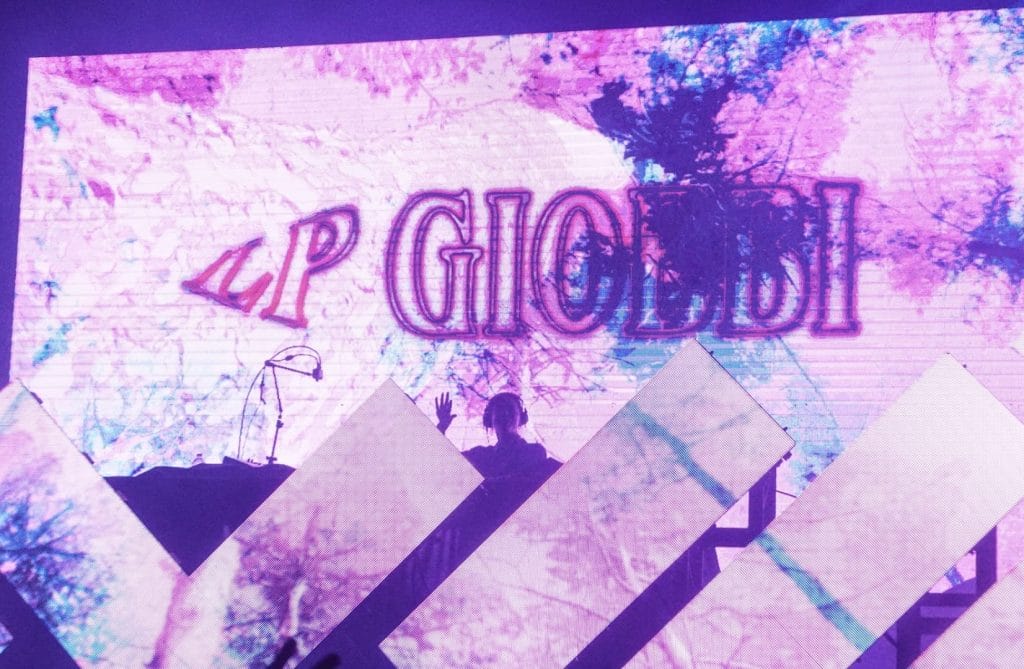
LP Giobbi is one of the easiest additions to this list because her show has a clear point of view. A lot of electronic artists can move a room, and plenty of them can play piano, yet very few bring those skill sets together with her level of ease. Her background as a trained jazz pianist comes through in the way she plays, phrases, and responds to the room, giving her sets a live-wire quality that a straight DJ slot usually cannot match.
That piano background also gives people something to watch.
Electronic music can sometimes turn into a closed process on stage, where the crowd hears the result without seeing much of the decision-making. LP Giobbi cuts through that problem because the keys bring the performance into view.
She also feels like a very 2026 artist because her career connects several lanes that used to feel separate. She has the club background, the festival momentum, the musician’s training, and the community work through Femme House, which has helped expand access for women and gender-expansive creators in electronic music.
The reason to see LP Giobbi live is simple: the show feels played, not presented and that is a big difference. Her sets still deliver the release people want from house music, yet the piano gives the whole thing a visible human center. In a year full of large-format electronic tours and polished festival sets, that kind of live presence is worth seeking out. Plus, she’s from Eugene, Oregon, which is where I went to college, so that helps my adoration for her music immensely.
The Midnight
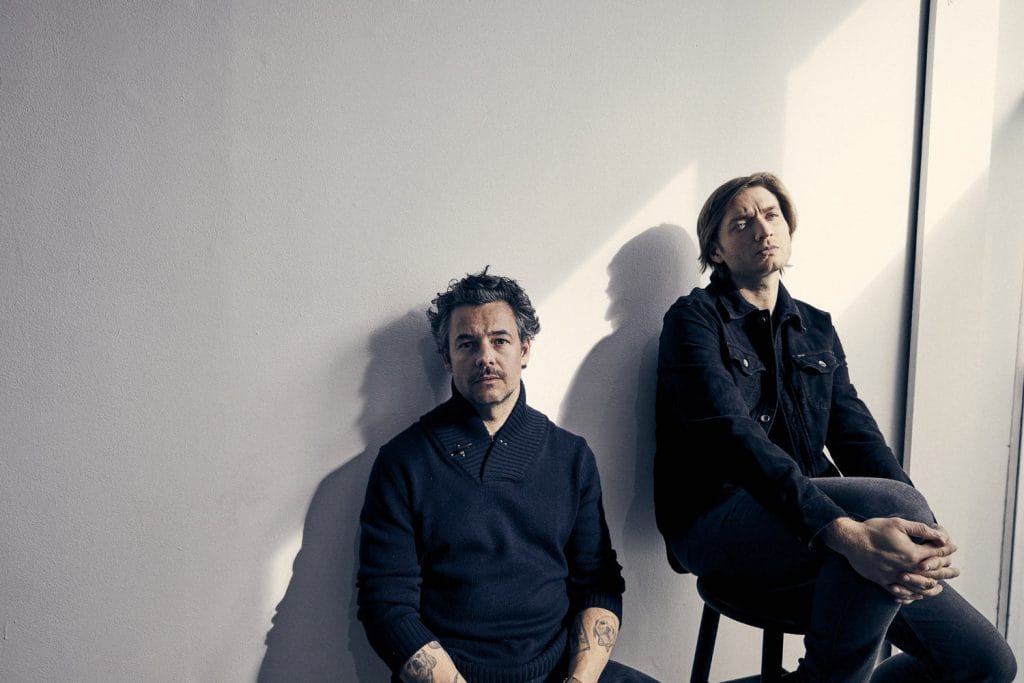
The Midnight brings a very different argument into this list, which is exactly why I’d include them. A lot of live electronic acts are built around the question of how much of the studio can be rebuilt on stage. The Midnight come at it from another angle: what happens when synth-led songwriting is treated like a full concert format?
That distinction gives their show a different role in the piece.
They are less about club pressure and more about songs, hooks, sax lines, vocal delivery, and the kind of stage pacing that can bring in fans who might not usually think of themselves as electronic heads. That is a useful lane because live electronic music in 2026 is not one clean category. Some of it belongs in clubs. Some of it belongs at festivals. Some of it works best in theaters and mid-sized rooms where the writing has enough space to carry the night.
The reason to see The Midnight live is that their show gives electronic production a song-first frame.
You get synths, programmed textures, live vocals, and instrumental performance working toward material people can sing back in the room. That makes them a smart addition here because they widen the idea of what a great live electronic act can be in 2026.
Mark Tarmonea
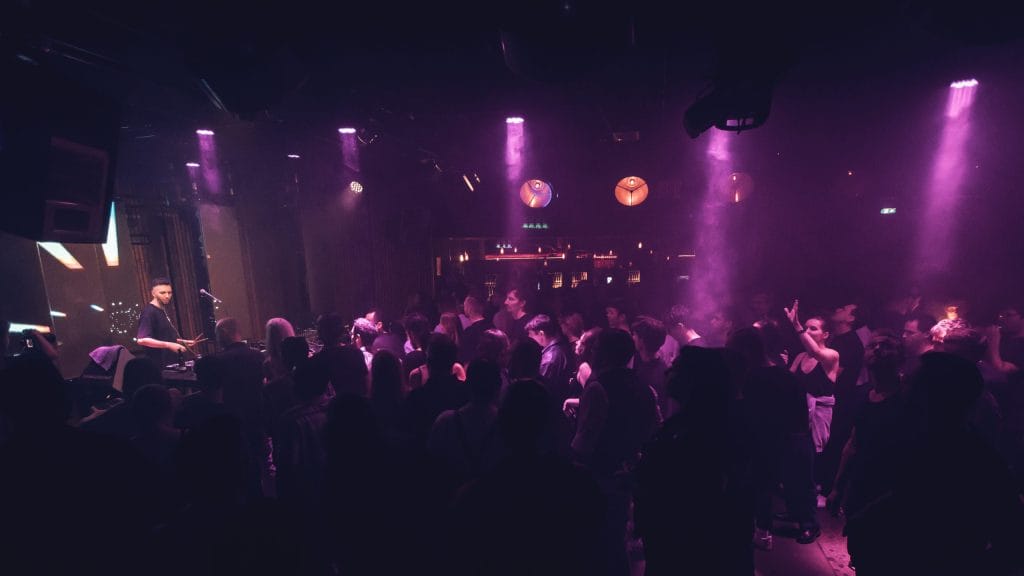
Mark Tarmonea deserves a place in this conversation because he represents a different branch of live electronic performance: the producer-as-singer-songwriter-and-stage-presence. He describes himself as a DJ, music producer, live act, and label founder, and recent public updates point toward live set preparation for 2026.
That matters for a big reason. A live electronic artist with a clear vocal identity can reach the room in a different way than a producer working solely with instrumental material. Tarmonea’s music has a song-first quality, yet it stays connected to the structure of house and techno. That gives the show a readable center without removing the tension that dance music needs.
There is also a broader idea here about what people want from live electronic music in 2026. Audiences are increasingly fluent in dance music and they know what a good vs. bad DJ set is. They know what a festival headline slot looks like. The live act has to offer a different form of presence. In Tarmonea’s case, the voice becomes part of that presence.
That does not mean the show has to operate like a traditional concert. The fun is in the middle ground. You get songwriting, emotional connectivity, and live performance energy, while the production still belongs to the club. For fans who want electronic music with a human focal point on stage, Tarmonea is an artist worth watching this year.
Tinlicker
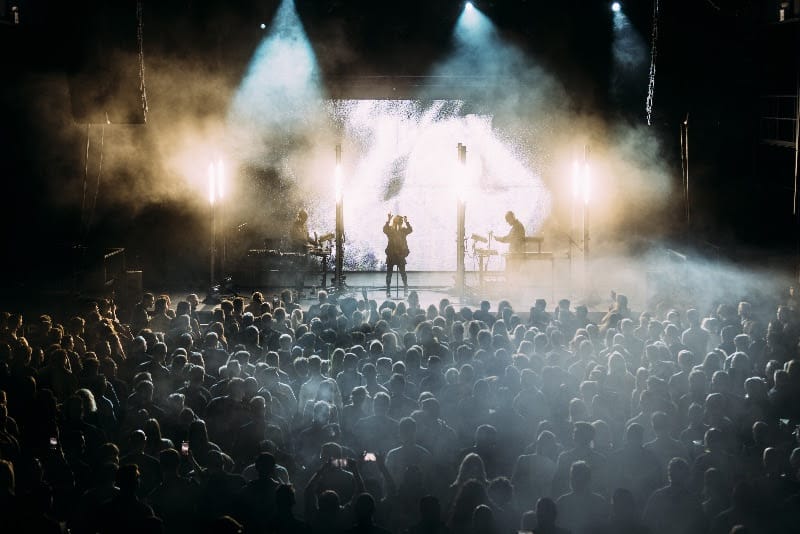
Tinlicker has become one of the strongest bets in melodic electronic music because they understand scale.
Their music offers enough clarity to work on large systems, yet it retains a clean production identity that rewards closer listening. In 2026, that combination has real value because electronic lineups are crowded, attention is split, and artists have limited time to establish a point of view.
The appeal of Tinlicker live comes from how well their records translate to a variety of environments. The melodic lines easily connect. The drums are punchy, textured, and polished, and the bass is warm, soft, and yet still oh-so-phat. The arrangements have enough shape to guide an audience through a long set without needing constant tricks. That sounds basic on paper, although many artists struggle with that exact task once the music leaves the studio.
Tinlicker also sits in a useful space between progressive house, melodic techno, and the broader festival audience. That makes them easy to recommend because their sets can bring in listeners from different entry points. Someone who follows Anjunadeep-adjacent music will understand the appeal.
Someone who comes from larger festival stages will also find a way in.
The reason to see Tinlicker in 2026 is that they know how to make melodic electronic music feel organized at scale. The show does not need to overwhelm the room. It needs to carry the room through clean ideas, clear transitions, and patient release. Tinlicker do that with a level of consistency that deserves attention.
Ben Böhmer
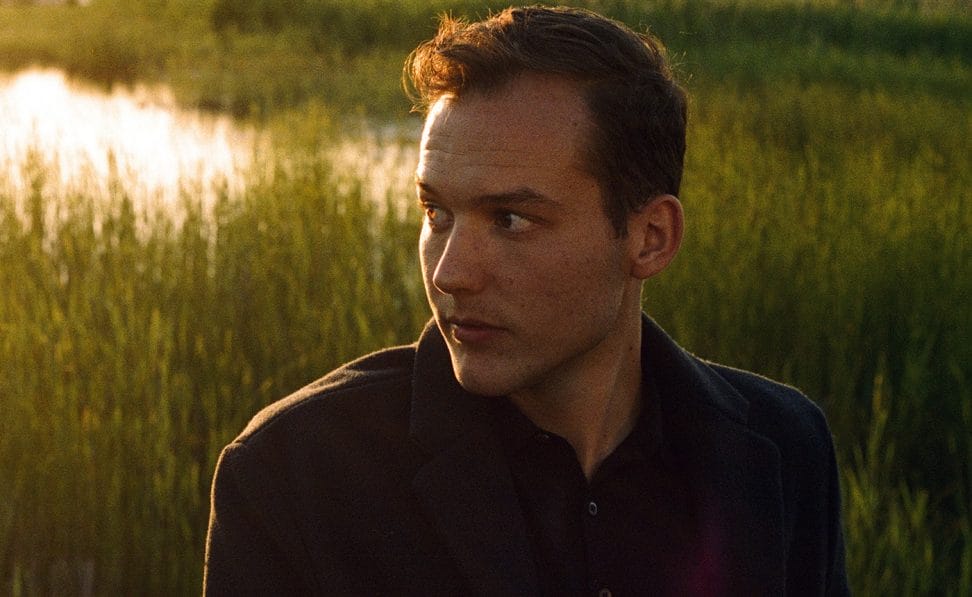
Ben Böhmer has become one of the clearest examples of the modern melodic live electronic artist and was among those who helped pioneer the melodic-house live act as big a thing as it is today. His music is precise, patient, and structured around details that can feel small on first listen but become essential once you hear them on a proper system. That is a useful trait in live performance because it gives the set room to build without forcing every section into obvious peak-time language.
What makes Böhmer compelling live is the sense of scale.
The melodic ideas are easy to follow, the percussion stays controlled, and the arrangements tend to leave room around the main elements, and yet the subtle alchemy of it all feels larger than life. That restraint gives his sets a particular kind of focus. You hear the shape of the music instead of feeling buried under layers.
There is a lesson in that because live electronic music does not need constant motion to hold attention.
Sometimes the better move is to let a phrase repeat until the room understands it, then change one part at the right moment. Böhmer’s music works well in that space because it has enough patience to let those changes register.
In 2026, he remains one of the best live electronic acts to see because his show can handle different scales. It can work at a festival, in a concert setting, or alongside larger electronic names. The material has reach, yet it keeps enough detail to avoid feeling anonymous. That is a hard balance, and Böhmer has turned it into one of the defining qualities of his live show.
Christian Löffler

Christian Löffler makes live electronic music that asks for attention in a subtler and quieter way. His sets often feel built around space, repetition, and careful melodic placement. The music moves, though it usually does so quite patiently. That patience is a big part of the draw.
In a live setting, Löffler’s work gives you time to notice what is changing. A texture enters slowly. A rhythm tightens. A melodic figure returns with a slightly different role. The set rewards listeners who are willing to stay with those details. That makes him a different kind of recommendation than the bigger festival acts on this list.
He also fits into 2026 because audiences have become more comfortable with electronic music in concert-focused rooms. Löffler’s music can work on a dance floor, yet it can also sit comfortably in spaces where people are listening with the same focus they would bring to a seated performance. That flexibility gives his live show a clear identity.
The reason to see Christian Löffler live is that he treats restraint as a structural choice.
The music does not rush to explain itself. It develops through placement, repetition, and tone. For listeners who want a live electronic act that values patience and detail, he remains one of the most worthwhile names on the calendar.
Jan Blomqvist
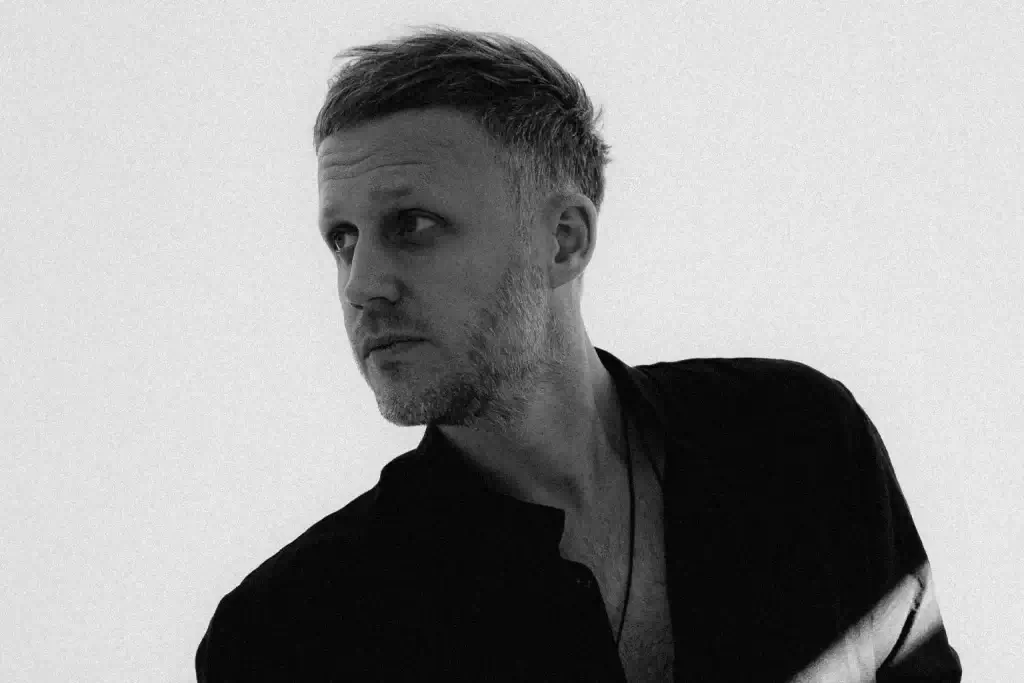
Jan Blomqvist brings live electronic music closer to the band’s language.
That does not mean the club’s influence disappears. It means the songs, vocals, and stage format become part of the same presentation. That is why his shows can feel distinct from a standard electronic set before the music even reaches the halfway point of the first section.
His work has always carried a clear relationship between songwriting and dance production. The vocal lines give the songs a center, while the rhythms and synth programming keep the performance grounded in electronic music. Live, that combination gives the crowd something visible to follow. The presence of a band format can change the energy in the room because the timing between players becomes part of the experience.
That is especially useful in 2026, when audiences are used to electronic music being presented at every scale imaginable. Blomqvist’s show has an identity that is easy to grasp. It has vocals, songs, stage presence, and enough dance music DNA to keep the room moving.
The best reason to see Jan Blomqvist live is that his format gives electronic music a social and physical dimension that feels different from a DJ set. The songs have room to stretch. The voice gives the crowd a point of connection. The production keeps the set from drifting too far from the club. That balance is where his live show earns its place.
RÜFÜS DU SOL
RÜFÜS DU SOL sits at the biggest end of this conversation only because they are the most obvious shoo-in for a list like this. They are one of the clearest examples of electronic music as a full concert experience, with vocals, drums, synths, lighting, pacing, and stage production working together in a way that reaches far beyond the normal club framework.
What they offer in 2026 is a reminder that live electronic music can function at an arena level without losing its connection to dance music. The songs are built for large rooms. The choruses give the crowd something to hold onto. The production gives the show size. The live instrumentation adds a visible human element that helps the performance read from the back of the venue.
Large electronic shows can feel distant when the audience has no clear sense of what is happening on stage. RÜFÜS DU SOL avoids that problem because the band format gives the performance a center. You can see the vocals, drums, keys, and staging working together. The result is a show that feels built for the scale it occupies.
For fans planning one major electronic concert in 2026, RÜFÜS DU SOL are the obvious large-room choice. The ticket will likely sit at the higher end of this list, yet the production value and catalog depth give the show a clear purpose. It is electronic music presented with the confidence of a full arena act.
How To Think About Live Electronic Music In 2026
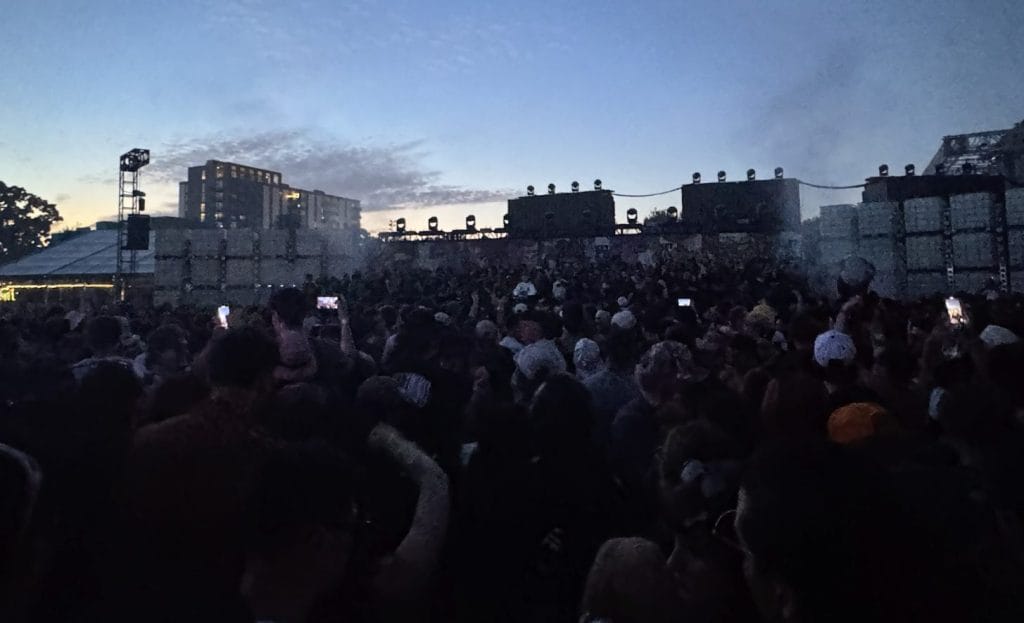
The best way to choose a live electronic act in 2026 is to think about format first. Fejká and Christian Löffler make the most sense for listeners who want detail, space, and gradual development. Tinlicker and Ben Böhmer are ideal for melodic electronic fans who want clarity on larger systems. Mark Tarmonea and Jan Blomqvist bring voice and songwriting into the room. RÜFÜS DU SOL offer the full concert-scale version of the form.
That distinction matters because a “live electronic act” can mean many different things. Some artists perform with hardware and stems. Some rebuild their own catalog for the stage. Some bring musicians. Some sing. Some create a hybrid between club performance and concert structure. None of those formats is automatically better. The point is to know what kind of night you are buying into.
There is also a practical case for mixing scales. See one larger act that can show what electronic music looks like with full production. See one smaller act in a room where the details are easier to hear. Those two experiences will give you a better understanding of the format than chasing festival headliners alone.
That is the big appeal of live electronic music in 2026. It shows you how artists think once the music leaves the controlled environment of the studio. You hear the decisions in public. You hear how long they hold a section, how they manage tension, how they use repetition, and how they respond to the room. The best acts make those choices feel clear without making them feel instructional.
Final Thoughts
The best live electronic acts to see in 2026 are the ones with a defined reason to be on stage. Fejká, Mark Tarmonea, Tinlicker, Ben Böhmer, Christian Löffler, Jan Blomqvist, and RÜFÜS DU SOL each offer a different answer.
Fejká gives you detail and motion. Mark Tarmonea brings voice and club structure together. Tinlicker offers a clean melodic side of thing where Ben Böhmer shows how restraint can fill a large room. Christian Löffler rewards close listening. Jan Blomqvist brings band presence into electronic music. RÜFÜS DU SOL show how far the format can reach when it is built for a major stage.
That is why this category feels worth watching in 2026. Live electronic music has grown into one of the clearest ways to understand an artist’s instincts. The studio gives you the record. The stage shows you how the artist thinks under pressure, in real time, with the room listening back.

Will Vance is a professional music producer who has been involved in the industry for the better part of a decade and has been the managing editor at Magnetic Magazine since mid-2022. In that time period, he has published thousands of articles on music production, industry think pieces and educational articles about the music industry. Over the last decade as a professional music producer, Will Vance has also ran multiple successful and highly respected record labels in the industry, including Where The Heart Is Records as well as having launched a new label with a focus on community through Magnetic Magazine. When not running these labels or producing his own music, Vance is likely writing for other top industry sites like Waves or the Hyperbits Masterclass or working on his upcoming book on mindfulness in music production. On the rare chance he's not thinking about music production, he's probably running a game of Dungeons and Dragons with his friends which he has been the dungeon master for for many years.





![[Free eBook For Musicians] Career Foundations For Music Producers: True Strategies And Harsh Realities To Start Getting Paid For Your Music](https://magneticmag.com/wp-content/uploads/2024/05/Untitled-design-2024-05-09T141425.352.png)