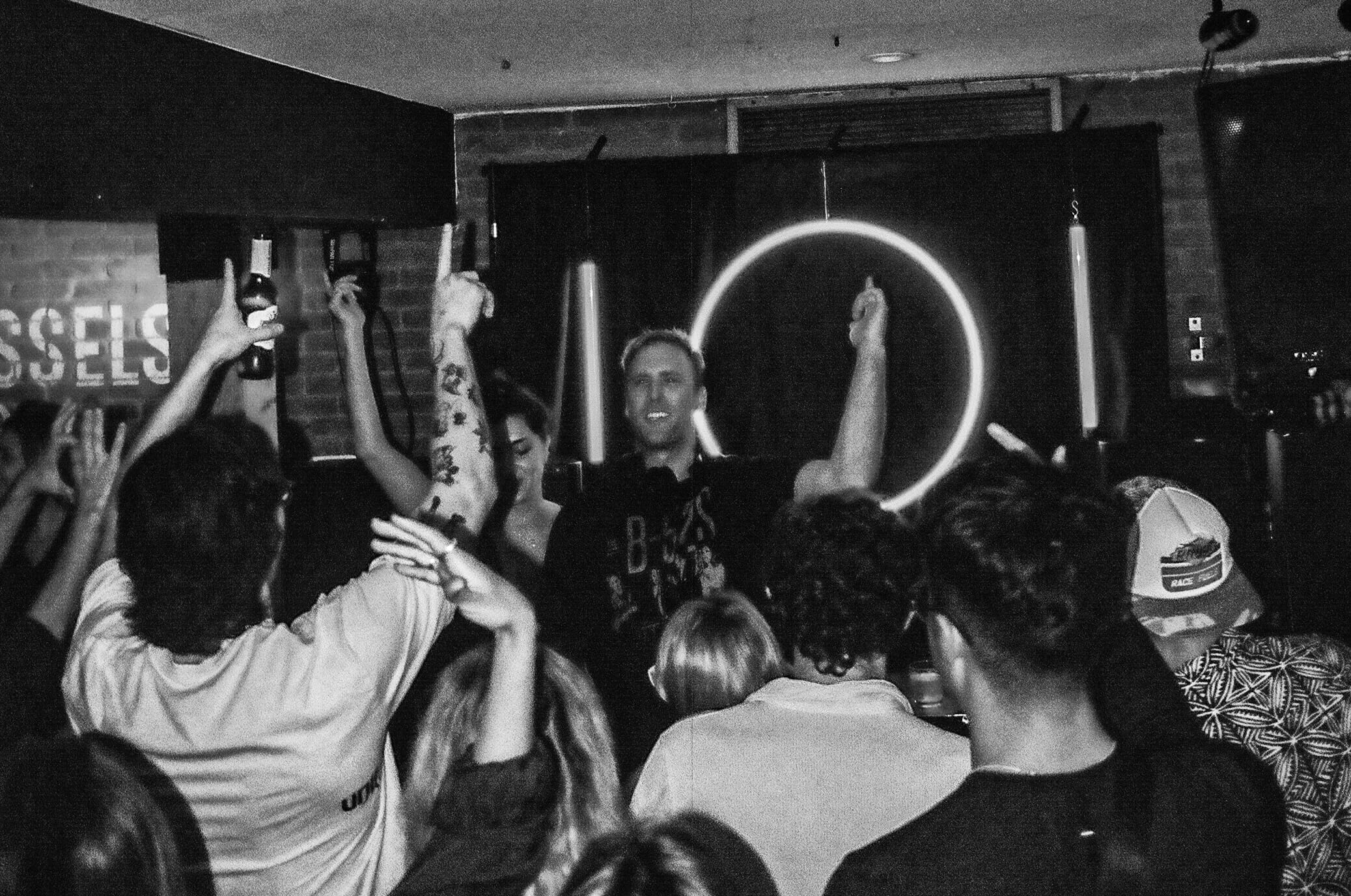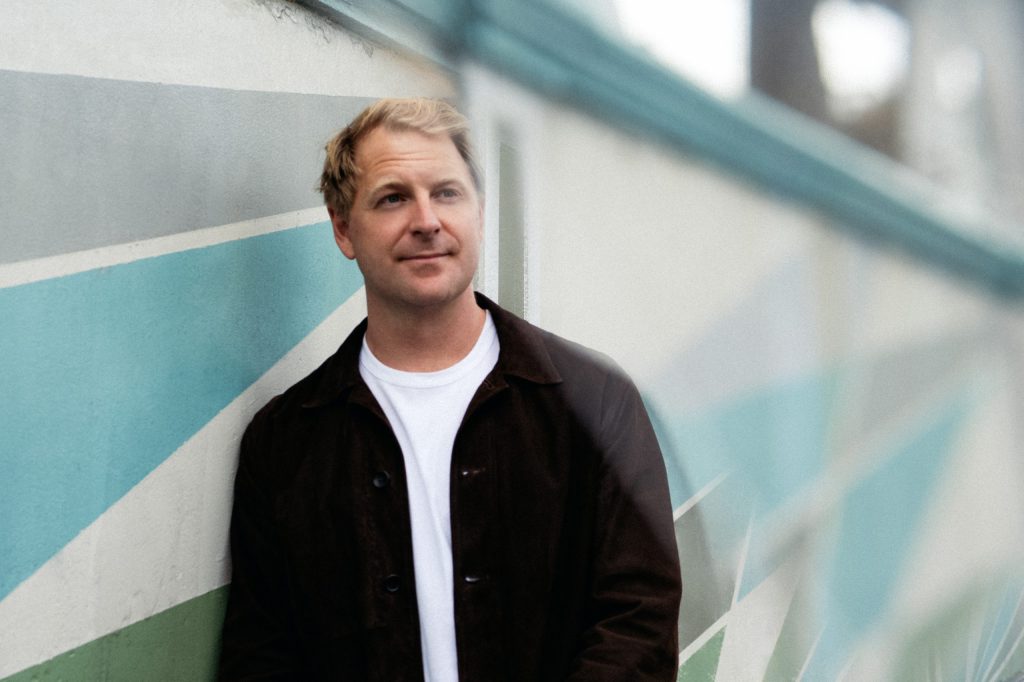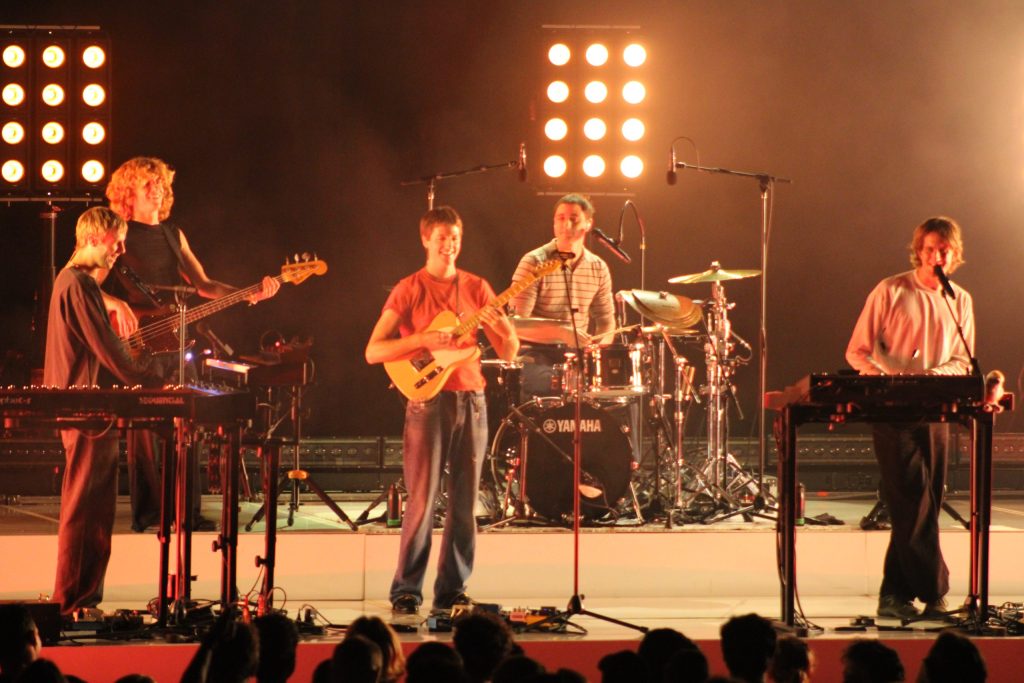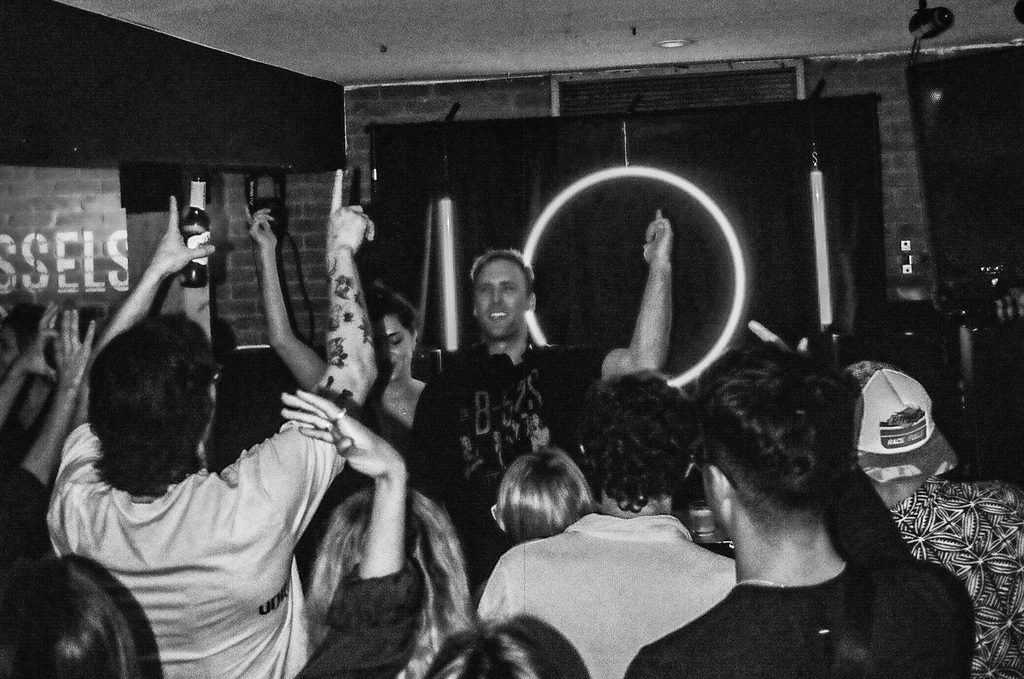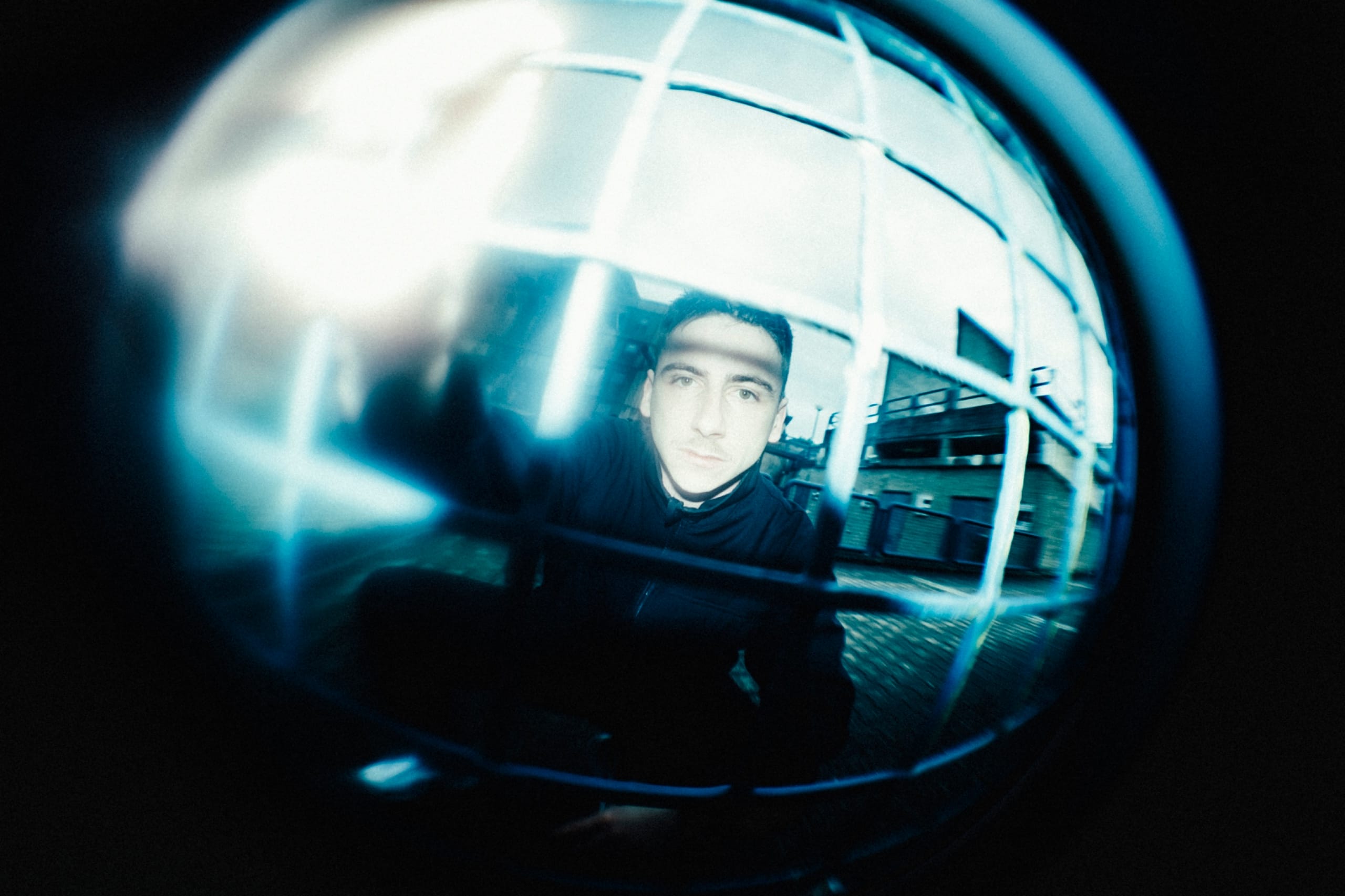
DJ Sun (@douwantdjsun)returns to OTIUM with Para Social Activity, a four-track EP which dropped on June 5, 2026, and the concept hits close to the way club culture now exists between the room and the feed. Across “Seen,” “Unseen,” “Infinity Scroll,” and “Para Social Activity,” the project looks at parasocial connection, digital perception, and the way artist identity can get shaped by what audiences capture, edit, share, and project back onto the person behind the music.
That idea fits DJ Sun’s background.
His path started through illegal raves, then moved into building his own parties and founding OTIUM collective in 2018. The project carries that origin point into the music, pulling from hip-hop, jazz, house, and club-focused techno, with fragmented vocals and digital textures giving the EP a direct connection to scrolling, feedback loops, and the blurred line between real connection and online proximity.
In the conversation below, DJ Sun talks about the first moments when his music started reaching people beyond the dancefloor, the role DJs play in shaping shared memory, and why some of the most meaningful contributions happen away from recognition.
For a release centered on parasocial activity, his answers bring the conversation back to something direct: rooms, people, trust, and the long-term work of building spaces that are about music first.
Interview With DJ Sun
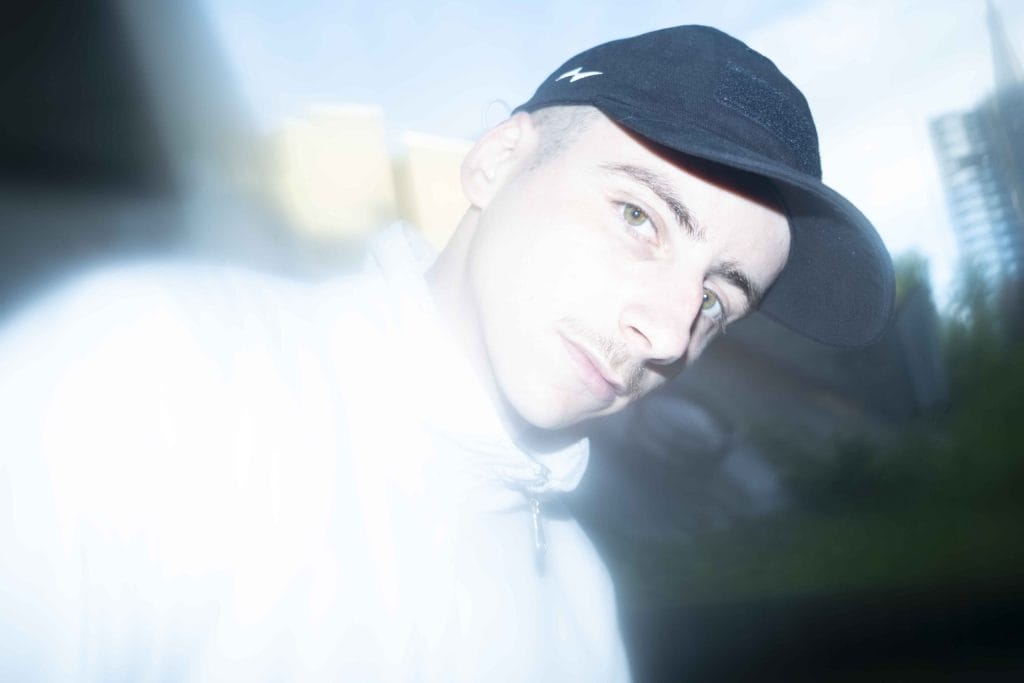
When did you first sense that your music resonated with people beyond the dancefloor?
I think it hit me during the illegal raves back in Switzerland. Not because people were dancing, but because of what was happening around it. People staying until sunrise, helping build the setup, coming back every time. It felt less like “playing music” and more like holding something together. Back then, nobody cared about social media clips or who had the biggest name on the flyer. It was more about creating a moment that people genuinely needed.
Sometimes you’d see strangers talking for hours outside while the sound was still running in the background. The music became an excuse for connection. That’s when I understood that a party could become something way bigger than entertainment.
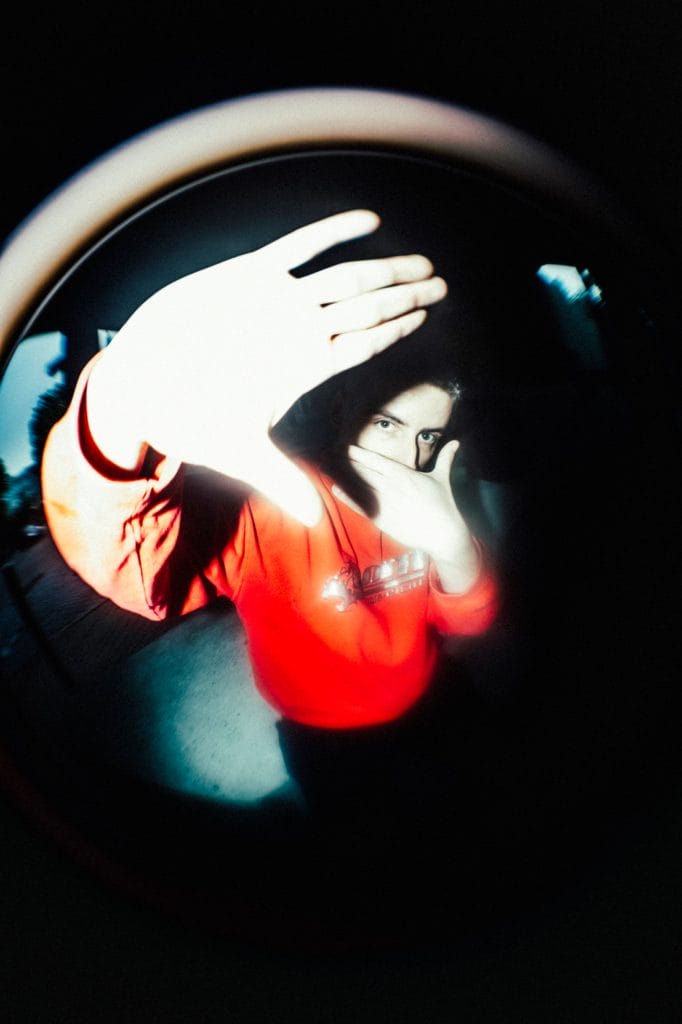
Have you witnessed moments where your DJing influenced someone’s life or creative direction?
Yeah, a few times. People telling me they started producing after a night, or that a set changed how they approach music. But I don’t over-romanticize it. I think we’re all part of the same loop. I got influenced the same way.
Some people discover electronic music through clubs, others through one specific moment during a night that stays with them. I’ve had conversations with people who told me they started seeing nightlife differently after experiencing more intimate or raw environments.
Not in a “life-changing” cinematic way, but more like opening a door creatively or emotionally. I think that’s the real power of this scene. Small moments that slowly shape people over time.
In your view, what part do DJs play in shaping shared memories and collective emotion?
A DJ is basically managing tension and release in real time. You’re not just selecting tracks; you’re shaping how a room feels, minute by minute. And in the right context, that becomes a shared memory.
Not because of one drop, but because of how everything connects, the sound, the space, the people. You can’t force it, but you can guide it. I think people often underestimate how emotional club culture can be. Sometimes a room full of strangers can feel strangely unified for a few hours. A good DJ reads that energy and reacts to it instead of fighting against it. The best nights usually happen when the crowd and the artist stop feeling separated from each other. It becomes one moving thing.
Is there a contribution you have made that feels meaningful to you, regardless of recognition?
Building OTIUM and pushing events in places that weren’t meant for it. Under bridges, in forests, raw spaces. At the beginning, it was never about building a brand or chasing visibility. It was more about creating situations that felt honest and intense. And also creating spaces where the focus shifts, where people come for the music, not for who’s playing. Stripping things back, removing the usual markers, letting the room speak for itself.
I always found it interesting when people stop caring about status and start experiencing the moment differently. Those nights felt more human somehow. Even now, those memories probably mean more to me than most achievements on paper.
How do you create space to give back to your community while continuing to grow creatively?
By staying involved on both sides. Not just playing, but organizing, supporting releases, giving opportunities to others. I think it’s important to stay connected to the full ecosystem and not only focus on your own career. A lot of what I’ve learned came from people around me sharing knowledge, giving chances, trusting me early on. So naturally, I try to do the same whenever I can.
At the same time, I also need distance and studio time to keep evolving creatively. If you constantly stay in the social side of music, you can lose your own direction. It’s a balance. If you only give, you burn out. If you only take, you disconnect. I try to stay somewhere in between.

Will Vance is a professional music producer who has been involved in the industry for the better part of a decade and has been the managing editor at Magnetic Magazine since mid-2022. In that time period, he has published thousands of articles on music production, industry think pieces and educational articles about the music industry. Over the last decade as a professional music producer, Will Vance has also ran multiple successful and highly respected record labels in the industry, including Where The Heart Is Records as well as having launched a new label with a focus on community through Magnetic Magazine. When not running these labels or producing his own music, Vance is likely writing for other top industry sites like Waves or the Hyperbits Masterclass or working on his upcoming book on mindfulness in music production. On the rare chance he's not thinking about music production, he's probably running a game of Dungeons and Dragons with his friends which he has been the dungeon master for for many years.