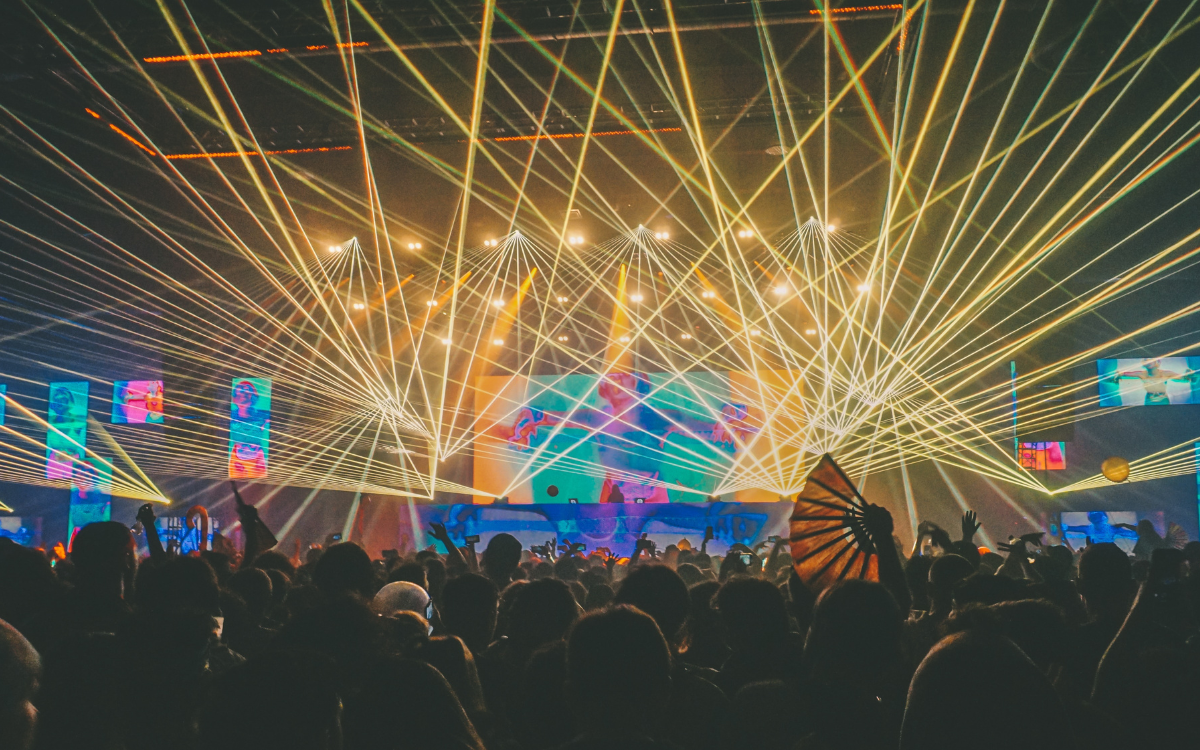
The landscape of the music industry has always been susceptible to evolution and change. In this riveting journey through time, we chart the rise of Electronic Dance Music. This genre redefined not only the masses’ auditory aesthetics but also the music industry’s infrastructure. From the birth of online music streaming services to the emergence of DJ megastars, we examine how electronic dance music capitalized on technological advances and cultural shifts to carve out its place in the mainstream.
The impact of this digital revolution was not just confined to reshaping music distribution and consumption patterns; it also caused a profound paradigm shift within the music production scene. Suddenly, music was no longer a domain exclusive to those with access to professional studios and hefty investments; it became accessible to anyone with a laptop and internet connection. We’ll explore this transition and its repercussions, examining the effects on music festivals and the increasing symbiosis between the genre and the mainstream masses.
Impact of Music Streaming Services
Throughout the 1990s and even the early 2000s, most music was consumed via the radio or through direct sales of CDs and other complex products. But around this time, the internet became the primary way users, especially younger generations, consumed and enjoyed music. Nothing is more conducive to the tech-driven medium than electronic dance music.
Streaming services like SoundCloud and YouTube, two of the bigger juggernauts of the time, democratized the distribution of dance music and opened up countless opportunities for people to discover music either directly from the creators of the music or specific curators whose taste was trusted by the masses. As DJs checked off both boxes, it’s easy to see why dance music rode the wave to perfection.
This was all great for dance music, in theory. Still, in practice, the internet poured even more fuel on the fire as platforms like YouTube and Soundcloud had little to no power to keep up with copyright issues and other legalities like they do today, leading to an explosion in remix and bootleg culture that dominated the earliest years of the EDM boom. Bootleg remixes, mashup DJs, and more dominated the airwaves and converted fans of a wide range of genres into electronic music fans when they discovered some bootleg remix of their favorite song.
Girl Talk was one such DJ who found vast amounts of success almost entirely off of mashups and bootlegs, and you’d be hard-pressed to skip to any random moment in a set of his from the last decade where some familiar sound byte or sample isn’t being played over and within his dance-focused remixes and flips.
The Rise Of The DJ Megastar
The initial rise in popularity saw the genre’s first megastars begin to rise in prominence. And while older DJs like Pal Oakenfold or Jeff Mills may have been pioneers of the genre, fresh and younger faces flipped it into something far more palatable to the masses. Around this time, artists like Skrillex, Zedd, Avicii, and others careers skyrocketed to superstars.
And with the shifting markets and bigger booking fees, artists who had already been in the game for a few years started to shift their focus to a more commercial sound. Around this time, artists like Calvin Harris and Tiesto, who had been producing more underground genres like Acid and Trance, shifted their direction to follow the trends and found massive success. Listen to one of Calvin Harris’ earliest releases, a drum-centric track called ‘Brighter Days,’ and note the substantial difference it has compared to even his now-dated tracks that garnered him his success on the radio.
Technological Advances and Accessibility
Until the 2000s, music was extremely expensive. It required a label or artist to invest in studio time, mixing work, mastering, promotion material, and simply time to record the music in the studio. This meant that studios and labels only invested in artists that they believed had something special, and even still, it would take months or even years for the music to be recorded, produced, and eventually released.
But it was around the early 2000s when music technology became powerful and affordable enough to allow anyone who wanted the opportunity to make beats, loops, and music from their home. They would need a laptop, and you could theoretically make a commercially-viable song.
Not only could anyone with a rudimentary knowledge of music theory and the internet understand enough to find a cracked version of Ableton to make a track, but, as mentioned above, platforms like YouTube also helped fuel the educational space around music production and an entire niche of online production tutors began sprouting up. Artists like Lucky Date, whose YouTube channel seems to be a thing no longer, launched an entire career off of being one of the earliest production-based content creators on the platform. The democratization of music production and the skills required to make releasable music began seeing thousands of producers, all with a dream of being the next big DJ, flood the space with music.
The Events Industry
It was around this time that massive events started to take notice of the genre’s growing popularity and started stacking their lineups with DJs to meet the demand of their attendees. Those on the backend of such festivals welcomed the low levels of maintenance DJs require – at least from a logistical perspective, egos are a completely different story – as organizers usually just had to set up a set of Pioneer CDJs that artists could plug into and play their set instead of having to swap out entire drum kits, guitar racks, and other accouterment that conventional bands always tour with.
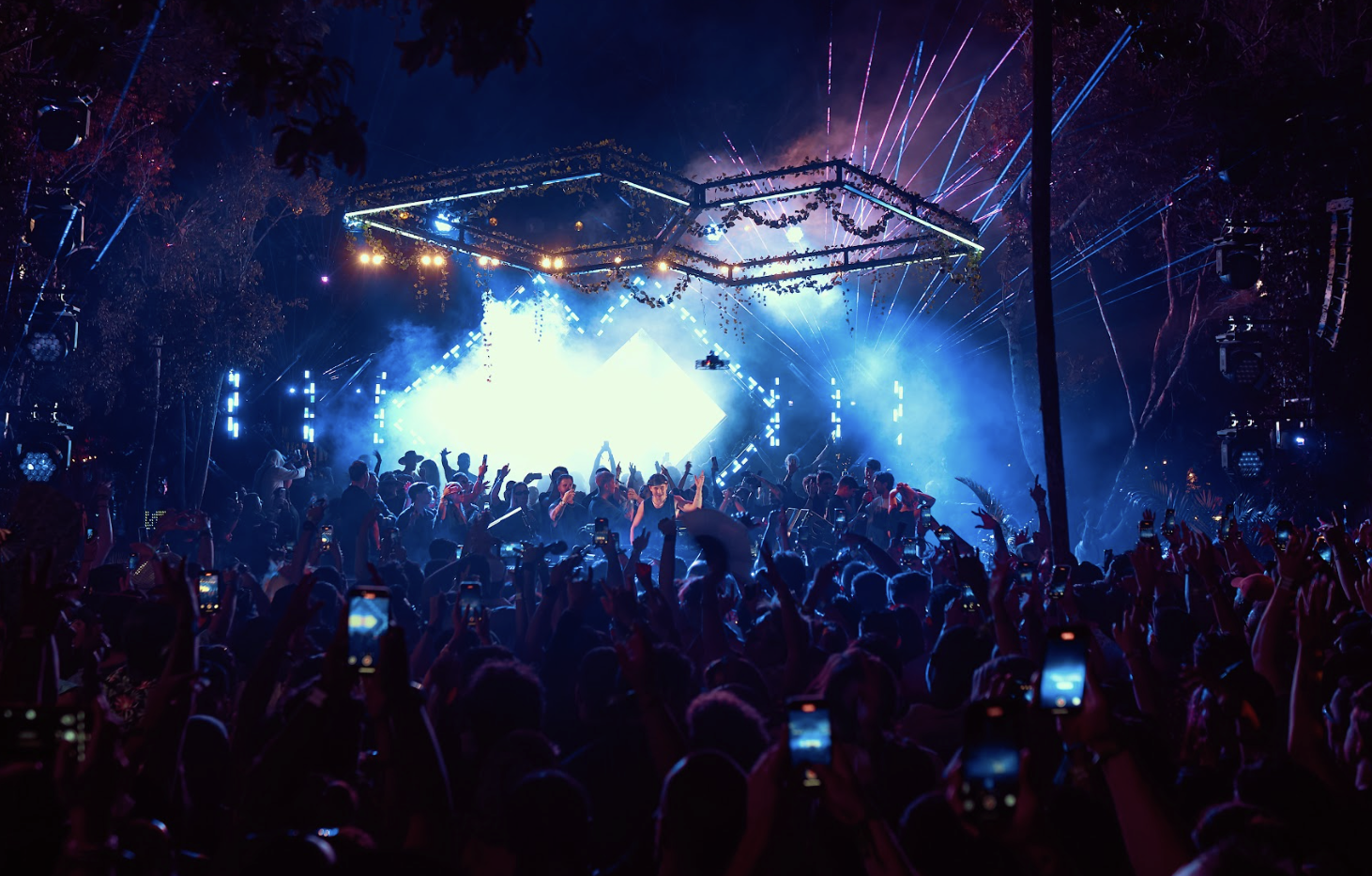
Around this time, massive EDM-focused events like EDC and Tomorrowland went from more niche festivals. They became meccas for any genre lovers, sparing no expense and turning these weekend-long rage fests into unparalleled spectacles and experiences. Larger corporate backings and partners began seeping into the space as well, and massive mergers and acquisitions turned a scene that, at least at the time, seemed pretty DIY into a money-printing industry that was dialed into a T.
Collaboration with Mainstream Artists
EDM and electronic-inspired productions quickly began to dominate the popular radio space. Zedd’s track ‘Clarity’ made the radio go full EDM, but more subtle crossovers and collaborations in tracks such as Calvin Harris & Rihanna or Kayne & Daft Punk helped usher in a completely new wave of would-be-lovers of the genre.
The rise in popularity of EDM on the radio was seen as a refreshing alternative to the stagnating rap scene at the time, drawing in new listeners and suggesting a period when rap music may have been seen as becoming repetitive, unoriginal, or stuck in a creative rut. This could be due to several factors, such as a lack of innovation, overuse of similar themes and beats, or general fatigue among listeners.
The shift of listeners from rap to EDM signifies the dynamic nature of music trends. These trends continually evolve as audiences seek fresh and novel experiences and as artists and genres rise to meet those demands. It’s important to note that such a shift doesn’t denote a genre’s ‘end’ or ‘failure’; it simply indicates the cyclical nature of music popularity.
Final Thoughts
In retrospect, the rise of EDM serves as a testament to the dynamism of the music industry and its ability to continually adapt and transform in the face of changing technologies and listener preferences. It reminds us that music reflects its time, influenced by the socio-cultural environment and technological trends. Dance music’s story is one of innovation, resilience, and a genre’s ability to tap into the zeitgeist, capturing the imaginations of millions globally.
It’s also a story that underlines the importance of evolution and adaptability in the music world. The popularity of different genres will wax and wane as the industry continues to evolve, technology advances and listener preferences change. But one thing remains constant: the power of music to bring people together, inspire, and create shared experiences. Its rise to mainstream popularity exemplifies this, providing a vibrant soundtrack for a generation and, arguably, reshaping the music industry for the future.

Will Vance is a professional music producer who has been involved in the industry for the better part of a decade and has been the managing editor at Magnetic Magazine since mid-2022. In that time period, he has published thousands of articles on music production, industry think pieces and educational articles about the music industry. Over the last decade as a professional music producer, Will Vance has also ran multiple successful and highly respected record labels in the industry, including Where The Heart Is Records as well as having launched a new label with a focus on community through Magnetic Magazine. When not running these labels or producing his own music, Vance is likely writing for other top industry sites like Waves or the Hyperbits Masterclass or working on his upcoming book on mindfulness in music production. On the rare chance he's not thinking about music production, he's probably running a game of Dungeons and Dragons with his friends which he has been the dungeon master for for many years.