Eric Powell landed on Rekids’ RSPX sublabel with “Bearhugg,” and it came paired with a remix from fellow Australian Rory Marshall. The original locked into a straight, club-focused groove with a square bass at the center, then threaded in bright synth tones and dubby switch-ups to keep the arrangement moving without cluttering the mix.
The release tied together Powell’s long arc as a UK-born, Australia-based artist and label operator, and it put his current sound in a clean frame. He started out in Manchester in the 1990s, played key clubs including The Hacienda, and later held a residency at Brighton’s Zap Club, and he also landed a BBC Radio 1 Essential Mix in his early years.
Alongside Eric Gooden he founded Blip Music, then launched Bush Records in 1993, and after relocating to Melbourne in 1999 he kept shaping the scene through releases, events, mentorship, and education while still running the label.
Rory Marshall’s remix pushed the concept harder for late-night rooms, tightening the drums and turning up the intensity in the synth work while keeping the core hook intact. Between the original and the remix, “Bearhugg” read as a full-package single built for DJs, and it made a clear statement for Powell’s first appearance on RSPX.
How it started
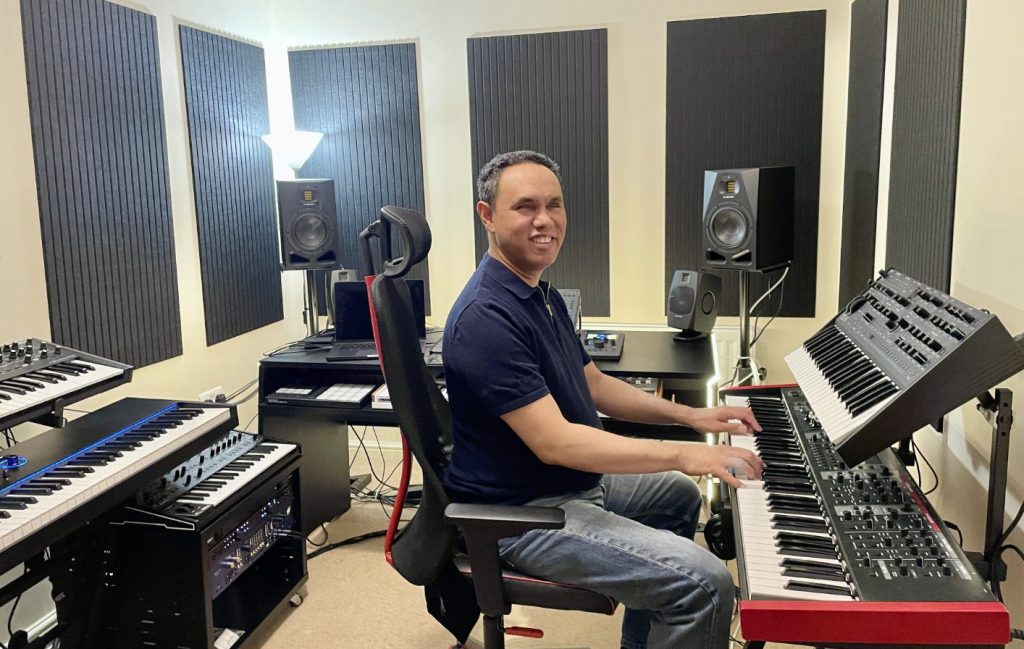
I started the track in my home studio on the Mornington Peninsula in Australia, I have three people that I normally work with to make sure the track is as good as it can be, my studio partner for this track is Jamie Stevens, he is a bit of a professor when it comes to sound design and mixdowns.
These are some of the plug ins we used……
Arturia DX7 V for the Bass
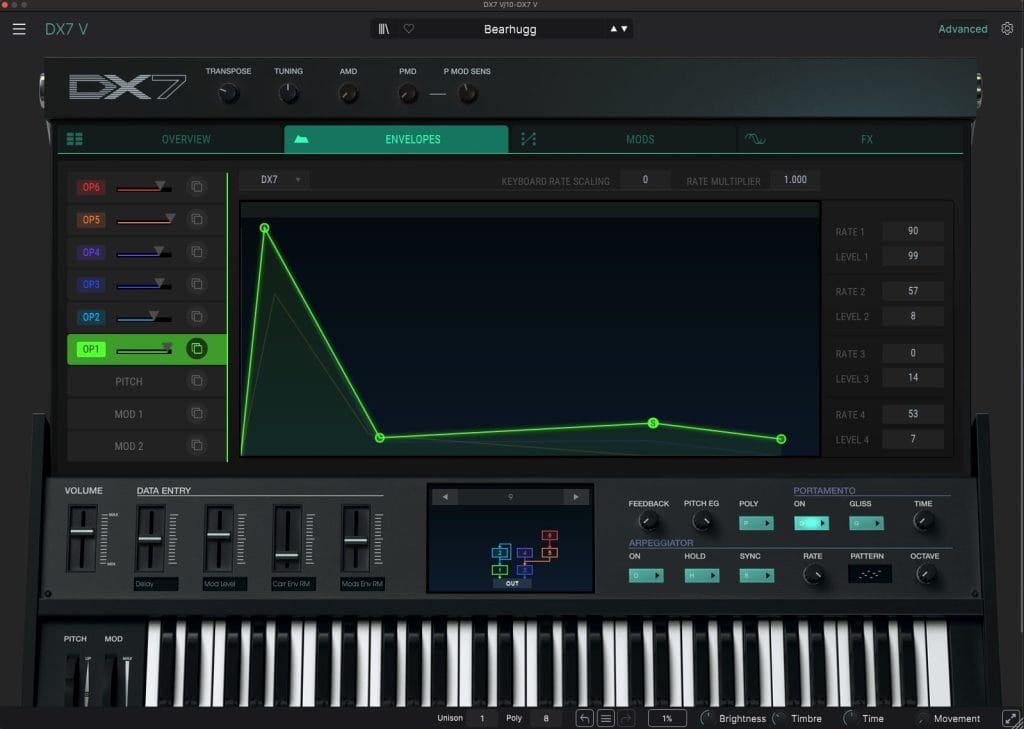
Arturia’s emulation of Yamaha’s ubiquitous digital synth, the DX7, is an oddly versatile synth. Much easier to program than its hardware counterpart, this synth can create some wonderfully rich timbral qualities that only FM can provide.
When we started to look at the nature of the main bass sound we wanted, we began with an init patch and looked at how we could utilise the DX7’s mod levels to give it that ‘growly’ energy. Using velocity to modulate this, the sequence was made to have certain notes ‘open up’ in a bit of an inharmonic/atonal/metalic way. This was then heavily compressed, put through a short stereo snapback delay for a bit of width and some EQing to add a little more bass, take out some ‘honkiness’ and enhance the ‘growl’.
Yamaha’s FM synth series is a major part of the original (and subsequent) techno and house sound. Where would we be without ‘Solid Bass’, for example. When a lot of the production world often looks to analogue for flavour, it’s worth exploring FM synthesis for some grit!
Wavesfactory – Trackspacer

During the mixdown process, Wavesfactory’s ‘Trackspacer’ can help find clarity in a dense mix. It’s essentially a multi band sidechain compressor but it’s so easy to use and extremely powerful. I think it’s something like 127 bands that can be attenuated (turned down) depending on the frequencies present in the side chain signal. The beauty is the simplicity of its interface!
With Bearhugg, there were a few sounds that occupied a similar frequency spectrum so by creating a bus of most of the ‘musical’ elements, we could take the stab we felt was getting just a tad lost in the mix, adding a Trackspacer to the bus and using the stab as the sidechain input. Dealing in just a tiny bit of this multi band compression transparently creates that much-needed space where needed. It’s an awesome tool for things like this in a dense mix and creating more low-end definition for kick and bass.
ADPTR – MetricAB
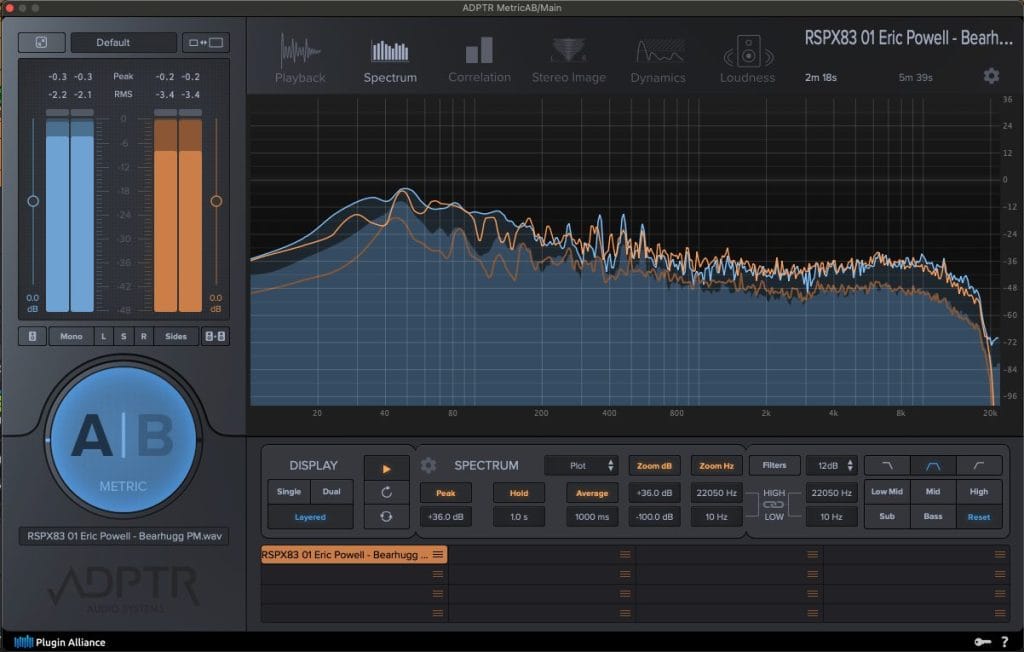
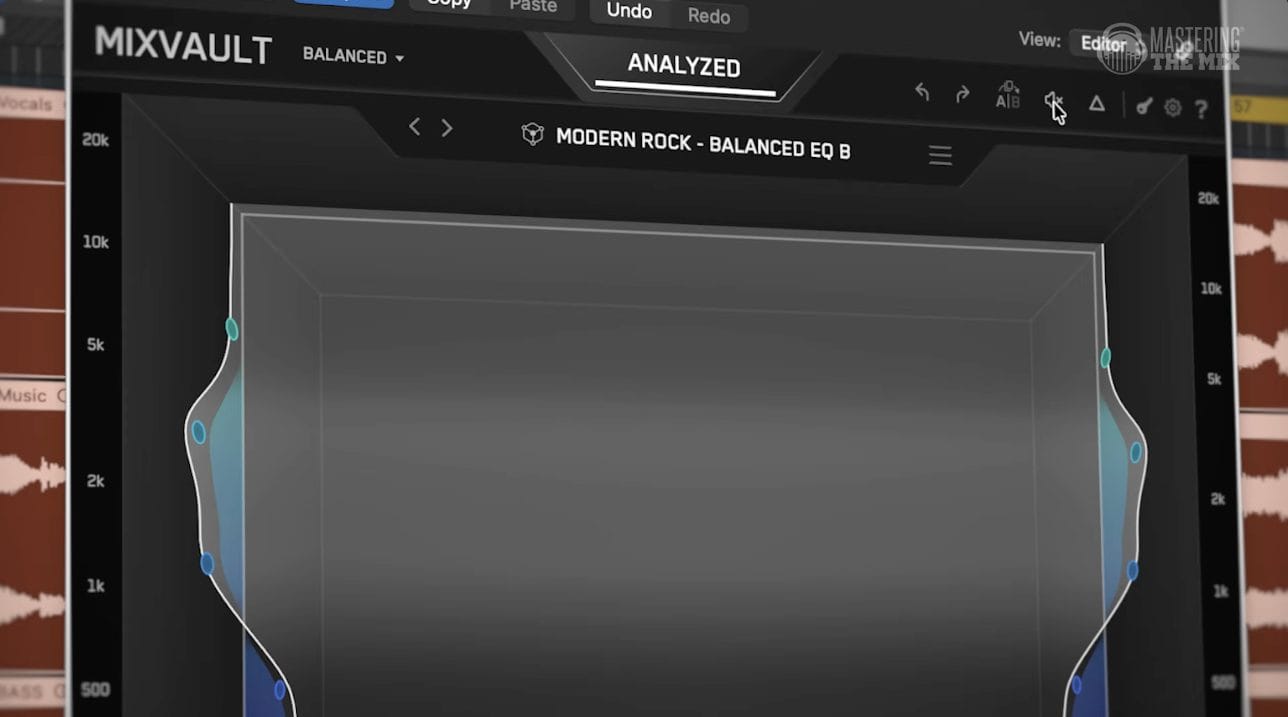
Referencing tools don’t come more feature-packed than this bad boy. You’re able to drop in up to 12 reference tracks, automatically level-match them and then quickly switch between your mix and any of the references. It really helps with seeing if you’re in the right ballpark when it comes to lowend or any area of the mix, to be fair plus has simple things like a mono check. Lives on the master bus.
We’d never suggest anyone should mix with your eyes but it sure is helpful to have a spectrum analyser show you if you have a crazy resonant spike in your sub bass.
We use it for things like that and when doing a temporary master, quickly jumping between references to see if this mix gels with tunes with a similar vibe. It’s also brilliant for things like checking the version you’re working on against an old mixdown as you can sync the reference to your project and jump between project sections, A/B’ing along the way. It’s a godsend!
Airwindows – Mackity
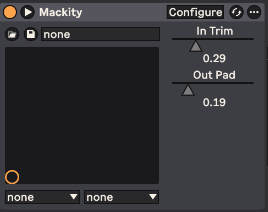
Mackity is about as simple as you can get when it comes to plugins. It emulates the input stage of an old Mackie desk. There was a certain rawness that came from overloading those op-amps back in the day and many techno producers did this to add so much energy and grit. This equates that perfectly… and it’s free!
After using D16’s Drumazon (their 909 emulation) to program some parts, Mackity was used to squash and rough up the sound in a pretty convincing way. Even though the 909 elements are quieter layers in the mix, they’re integral to capturing that classic techno energy that we love.
Definitely recommended for anyone with virtual emulations looking to bring some dirt but don’t own an old desk to overload them through. Super-fun, easy and free!

Will Vance is a professional music producer who has been involved in the industry for the better part of a decade and has been the managing editor at Magnetic Magazine since mid-2022. In that time period, he has published thousands of articles on music production, industry think pieces and educational articles about the music industry. Over the last decade as a professional music producer, Will Vance has also ran multiple successful and highly respected record labels in the industry, including Where The Heart Is Records as well as having launched a new label with a focus on community through Magnetic Magazine. When not running these labels or producing his own music, Vance is likely writing for other top industry sites like Waves or the Hyperbits Masterclass or working on his upcoming book on mindfulness in music production. On the rare chance he's not thinking about music production, he's probably running a game of Dungeons and Dragons with his friends which he has been the dungeon master for for many years.