One of the best vocal synths ever just got better.
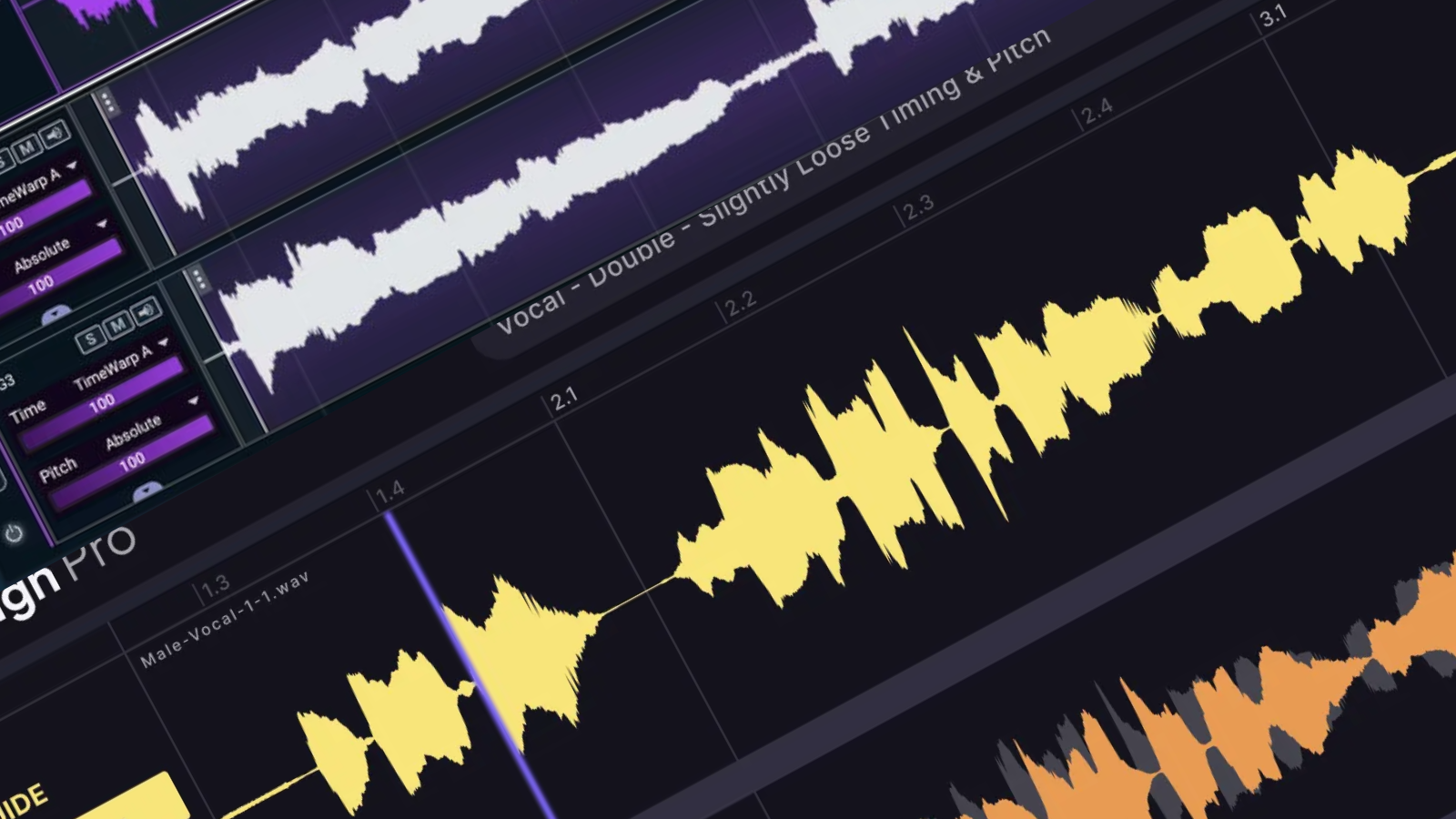
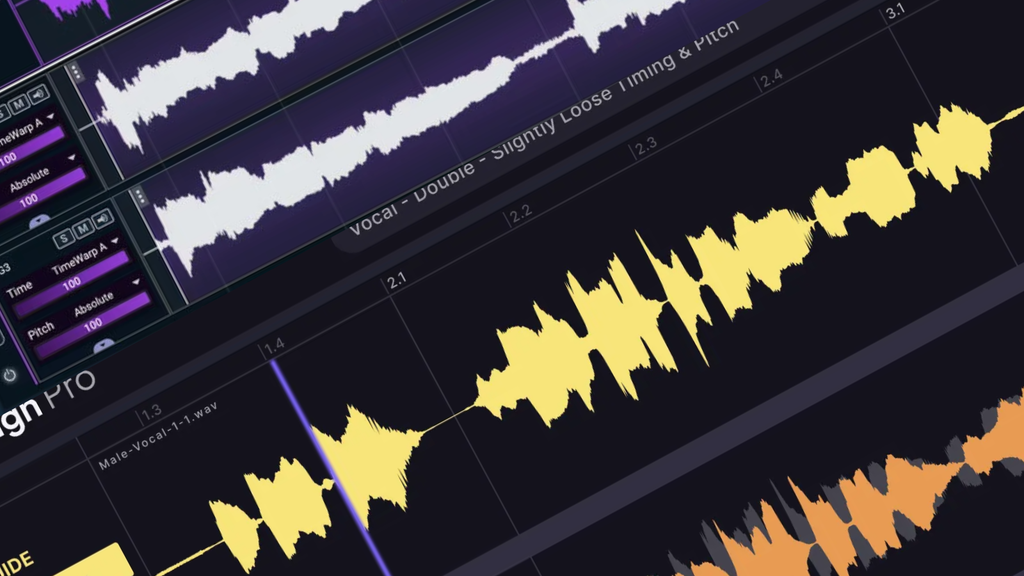
Today, Dreamtonics expands the immense scope of Synthesizer V Studio Pro 2 with the release of a new collection of choir voices, the result of two years of focused research and development. Rather than treating choirs as layered approximations of solo vocals, the team set out to model the complexity, interaction, and emotion of a real ensemble, while still giving composers & producers precise and practical control.
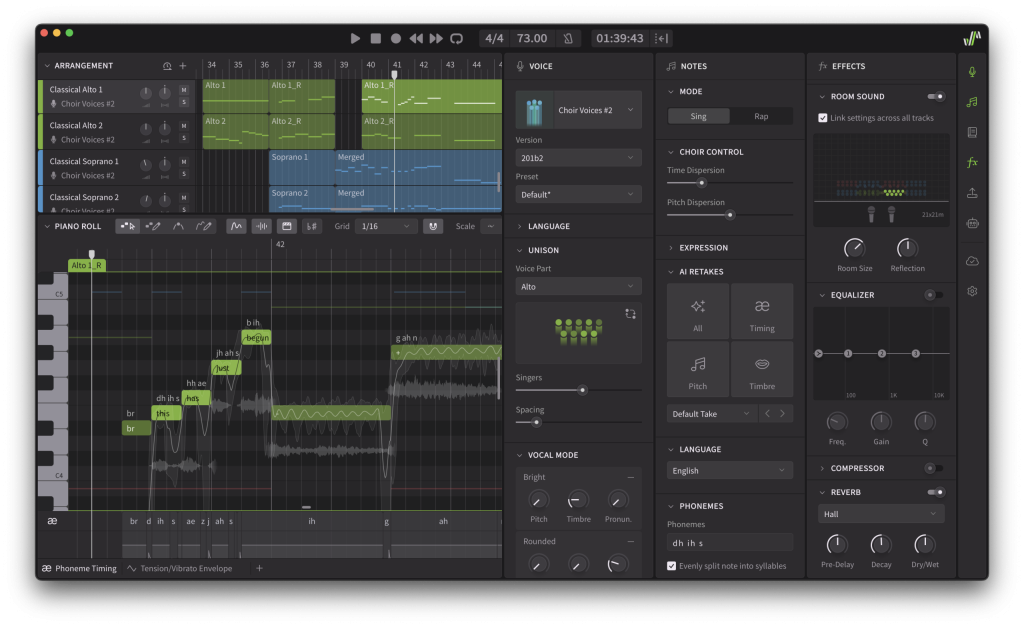
At the core of the project is a hybrid modeling approach that combines deep learning with advanced signal processing. Full choirs were recorded, then carefully broken down into individual singers and sections before being reconstructed into a responsive, intelligent system (one of the best usages of ethical machine learning that we have ever seen). The result is a living ensemble where voices interact naturally, creating the subtle timing shifts, pitch variance, and harmonic movement that define authentic choral performance.
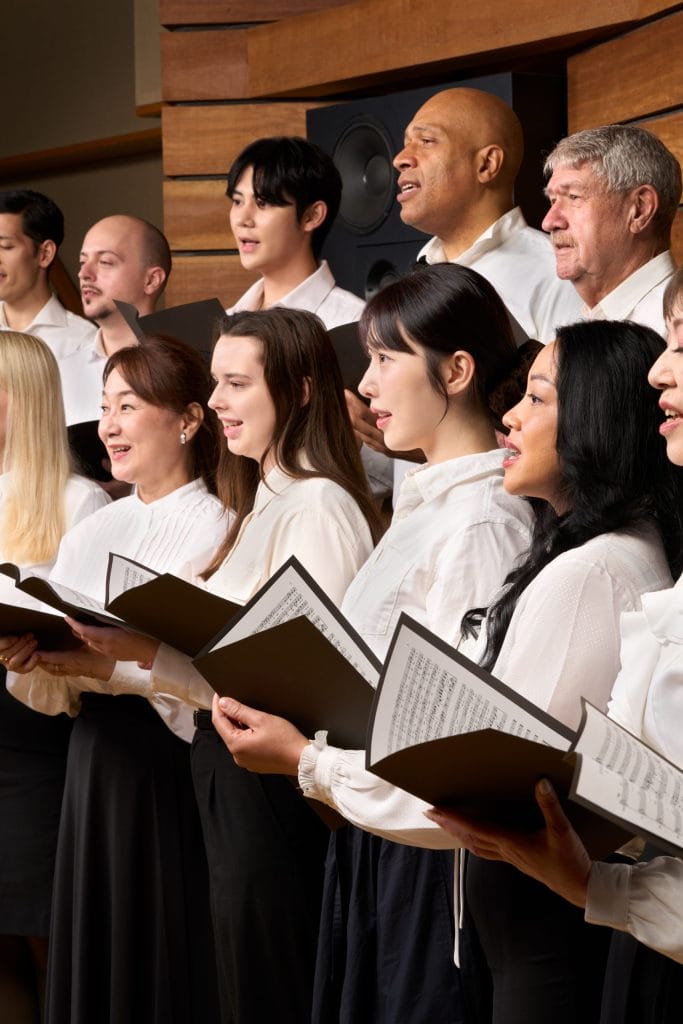
The collection places control firmly in the hands of the user. Each choir can be shaped from a single soloist to a full 16-voice ensemble, with adjustable parameters for pitch and timing dispersion, articulation of consonants, tonal brightness, and smooth legato phrasing. When reduced to a single singer, the system reveals an additional layer of flexibility, offering 16 distinct solo voices across soprano, alto, tenor, and bass ranges. Fully integrated with all the SynthV features you know and love, the choirs fit seamlessly into existing workflows, whether used for detailed mock-ups or finished productions.
The release is divided into three distinct choir collections, each tailored to different musical traditions. Collection 1 focuses on soprano, alto, tenor, and bass voices suited to contemporary genres such as pop, R&B, gospel, hip hop, house, and electronic music. Collection 2 introduces soprano, mezzo-soprano, tenor, and baritone voices designed with classical, operatic, and cinematic scoring in mind. Collection 3 returns to soprano, alto, tenor, and bass, but with a character suited to folk traditions, acoustic music, and singer-songwriter styles.
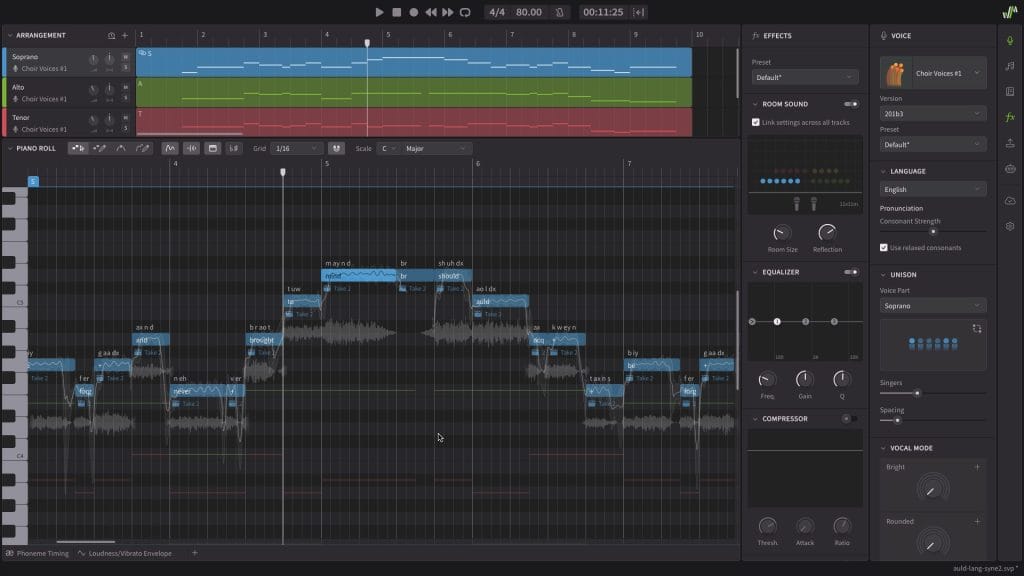
Together, these choir voices mark a significant step forward in virtual vocal performance, offering composers a balance of realism and detailed control that brings choral writing into a new, flexible creative space. If there was any team that could pull this off, it’d be Dreamtonics.
Learn more here.

Magnetic byline note: This byline is used for staff produced updates and short announcements, often based on press materials and official release information. Editorial responsibility: David Ireland (Editor in Chief) and Will Vance (Managing Editor). About: https://magneticmag.com/about/ Masthead: https://magneticmag.com/masthead/ Contact: https://magneticmag.com/contact/