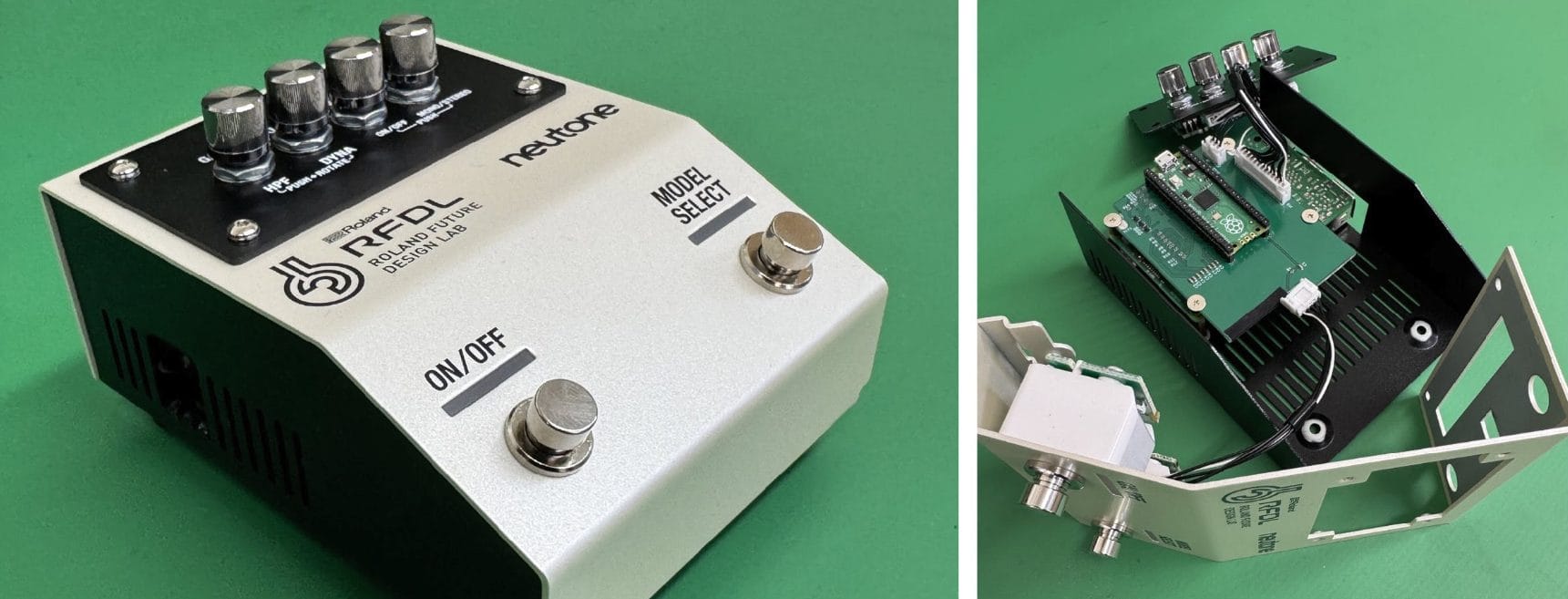
Roland Future Design Lab has unveiled Project LYDIA, an experimental audio platform created in collaboration with Tokyo-based AI studio Neutone. Built around a Raspberry Pi 5 and powered by Neutone’s Morpho neural sampling engine, Project LYDIA explores how artificial intelligence can support DIY experimentation and sound design.
AI Meets DIY Innovation

Roland first invited musicians to explore electronic soundbuilding through its AMDEK kits in 1981. Project LYDIA revives that spirit of accessible experimentation, reimagined through the lens of modern AI. The device allows creators to train an AI model on the tonal qualities of one sound and apply them to another in real time. The goal is to make AI-driven sound exploration as immediate and hands-on as traditional synthesis.
The current prototype combines Neutone’s AI software with Roland’s hardware design language. It features tactile controls, a connected Roland Rubix audio interface, and a self-contained software environment capable of producing unpredictable yet musical transformations.
Responsible AI and Creator Feedback
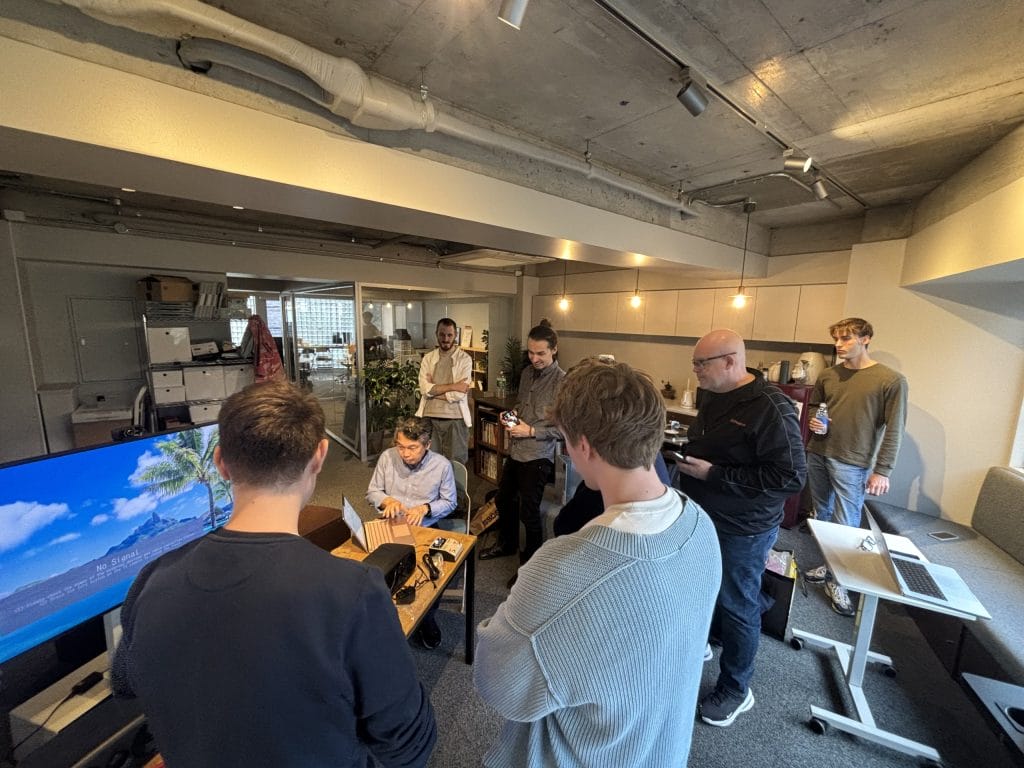
Roland’s commitment to responsible AI development continues through initiatives like the Principles for Music Creation with AI, launched with Universal Music Group in 2024. According to Paul McCabe, Roland’s Senior Vice President of Research and Innovation, releasing Project LYDIA as a technology preview is part of that mission. “Getting input from creators is critical,” he said. “We want to understand what feels useful and inspiring, and what ideas may not belong in their creative process.”
Project LYDIA made its first public appearance at the Audio Developer Conference in Bristol, UK, from November 10 to 12. Attendees were invited to test the device, share feedback, and help shape its next phase of development. Roland and Neutone have also released a short survey for musicians interested in contributing ideas for future iterations.
More information, including photos and technical details, can be found in the Roland Future Design Lab feature story and the official press kit.

Magnetic byline note: This byline is used for staff produced updates and short announcements, often based on press materials and official release information. Editorial responsibility: David Ireland (Editor in Chief) and Will Vance (Managing Editor). About: https://magneticmag.com/about/ Masthead: https://magneticmag.com/masthead/ Contact: https://magneticmag.com/contact/



![How It Was Made: JOKESONYOU & DJ IP – OTTF [Teletech]](https://magneticmag.com/wp-content/uploads/2026/08/artwork-ottf-1024x1024.jpeg)