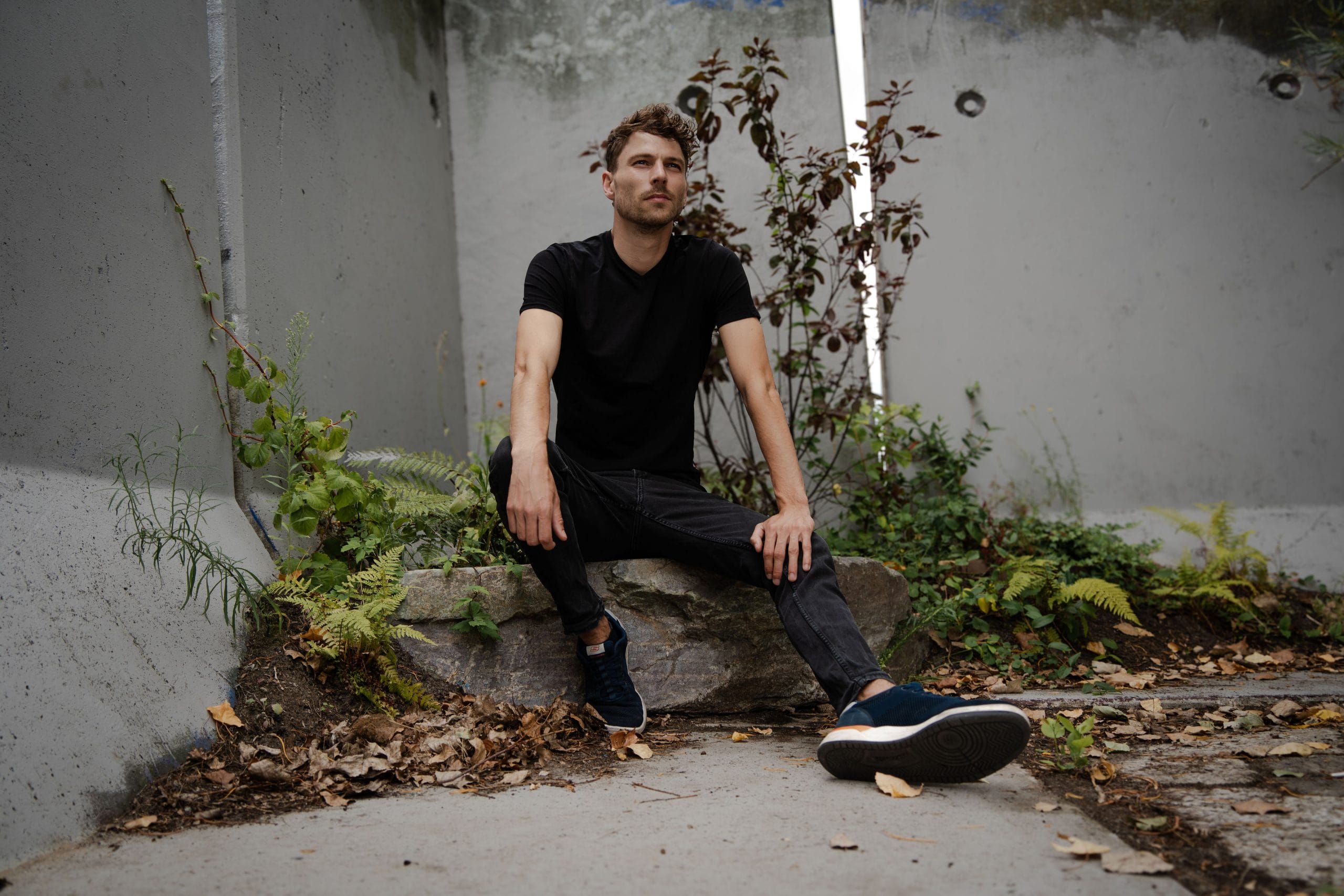
Milan Steenwinkel is quickly building momentum as a rising voice in melodic techno, bringing a style that balances cinematic atmosphere with dancefloor precision.
His contribution to Fragments XXXI on Purified Records, Hold Me, captures that balance clearly. The track layers brooding textures with longing vocals, pulling from his background in both classical and underground electronic influences.
Already supported by names like Nora En Pure, Rebūke, and Miss Melera, Milan has seen his music featured on SLAM FM, The Boom Room, and Purified Radio. Recent performances at Thuishaven, Club OOST, and Amsterdam Dance Event further underline how quickly his sound is gaining traction. Each of these sets has showcased the same combination of atmosphere and energy that runs through his studio work, making Hold Me feel like a natural next step in his growth.

For this feature, Milan breaks down the tools that helped shape Hold Me, from sound design choices in Serum to creative effects processing with Rift and Shaperbox. His approach highlights both practical techniques and lessons other producers can take into their own sessions. By opening up his process, he gives a clear look into how he translates ideas into a record that feels equally personal and ready for the dancefloor.
Serum

Serum, and more recently Serum 2, is one of my go-to synths when I’m working on music. It’s a powerful wavetable synth that’s intuitive to work with and great for creating different sorts of sound-design heavy sounds. It’s very flexible in its capabilities and allows me to create basically any sound I want, be it basslines, leads or pads.
For the lead sound in ‘Hold Me’ I tried to create a big, euphoric and ‘in your face’ lead to carry the track’s energy and emotion. I used the ‘portamento’ feature heavily for this, which allows the sound to glide smoothly from one note to the next. Alongside this I automated the rate of the LFO that controls the filter, creating that dynamic stutter effect in the end of the notes. To give the sound more presence I used OTT, which stands for ‘Over the Top’ compression and really gives that extra punch to it. To top it off, I added another LFO to the fine-tuning of both oscillators, which shifts the pitch slightly up and down. This makes the sound a little unstable in a good way, adding movement and excitement.
Serum is great for learning sound-design because of how clear everything is displayed in its UI. By using presets as a basis first and tweaking those you can quickly learn what the synth is capable of and how to reach that sound that’s been stuck in your head. Once I learned how these presets were made I was able to create all the sounds I wanted from scratch by experimenting with it. For ‘my sound’ I like combining mono sounds and unison sounds on top to get both clarity and that sense of fullness in it.
Rift

Rift is a plugin that can really help to add ‘craziness’ to your instruments. It’s a distortion, delay and morphing plugin all in one that when used correctly can create crazy sounds from an otherwise more ‘standard’ sound. It has a long list of presets to choose from that can also be altered extensively, although it’s not the easier plugin to understand.
In this track I used Rift for multiple of my instruments, but most notably the vocal chops that are going on throughout the track. I started off with the preset ‘Broken Replica’ and edited it to add a kind of ‘whisper effect’ to the vocals. It added a redux effect to the top end of the vocals and stereodized them which gave the vocals a whispered, disconnected sound to it.
If you’re interested in using Rift to add an extra layer to your sounds I would recommend starting out by getting to know the many presets that come with it out of the box before starting to create your own. It won’t add any musical elements to your song, but it can add that ‘ear candy’ that the track might just be missing. Whenever I use it I always start of with a preset and slightly edit where needed because the list of pre-made presets is already extensive enough to usually get to something that I like
Shaperbox

Shaperbox is a plugin that can ‘shape’ many elements of your song. It can do volume-shaping, time-shaping (Kind of like time travelling for audio), filter-shaping and so much more which leads to being able to do chops, sidechain and you know it. The best part about it is that it’s very visual what you’re editing.
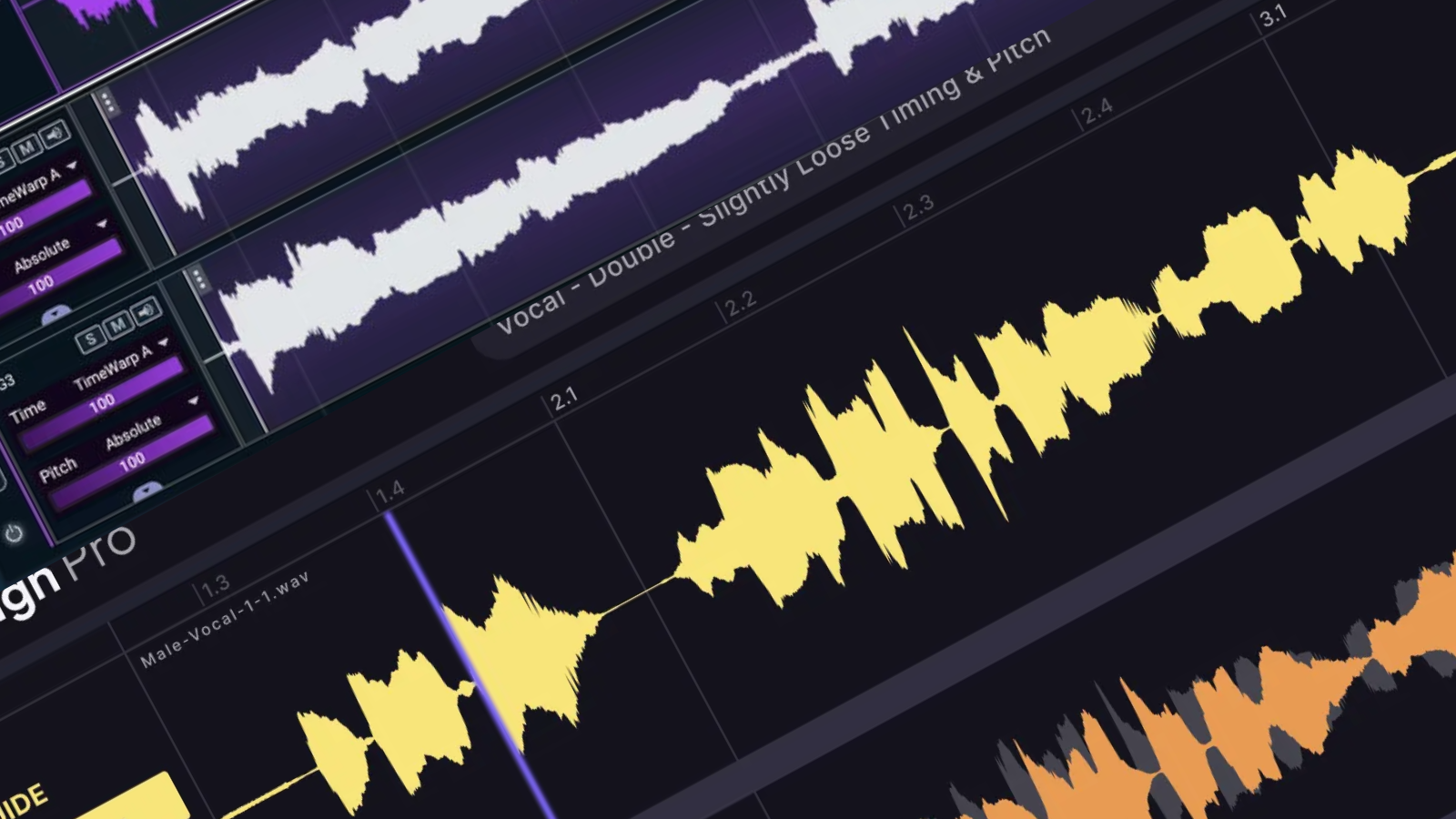
For ‘Hold Me’ I used Shaperbox’s time feature to travel back and forth through the vocal and create a ‘chop effect’. By automating the ‘time’ parameter I was able to create the effect that travels through different sections of the vocal, creating that ‘chopping effect’. I combined that with the Tremolo of Ableton’s auto-pan which automates the ‘amount’ and the the rate (alternating between 1/16 and 1/8).
The most common use-case for Shaperbox that I see is sidechaining the volume to some sort of external input (usually a kick). I would however recommend you to really test out all the other features it has to offer such as time-travel, Liquid, Width and more. They’re really powerful tools that can be creatively used to add that extra layer to your sound and make it more interesting.
Quick Fire Tips For Making Melodic Techno

Tip #1: Make the song that resonates with you instead of what you think others want to hear. Your best pieces of music will be the ones that you personally love. If you love it, there’s a big chance somewhere in the world other people will love it too.
Tip #2: Add melodic context in the form of some atmosphere when starting your track. A melody can sound boring on its own but with the right background atmosphere completely change the way you feel about it.
Tip #3: Be confident in the instruments in your track or don’t use them. There’s no use in having that really beautiful arp you created somewhere in the background barely audible. Either make sure instruments get their spotlight, or save them for another song.

Tip #4: A strong idea worked out well is better than many weak ideas stacked together. Don’t overcomplicate your song.
Tip #5: Match your kick and bass wisely. I use a rolling bassline in most of my tracks because I’m a big fan of the energy it provides, but that also means the kicks need to fit that style of bassline.

Will Vance is a professional music producer who has been involved in the industry for the better part of a decade and has been the managing editor at Magnetic Magazine since mid-2022. In that time period, he has published thousands of articles on music production, industry think pieces and educational articles about the music industry. Over the last decade as a professional music producer, Will Vance has also ran multiple successful and highly respected record labels in the industry, including Where The Heart Is Records as well as having launched a new label with a focus on community through Magnetic Magazine. When not running these labels or producing his own music, Vance is likely writing for other top industry sites like Waves or the Hyperbits Masterclass or working on his upcoming book on mindfulness in music production. On the rare chance he's not thinking about music production, he's probably running a game of Dungeons and Dragons with his friends which he has been the dungeon master for for many years.