Electronic music has become incredibly efficient at getting to the most immediately recognizable parts of a record. Intros are shorter, arrangements frequently reach their central idea quickly, and producers have countless opportunities to compare their work against what’s currently performing well on streaming platforms.
Those changes aren’t necessarily a problem, but they do raise an interesting question about how much room remains for producers who prefer slower arrangements and extended melodic development.
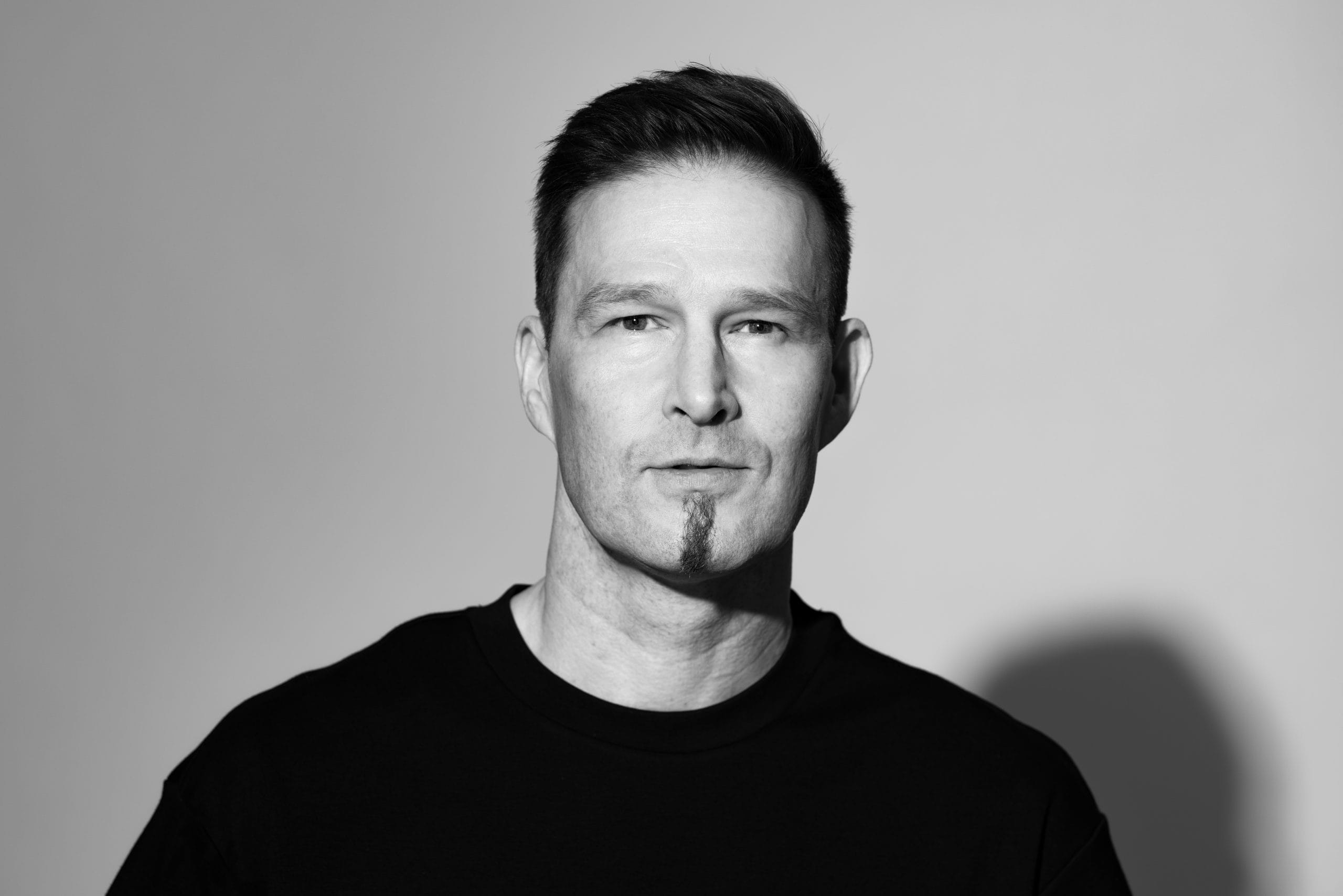
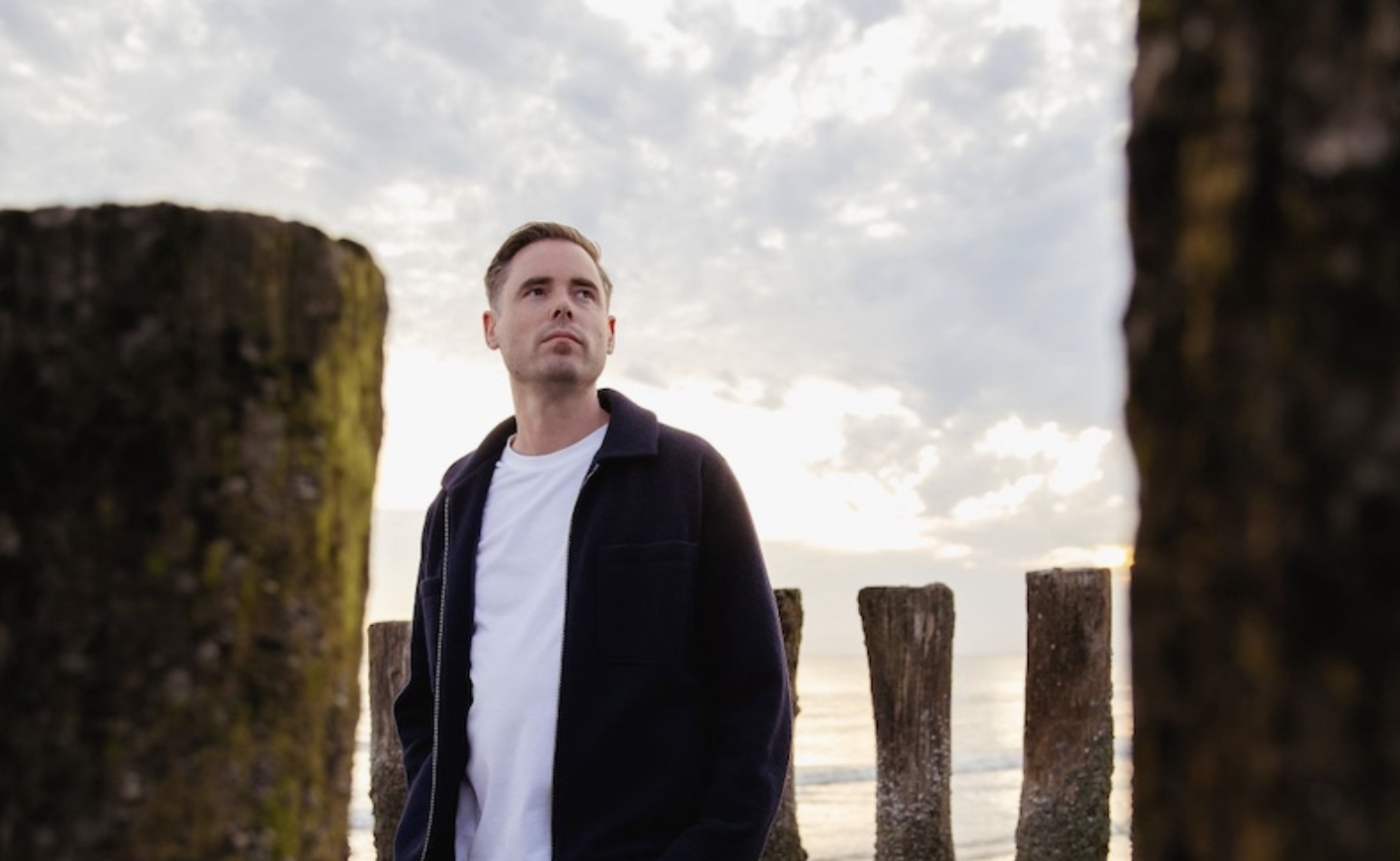
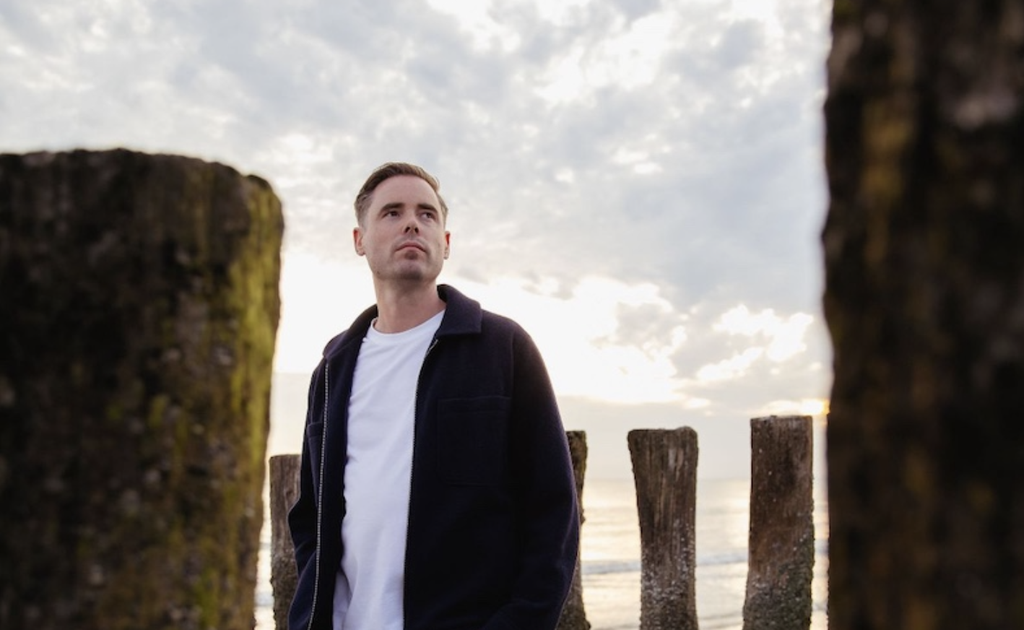
Irish producer winterburn has been considering that question since revisiting a Tale of Us performance from 2018. Watching the set on YouTube reminded him of a period when melodic techno often took considerably longer to establish an atmosphere and introduce its central musical ideas. Rather than treating that observation as a criticism of contemporary electronic music, he decided to make something influenced by the records he continues returning to.
The result was “where did all the emotion go?”, released June 12, 2026. Nearly five months later, the recording is continuing to attract listeners, with winterburn reporting 227,281 Spotify streams as of November 8 and a 59.6% increase in streams during the preceding 28 days.
A related Instagram video discussing the 2018 Tale of Us sound has also reached approximately 147,000 views, generating hundreds of comments from listeners sharing their own memories of the music and you can check it out below.
A 2018 Tale of Us Set Inspired the Single
The initial inspiration came from something relatively ordinary: revisiting an old DJ set and noticing how differently its opening minutes were arranged compared with many contemporary productions.
“It was so unhurried,” winterburn recalls. “The intro to the set took about five minutes of a track to build.”
That observation became the starting point for “where did all the emotion go?”, a melodic techno recording built around a gradual introduction, sustained melodic development, and a deliberately restrained approach to introducing new musical elements. The concept centers on giving listeners enough time to become familiar with the arrangement before introducing additional energy.
It connects naturally with our earlier review of Anyma’s Claire EP, which examined Matteo Milleri’s melodic direction following his work with Tale of Us. More recently, my interview with Nihil Young explored the pressure producers face when streaming expectations and established production formulas begin influencing their creative decisions.
For winterburn, the starting point was simpler. He remembered an approach to electronic music that he enjoyed and wanted to make a record informed by those preferences.
Listeners Are Responding to the Conversation
One of the more interesting developments since the release has been the response to winterburn’s Instagram video about the original Tale of Us set. By November 8, the video had accumulated approximately 147,000 views, 4,118 likes, 613 comments, and 1,352 shares.
Those figures suggest that the subject has generated considerable interest beyond people already familiar with winterburn’s music. Listeners have used the comments to discuss their memories of early Afterlife performances and the melodic techno records they associate with that period. Other producers have commented on how the video influenced their own thinking, while listeners discovering the single through Spotify have specifically responded to its introduction.
The increase in streaming activity is also worth examining.
The track’s 227,281 reported Spotify streams represent continued activity months after its June release, while the 59.6% increase over the last 28 days suggests that interest has recently accelerated. Those numbers don’t establish that the Instagram video directly caused the growth, although they do illustrate how a conversation about musical preferences can develop alongside an existing release.
I’ve explored related questions in my interview with BOBE about maintaining a recognizable musical direction. Producers working in melodic techno regularly encounter expectations surrounding arrangement, emotional expression, and the types of sounds that perform well within the genre. Winterburn has responded by focusing on the characteristics that originally attracted him to the music, regardless of whether those decisions align with current trends.
The larger consideration for producers is whether current arrangement conventions should determine how every record develops. There’s room for shorter, direct productions, and there’s also room for music that takes several minutes to establish its ideas. Winterburn’s recent response suggests that listeners remain interested in hearing the latter.
Listen to “where did all the emotion go?” on Bandcamp or explore more music through winterburn’s official website.

Will Vance is a professional music producer who has been involved in the industry for the better part of a decade and has been the managing editor at Magnetic Magazine since mid-2022. In that time period, he has published thousands of articles on music production, industry think pieces and educational articles about the music industry. Over the last decade as a professional music producer, Will Vance has also ran multiple successful and highly respected record labels in the industry, including Where The Heart Is Records as well as having launched a new label with a focus on community through Magnetic Magazine. When not running these labels or producing his own music, Vance is likely writing for other top industry sites like Waves or the Hyperbits Masterclass or working on his upcoming book on mindfulness in music production. On the rare chance he's not thinking about music production, he's probably running a game of Dungeons and Dragons with his friends which he has been the dungeon master for for many years.