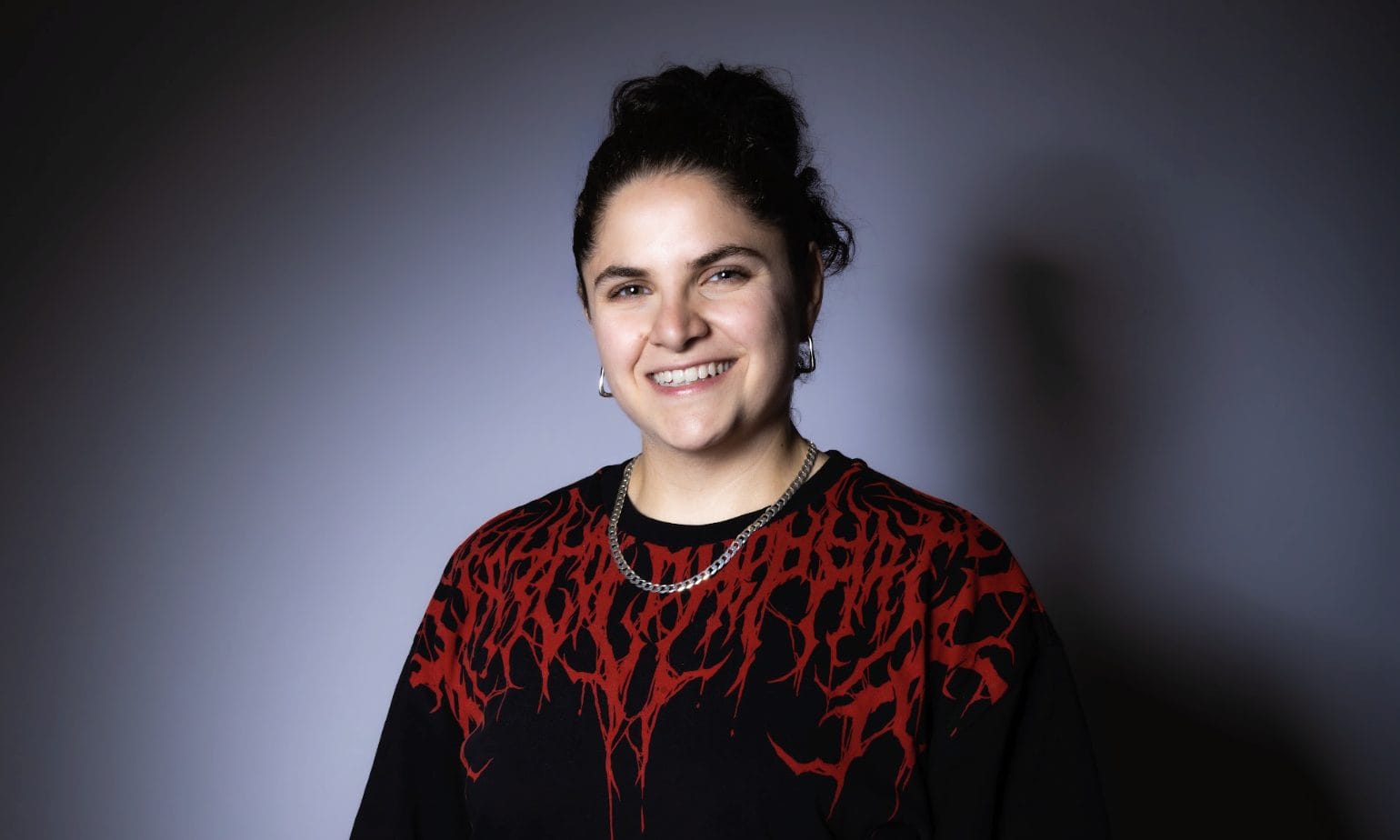
A.N.I. (@a.n.i.official) is moving through the European techno circuit with a sound that pulls hard techno, hard trance, and rhythmic genre-blending into the same high-pressure frame. The Berlin-born and based DJ and producer has become increasingly visible through her “Transition Tuesday” reels, where the focus is less on lifestyle content and more on the physical craft of mixing: fast decisions, tight blends, and the kind of technical control that translates cleanly from short-form clips into festival-scale sets.
That rise is already showing up across major techno spaces.
A.N.I. has appeared at Teletech, World Club Dome, Verknipt, PollerWiesen, and HIVE Festival, where she opened her 2026 set with a keytar. That detail says a lot about where her project could move next. She comes from a classical music background and grew up playing piano, and while her current sound sits firmly inside high-energy techno, she is already thinking about how live elements might eventually connect with the electronic side of what she does.
The interview below gets into that longer view.
A.N.I. talks about her role as a female artist in techno, why long-term growth matters more than chasing every opportunity, how she tries to balance music with health, family, friends, and social media, and why diversity in sound still feels central to the kind of scene she wants to help build. Her answers are measured, but the direction is clear: the fast-moving public rise only works if the music keeps developing into something that actually reflects her.
Interview With A.N.I.
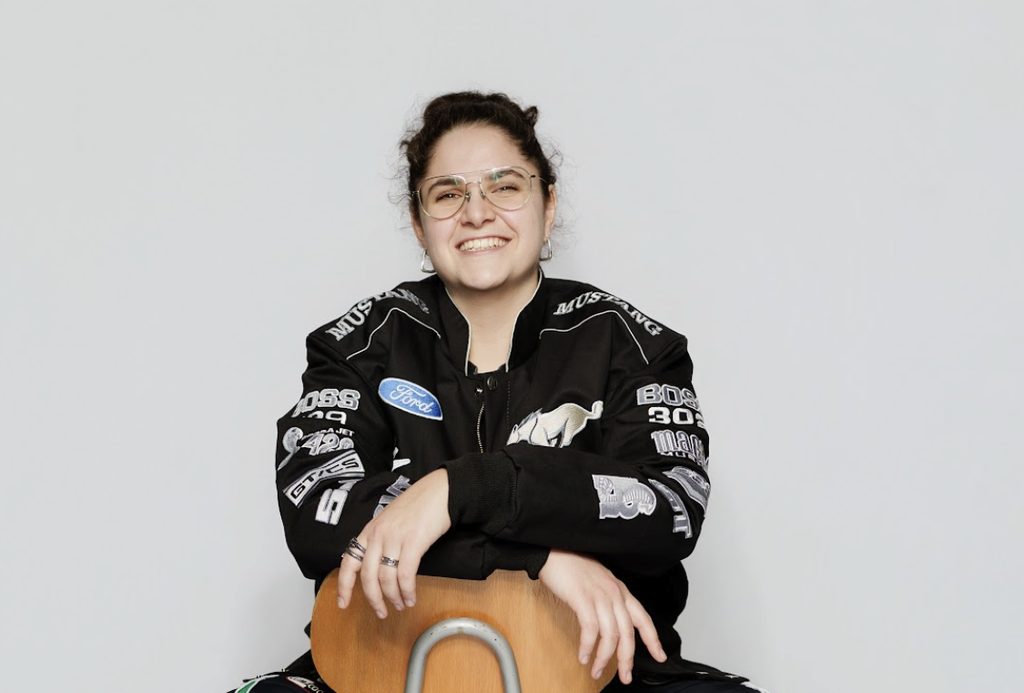
How do you define your role within the culture right now?
I see myself as a female DJ and artist within the techno scene who enjoys bringing different genres and influences together. I like being part of a scene that is constantly evolving, while still doing my own thing and not taking it too seriously. For me, it’s mainly about sharing good energy, having fun with the music and creating moments on the dancefloor that people can connect with.
Being a female artist is part of who I am and how I experience the scene, but ultimately I just want the music and the energy to speak for themselves.
What has helped you prioritize long-term growth over short-term momentum?
I think what has helped me the most is staying focused on why I started doing this in the first place.
I want to enjoy what I’m doing, develop my own sound and grow naturally as an artist instead of chasing every opportunity or trend. Of course, it’s exciting when things move fast, but I think building something that really feels like me takes time. I’d rather make decisions that feel right in the long run than force things just for short-term attention.
Are there principles or daily practices that keep your work grounded over time?
For me, a lot of it comes down to managing my time well and finding a healthy balance.
I try to take care of myself, eat well, stay active and make sure I have enough time for music, but also for my family and friends. I think having a life outside of music is really important to stay grounded. At the same time, being an artist today also means spending time on social media and marketing.
You can’t really avoid that.
So I try to give everything its space without letting one part take over completely.
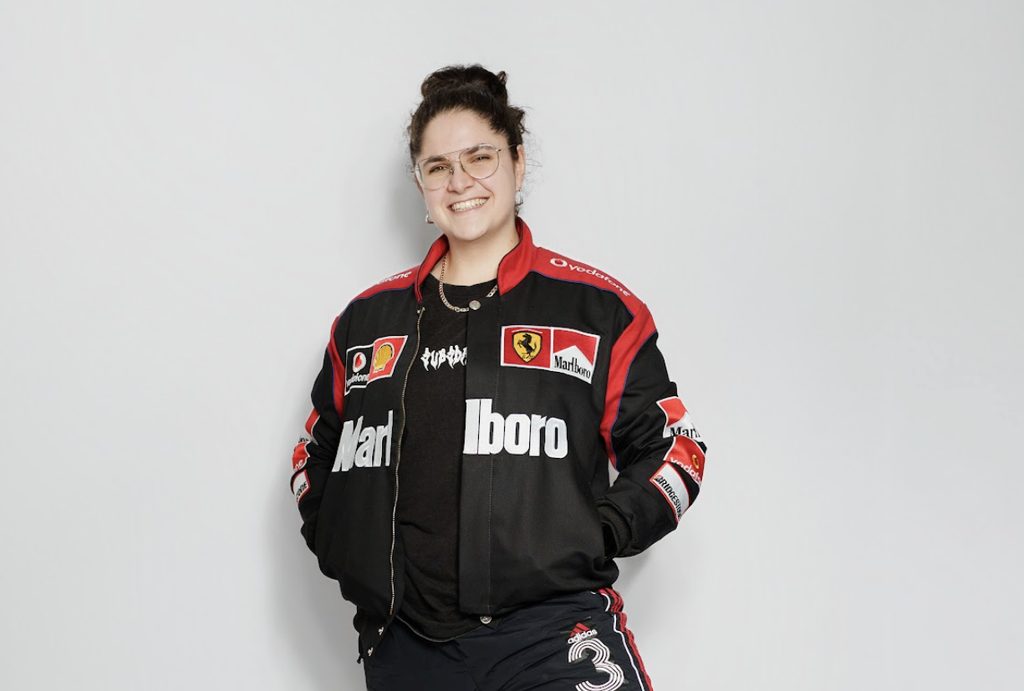
How do you stay responsive to the present while building toward the future?
Of course, everything can feel very exciting and fast-paced, especially when a lot is happening at once.
But for me, there’s always a common thread behind what I do, and that’s the music itself and the diversity within it. I come from a classical music background and grew up playing the piano, so I try to bring that knowledge into what I’m doing now and slowly build a sound that really reflects me as an artist. In the future, I’d also love to explore live elements and find ways to connect them with electronic music.
I think having that direction allows me to enjoy everything that’s happening in the moment while still working towards something that feels personal and long-term.
What kind of impact do you hope to have within the communities you’re part of?
I hope to contribute to a scene that feels open, diverse and less limited by genres. For me, music should be about bringing people together, having fun and being able to express yourself without thinking too much about fitting into a certain box. I’d love to encourage people to be more open to different sounds and influences, both as artists and on the dancefloor.
And as a female artist, I also hope to be part of making the scene more diverse and creating space for more women to follow their own path.
Closing Thoughts From The Editor

A.N.I.’s answers are interesting because she is not treating speed as proof that the project is working, but more that the external signs are clearly there: festival bookings, viral-leaning mixing content, a recognizable technical identity, and a sound that fits the current appetite for harder, faster techno. But she keeps bringing the conversation back to the same slower questions. Does this feel like me? Am I developing a sound rather than chasing attention? Can I enjoy what is happening now without letting the pace pull me away from the artist I am trying to become?
That matters because the harder side of techno can collapse into sameness quickly when the only goal is pressure. DJ T-1000’s interview on history, identity, and 140-plus techno made a similar point from a veteran perspective: selection, texture, and emotional movement are what keep faster techno from becoming monotone. A.N.I.’s genre-blending instinct feels valuable for the same reason.
Hard techno, hard trance, rhythmic switches, and live-performance ideas can all belong together if the DJ has a clear enough sense of where the set is going.
Her answer about social media is also worth taking seriously.
“Transition Tuesday” has clearly helped people see her technical side, but she no longer pretends that online work is separate from the job. That connects with Tej’s interview on algorithms and intentional discovery, where the larger issue was how artists can use digital systems without letting those systems shrink their taste. A.N.I seems to understand that same tension.
The content can open doors, but the music still has to go beyond the clip that introduced someone to it.
The most direct takeaway is that A.N.I. wants to widen the room without turning that into a slogan.
She talks about being a female artist in techno, creating space for more women, and encouraging dancers and artists to be less limited by genre, but she keeps the focus on music and energy rather than posture. That is the smart version of the argument. Diversity in a scene is not only about who gets added to the flyer. It is also about whether the sound itself is allowed to move, borrow, mutate, and make room for artists whose paths do not fit one narrow template.

Will Vance is a professional music producer who has been involved in the industry for the better part of a decade and has been the managing editor at Magnetic Magazine since mid-2022. In that time period, he has published thousands of articles on music production, industry think pieces and educational articles about the music industry. Over the last decade as a professional music producer, Will Vance has also ran multiple successful and highly respected record labels in the industry, including Where The Heart Is Records as well as having launched a new label with a focus on community through Magnetic Magazine. When not running these labels or producing his own music, Vance is likely writing for other top industry sites like Waves or the Hyperbits Masterclass or working on his upcoming book on mindfulness in music production. On the rare chance he's not thinking about music production, he's probably running a game of Dungeons and Dragons with his friends which he has been the dungeon master for for many years.