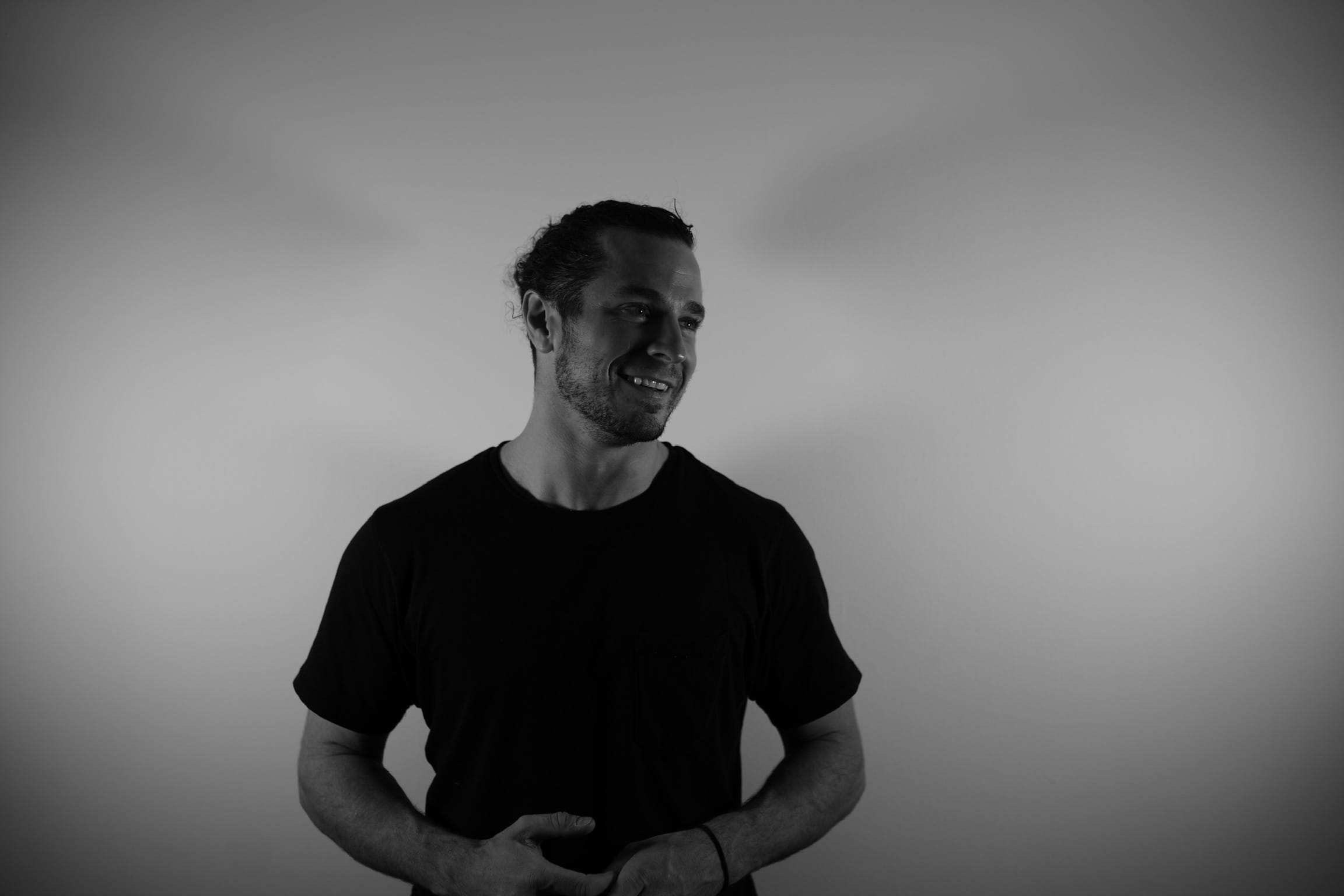
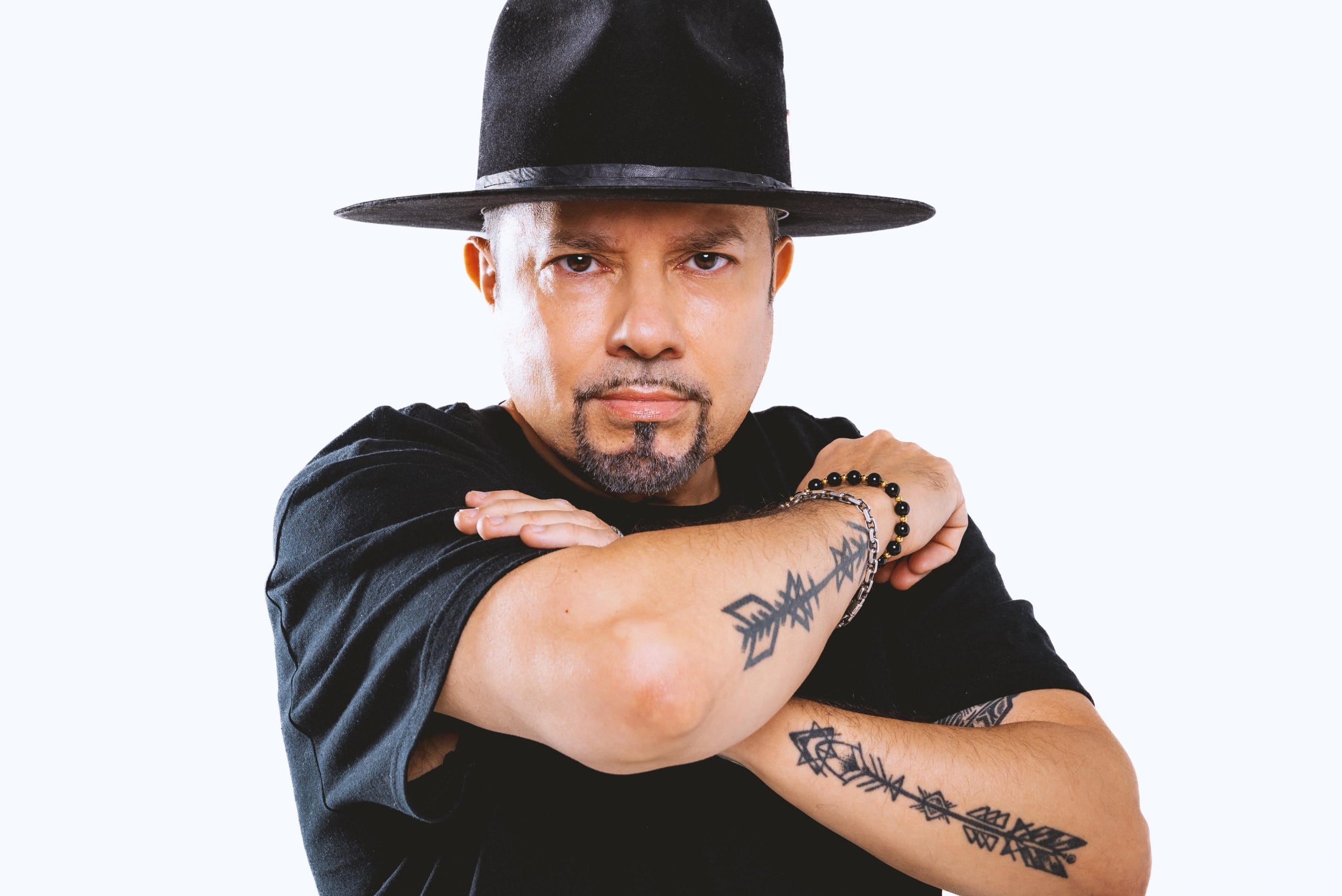
Richie Blacker (@richieblacker) is back on Last Night On Earth with Gods In The Machine EP, and it’s very much in that lane he’s been carving out lately where trance pressure, house structure, and big emotional hooks all sit in the same room without feeling like they’re trying too hard to impress anybody. The EP dropped back on June 12, 2026, marking his fourth release on Sasha’s label, and across “Maui” and “Neo,” you can hear him leaning into that late-night, hands-up, slightly widescreen club sound that still has enough grit to keep it from turning into pure festival gloss.
“Maui” is the more immediate of the two, built around uplifting vocals, bright melodic lifts, and the kind of forward motion that feels designed for those peak windows where the room is already with you.
“Neo” goes darker and weirder, opening through breakbeats and tension before the modular synth lines, arps, and vocal pieces pull it into something more dramatic. It’s a useful pairing because it shows both sides of what Blacker does well: the direct emotional payoff and the more shadowy, heads-down club moment.
The interview below gets into a side of DJing that feels especially relevant right now, which is the tension between building something real in the room and knowing that half the industry will judge it later through a 30-second clip. Blacker is pretty clear about where he stands.
Content has its place, and he understands why it matters, but he’s still building sets for the people in front of him first, which honestly feels like the whole point of this music in the first place.
Interview With Richie Blacker
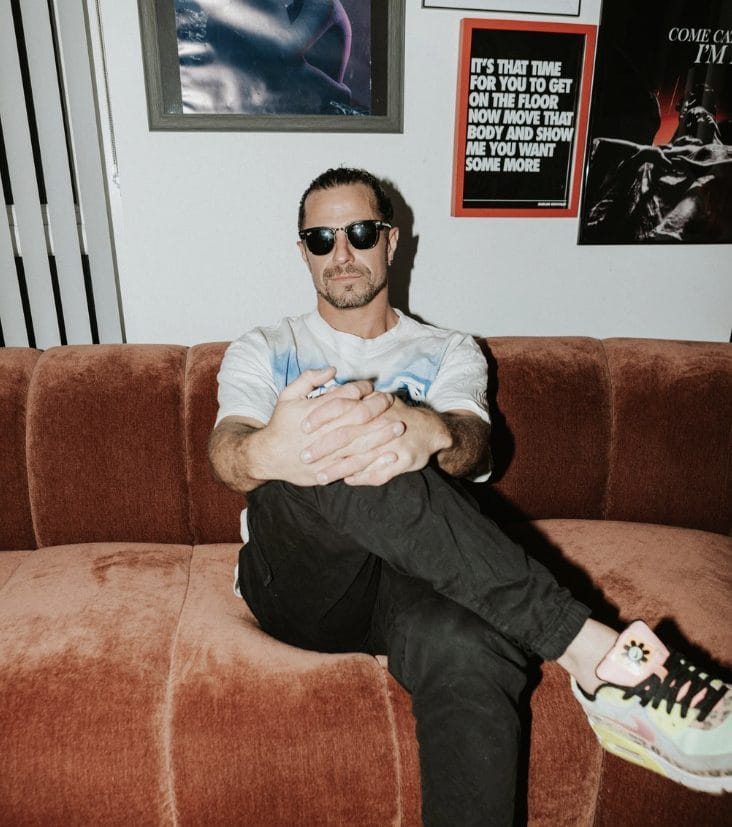
How do you think about the visual side of a set in an era where so much lives online afterward?
I think visuals matter for certain gigs, especially for the bigger gigs with big production, although not in the way people sometimes expect. For me, the visual side should enhance the feeling in the room, not replace it or turn the set into a performance for a screen.
As a DJ, I am drawn to a darker, more minimal atmosphere in a club that lets people disappear into the music rather than constantly reaching for their phones to film the moment.
The reality is that everything lives online afterward, although I do not track and select my music for replay value. I design my sets for impact in the moment with the audience on the dancefloor. If a clip travels and looks good enough to use on my socials after that, so be it, although I do not just play big tracks in the hope that a 30-second clip goes viral. The best nights cannot really be translated into a 30-second video anyway.
What has your experience been with being filmed or having moments from your sets travel far beyond the room?
It is a strange feeling sometimes. I hate being on camera, I hate having my photo taken, and I hate doing video interviews or podcasts. It is part of the job, I suppose, so you just have to deal with it.
I am pretty shy, believe it or not, so I do not chase it. Nine times out of ten, the promoter will have a videographer on the stage or in the crowd. If they send my team or me clips afterward, and they are good enough, then I will use them, because it is another part of the game these days. It is not something I seek out when I go to play gigs. I come from an old-school background where it is all about the music. Social media comes second for me.
You can have a really personal, almost intimate connection with a crowd, then suddenly that moment is out there, detached from the context it was created in. I have had clips circulate where people think they understand the whole set or the feeling from a single drop, although it is only one chapter of a longer story.
At the same time, I respect that it helps the music reach people who were not there. If someone discovers me or connects with my sound through a clip, that is powerful. It is never the full picture though. It is more like a doorway.
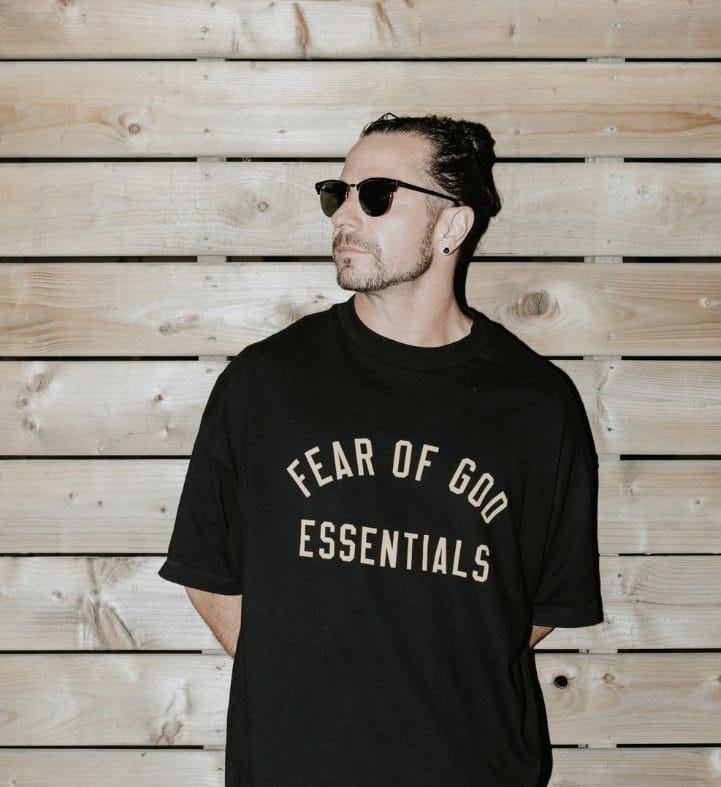
How do you approach the balance between capturing content during a set and preserving what makes live club music so special?
I lean heavily toward protecting the experience. I am not the kind of DJ who wants a phone in my face for the whole set or a constant awareness of cameras. The magic of club music is in that shared, unrepeatable energy between the DJ and the crowd.
If content is being captured, it should be subtle, almost invisible. The best footage comes when no one is performing for it. I would rather have one real, raw moment captured naturally than a whole set that feels staged. For me, if you lose that sense of presence, you lose everything that makes dance music what it is.
Can you recall a big moment behind the decks that lived entirely in the room and could never be recreated or captured online? What made it stay with you?
Yeah, those are actually the moments that stay with me the most.
There was a night in a small underground club in Berlin when everything just locked in: the crowd, the sound system, the energy, and the new tracks I was playing that had not even been released yet. The energy in the room was electric. There were no big phones up and no one trying to capture it. It was just people fully in the moment.
You could feel the room shift. That stayed with me because it reminded me why I do this. You cannot recreate that kind of energy. It only exists once, in that exact time and place.
When you reflect on a great set, what matters most to you about how it went down?
It is always about connection. Not just whether people danced, rather whether they felt something. I want a set to take people somewhere mentally and emotionally, where they lose track of time a bit. That is the art of DJing: taking the crowd on a journey.
Technically, everything needs to be tight, although perfection is not what people remember. They remember how the night felt and the music. If I walk away knowing I was fully present, took risks, and connected with the crowd on a real level, that is a great set to me.
It is not about how many clips came out of it or how it looked online, although unfortunately that is another side of the industry now that we have to accept as artists, DJs, and performers.

Will Vance is a professional music producer who has been involved in the industry for the better part of a decade and has been the managing editor at Magnetic Magazine since mid-2022. In that time period, he has published thousands of articles on music production, industry think pieces and educational articles about the music industry. Over the last decade as a professional music producer, Will Vance has also ran multiple successful and highly respected record labels in the industry, including Where The Heart Is Records as well as having launched a new label with a focus on community through Magnetic Magazine. When not running these labels or producing his own music, Vance is likely writing for other top industry sites like Waves or the Hyperbits Masterclass or working on his upcoming book on mindfulness in music production. On the rare chance he's not thinking about music production, he's probably running a game of Dungeons and Dragons with his friends which he has been the dungeon master for for many years.

![How It Was Made: JOKESONYOU & DJ IP – OTTF [Teletech]](https://magneticmag.com/wp-content/uploads/2026/08/artwork-ottf.jpeg)