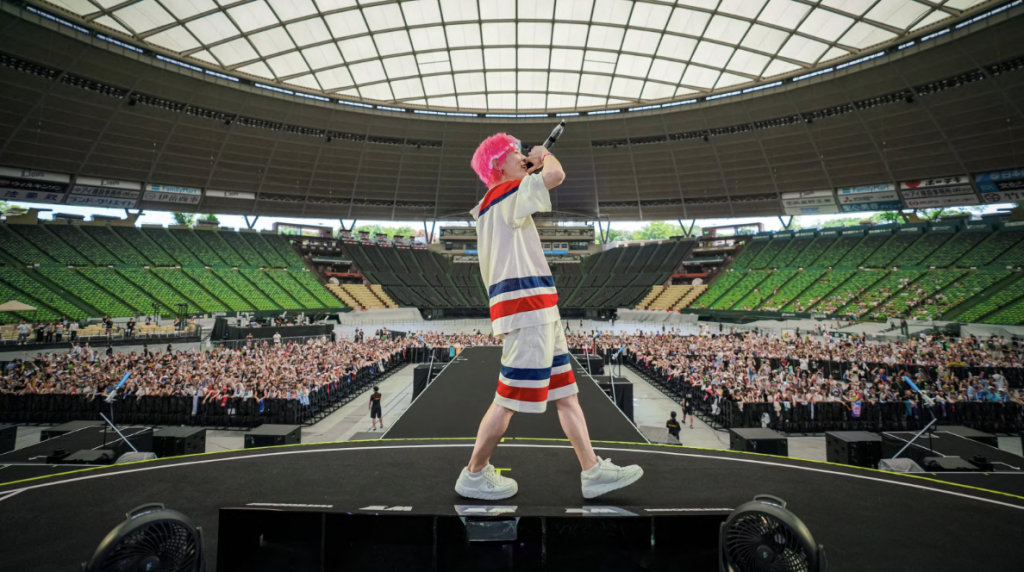
Electronic music has always rewarded artists who can be understood quickly, although that has become a stranger bargain now that every release has to compete with clips, visual language, market position, audience expectation, and the old-fashioned problem of whether the record actually hits.
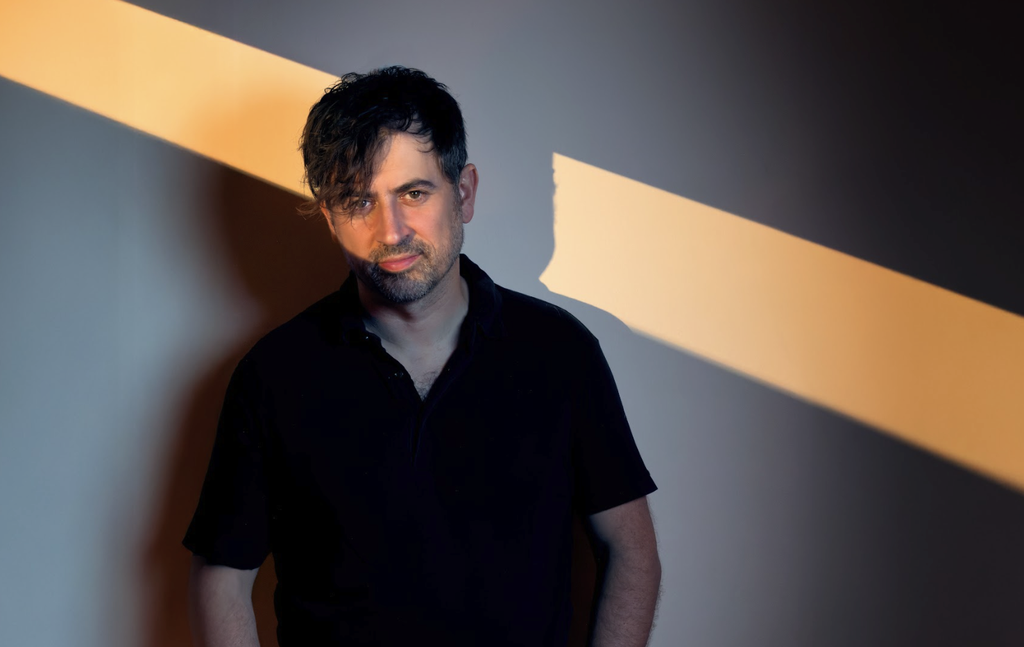
Darin Epsilon (@darinepsilon) has lived with that tension longer than most, building Perspectives Digital across fifteen years while holding onto a melodic foundation that can move between progressive house, melodic techno, vocal records, open-air sets, and the kind of festival moments where a track either opens up or disappears.
That makes “Ghost” feel like a useful place to have this dialogue.
The release brings Darin back to original vocal collaboration for the first time since 2015’s “My Own Time,” pairing him with acclaimed Italian vocalist Lacey on a summer-facing Perspectives Digital single built for the emotional end of the dancefloor.
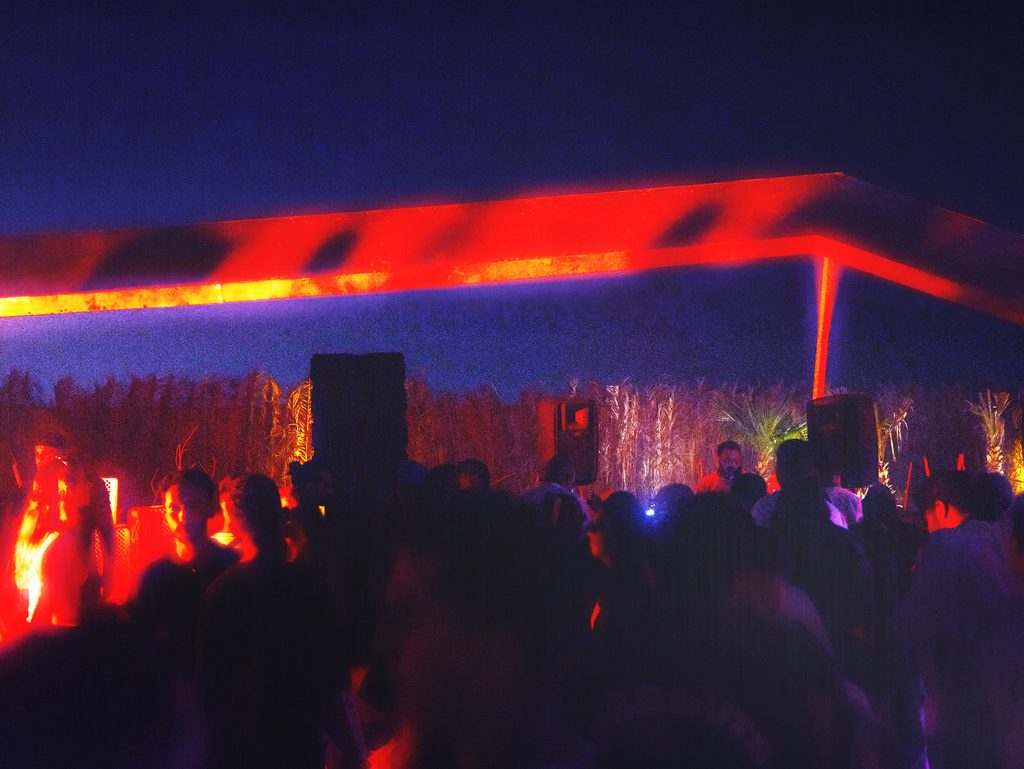
It also arrives with plenty of history around it: more than 75 cities played, appearances at Ultra Music Festival, Amsterdam Dance Event, Miami Music Week, Burning Man, Rave The Planet, and BPM Festival, a long-running residency at Berlin’s Ritter Butzke, and a label catalog that has carried music from more than 250 artists worldwide.
The interview below gets into branding, genre boxes, audience assumptions, reinvention, and the difference between having a distinct point of view and dressing the project up in a gimmick. Darin’s answers are direct because he has seen both sides of that machine.
He knows DJs need a recognizable identity, and he also knows how quickly identity can become a trap once people start deciding what rooms, audiences, and scenes belong to you before they hear the next record.
Interview With Darin Epsilon
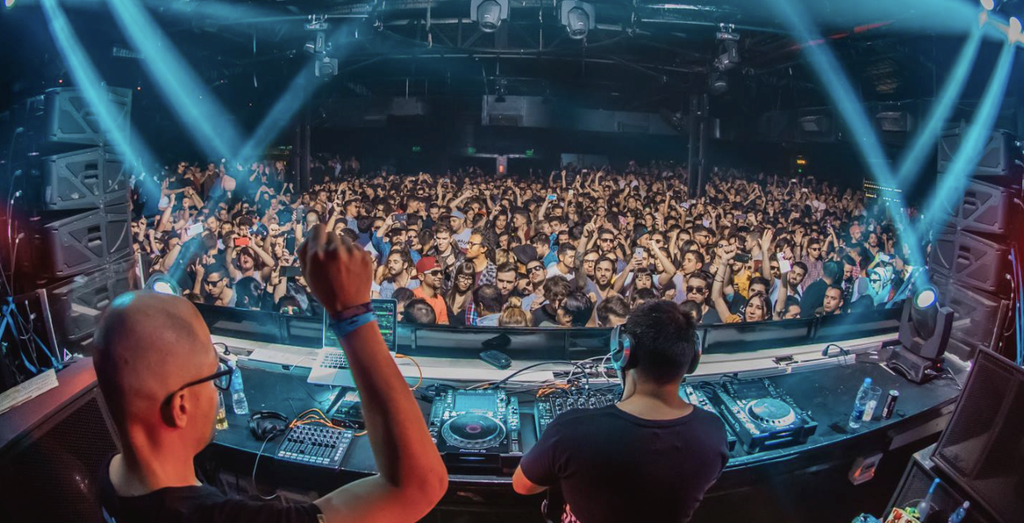
Do you feel like DJs today are expected to have a “thing”: a gimmick, look, or brand?
Not necessarily a marketing gimmick, but you do need a distinct angle or point of view in order to cut through. The competition is intense, and authenticity is what gives people a reason to connect and stay invested in your path as an artist.
And yes, whether or not we like to admit it, DJs are brands. The music you release and the music you play in your sets all represent that brand. It needs to be clear, because promoters need to understand which scene you identify with in order to place you in the right rooms.
Have you ever felt boxed in by how others describe or market you?
Nearly all the time. I spent the first decade of my career pushing a certain sound, and that has come to define my legacy whether I like it or not.
My sets blur genres, so I don’t think you can box me into one specific category, but the underlying thread has always been the same: I support music with bold melodies and real music theory behind it.
What people don’t always realize is that being boxed in by sound also means being boxed in by audience. Progressive house connects heavily with Millennials and Gen X who grew up with it, while melodic house and techno has become Gen Z’s entry point into this world. So the label people put on you doesn’t just define your sound; it quietly defines who shows up to hear you, what rooms you get offered, and which part of the world takes you seriously.
That happens along other lines too. Where you’re from, how old you are, what you look like, all of it gets folded into the assumptions people make about what kind of artist you must be before they’ve heard a single track. Some of that is unavoidable. But it’s worth being conscious of, because those assumptions shape opportunities in ways that have nothing to do with the music.
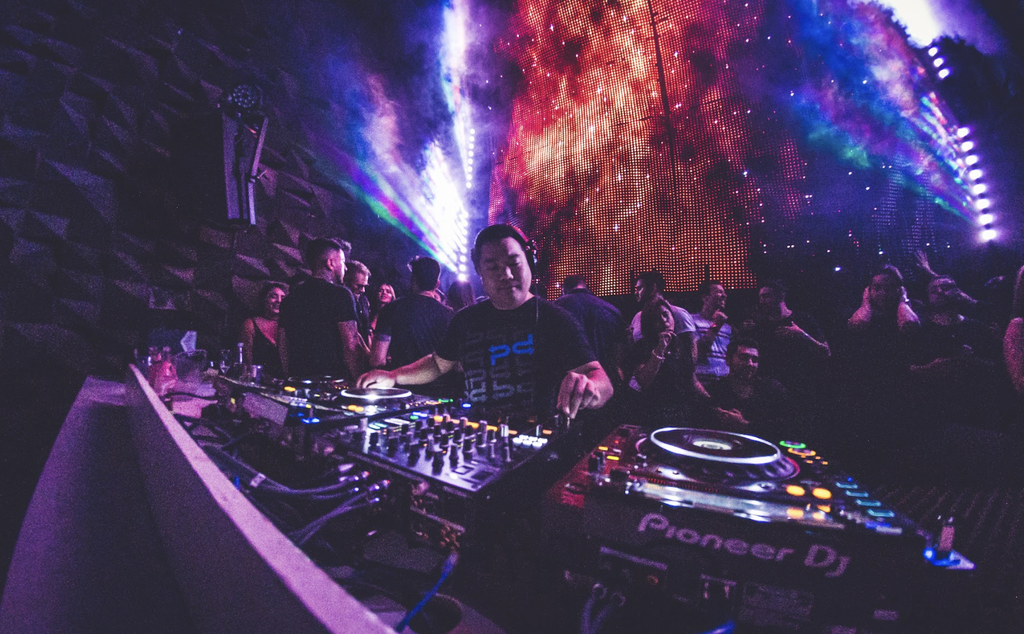
How do you approach consistency without becoming predictable?
Consistency itself is a real challenge, and I’d say it’s what separates the amateurs from the professionals. But once you reach that level, you have a new problem, which is avoiding predictability.
For me, the consistency doesn’t come from a particular sound. It comes from the fundamentals. I grew up studying violin and piano, so I approach everything through melody, harmony, and structure. Those principles don’t change even when production styles do. That’s what lets me move between different genres without it feeling like I’m chasing something.
Beyond that, you have to keep experimenting because it’s about evolution. Even artists like The Beatles, Madonna, and Michael Jackson never stuck to one sound across their entire careers. In dance music, you can point to plenty of producers and DJs who have reinvented themselves successfully.
Solomun is probably the prime example in our scene. He’s genre-fluid in a way very few people manage, and the Solomun of today sounds completely different from the Solomun of five or ten years ago. That kind of reinvention is what keeps an artist relevant across decades rather than a single cycle.
What’s been your process for discovering your identity without forcing it?
I can only be authentic to myself. I can honestly say that I would never play music I don’t genuinely enjoy or feel.
There are plenty of DJs out there who are simply in it for the cash grab, and I don’t think that’s what makes you an artist. Art is supposed to struggle and it’s supposed to be hard. It’s supposed to come from somewhere real, and usually that means it comes from your own life experience.
I had plenty of chances to go the mainstream EDM route, especially back when I was regularly playing for Insomniac Events, but I never took them. I’d be lying if I said that choice didn’t cost me. Going that direction would have meant significantly more money and bigger stages, much faster.
But I’ve watched enough artists take that path and burn out or lose relevance once the newness fades. The ones still standing decades later tend to be the ones who stayed genuine music lovers.
The honest answer is that you don’t really discover your identity. You just stop borrowing someone else’s. Everything that shaped you, where you grew up, what your parents played in the house, what you had access to and what you didn’t, all of it is already there.

Are there artists you admire for not having a thing, or for constantly evolving?
What Anyma and Tale Of Us did with their brand was nothing short of remarkable. They went from being a cool underground act aligned with labels like Innervisions, to making melodic music genuinely popular again, and then to becoming a stadium act.
What makes it remarkable is how rarely that works. For every artist who evolves and takes their audience with them, there are many more who lose the original crowd without ever gaining a new one. Anyma and MRAK managed to expand massively without ever looking like they’d sold out, and that’s the hard part. They completely changed the game.
What would you say to someone who feels like they’re not “distinct” enough?
Just be yourself and don’t try to mimic anyone else. Take inspiration from other artists, absolutely, but don’t become a clone of them.
Here’s the thing people miss: distinctiveness isn’t something you invent, it’s something you already have. Nobody else has your exact combination of background, upbringing, cultural reference points, and lived experience. Two producers can use identical plugins and identical sample packs and still make completely different records, because they’re not the same person and they haven’t lived the same life.
The scene is also far more global than it was when I started. There’s incredible music coming out of India, Latin America, the Middle East, and parts of Africa that would never have been part of this conversation twenty years ago. Those artists aren’t distinct because they’re trying to be. They’re distinct because they’re bringing a genuinely different set of influences to the table. That’s the whole engine of how this music evolves.
So the difficulty is usually not in being unique. It’s in having the confidence to let what’s already there come through.
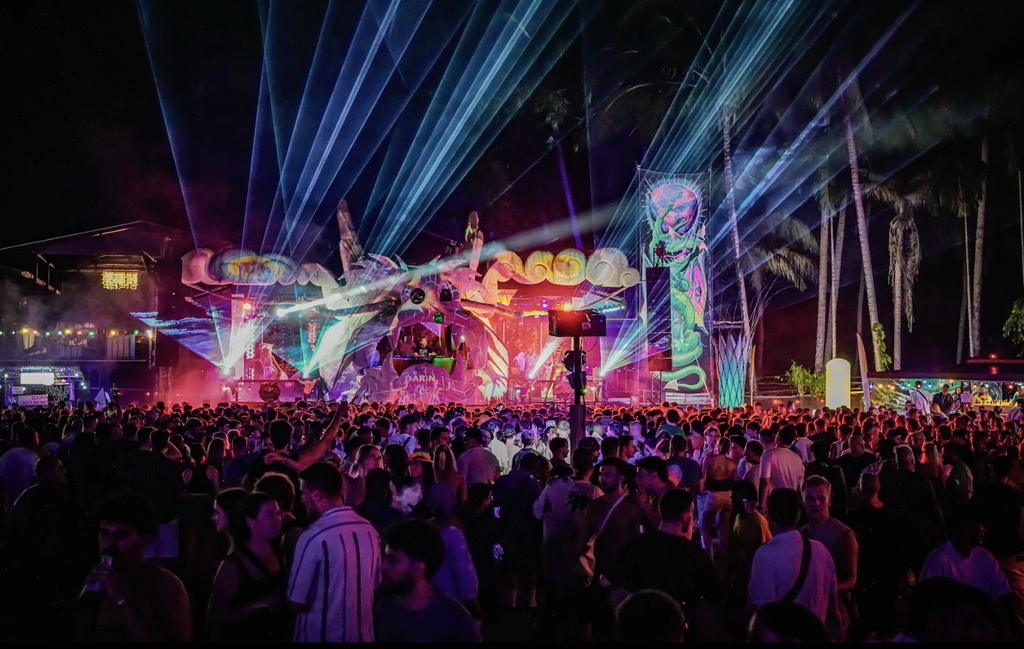
Closing Thoughts
Darin’s answer about being boxed in is the one that gives this interview its edge.
Genre labels are supposed to help people understand a sound, and at their best they do, but they also start deciding who gets invited into which rooms, which age groups show up, which promoters understand the project, and which part of the market still sees the artist as current. That is a much harder problem than whether someone calls a track progressive house or melodic techno.
That connects naturally with my interview with Deeparture on identity, branding, and keeping the music ahead of the campaign. Deeparture talked about the pressure to have a recognizable project in a crowded electronic market, while Darin’s version adds the long-career cost of that recognition. Being understood can help an artist grow, but being understood too narrowly can become its own ceiling.
There is also a clear link to Yeadon’s interview on taste, creative choices, and protecting the artist inside the record. Yeadon was speaking about technology and creative shortcuts, while Darin is talking about branding and genre expectation, but the underlying issue is similar. The artist has to keep choosing from the inside of the work, not from the easiest version of the market’s idea of them.
“Ghost” is a useful release to place next to that conversation because it brings Darin back into original vocal territory after a long gap. A producer with a defined legacy can easily repeat the safest version of what people already know, yet this record puts him back in contact with a more emotional, vocal-led side of his catalog while still carrying the melodic and harmonic instincts that have been there for years. The move is new enough to feel active, and familiar enough to feel earned.
Darin is blunt about how progressive house often connects with Millennials and Gen X, while melodic house and techno has become a gateway for a younger crowd, and that is the kind of observation artists usually talk about privately rather than putting into an interview answer. It is not only a demographic comment. It is a programming comment, a branding comment, and a reminder that genre language changes who people imagine the artist is for.
His comments on Anyma and Tale Of Us are telling because he focuses on the difficulty of bringing an audience with you. Reinvention is easy to praise after it works, and much less comfortable when an artist is between phases, when the old audience is unsure and the new one has not fully arrived. Darin seems more interested in that risk than in reinvention as image management. Evolution only means something if the music can support the move.
The broader takeaway is that Darin’s view of identity is less about inventing a “thing” than stripping away borrowed language until the real throughline becomes audible. In his case, that throughline is melody, harmony, music theory, and a willingness to blur the genre edges without letting the work lose its center. “Ghost” fits that idea well.
It reaches back toward the vocal emotion of his earlier catalog while still pointing forward, and for an artist with a long history behind him, that may be the better version of reinvention: not becoming someone else, but making sure the next record still has room to move.

Will Vance is a professional music producer who has been involved in the industry for the better part of a decade and has been the managing editor at Magnetic Magazine since mid-2022. In that time period, he has published thousands of articles on music production, industry think pieces and educational articles about the music industry. Over the last decade as a professional music producer, Will Vance has also ran multiple successful and highly respected record labels in the industry, including Where The Heart Is Records as well as having launched a new label with a focus on community through Magnetic Magazine. When not running these labels or producing his own music, Vance is likely writing for other top industry sites like Waves or the Hyperbits Masterclass or working on his upcoming book on mindfulness in music production. On the rare chance he's not thinking about music production, he's probably running a game of Dungeons and Dragons with his friends which he has been the dungeon master for for many years.