A promoter can book an artist, sell the date, run the room, post the photographs, and close the accounts. Once the lights come up, though, the developing artist may leave with little that can support the next booking. Photographs and phone clips document the date, yet most of its attention disappears within days. Lantern House founder and curator Weiyi Xia has spent the past few years considering how a relationship established by programming an artist might continue after the date.
His principal work is music programming and artistic selection, while Lantern House acts as the promoter when it organizes an event.
The question is ambitious because promoters already carry considerable financial exposure.
The Association of Independent Promoters reported that 90 percent of respondents lost money on at least one in ten shows, while 55 percent relied on work outside promotion to supplement their income. Its 2024 report found that most respondents programmed local artists in at least a quarter of their dates. Those programs create opportunities for artists, even when event economics leave little room for additional activity.
Lantern House offers a compact case study of what such an extension can look like. Founded in London and led by Xia, the project has moved from club programming at E1 and Colour Factory, with further work at Vittoria Wharf, toward Lantern House Radio, a recorded live-performance series with accompanying artist conversations in some cases.
The central idea is easy to understand: if a curator researches an artist carefully enough to place them on a considered lineup, that relationship can continue after the date, and a commissioned performance can offer another context in which an audience encounters the artist’s work.
Xia also addresses an important limit to the claim.

Lantern House cannot yet point to an artist whose career changed in measurable terms because of the project. Lantern House does not operate as an artist-development service or manage artists’ careers, so any wider professional benefit should be treated as a possible outcome of its programming. The question remains open: can considered artistic selection and repeat invitations create a continuing audience relationship, and what evidence would demonstrate that?
Programming Begins With Artistic Selection
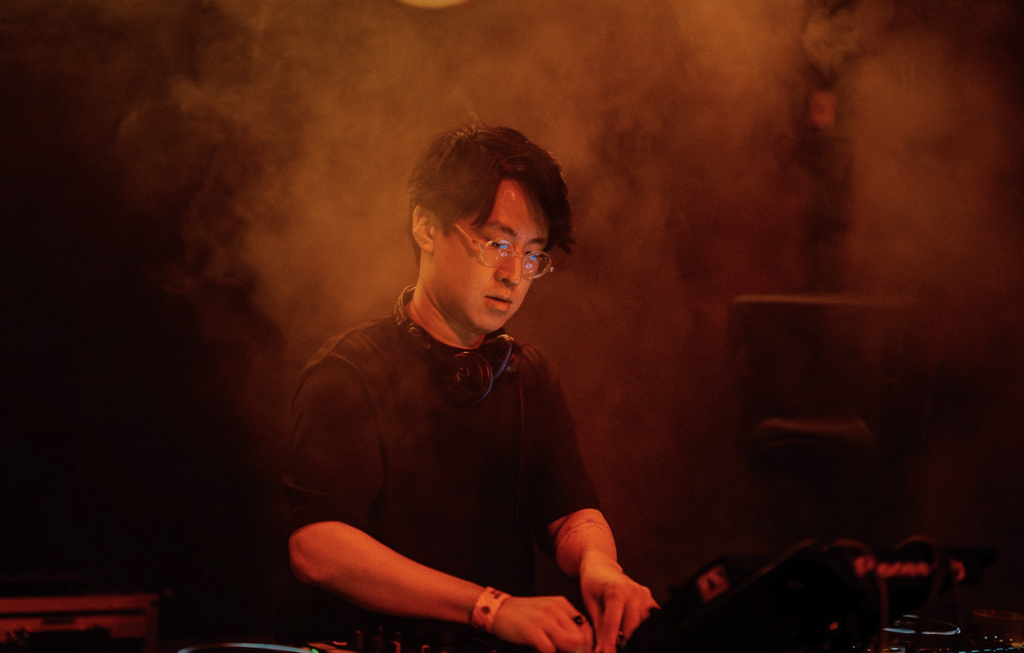
Within Lantern House, Xia is responsible for researching artists and constructing the lineup, including the relationships between performers and the musical direction of the room. Booking and venue coordination are part of producing an event, alongside ticketing and artist logistics. His principal practice concerns why an artist belongs in the programme and how their performance relates to the other artists. The format of that performance is part of the artistic decision.
Lantern House’s lineups provide the first opportunity to examine that work.
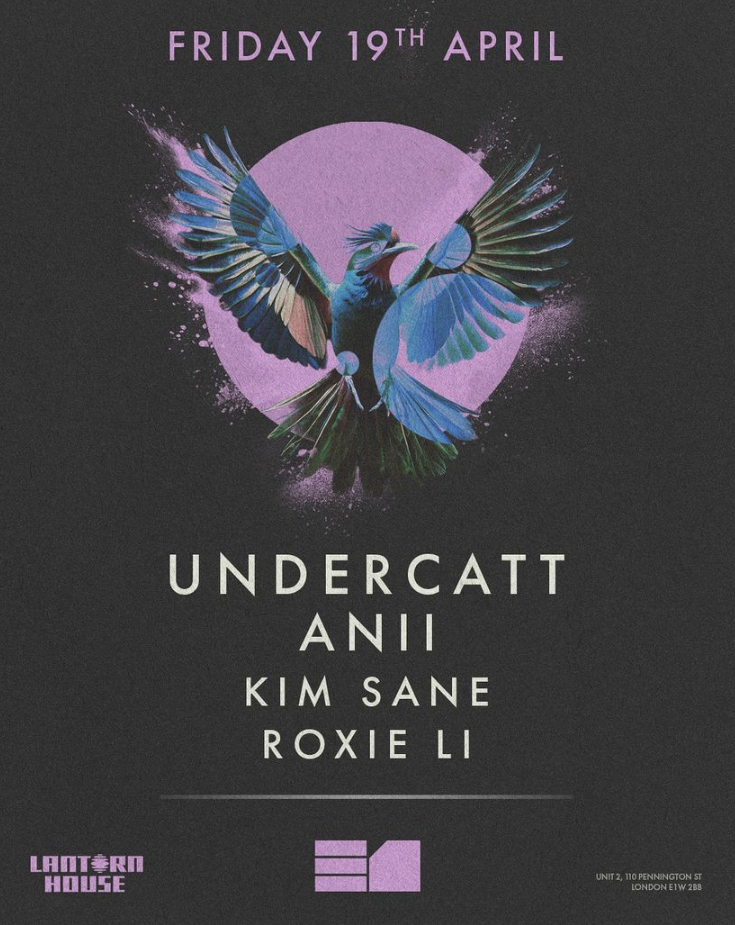
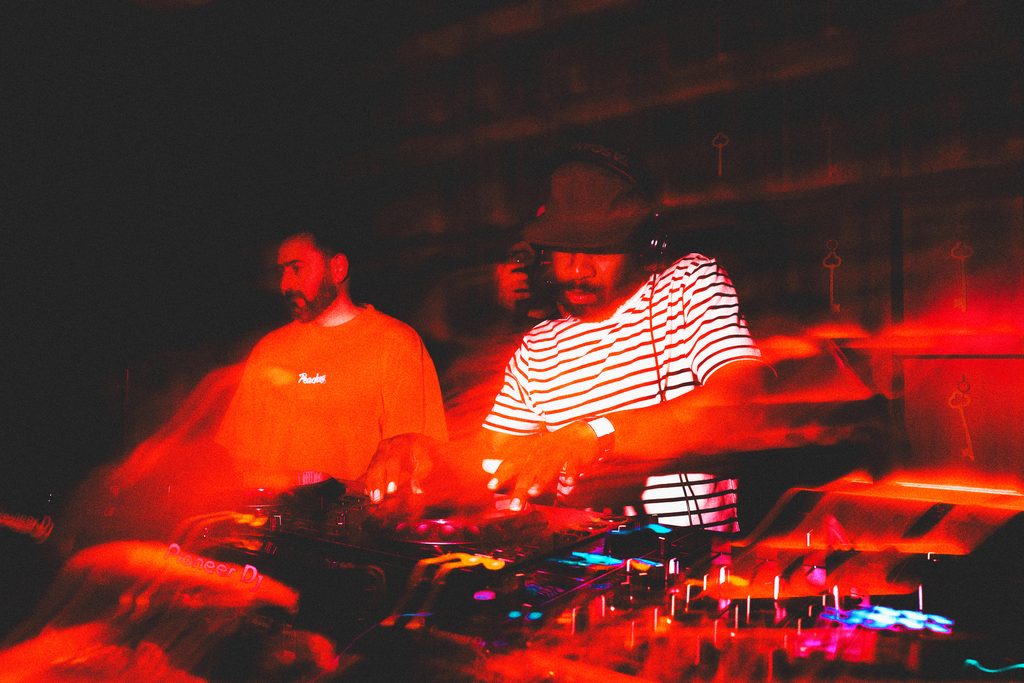
An April 2024 programme at E1 placed Undercatt and ANII alongside Kim Sane and Roxie Li. Resident Advisor’s archived listing confirms the date and billing, and identifies the appearance as Undercatt’s E1 debut. That detail helps explain Xia’s approach. The headline appearance had a specific context, while artists at earlier career stages were included in the same musical programme.
The July 2025 Colour Factory date narrowed the concept further.
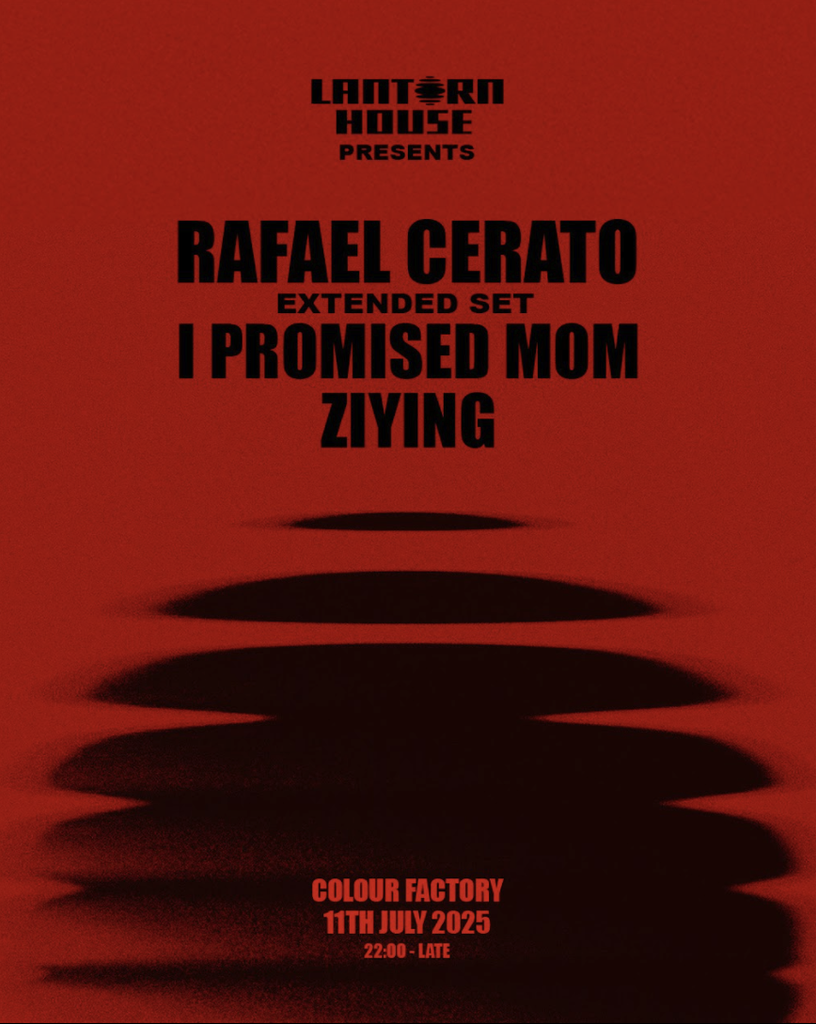
Rafael Cerato played an extended set for his London debut, with I Promised Mom included in the supporting programme. Colour Factory’s event page confirms the six-hour event window and Cerato’s debut, while the Resident Advisor listing identifies Lantern House Events as promoter. An extended headline set changes the curator’s task because the supporting artists have to prepare a room for a longer presentation, with decisions about pacing and musical direction affecting the earlier performances.
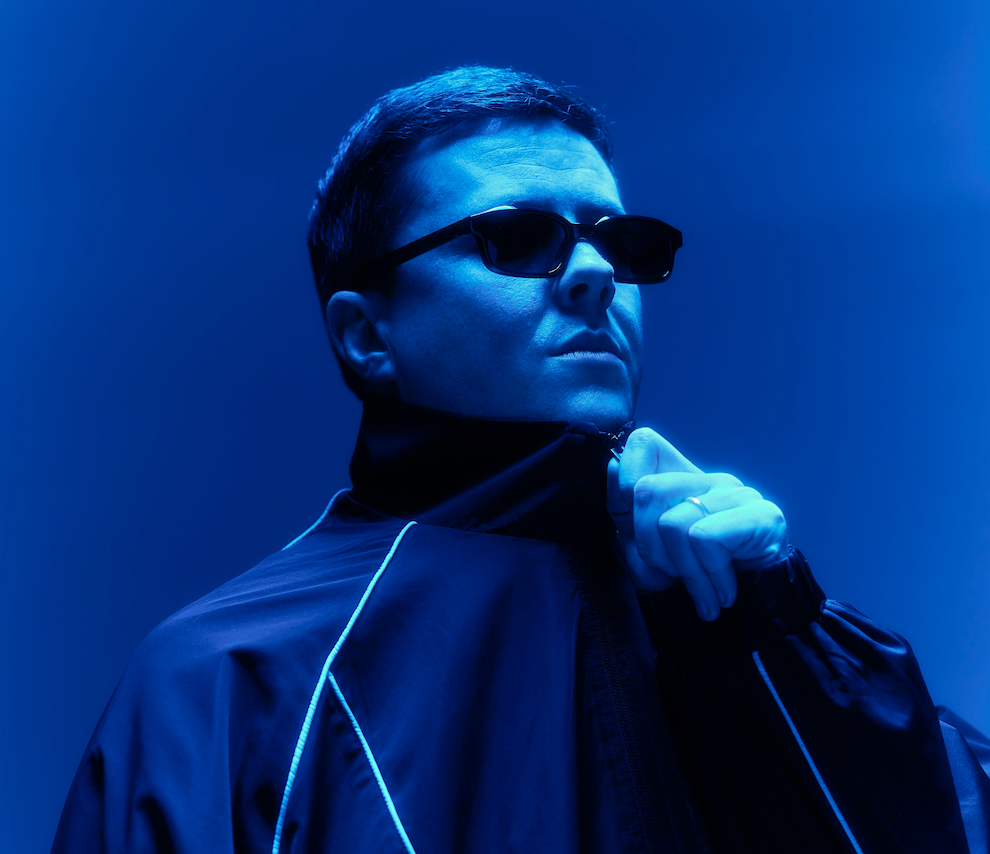
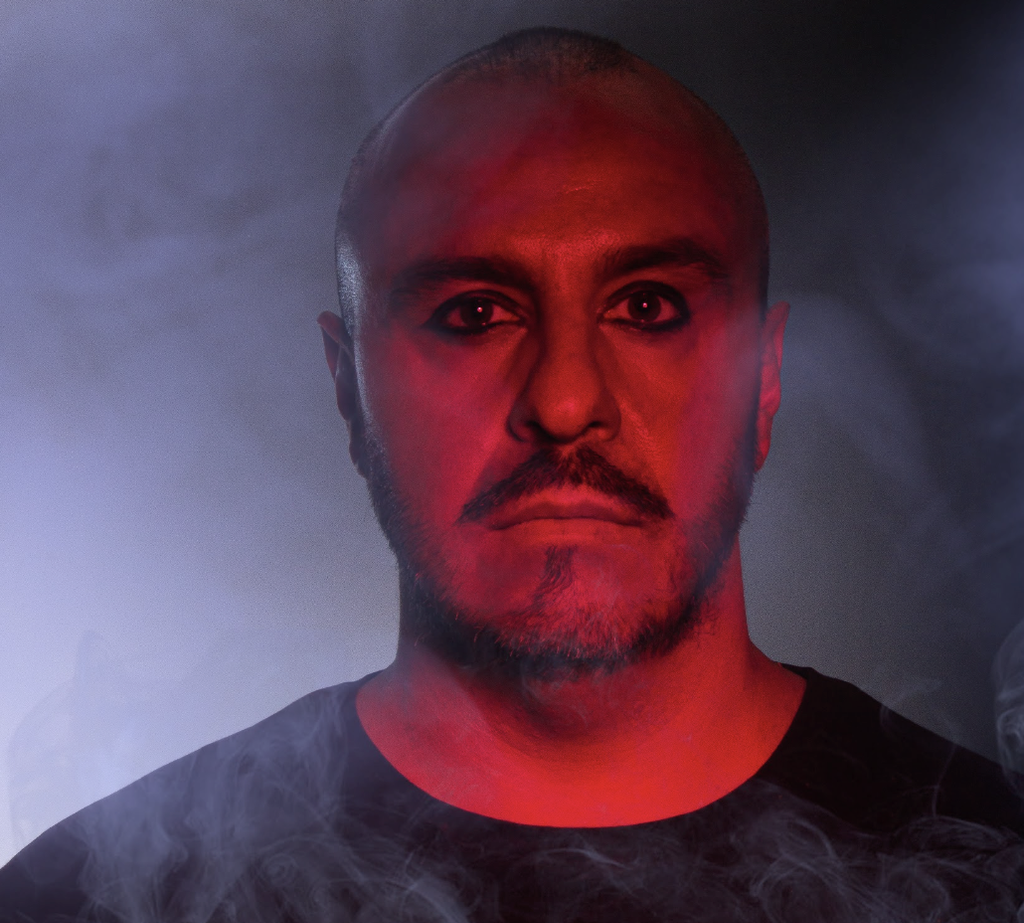
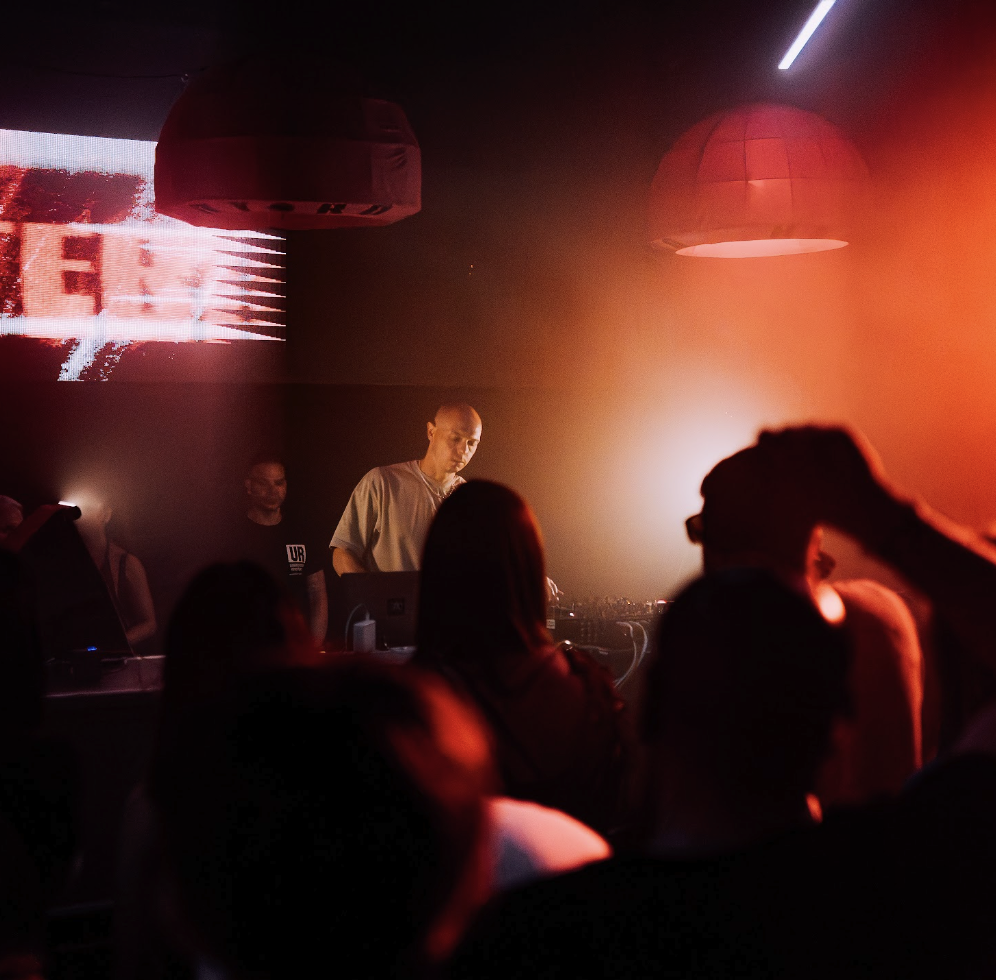
By May 2026, Lantern House was working on a programme at E1 with Recondite performing live, Lehar DJing, VNTM performing live, and CENKK. Resident Advisor named it an RA Pick, and the listing credits E1, Lantern House Events, and meteora180 as promoters. The live and DJ formats are central here. Xia programmed contrasts in performance method while keeping the musical relationship legible across the night, and E1’s no-phone policy created an environment built around sustained attention.
VNTM’s inclusion gives a specific example of the research behind that program.
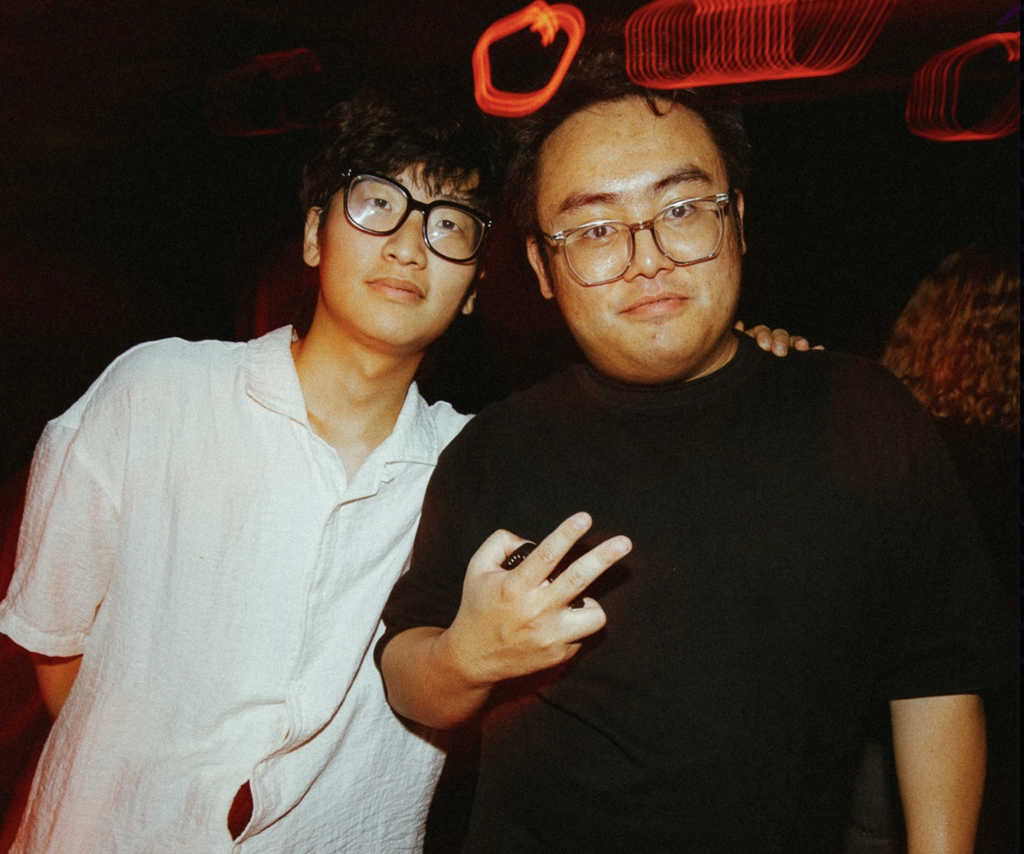
Xia first met Thomas, who performs as VNTM, at ADE in Amsterdam in October 2024. They had a long conversation about electronic music and Thomas’s live project, and Xia discussed what he was beginning to develop with Lantern House. He was interested in the music, but he did not leave the meeting looking for an immediate date on which to program him.
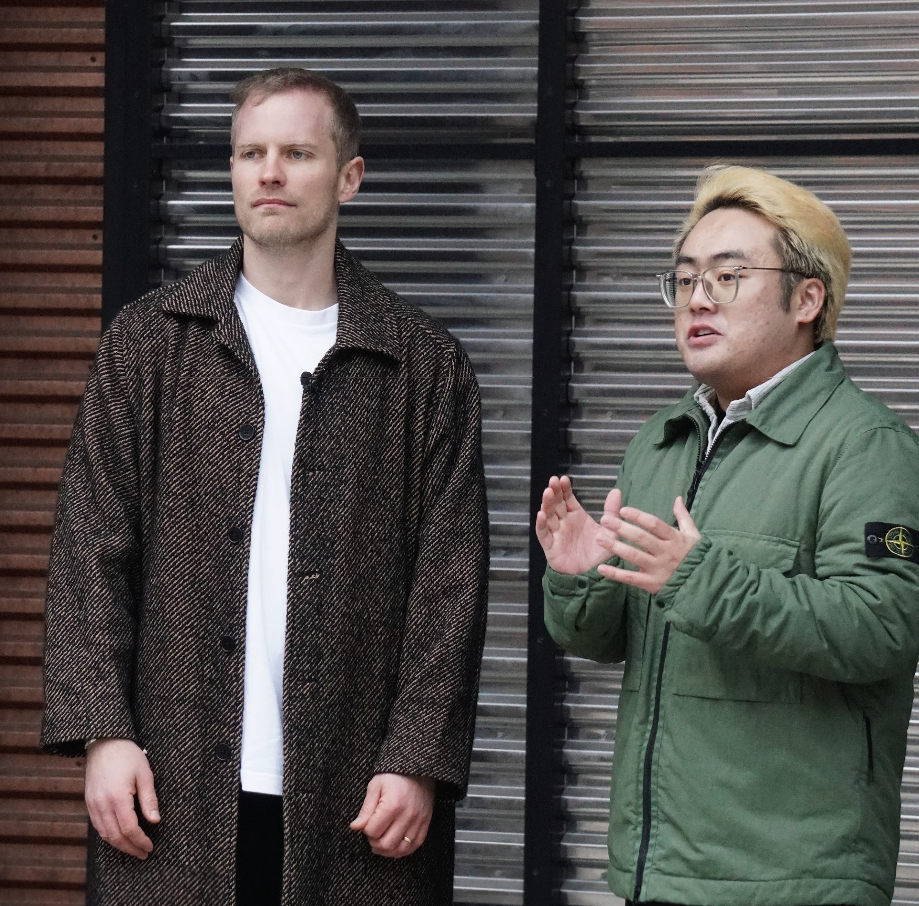
Over roughly the next eighteen months, Xia continued following VNTM’s releases and live performances. Liking the artist’s work was insufficient reason to include him in a program; Xia wanted a context in which he could explain the musical relationship. That became clearer when he began developing the E1 program around Recondite.
Xia heard a connection in their use of atmosphere and melodic development, as well as their approaches to live electronic performance. The differences between the artists also shaped the decision, since their work could relate to one another while retaining distinct musical identities. Thomas performs his own material as a hardware-based live act. With Recondite also performing live and Lehar DJing, Xia considered how those performance methods would work across the evening and how much time each live performance needed in the running order.
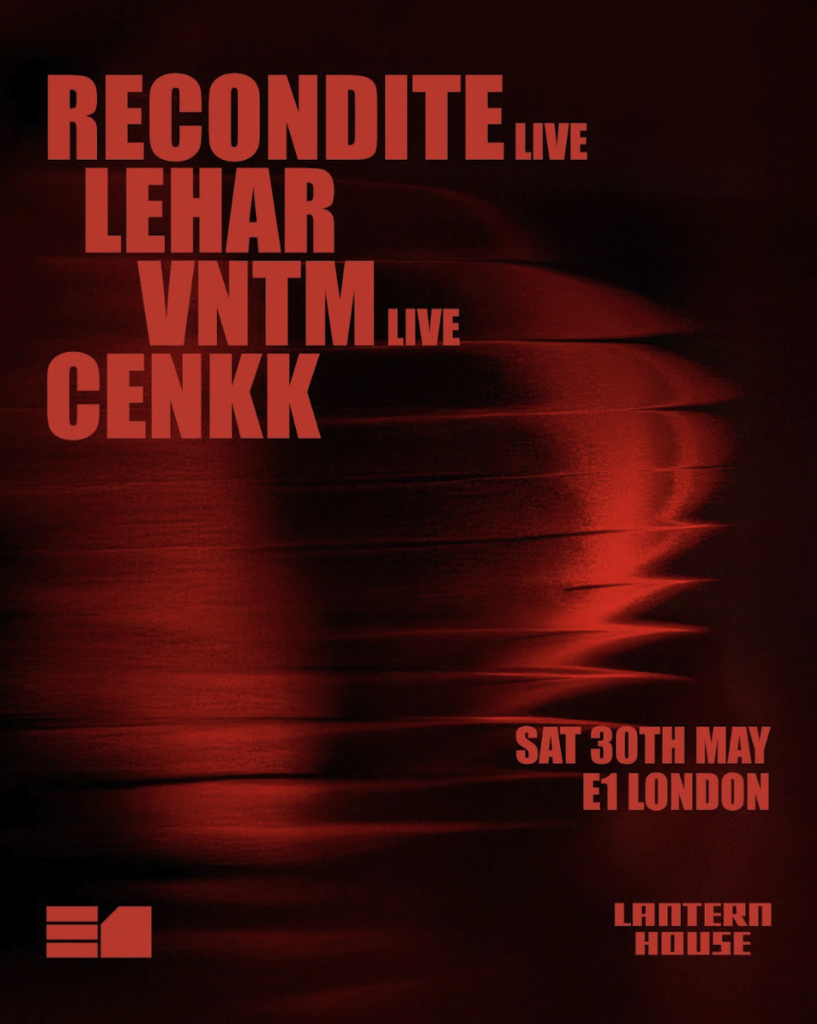
VNTM had already performed in the UK, so the invitation focused on his place within this particular program. Xia wanted a London audience to encounter the project alongside artists whose work had a musical connection with it. He later learned that Thomas had previously programmed Recondite as part of his Mindscape series in Amsterdam. That information followed Xia’s selection decision, adding another perspective on a relationship he had identified independently.
CENKK’s inclusion applied the same programming logic to an artist at an earlier career stage. Xia wanted an opening performance that belonged within the evening’s musical direction, with the selection justified by the artist’s contribution to the program.
The timeline makes Xia’s professional method easier to assess. Around a year and a half passed between meeting Thomas and programming VNTM at E1, with continued artist research during that period. The eventual invitation had a specific musical and performance-based justification. That explains the selection process, but it does not show how successfully the audience experienced the intended relationship that night.
The Performance Continues Beyond the Date
Lantern House Radio grew out of a simple observation.
An artist may play for an hour or ninety minutes and meet a new audience, then leave with photographs and phone clips. Those materials document attendance, although they rarely communicate the full performance. A professionally recorded long-form set gives bookers and labels a better basis for evaluating musical identity and performance judgment.
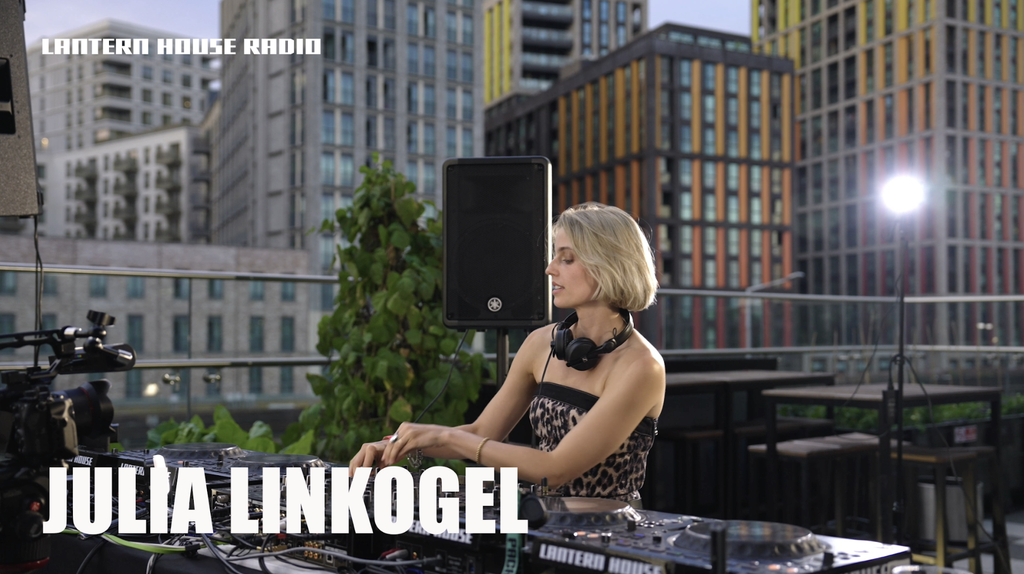
The series takes place outside a conventional club and follows the same research-led selection process as the live programme. It is a commissioned, recorded live-performance series, rather than a radio broadcast or podcast, and Xia’s role is programming and curation. The performances are recorded specifically for the series, with artist conversations providing additional context in some cases. Artists receive invitations following research and artistic selection. REj, a Gibraltar-born artist based in London, has recorded a full performance and an accompanying conversation about his musical development. Lantern House’s public post introducing REj describes him as a selected Radio artist. German DJ and producer Julia Linkogel has also recorded a sunset performance in London, with an artist interview planned alongside it, as Lantern House confirmed.
Other selected participants include Chris Husky, Vomee, Fresh Lov3, and Kim Sane. The important point is the connection between formats. A recorded performance can precede a club booking, while an artist first encountered on a live lineup can return for a longer filmed set. That gives Lantern House a way to continue an artistic relationship across programmes. The organisation does not offer management or agency representation, and each invitation depends on its curatorial suitability.
The timing is relevant to the wider UK sector because a parliamentary inquiry heard that recorded music has become easier to market while touring has become harder, and it cited a cost-of-touring crisis that had sharply reduced activity from pre-pandemic levels. The committee’s report treated venues and promoters as parts of the artist-development network, recognising that live programmes can contribute to artists’ wider careers. That contribution is compatible with Lantern House’s curatorial remit, without defining the organisation as an artist-development service.
Recorded material still needs distribution, however, and professional production does not guarantee professional attention. A full set may help an agent assess an artist, though its career effect depends on who watches and whether a professional opportunity follows. Lantern House Radio has commissioned full recordings for selected artists.
It has not yet proved that those recordings consistently reach new audiences or lead to further opportunities, and that distinction should remain visible as the series expands.
Five Questions With Weiyi Xia

The exchange below has been condensed and lightly edited for house style, with terminology updated to reflect Xia’s clarification of his role.
When you founded Lantern House, how did you define your role as a music programmer and curator?
When I started Lantern House, I saw my role as putting music first and building programmes around artists I believed in. Independence gives me room to follow my taste and spend time on artist research and selection.
That freedom carries responsibility, since I need to know why each person belongs in the programme. I like placing people at different career stages together when there is a clear musical connection. An independent curator can back someone before broad industry attention, then introduce the music in the right context.
What responsibilities begin once you select an artist for a Lantern House project?
Once I select an artist, I spend time understanding their work beyond one release or DJ set. I want to know what they have done and where the music is heading. Their background and current releases can affect how they should be presented. Then I decide where they belong on the lineup and which format suits them. For the Recondite, Lehar, VNTM, and CENKK programme, I considered how live performances could sit alongside DJ sets. With Radio, I ask whether an artist can carry a recorded set and which setting communicates the music well.

Which limits of live appearances led you to create Lantern House Radio?
This came from several live events with the same outcome. A booking can introduce an artist to a new audience and connect them with a venue, yet the appearance disappears quickly after the date. An artist may play for ninety minutes, then be left with photographs and short clips. Lantern House Radio gives selected artists a professionally recorded performance that can continue representing their music. For some artists, we also record conversations about their background and recent work. I am still determining how far the model can go, although I do not want each artist relationship to finish after one booking.
Which part of Lantern House do you want to develop during the next year?
I am most interested in connecting Lantern House Radio with our live programmes. I want the Radio series to become regular and continue introducing developing artists I select following research. If a recorded performance reveals a convincing musical connection, I would like to bring that artist into a later club programme. The reverse can happen when someone returns after a live booking for a recorded set. If an artist begins with Radio and later joins a live lineup, Lantern House will have created a continuing relationship.
Can Lantern House point to measurable career results yet, and what would success look like next year?
It is too early for me to claim that Lantern House has changed someone’s career in measurable terms. Artist careers depend on many contributors and timing, so I would not take credit without evidence. The next step is to see whether those recordings reach new audiences and lead to further opportunities. By next year, I would like our live programmes and Radio recordings to connect more often. I would also like artists to feel understood and presented accurately, with a later invitation when the musical fit remains convincing.
Where Lantern House Still Has to Prove Itself

Lantern House has identified the right problem, and its answer begins with work the project already does: artist research and programming. The harder part is measurement. Return bookings and documented opportunities are countable. Watch time can indicate whether listeners stay with a long-form performance. Those measures can help assess audience engagement and subsequent opportunities, while artistic selection also needs to be evaluated on its own terms.
The scope of each invitation also needs to be clear.
Lantern House commissions performances and, in some cases, accompanying artist conversations. Agreeing on what will be recorded and how it may be used gives the artist a clear account of that commission. If promotion accompanies its release, specifying the period and scope would help distinguish those communications from the artistic work and avoid expectations of ongoing career representation.
Financing presents the greater test.
Music Venue Trust reported that 53 percent of UK grassroots music venues showed no profit in 2025 and that average margins sat at 2.5 percent. Its 2025 annual report recorded 6,000 lost jobs and 175 towns or cities without regular professional touring shows. Adding filming, audio production, editing, and interviews to an event budget would place another expense on promoters already absorbing considerable risk.
Lantern House therefore needs a funding model that accounts for the recorded series and explains how regular commissions can be sustained alongside its club programs. A media partner could support production, or a sponsor could fund a defined run of recordings with transparent credit. Arts funding may cover selected work, and participating partners could also share production costs.
The arrangement must preserve Xia’s selection independence because the project loses its purpose if access depends on who can pay for placement.
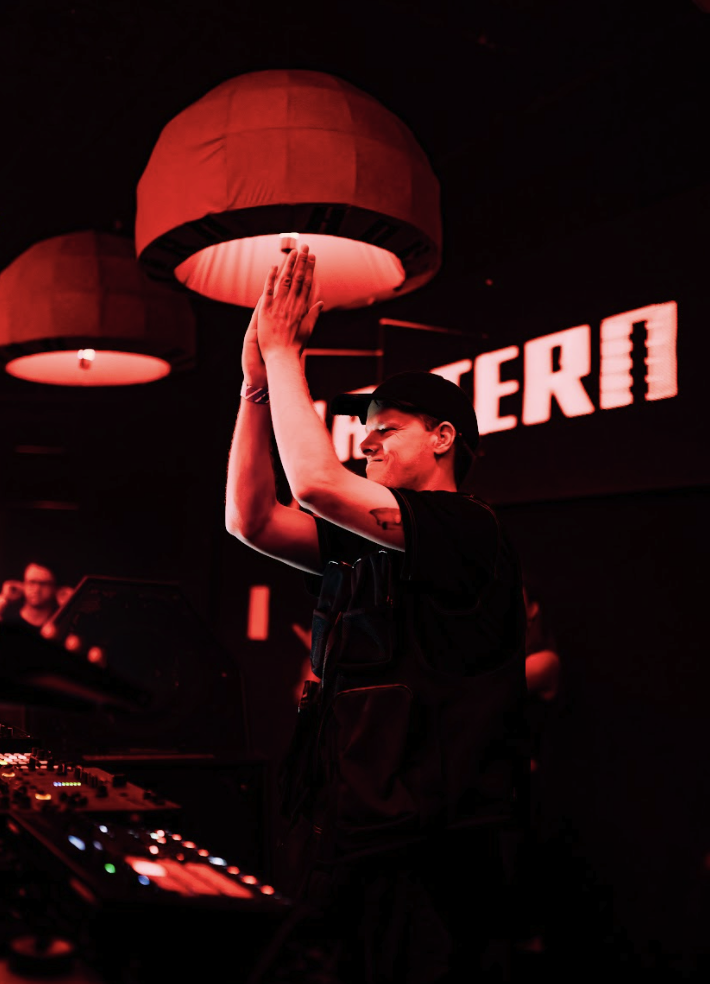
The biggest test will come when artists move between Radio and club programs with outcomes Lantern House can document. One major support slot may provide a credible credit, while repeat programming can demonstrate trust and give audiences another chance to understand the artist’s work. If REj, Julia Linkogel, or another participant returns later in a different format and secures a confirmed opportunity from the recording, Xia will have evidence for the model.
Until then, Lantern House is an organization extending its live programs into commissioned recorded performances, with Xia responsible for the artistic research and selection. The VNTM example explains the care behind one programming decision. The wider questions about sustained audience engagement and financing remain open, and any claim of measurable career impact still needs evidence.

Will Vance is a professional music producer who has been involved in the industry for the better part of a decade and has been the managing editor at Magnetic Magazine since mid-2022. In that time period, he has published thousands of articles on music production, industry think pieces and educational articles about the music industry. Over the last decade as a professional music producer, Will Vance has also ran multiple successful and highly respected record labels in the industry, including Where The Heart Is Records as well as having launched a new label with a focus on community through Magnetic Magazine. When not running these labels or producing his own music, Vance is likely writing for other top industry sites like Waves or the Hyperbits Masterclass or working on his upcoming book on mindfulness in music production. On the rare chance he's not thinking about music production, he's probably running a game of Dungeons and Dragons with his friends which he has been the dungeon master for for many years.