The easy headline is obvious: Eva Elfie, one of the most recognizable names to come out of internet adult culture, is releasing electronic music.
That is the surface-level story. It is also probably the least interesting way to talk about “Fairyland.”
The more compelling angle is what she seems to be doing with all that visibility. This is not framed as a celebrity novelty track, or at least the copy is trying very hard not to let it become that. “Fairyland” is positioned as the start of a new artistic phase, one built around underground electronic music, visual character, movement, and a more stripped-down emotional language.
That matters because a first single like this has a narrow path. If it leans too hard on the name, the music becomes secondary. If it tries too hard to prove credibility, it can sound stiff and defensive. The stronger approach is usually the quieter one: make the track, define the room it belongs in, and let the project earn itself in public.
That is where “Fairyland” starts to get more interesting.
The Visual Character Gives Her a Way In
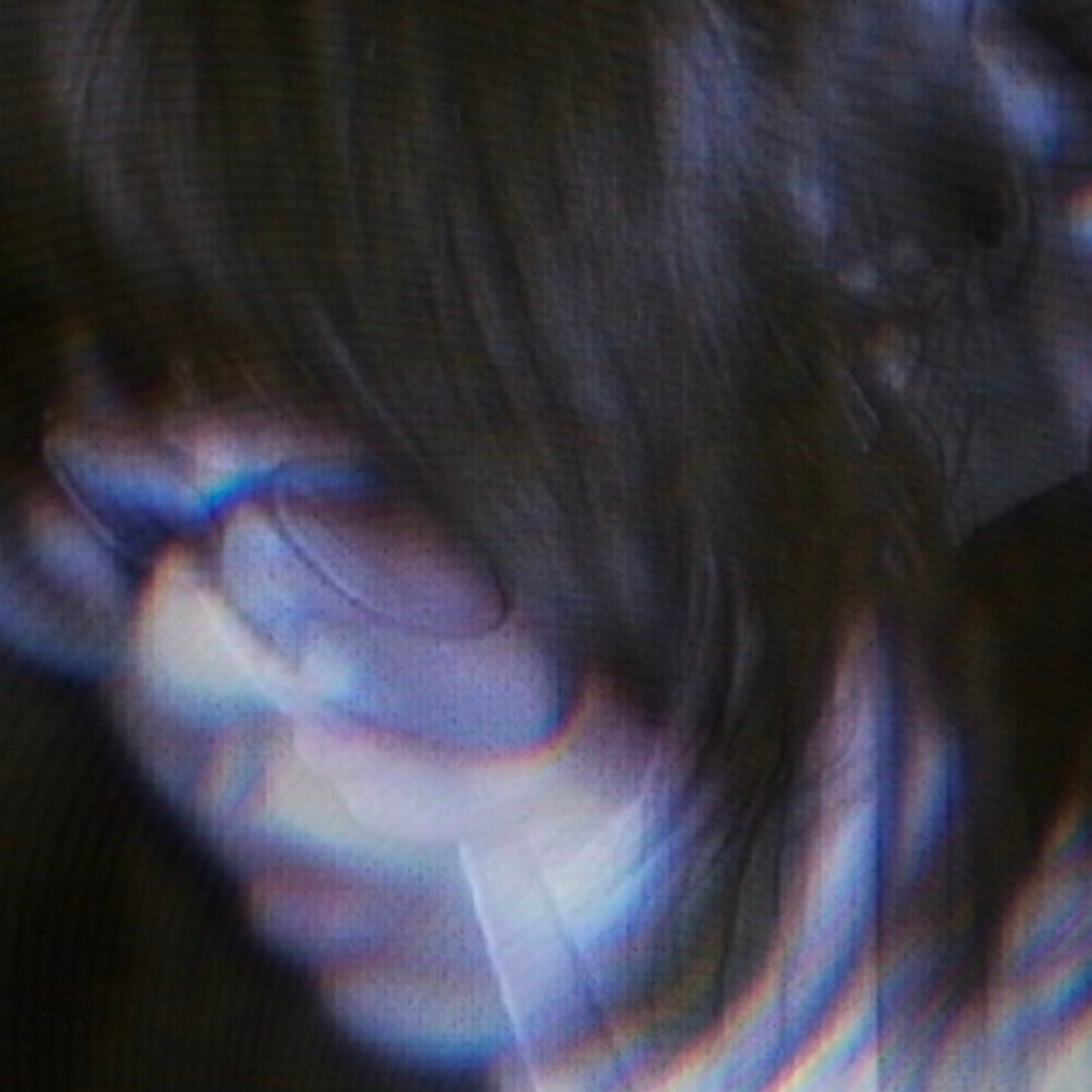
The visual concept imagines Elfie as a runaway elf navigating human spaces.
That could easily go wrong. It could become too literal, too cosplay-coded, or too detached from the music. But it also gives the project a useful bridge between the identity people already recognize and the new artistic setting she is trying to build.
The adult industry made Elfie a fantasy figure. “Fairyland” seems to take that fantasy language and reroute it into something more self-authored. The character is still there, but the gaze changes. She is no longer just being projected onto. She is shaping the scene herself.
That is the point worth watching.
For artists crossing from one public identity to another, the hardest part isn’t attention. Attention is already there. The hard part is authorship. Can the new work make people feel like the artist is steering the image, the sound, and the room? Or does it feel like a brand extension with a kick drum under it?
“Fairyland” clearly argues for the former.
It overlaps with bigger electronic albums that treat club music as a place for persona, myth, and emotional architecture. I kept thinking of HAAi’s DIGITiSE era, not because the projects sound identical, but because both are using club language to talk about identity, connection, and a body in a room.

She Has Reach, But the Music Still Has to Work
The numbers are not small. The campaign lists Eva Elfie at 5 million Instagram followers and 6.7 million TikTok followers.
That gives “Fairyland” a level of reach most debut electronic singles will never get. It also creates a different problem. A big audience can get people to press play once. It cannot make them stay.
Electronic music audiences are especially good at sniffing out a cash-in. The scene can be unfair and gatekeepy, yes, but it also has a decent instinct for when someone is treating the music as a prop. That means Elfie’s project has to survive beyond the first wave of curiosity.
The smart move is to keep the music narrow for a while. Develop the sound. Let the visuals do some of the storytelling, but do not let them carry the whole thing. Build a live show that feels considered. Put the track in rooms where you can test the groove, not only in online spaces where the headline does all the work.
That is why the underground framing is interesting but risky. Underground credibility is not granted by aesthetic language. It comes from repetition, taste, room sense, collaborators, and the ability to make something feel necessary after the novelty wears off.
Still, “Fairyland” has a cleaner pitch than I expected. It doesn’t seem to ask listeners to forget who Eva Elfie is. It asks whether that identity can become something more self-directed.
The Club Side Needs Teeth
If Elfie is moving into techno, the next question is simple: how physical is this going to get?
The source copy mentions hypnotic techno structures, industrial textures, melodic precision, and surreal visual design. That gives the project a decent map, but the club side still has to hit with enough purpose. Whispered vocals and fantasy imagery will only carry so much if the drums do not work.
The best version of this project would be patient, dark, minimal, tactile, and slightly strange. Not overproduced. Not too clean. Not full of obvious “techno” signifiers pasted together to make the pivot readable. Let the kick sit where it needs to sit. Let the vocal get uncomfortable. Let the groove do more than decorate the brand.
That is where the more industrial side could become interesting, especially if Elfie avoids turning it into stock darkness. For a harder-edged reference point in Magnetic’s archive, my interview with industrial techno artist Raxeller gets into a different corner of that harsher club language. Elfie does not need to live there, but the lesson is relevant: the texture has to feel earned.
The melodic side also needs care. Too much melody and the track could drift toward glossy crossover territory. Too little and the vocal/visual concept has to carry the whole emotional load. The best pocket is probably somewhere in the middle: physical enough for a dark room, simple enough to keep the character intact, strange enough to avoid sounding like a borrowed template.
Eva Elfie’s “Fairyland” is out now.

Magnetic byline note: This byline is used for staff produced updates and short announcements, often based on press materials and official release information. Editorial responsibility: David Ireland (Editor in Chief) and Will Vance (Managing Editor). About: https://magneticmag.com/about/ Masthead: https://magneticmag.com/masthead/ Contact: https://magneticmag.com/contact/