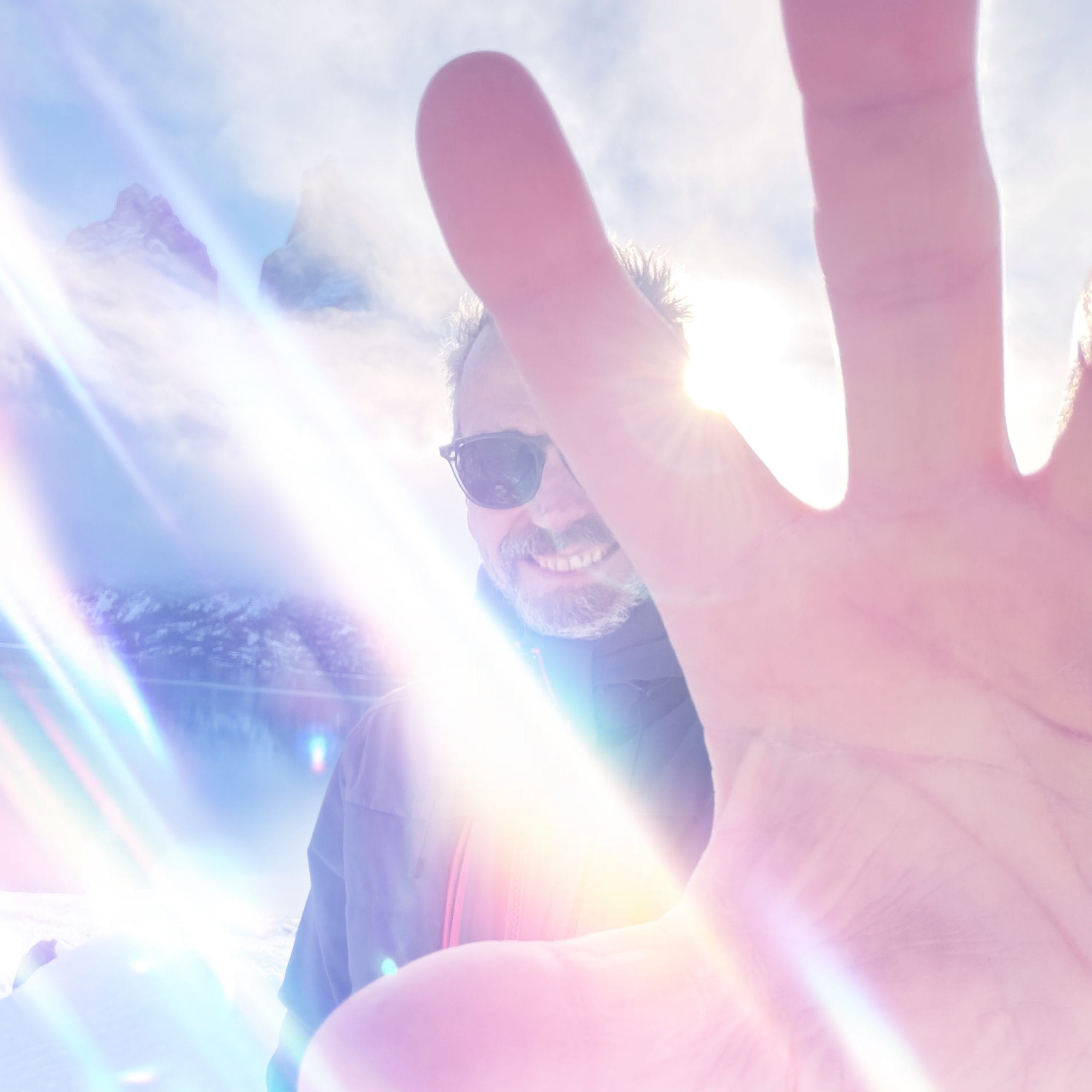
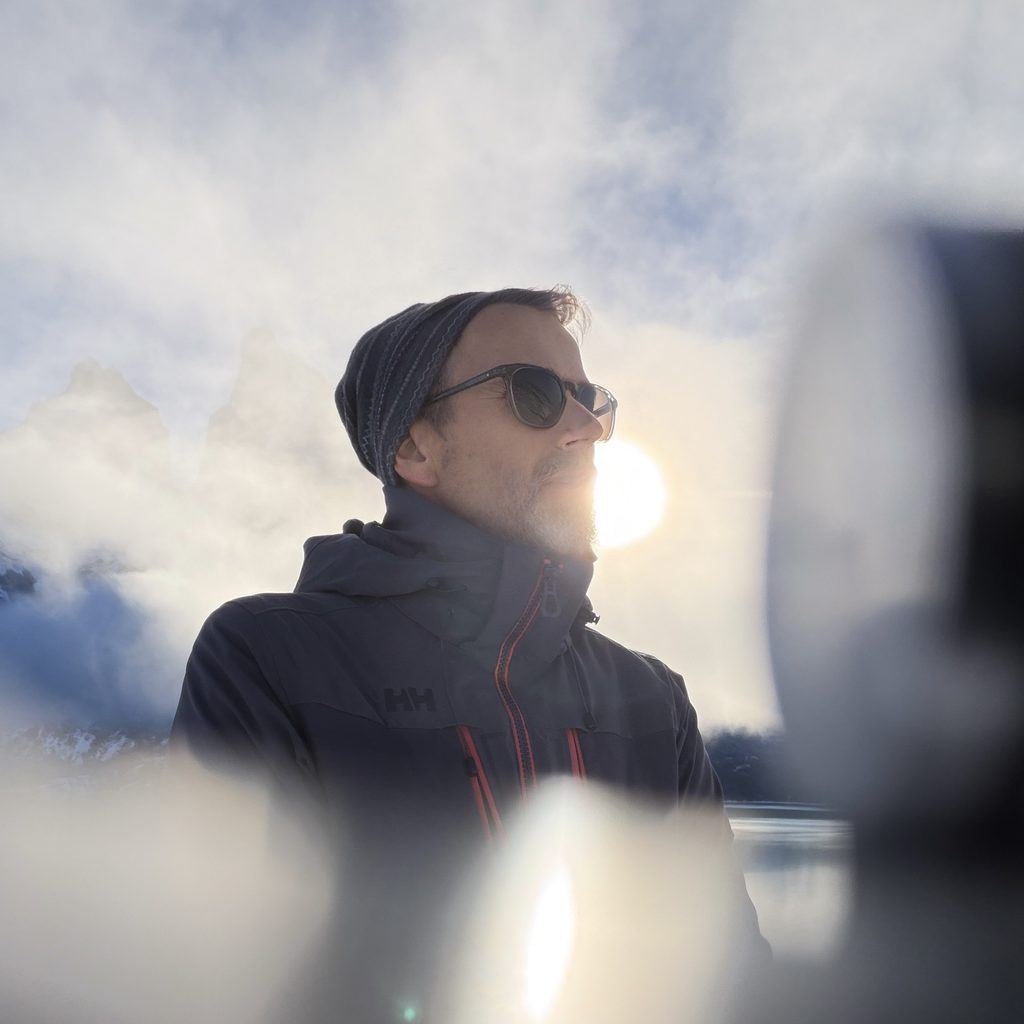
Timothy and the Apocalypse’s “Ambush” began in the middle of a frozen Patagonian winter, while Australian photographer and producer Timothy Poulton was leading a photography tour around El Chaltén in Argentina’s far south.
That setting could have easily turned into broad cinematic mood music, but the more interesting part of the track is smaller and stranger. The mountains gave him atmosphere, while abandoned cars around town gave him metallic percussion, incidental noise, and the weathered texture that ties the record to a real place.
That distinction matters because “Ambush” doesn’t simply use Patagonia as scenery; Poulton carries the place into the production itself, folding field recordings, environmental sounds, and found percussion into an electronic track where organic imperfection sits against a precise forward pulse. The result is a piece of music built from the feeling of isolation, scale, cold air, and small human-made sounds rattling inside a place that can feel much larger than the people moving through it.
The interview below gets into the method behind that process.
Poulton talks about listening while photographing, the difference between visual memory and sonic memory, the abandoned vehicles that shaped the track’s rhythm, and why future field recordings should guide the music rather than decorate it.
Interview With Timothy Poulton

You began writing “Ambush” while leading a photography tour in Patagonia, so what first pulled your attention away from the visual work and toward a piece of music?
Patagonia has an extraordinary silence, but it’s never truly silent. There’s always wind moving across the mountains, ice shifting, boots breaking through snow or some distant metallic sound being carried through the landscape. I spend so much of my life responding visually to places like this, but during that particular winter I became increasingly aware of how the environment sounded.
The idea for “Ambush” began forming almost subconsciously. I wasn’t trying to step away from photography and write a track; the music simply started presenting itself while I was working. I began hearing rhythm, texture and atmosphere in the sounds around me, and I knew I wanted to preserve more than the visual memory of the trip.

Do you remember the specific sound, image, or moment in El Chaltén that gave the track its initial direction?
It wasn’t one dramatic moment as much as a feeling that kept following me. El Chaltén was extremely quiet in winter, with these enormous mountains surrounding a town that felt almost deserted at times. The wind would move through the streets and around old, abandoned vehicles, producing strange metallic rattles and resonances.
That contrast became the initial direction of “Ambush”: the overwhelming scale and beauty of the landscape set against these small, imperfect human-made sounds. There was something slightly unsettling beneath the beauty, as though the environment could change without warning. That feeling of being caught off guard is ultimately where the title came from.
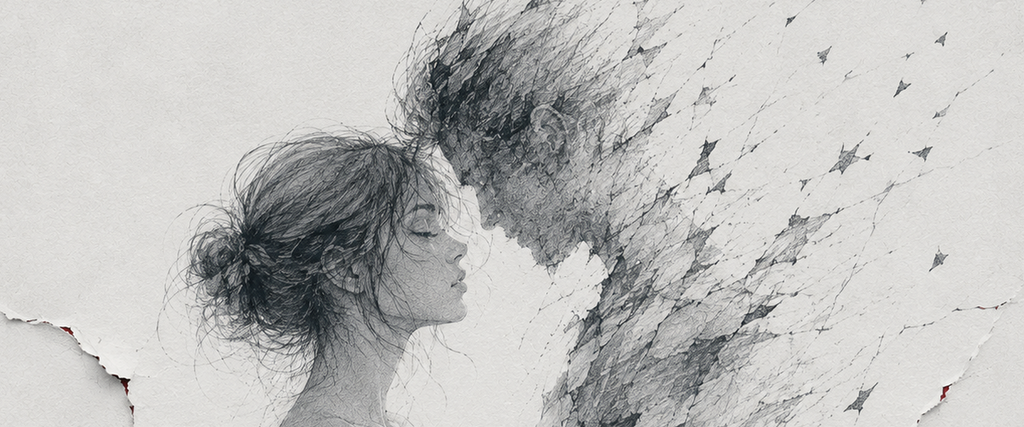
The visual identity of the release came from the same environment. The cover design is a collage created from photographs of the rusty cars scattered around El Chaltén. I wanted the artwork to carry the same weathered textures, atmosphere and sense of place as the music.
When you carry a camera and an audio recorder into the same environment, how do you decide whether a moment should become a photograph, a recording, or part of each medium?
I don’t make that decision intellectually in the moment. Photography is instinctive for me after so many years, so I usually respond first to light, shape, scale and atmosphere. Sound asks me to slow down in a different way. I have to stop looking quite so intensely and begin listening.
Sometimes a moment clearly belongs to one medium. At other times, the photograph and the recording become two interpretations of the same experience. The camera documents what was in front of me, while the audio can capture something less obvious: the temperature, isolation, movement or tension within that place. When both are working, they give me a much more complete emotional memory.
Has making “Ambush” established a recording method you plan to use in future work, or was this process inseparable from that particular winter in El Chaltén?
That winter can never be replicated, and I wouldn’t want to try. The location, weather, people and circumstances all became part of the track. But the process has definitely changed how I approach future work.
I now see field recording as another part of my creative toolkit, much like carrying a particular lens. I’m not interested in adding environmental sounds merely as decoration. I want them to influence the rhythm, texture and emotional direction of the music. Each location should lead to something different rather than becoming a formula.
When listeners return for a second play, which small production detail would you encourage them to focus on, and what does it reveal about how the track was made?
I’d encourage them to listen beneath the main musical elements and pay attention to the small percussive textures and metallic details moving through the background. Some originated in recordings made around El Chaltén, including sounds gathered from the landscape and abandoned vehicles. They were edited, processed and woven into the rhythm until the boundary between field recording and electronic percussion became difficult to identify.
Those details reveal the real construction of “Ambush.” The environment isn’t simply sitting behind the music as ambience; it has become part of the instrument itself. Even if listeners don’t consciously recognise where those sounds came from, I hope they feel the place embedded within the track.

Magnetic byline note: This byline is used for staff produced updates and short announcements, often based on press materials and official release information. Editorial responsibility: David Ireland (Editor in Chief) and Will Vance (Managing Editor). About: https://magneticmag.com/about/ Masthead: https://magneticmag.com/masthead/ Contact: https://magneticmag.com/contact/