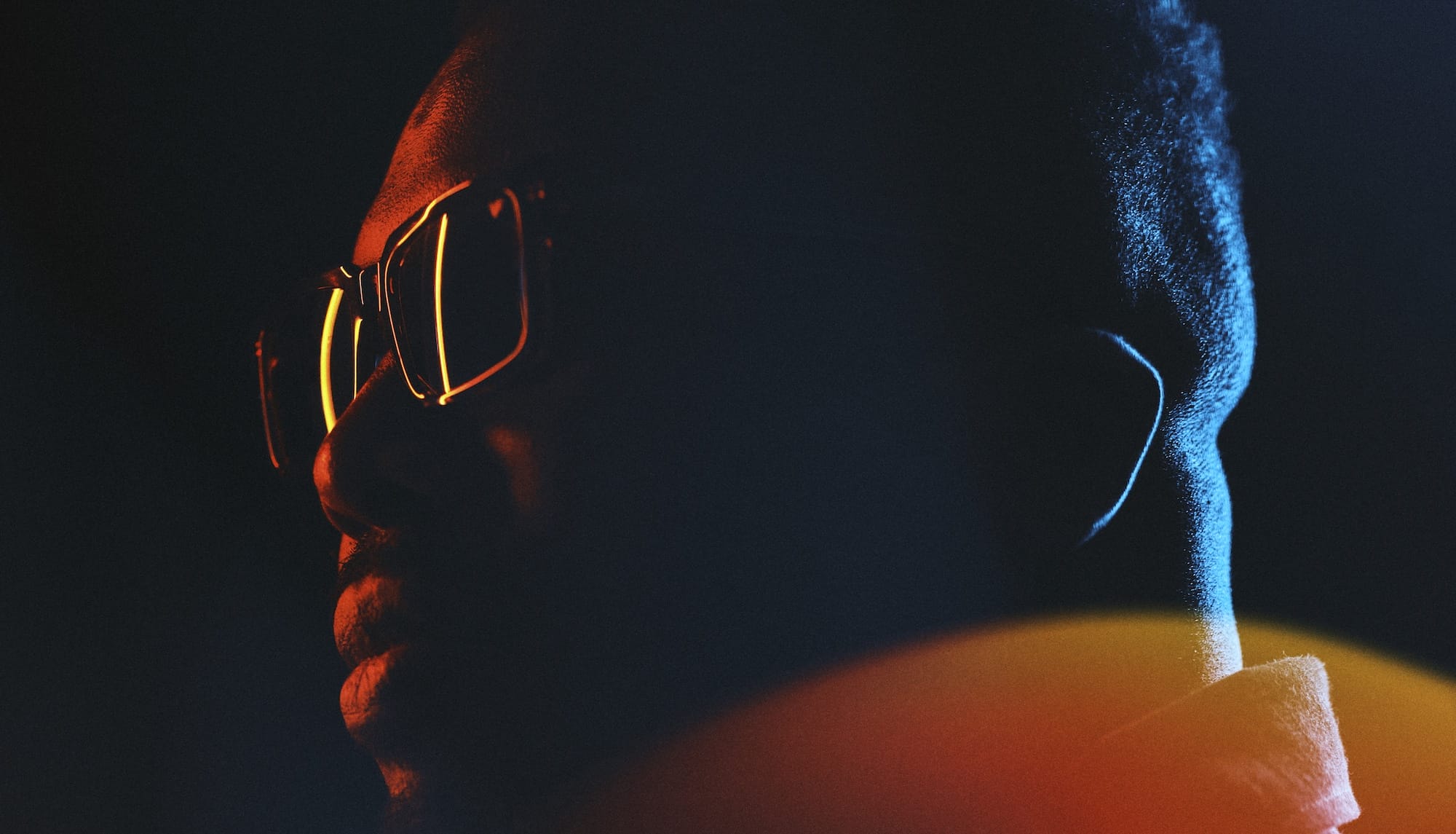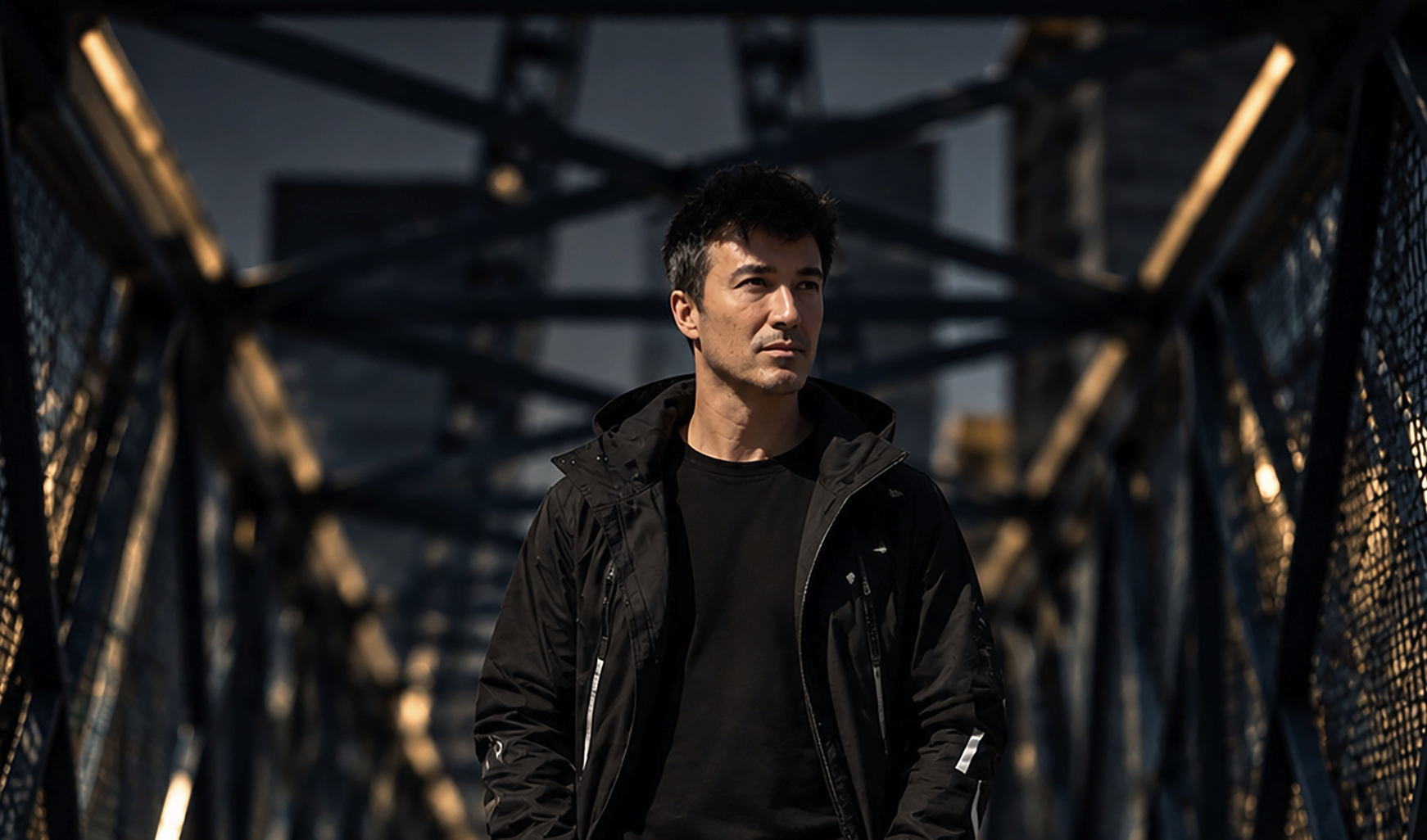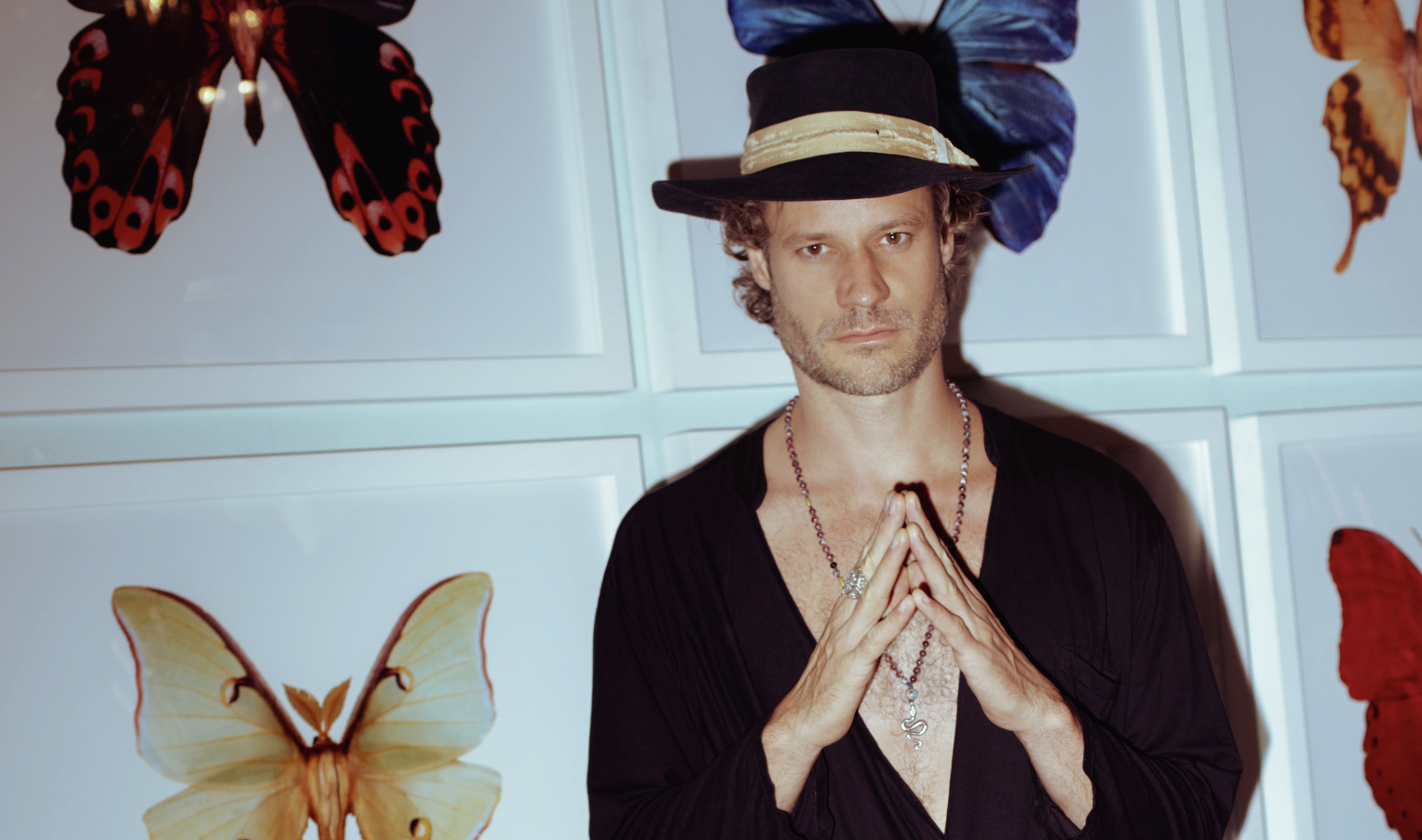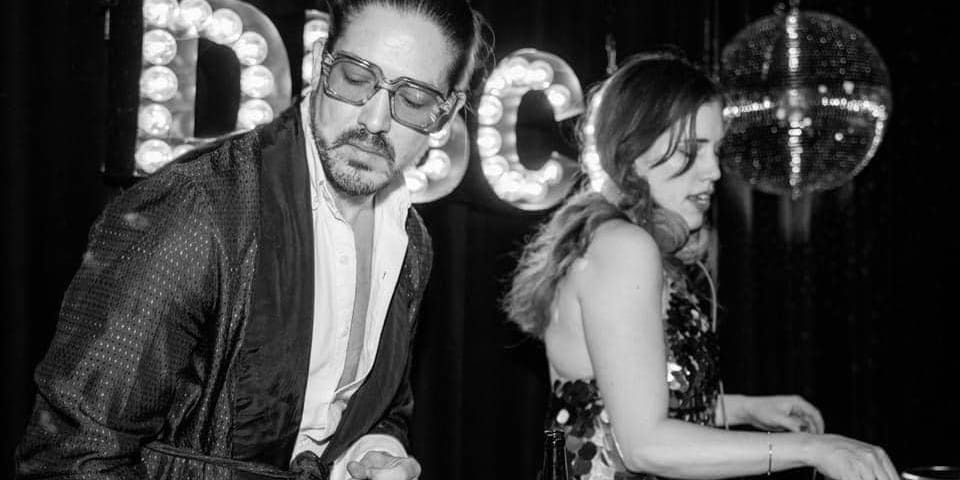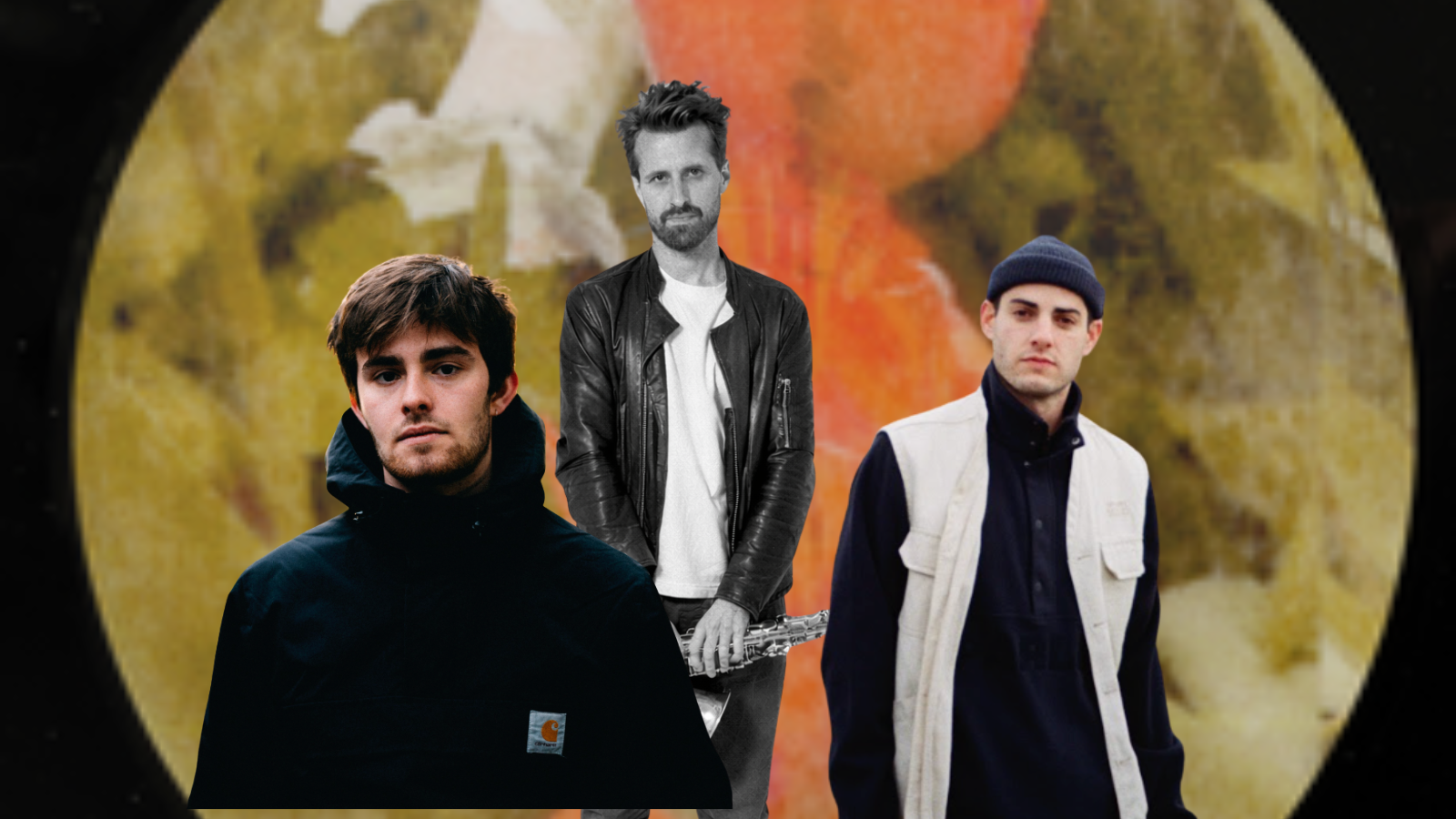
There’s something beautifully organic about A Garden Between Us, the new collaborative EP from Brooklyn producer Milan93, Copenhagen pianist and producer 9ICK, and Cologne-based multi-instrumentalist Mauricesax.
Released via LYAM by Oathcreations, the record finds three artists working across jazz, house and electronic music, bringing together their different backgrounds and musical languages into something that feels both deeply considered and completely alive.
Across four original tracks, each named after a flower or plant, the EP moves from gentle, intimate moments into hypnotic grooves and full-on dancefloor territory, with remixes from Pacific Coliseum and Teuteu taking things even further.
With A Garden Between Us arriving on 14 August, we caught up with the trio to talk about how the collaboration came together, the places and environments that shaped the record, the role of improvisation, and what happens when three distinct musical worlds meet in the same garden.
Q&A

How did the three of you first come together, and what made you feel there was something worth creating as a trio?
The collaboration actually started completely online. Nick (9ICK) and Moritz (Mauricesax) began by making jazz compositions together, sending ideas and recordings back and forth without ever being in the same room. We then got Lucas (Milan93) involved, and he and Nick started digging into the production side and developing those ideas into what eventually became the finished tracks. What made it exciting was that it quickly stopped feeling like one person producing and someone else just playing on top. It became a genuine three-way collaboration.
All three of us are playing instruments, producing and shaping the arrangements throughout the EP, and everyone’s fingerprints are on every track.
The EP feels like a meeting point between jazz and electronic music. Did you have a shared musical reference point going into it, or did that sound emerge naturally through the sessions?
It mostly emerged naturally, but I think we all share a fascination with jazz musicians who weren’t afraid to push the language of jazz somewhere new. Miles Davis is an obvious example, particularly the way he continually allowed new instruments, technology and influences into his music rather than treating jazz as something that had to stay in one place. Obviously we’re three small fish in a very, very big sea compared to Miles haha, but that mentality resonates with us. All three of us come from instrumental backgrounds while also being producers, so there was never really a line where the “jazz” stopped and the “electronic” production began. We could improvise something on an instrument, chop it up, process it, build drums around it and then play something new over that. That’s probably why the record ended up somewhere between jazz and house without us ever really deciding that it had to.
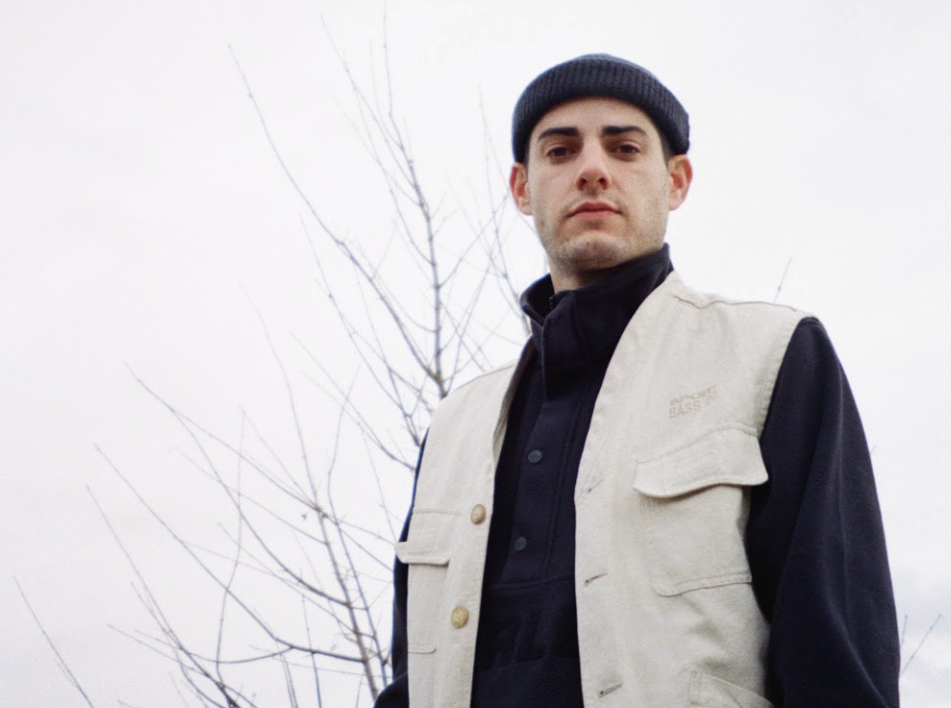
Milan, the tracks are inspired by plants and the arrival of spring around Brooklyn. How did those everyday environments end up shaping the music?
As you may or may not know, New York isn’t the most driving-friendly city, so I walk…a lot. The spring this record was created in followed a particularly harsh, unforgiving winter: strong gusting winds, icy streets, temperatures well below freezing, day after day. Not a beautiful snowy season, but a harsh, brutalist outline of a city that’s usually bustling with life. So spring wasn’t just a welcome return of nice weather; it was a literal and metaphorical defrosting of the city’s energy. A return to casual strolls, meeting a friend for a walk or a drink in the park, and life lived outdoors again. I gazed at the camellia tree in my backyard, had a glass of wine at Rhodora (a wine bar in Brooklyn I love that is named after the rhododendron, a flower native to New York), birdwatched in a nearby park, and took in the scent of tulips and honeysuckle finding their footing again. It’s a record deeply inspired by my immediate surroundings, made with collaborators halfway around the world, finding musical moments, and a garden, between us 🙂
Why the title A Garden Between Us? What does the “garden” represent to each of you?
The title came from the strange way the whole record was created. We made all of this music online while living in three different places: Copenhagen, Cologne and New York, without the three of us ever actually being together physically. It’s kind of crazy how normal it has become to make music that way, even music as improvisational and human as jazz. As the tracks started taking on names of flowers and plants, A Garden Between Us began to make a lot of sense. There are thousands of kilometres between the three of us, but somehow we had created this little shared musical space in the middle.
The garden became a nice metaphor for that, something we were all growing together from three different corners of the world. Outside of the metaphorical meaning, we also selected song titles that reflected flowers and fauna we found in our individual areas, then created music and meaning that represented something greater to the three of us as a unit.

There’s a really organic sense of movement across the EP. Things shift, breathe and evolve rather than sticking to traditional song structures. How much of that came from improvisation?
A lot. Many of the tracks began with Nick and Moritz simply improvising and recording different instruments. Those initial recordings gave us the musical language of the tracks before there was necessarily a “song” or a fixed structure. Lucas then played a big part in taking those loose musical ideas and turning them into proper productions, and from there all three of us kept passing things around, adding, removing and rearranging. We tried not to iron out all the imperfections in the process. If an improvisation took the music somewhere unexpected, we’d often build around that rather than forcing it back into a conventional structure. I think that’s where a lot of the breathing and movement on the EP comes from.
Can you take us inside the making of one track, perhaps “Rhodora” or “Honeysuckle,” and tell us how it developed from the initial idea into the finished piece?
The initial idea for “Honeysuckle” was a loop called “Id 5,” 120 bpm, part of a collection of song-starter ideas I had sent to Nick at the end of 2023. Originally, the only instruments included were upright bass, piano, and my Fender Rhodes. Musically, the idea circles around a G bass pedal movement featuring chords built from stacked fourths, a sound very typical of jazz recordings from the 60s onward.
When I got the reworked version back, the working title was “Geec” (an allusion to the Greenpoint Library and Environmental Education Center near Lucas’s apartment). It now had all these new layers building on that ever-circling movement: vocal samples, reverby synths, and most prominently the driving drums, which were somehow house patterns but with a very acoustic jazz feel to them. At this stage of the production, this was the only song that didn’t include saxophones, so we decided it would be nice to use it as a bridging element across the whole EP. I decided to stay very light with the tenor sax fills on this one, since it was already breathing and working without it, and I didn’t want to overload it with complexity.
You’re all coming from slightly different musical worlds and cities: Brooklyn, Copenhagen and Cologne. Do you think those different environments and backgrounds changed the way you approached the collaboration?
Nick: Definitely. You absorb so much from your everyday surroundings without really noticing it…the music scenes you’re around, the people you meet, the weather, architecture, nature, even just the rhythm of the city you’re living in. In a way that loops back to the idea behind A Garden Between Us. Copenhagen, Cologne and New York obviously feel very different, and each has its own musical ecosystem, but there are also these universal things that connect them. Seasons change, plants grow, people gather around music. Nature has inspired an insane amount of the jazz and music we love, so it felt fitting that those different environments somehow found their way into this record too.
Lucas: New York in particular has extraordinary scenes in both dance and jazz music, so there’s a lot to soak in even in the everyday idiosyncrasies of walking these streets. Jazz runs deep in this city’s history: Thelonious Monk, Sonny Rollins, Max Roach, and eventually Bird called it home, among countless others. It was exciting to create a boundary-pushing work that paid homage to the sounds, sights, and smells native to my city.
Moritz: Compared to Copenhagen and Brooklyn, Cologne is a lot calmer and less busy than the other two cities. While it does have a pretty active jazz scene, I wouldn’t say I draw from it too much. After having lived in these more crowded international hubs for years, I’m really happy to have moved to a smaller city, which enables me to write music with less pressure and less need to “prove myself.” So, in a way, this city helps me come up with musical ideas that are more authentic to me and closer to what the music and the specific track actually need.
The EP manages to work both as a deep-listening record and something that could seriously move a dancefloor. Was that balance something you consciously thought about while making it?
I think all three of us genuinely love music that can exist in both places. There’s something beautiful about a record that rewards you for sitting down with headphones and noticing every little detail and piece of ear candy, but that you can also put on without analysing any of it and just feel the groove. Hopefully this EP can do both. You can sit down and really listen to the interplay between the instruments and all the little production details, or you can put it on at the beach, in a club, or in some grungy little jazz bar somewhere and just let it play. To us, that balance is part of the art.
If each of you had to choose one moment on the EP that best captures what happens when the three of you are in the same musical space, which moment would it be, and why?
Moritz: One of my favourite moments on the EP is the breakdown on “Honeysuckle.” On my own, I would never have written and composed it that way. While I came up with the initial chords, the way the breakdown unfolds in such a simplistic yet effective way still surprises me every time I hear it. This whole EP wouldn’t have been possible without Nick, who always has a very critical ear keen on cutting down unnecessary complexity and also always knows the right musician or producer to fill up the space. On the other hand, this wouldn’t have been possible without Lucas, who has such a strong production sound and just an amazing sensibility for these intricate grooves that are so special to these tunes.
Lucas: It’s funny to say, but the answer here is purely metaphorical because we’ve never actually all been in the same physical space haha. Yet our emotional and musical distance has grown remarkably close over the course of making this record. For me, the lead riff moments in ‘Rhodora’ capture the vibe of the whole project perfectly: Nick and Moritz locked in sync yet each expressing something slightly different on their individual instruments, while my production and drum programming glue all this together in a moment that feels like the ‘lead’ in a pop/electronic song, the main motif in a jazz piece, or a solo somewhere in between. It’s so many things at once, and it makes for a truly memorable moment, one that’s especially ear-catching as the opening track, setting the tone wonderfully for everything that follows.
Nick: This EP feels more forward-thinking and bold than a lot of the music I’ve made in the past, and weirdly, my favourite moments are some of the simplest: whenever everything drops out and the drums just get to breathe. 0:37 on “Camellia” or 1:20 on “Tulip” are perfect examples.
They instantly suck in all my attention. And then Moritz comes in with these sexy little sax stabs around the drums, which somehow makes those moments hit even harder. Drum solos have always been my favourite part of seeing music live…THE WORLD NEEDS MORE DRUMS! Maybe that obsession comes from growing up as a classical pianist. The piano is technically a percussive instrument, but I’ve always been fascinated by how much power the drums hold over a piece of music. They’re literally the heartbeat. Lucas programmed the drums on this EP so beautifully, they feel incredibly human, but if you listen closely, there’s still something distinctly electronic about them. I love that tension.
What did you discover about each other, or about your own music, through making this record that you didn’t expect going in?
Probably how quickly the three of us understand each other musically. There wasn’t much friction around what this record was supposed to sound like. Someone would send an idea, someone else would take it somewhere new, and most of the time the reaction was immediately, “yeah, that’s it.” It was also a reminder that collaboration doesn’t necessarily have to mean compromise. When you find people whose instincts align with yours, handing an idea to somebody else can actually make it feel more like what you were trying to make in the first place. These guys are both incredibly forward-thinking and fast creatively, and making the EP together was genuinely a pleasure.

Magnetic byline note: This byline is used for staff produced updates and short announcements, often based on press materials and official release information. Editorial responsibility: David Ireland (Editor in Chief) and Will Vance (Managing Editor). About: https://magneticmag.com/about/ Masthead: https://magneticmag.com/masthead/ Contact: https://magneticmag.com/contact/