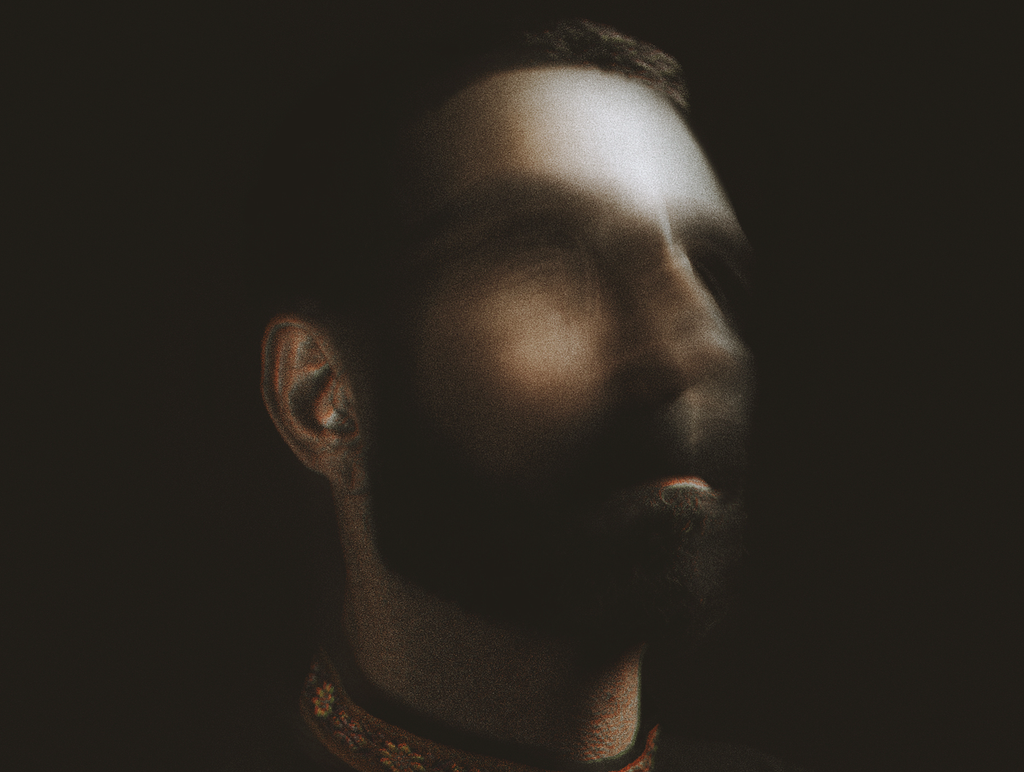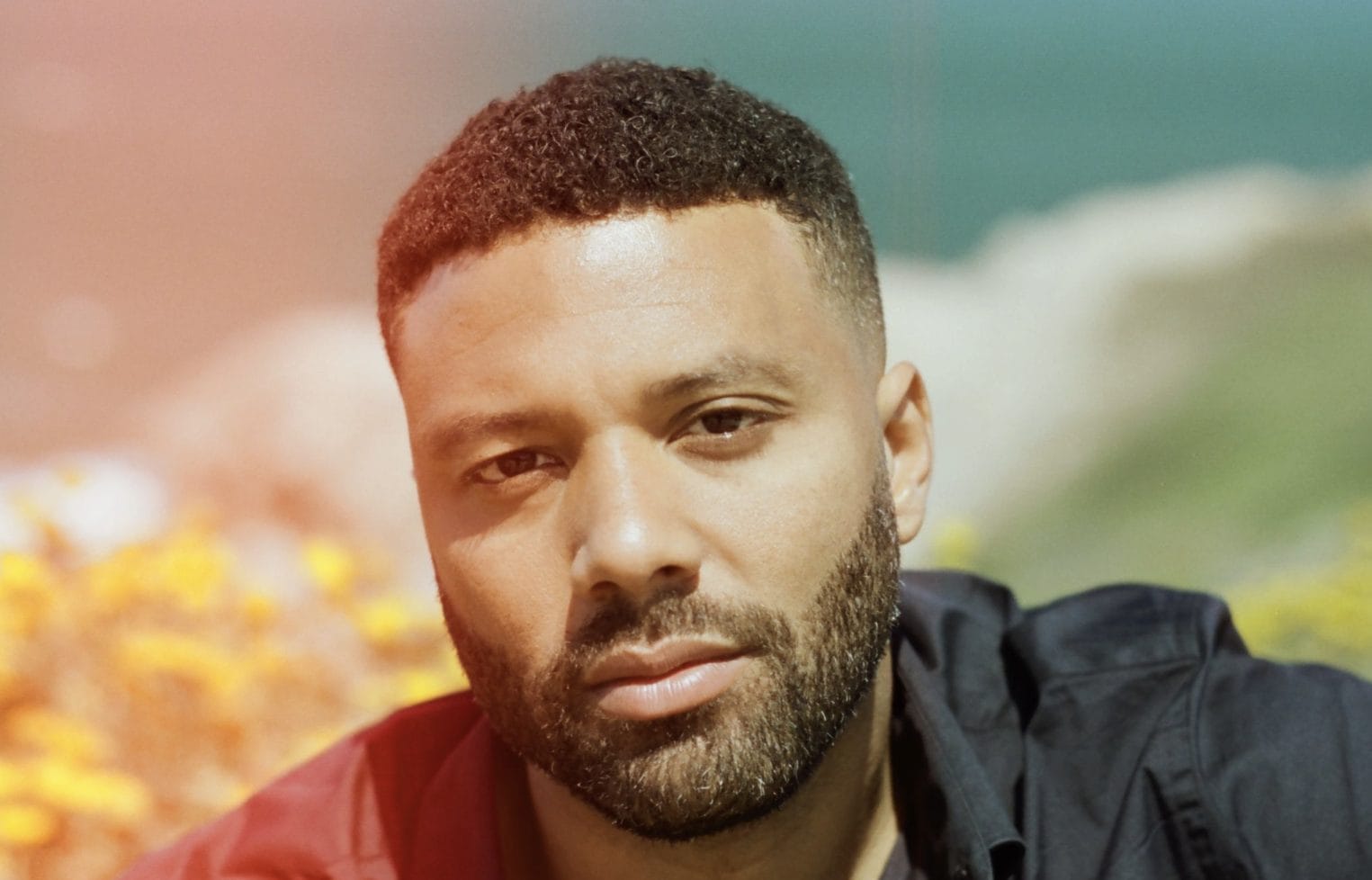
The Indiigo Child’s (@theindiigochild) Memories EP arrives on Waveform Entertainment as a two-track release about the tension between honoring the past and staying present enough to feel the life directly in front of you.
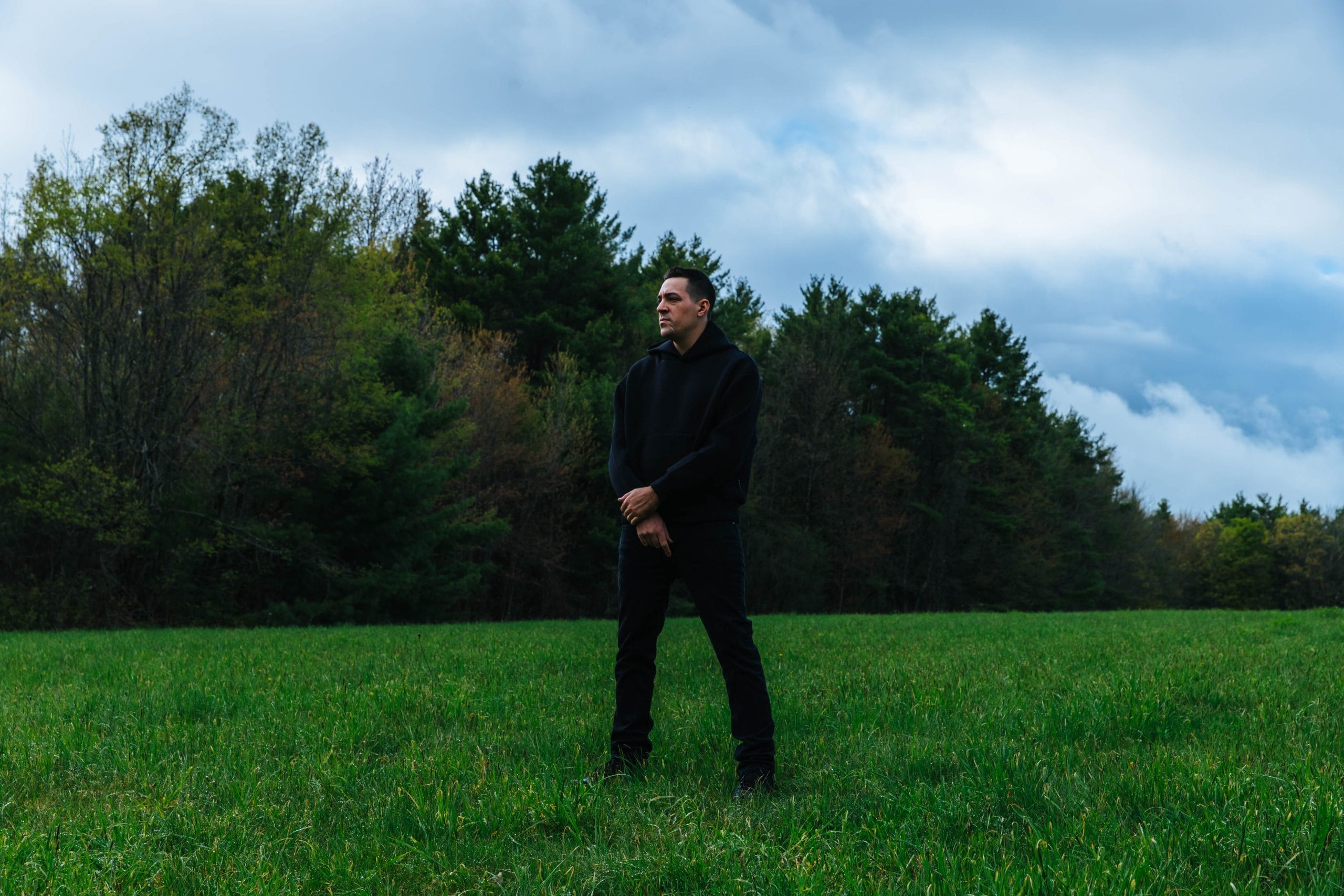
Daniel Knott, the San Francisco-based artist behind the project, builds from r&b, soul, and warm house grooves, using cinematic synths, deep rhythm, and soulful textures to frame memory as something active rather than purely nostalgic.
That idea comes from the last two years he has spent living in the Bay Area, especially the people, creative circles, and community gatherings around Northern California. Lake Merritt in Oakland became a specific point of inspiration, with weekend gatherings built around art, food, music, and community helping shape the emotional language of the record.
Memories is not only about looking backward. It is about letting past experiences, beautiful or painful, inform the present without completely taking over the present.
The interview below opens that idea from the live side. Knott talks about visuals, filming, no-phone underground settings, word-of-mouth discovery, emotional energy in small rooms, and the moments that cannot be reproduced online. For an EP that asks how memory shapes us without distracting us from now, that perspective feels central. Some music lives because it gets shared.
Some music lives because people remember being there.
Interview With The Indiigo Child
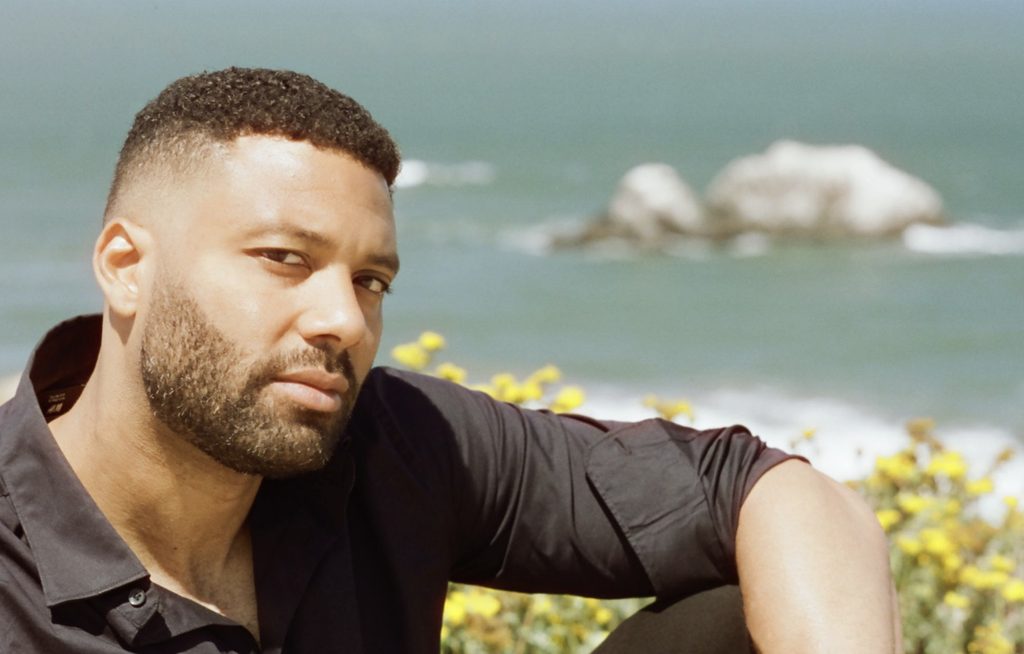
How do you think about the visual side of a set in an era where so much lives online afterward?
I think visuals are an important part of the music experience, especially for the overall entertainment value of a set.
They can enhance the atmosphere and help create a more immersive world around the music. However, in the end, no matter how amazing the visuals are, I believe people care most about the music and, more importantly, how it makes them feel. That emotional connection will always come before everything else.

What has your experience been with being filmed or having moments from your sets travel far beyond the room?
At this time, I’ve been focused on playing in smaller, more intimate underground venues, where visuals and filming haven’t really been a focus. It’s more of an underground experience for me, with no phones allowed. The sets and the experiences people have during the shows have instead been traveling through word of mouth, which I think is extremely powerful.
It has also made some of the shows feel more exclusive: “you had to be there to experience it”. I think that creates curiosity about the artist and encourages people to experience the sets live, while also allowing everyone in the room to be fully present in the moment.
How do you approach the balance between capturing content during a set and preserving what makes live club music so special?
It’s a delicate balance because, for the crowd, too much filming or too many people trying to capture content during a show can become a distraction from the music and the experience itself. I think the best approach is to find subtle ways to capture content without interfering with what’s happening in the room, although that also depends on the venue.
If it’s meant to be a more intimate experience, I actually prefer there to be more of a word-of-mouth element, even if that means the moment is less far-reaching online. If it’s a bigger venue, then content becomes much easier to capture without it becoming a distraction for the crowd.

Can you recall a big moment behind the decks that lived entirely in the room and could never be recreated or captured online or in “content”?
Because of my focus on underground venues, that actually describes much of my experience with the fans.
The biggest moments for me come from experiencing the emotional energy people bring into a small setting. Seeing people become completely free on the dance floor and allowing their emotions and feelings to flow is something special.
It’s almost a sacred experience, and those are the moments that stay with me. I know that, in some small way, I’ve done my part in becoming a part of that person’s story for the night. That’s something a video or piece of content can never fully recreate.
What made it stay with you?
When you experience the energy and emotions people express and feel on the dance floor, it connects with your own emotions as well. That energy can then be transmuted into so many different possibilities. For me, it usually becomes inspiration for creativity and eventually finds its way back into the music.
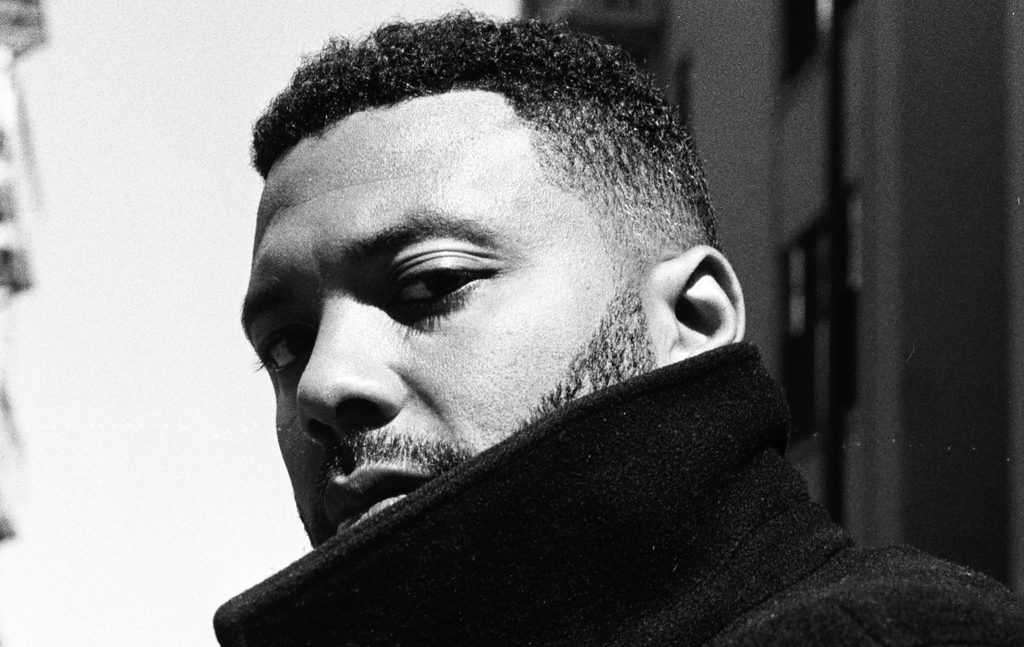
When you reflect on a great set, what matters most to you about how it went down?
A great set is one where you’ve created a journey that flows naturally and, for that moment in time, no matter what may be happening in people’s lives outside of that room, you’ve allowed them to escape the world for a little while and simply enjoy the music and the experience.
Closing Thoughts
The most interesting part of The Indiigo Child’s answers is that he is not rejecting visuals or content outright.
He understands that visuals can deepen the world around a set, and that larger rooms often make documentation easier to capture without disrupting the floor. But his real focus sits somewhere smaller and more fragile: the kind of underground room where people are not performing their experience for the phone, and where the memory of the night moves person to person instead.
That connects directly to my interview with Richie Blacker on why the best club nights do not fit into 30 seconds. Richie’s argument was that the value of a set often lives in the long arc of the room, not in the moment that edits well later. The Indiigo Child is speaking from a similar place, but with a warmer emotional tone. His focus is not only the DJ’s freedom from the camera. It is the crowd’s ability to feel unobserved enough that the night becomes personal.
There is also a clean line to my interview with Mitch Oliver on why club content should never come before the room. Mitch works more on the content and event side, so his perspective focused on capturing genuine moments without making artists or dancers act for the lens.
The Indiigo Child’s answer lands on the artist side of the same issue. Capture can be fine when it is subtle. The problem begins when documentation changes the room’s behavior.
The broader point is that The Indiigo Child seems to understand memory as something club music actively creates. A good set lets people leave the outside world for a little while. A good record lets a place, a person, or a season return without trapping you there. Memories works best when heard from that angle: not as an escape from the present, but as a reminder that the present is where memory becomes music.

Will Vance is a professional music producer who has been involved in the industry for the better part of a decade and has been the managing editor at Magnetic Magazine since mid-2022. In that time period, he has published thousands of articles on music production, industry think pieces and educational articles about the music industry. Over the last decade as a professional music producer, Will Vance has also ran multiple successful and highly respected record labels in the industry, including Where The Heart Is Records as well as having launched a new label with a focus on community through Magnetic Magazine. When not running these labels or producing his own music, Vance is likely writing for other top industry sites like Waves or the Hyperbits Masterclass or working on his upcoming book on mindfulness in music production. On the rare chance he's not thinking about music production, he's probably running a game of Dungeons and Dragons with his friends which he has been the dungeon master for for many years.





![How It Was Made: Lang Father i(Junkyard Dog) [Welofi]](https://magneticmag.com/wp-content/uploads/2026/10/Press-Pic_2-1024x576.jpg)