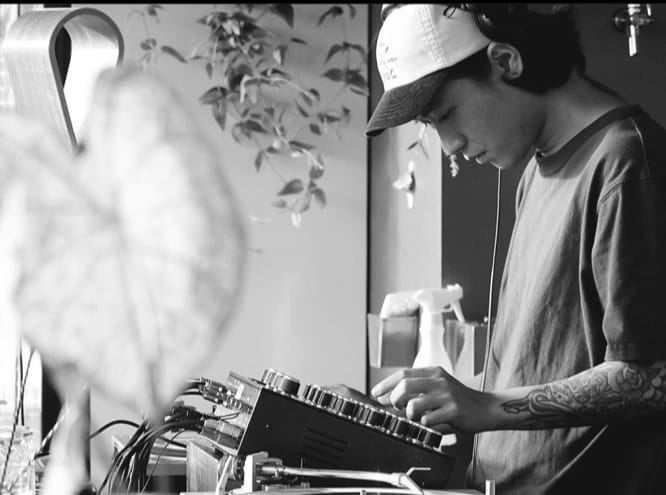
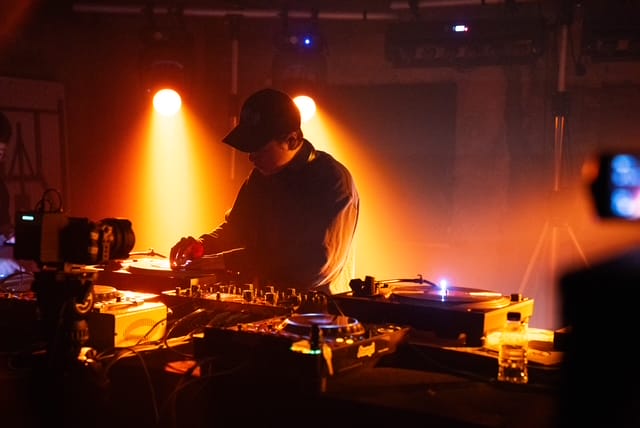
Hyungmin (@ehyungmin) opens WAVES Vol. 2 with “Pistil,” a hypnotic cut on Glasgow label Lava Lava that sets the compilation in motion with delicate synth loops, stripped-back percussion, resonating bass notes, and crunched atmospherics.
Released back on August 14, the compilation moves across a wide range of club moods, from deeper grooves to more peak-time material, with Hyungmin’s track giving the project one of its more patient and textured entry points.
“Pistil” makes sense beside the way Hyungmin talks about music history.
His answers are not built around broad claims of influence or vague respect for the past. He talks about equipment, methods, MPCs, vinyl samples, credits, instruments, musicians, and the work of tracing sound back to its source. That kind of curiosity can change how a producer listens before it changes what they make.
The interview below centers on musical lineage, borrowing, recognition, and cultural respect. Hyungmin’s position is practical: inspiration becomes more meaningful when the artist understands the structure, detail, and history behind what they are drawing from. In a moment when electronic music is easier than ever to consume quickly, his answers argue for a slower kind of attention.
Interview With Hyungmin
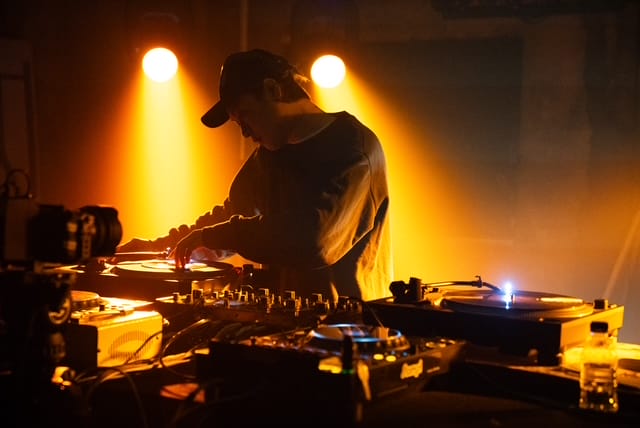
How do you acknowledge the musical lineages that have shaped your voice?
I think one of the most natural ways for me to approach this has been through the equipment and methods used by artists I admire.
For example, I’ve spent a lot of time trying to understand how people worked with MPCs and vinyl samples, putting small pieces of records together and seeing what kind of music could come from that. I’ve often listened to a track, tried to figure out how it might have been made, and then experimented with similar approaches myself.
In your perspective, what distinguishes thoughtful inspiration from surface-level borrowing?
It might not always be obvious from the outside, but I think the important difference is how deeply someone understands the music they are drawing from.
When you can hear an understanding of the structure, the sound, and the details behind it, it feels less like imitation and more like something that has been genuinely reinterpreted through the artist’s own style.
Who in your scene deserves more visibility or appreciation than they currently receive?
Personally, I think it should be people who really dig deep into what they do and keep exploring without stopping. There are so many people who make music simply because they love music, and I think that alone is already a great reason to do it.
But if you want more recognition or visibility, I think there needs to be something beyond simply “I love music” that should almost be the basic starting point.
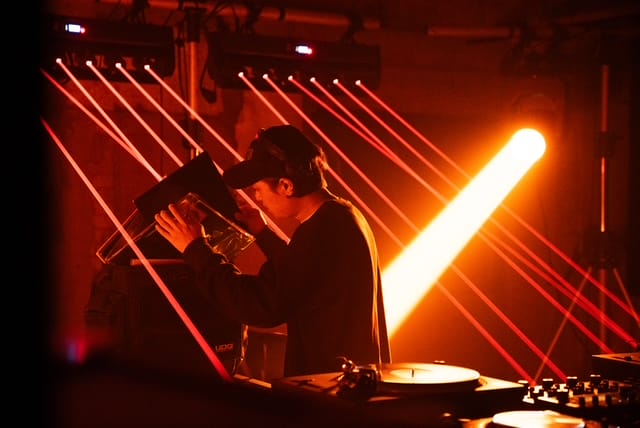
When working with music rooted in cultures beyond your own, what helps you stay mindful and informed?
In my case, I often look closely at the credits on vinyl records.
When I listen to a track and see what instruments or musicians were involved, it makes me curious about where those sounds actually came from and how they were used. I think that curiosity naturally leads you to look deeper and trace the roots of the music rather than just taking the sound at face value.
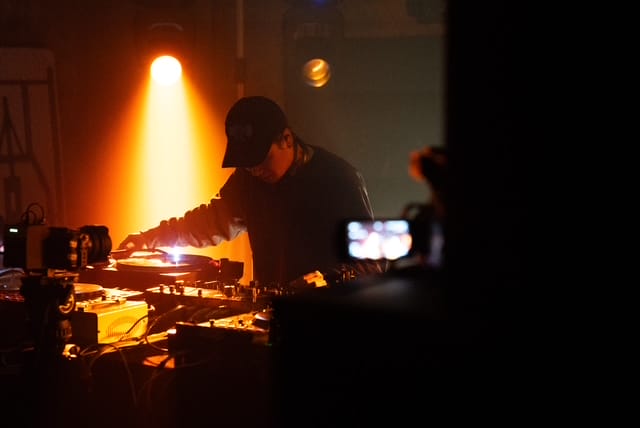
Beyond public acknowledgment, what does meaningful respect for culture-bearers look like to you?
Of course, publicly acknowledging the people and cultures behind the music is important, especially with how much of that happens through social media now.
But I think actually buying their records and music is much more meaningful, because it directly supports the people whose work and effort often remain hidden behind the final release. I sometimes wish we could step a little away from the business-oriented and social-media-driven side of music and put more value on that kind of direct support.
Closing Thoughts
Hyungmin’s answers are strongest when he gets specific about how influence actually enters the work.
He is talking about trying to understand the machines, sampling habits, record credits, instruments, and musicians behind the records that shaped his ear. That distinction matters because influence without study can flatten into style theft quickly. Influence with study can become a real creative education.
That connects closely with my interview with Alice Youngling on house history, club culture, and DJs as living archives. Youngling talked about learning the roots of house by following the tracklist from The Underground Is Massive and tracing the music back to the communities that shaped it. Hyungmin’s approach feels quieter and more producer-led, but the impulse is similar.
The record is the beginning of the trail, not the end of it.
The cultural-respect section also sits beside 4B’s interview on the roots behind “WHAT IS THIS”. In that conversation, the focus was Jersey Club and the need to understand a sound before using it as a surface-level production move. Hyungmin’s version is broader, but the standard is similar. If a producer is working with sounds from outside their own background, curiosity has to go deeper than texture. Credits, instruments, players, context, and direct support all become part of the work.
That is what gives “Pistil” a useful place on WAVES Vol. 2.
The track opens the compilation with a hypnotic groove rather than an obvious peak-time statement, and its sound feels built from small details: loops, percussion, bass pressure, and atmospheric grit. Hyungmin’s interview makes those choices easier to understand. He seems drawn to music where method and feeling stay connected, where a sound carries the trace of how someone found it, shaped it, and decided it deserved to stay.
The bigger takeaway is that Hyungmin sees respect as an active practice. Public acknowledgment has its place, but buying records, reading credits, supporting hidden contributors, and learning the mechanics behind a sound are more concrete. That is a useful reminder in a scene where discovery often gets reduced to scrolling. The deeper work still starts when an artist slows down enough to ask where the sound came from.

Will Vance is a professional music producer who has been involved in the industry for the better part of a decade and has been the managing editor at Magnetic Magazine since mid-2022. In that time period, he has published thousands of articles on music production, industry think pieces and educational articles about the music industry. Over the last decade as a professional music producer, Will Vance has also ran multiple successful and highly respected record labels in the industry, including Where The Heart Is Records as well as having launched a new label with a focus on community through Magnetic Magazine. When not running these labels or producing his own music, Vance is likely writing for other top industry sites like Waves or the Hyperbits Masterclass or working on his upcoming book on mindfulness in music production. On the rare chance he's not thinking about music production, he's probably running a game of Dungeons and Dragons with his friends which he has been the dungeon master for for many years.









![How It Was Made: Lang Father i(Junkyard Dog) [Welofi]](https://magneticmag.com/wp-content/uploads/2026/10/Press-Pic_2-1024x576.jpg)