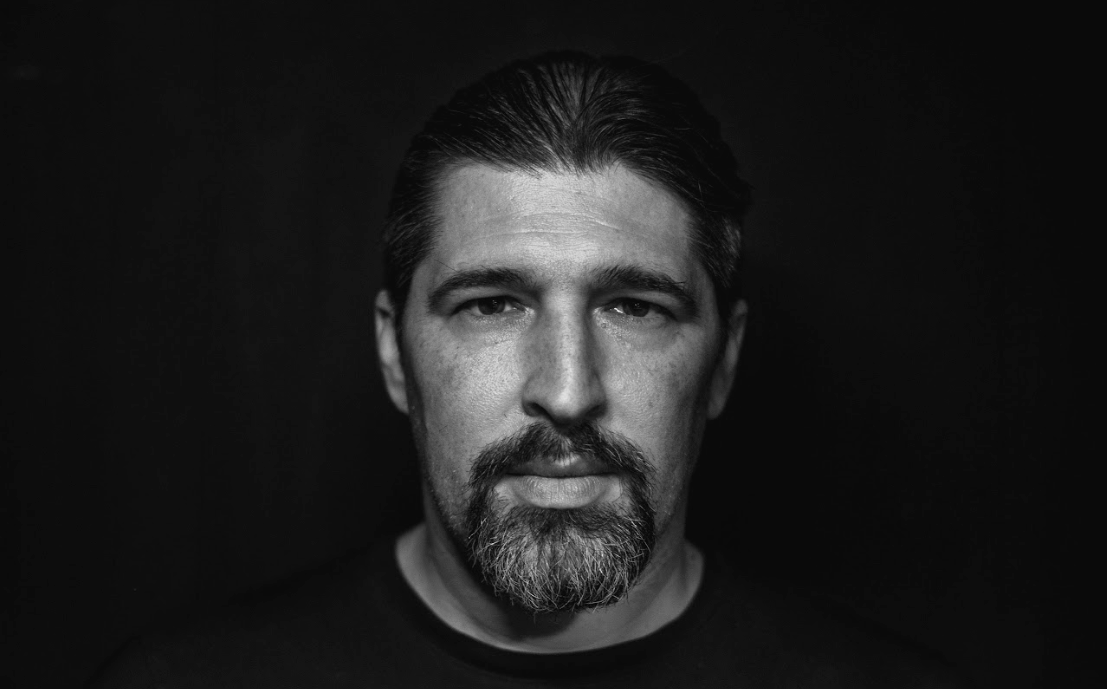
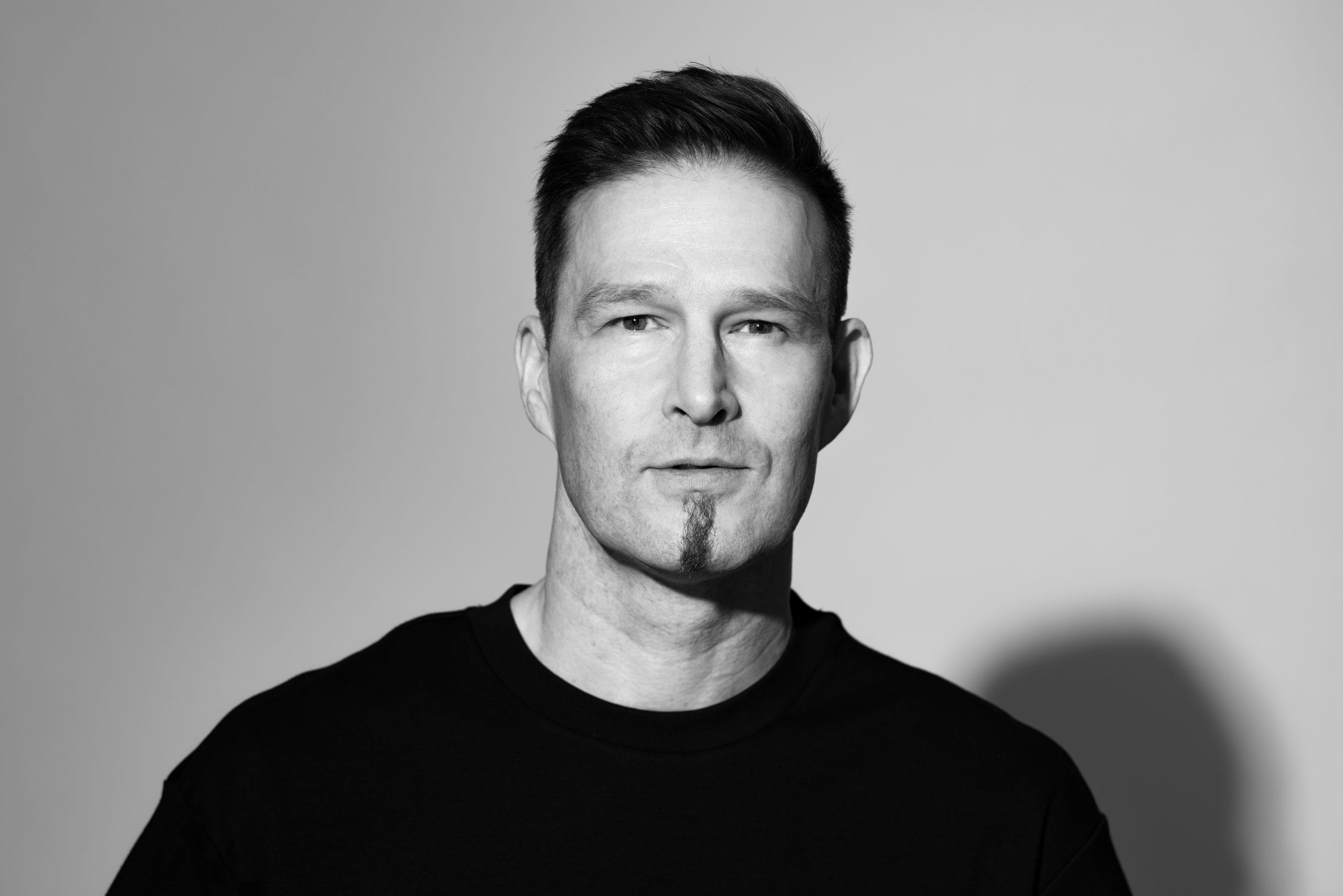
More than two decades after Brian Aneurysm first released Amplified, Bernhard Pucher has returned to the album under his current B-Pushr alias with a remix that treats the original material as source material rather than something that needed a conventional update. The original seven-track album landed on Sub Static in 2003, during a period when Cologne minimal was developing its own approach to techno, and the newly remastered edition brings it to digital platforms for the first time alongside three new remixes.
The “B-Pushr Frankenstein Mix” takes that idea particularly literally.

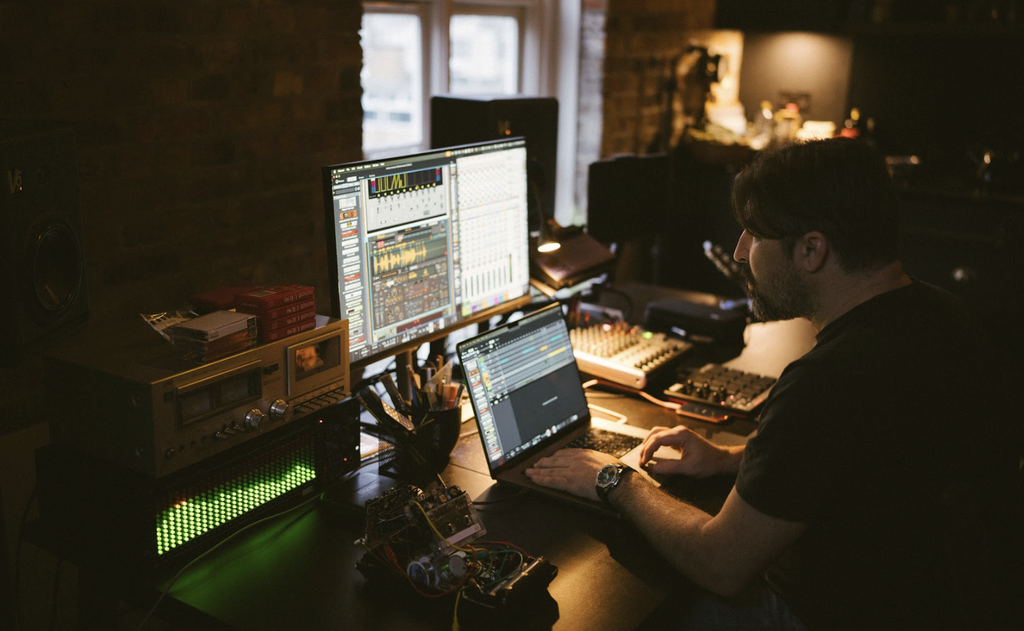
Pucher pulled parts from across Amplified and rebuilt them into a new track, then added sounds created with a circuit-bent cassette deck he calls Frankie. Serum 2 handles another part of the sound design, while Cubase’s modulation system and Reason Studios Synchronous are used to keep smaller sounds changing rather than relying on a continually expanding arrangement.
It is an appropriate production method for a record being revisited 23 years later. Some of the source material comes directly from Pucher’s earlier work, while the techniques around it reflect how he produces now, particularly his interest in custom sounds, modulation and imperfections that cannot simply be pulled from the same library by another producer.
Below, B-Pushr explains how he built the “Amplified (B-Pushr Frankenstein Mix).”
B-Pushr’s Frankenstein Monster

Frankie started life as an innocent flat-top cassette deck. Then I took it apart, cracked it wide open and circuit-bent it until it started talking back. I added a couple of LEDs for good measure too, because if I’m going to be cruel to a harmless piece of tech, it might as well look cool while it suffers.
The mission is simple: squeeze out as many weird digital glitch and feedback noises as possible and build a library I can keep coming back to. I use those sounds to dirty up my kicks, claps and hi-hats, or to make percussive flourishes you won’t hear anywhere else. Think of it as turning the gain up on the tiny accidents most gear is built to hide. I love it when my tracks have a grime that nobody else can get, because I made it by hand. It keeps my sound my own. And half the fun is the tinkering itself, poking around until something friggin’ cool jumps out of the speakers.
The catch is that circuit bending is a treasure hunt. You’ll spend hours and hours prodding circuits, and most of what comes out is noise with nothing to say. But every so often a whisper comes through, and your job is to catch it and crank it up until it fills the room. That’s an investment. Every good sound you find goes into YOUR library, and nobody else on the planet has it. It’s one of the best ways I know to sound completely unique, a signal only you are broadcasting. If you don’t mind getting your hands dirty, it’s a seriously fun way to find sounds that are digital and organic at the same time. Plug in, turn it up and see what screams back.
Serum 2

I adore Serum 2. I’ve played with a ton of digital synths, but never one this complete and versatile. I’m a tinkerer, and nothing lets me tinker like Serum 2, without ever burying me in menus. If you want to learn how to deep dive into synthesis, this is your door.
My approach is to build completely unique oscillators and go easy on the FX. I don’t want effects doing the shouting. I want sounds that feel alive, so I automate my oscillators to keep them evolving, until the textures seem to breathe rather than compute. That’s my sweet spot: digital control with organic imperfection turned right up.
Try it yourself. Set up micro automations that keep nudging small parameters on your oscillators. Every tiny movement is a heartbeat, and turn up enough of them and your synth starts to feel alive.
Cubase Modulators
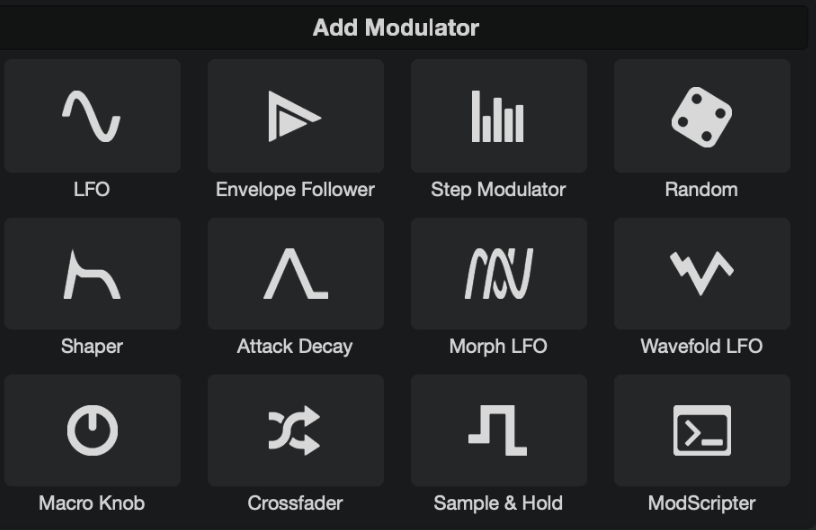
I’ve been through a lot of DAWs and built-in modulation tools, but never a set this complete. In Cubase, you can modulate anything you can click on which, for a tinkerer like me, makes it an endless playground.
Listen to the glitches in this track, the ones I pulled out of Frankie. I hit them with fast panning modulation so they get flung wildly across the stereo field, then stack modulated flangers on top. Suddenly one tiny click becomes something multi-layered and multi-textured, blown up to full size.
Try to sweep a subtle distortion drive, shift delay times by a few milliseconds, let reverb tails swell and shrink in real time. Every small movement pumps a little more air into the mix until the whole thing breathes, and adds ever evolving textures the simplest sounds.
Reason Studios Synchronous
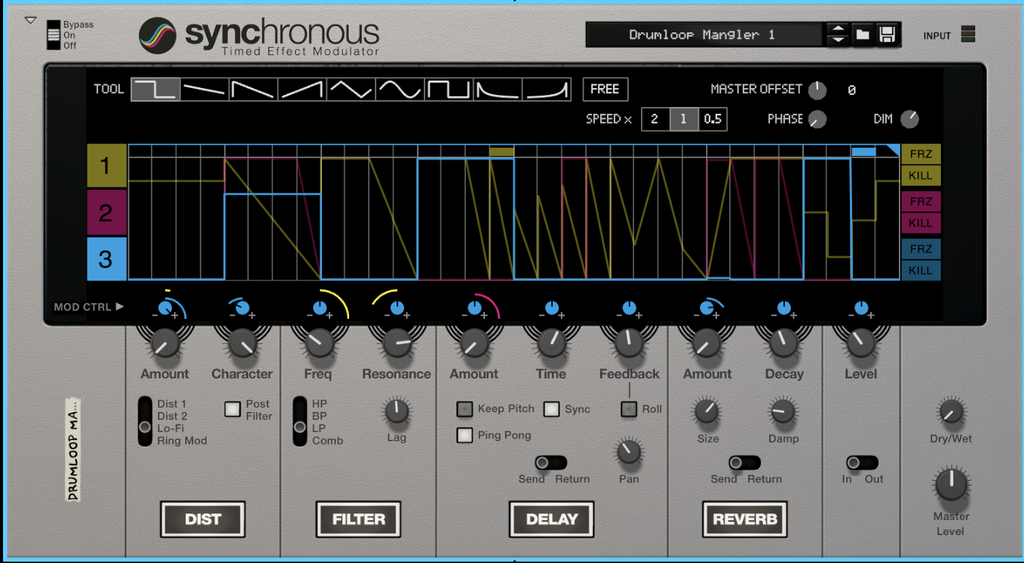
Synchronous is a beast. Nothing else hits quite like it. It’s a bit unwieldy at first, but once you get past the learning curve, the sheer power is insane. It’s easily one of the most underrated plugins around for giving pads and FX real texture.
The presets alone are super punchy, but the magic starts when you get into the weeds and draw your own automation curves. Move filter cutoffs, delay times and distortion all at once, and a flat sound suddenly stands up and roars. You get total control and wild, unpredictable motion in the same package. In this track I reached for it for one-off FX moments, when a section needed something funky and out there turned up to eleven. It’s PERFECT for that.
To try it, draw multi-stage curves for the delay and reverb, then lock a rhythmic LFO to a filter. Your own patterns pump so much extra life into a sound that the whole track gets louder in spirit.
Quick Fire Tips For Making Minimal Techno
Tip #1
In minimal, the complexity lives in the sound, not the arrangement. Before you reach for another layer, turn up the detail in what’s already there and let it grow over time.
Tip #2
Push a single sound as far as it’ll go, and don’t flinch when it gets weird. The weird stuff is often where the magic is.

Tip #3
To me, minimal is an aesthetic, not a genre, and the energy level is whatever you choose. Think textures instead of layers and blow small sounds up until they feel huge.
Tip #4
Most minimal tracks pick one mood and stick to it, but I love starting in one place and ending up somewhere else. Do that, and you’ll have more than a track DJs play; you’ll have a story.
Tip #5

Build a sound library, instead of an FX library. Your own sounds will amplify your signature style more than having every plugin in the world.
Do you like this personality?

Will Vance is a professional music producer who has been involved in the industry for the better part of a decade and has been the managing editor at Magnetic Magazine since mid-2022. In that time period, he has published thousands of articles on music production, industry think pieces and educational articles about the music industry. Over the last decade as a professional music producer, Will Vance has also ran multiple successful and highly respected record labels in the industry, including Where The Heart Is Records as well as having launched a new label with a focus on community through Magnetic Magazine. When not running these labels or producing his own music, Vance is likely writing for other top industry sites like Waves or the Hyperbits Masterclass or working on his upcoming book on mindfulness in music production. On the rare chance he's not thinking about music production, he's probably running a game of Dungeons and Dragons with his friends which he has been the dungeon master for for many years.











![Baby Audio HyperWarp Review: Why Less [Processing] Is More](https://magneticmag.com/wp-content/uploads/2026/10/Untitled-Design-88-1024x683.png)
![How It Was Made: Lang Father i(Junkyard Dog) [Welofi]](https://magneticmag.com/wp-content/uploads/2026/10/Press-Pic_2-1024x576.jpg)