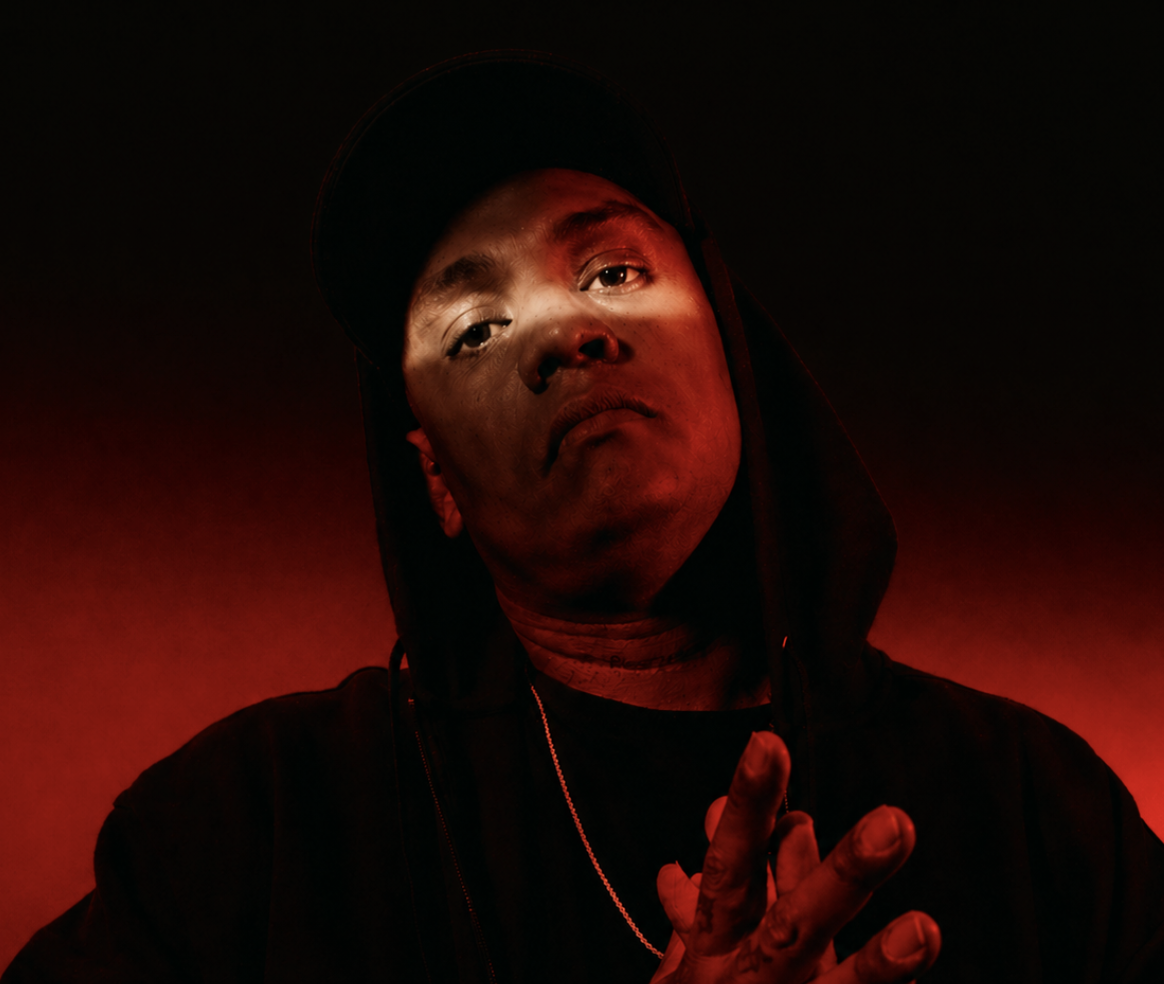
A lot of dance music talks about instinct, but Ciclo’s (@ciclo_music) No Ma Mood EP makes that idea feel more practical than romantic. The Colombian producer is returning to Hottrax for a third release on Jamie Jones’ label, and the title reads like a small refusal: no more making tracks just to stay in motion, no more following formulas because they work, no more sanding down the parts of a record that make it feel like his.
That is a better angle than simply saying the EP is club-focused, although it is very much that.
“No Ma Mood” opens with a heavier foundation, tight percussion, and a rolling groove that keeps pushing forward without overcrowding the room, while “Are You There” gives the package more space, low-end drive, funky bass movement, and skippy percussion. Both tracks come from Ciclo’s attempt to gather the elements he loves across house, hip-hop, trap, dancefloor pressure, and emotional breakdowns, then make something without leaning on a fixed formula.
The interview below fits that same idea. Ciclo talks about reading faces, knowing when a floor needs patience, understanding the age and mood of the crowd, and staying close to your own identity when the room starts asking questions. It lands at a good moment for him, with No Ma Mood arriving ahead of his Paradise debut at UNVRS in Ibiza and after years of Jamie Jones playing his records around the world.
Interview With Ciclo
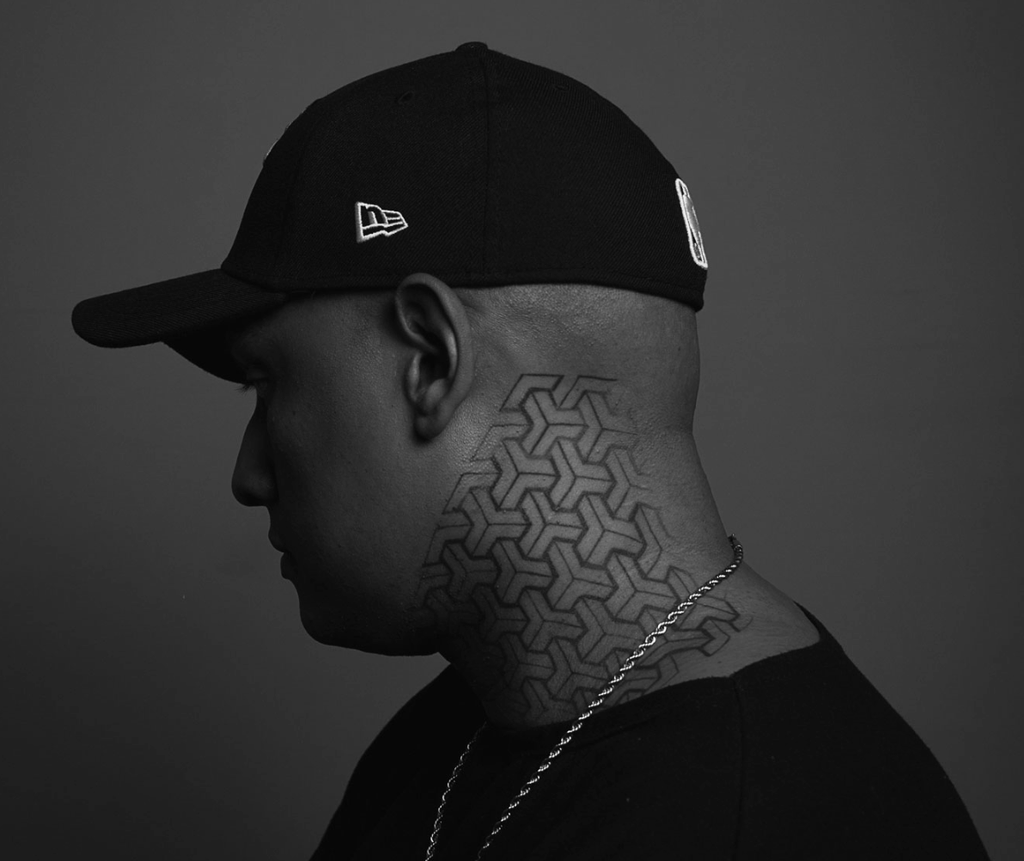
Beyond track selection, how do you see your role in guiding the energy of a room?
For me, DJing is about more than just playing tracks. It’s about sharing my love for music and telling a story that flows naturally. I watch people’s faces and their reactions; sometimes I even see people crying because they feel connected to the music. It’s important to understand the crowd in front of you, including their age. For me, that’s the most important starting point: understanding who I’m playing for and how they’re feeling, so I can guide the energy from there.
What signals tell you a room feels off or the energy is changing, and how do you respond?
Reading a room can be tricky, but I always keep my eyes on the dancefloor and the people in it. If I feel a track isn’t working for some reason, I adjust, sometimes by playing a classic to reconnect with the crowd. The energy is always changing throughout the night, so you need to pay attention, understand what’s happening, and respond to it.
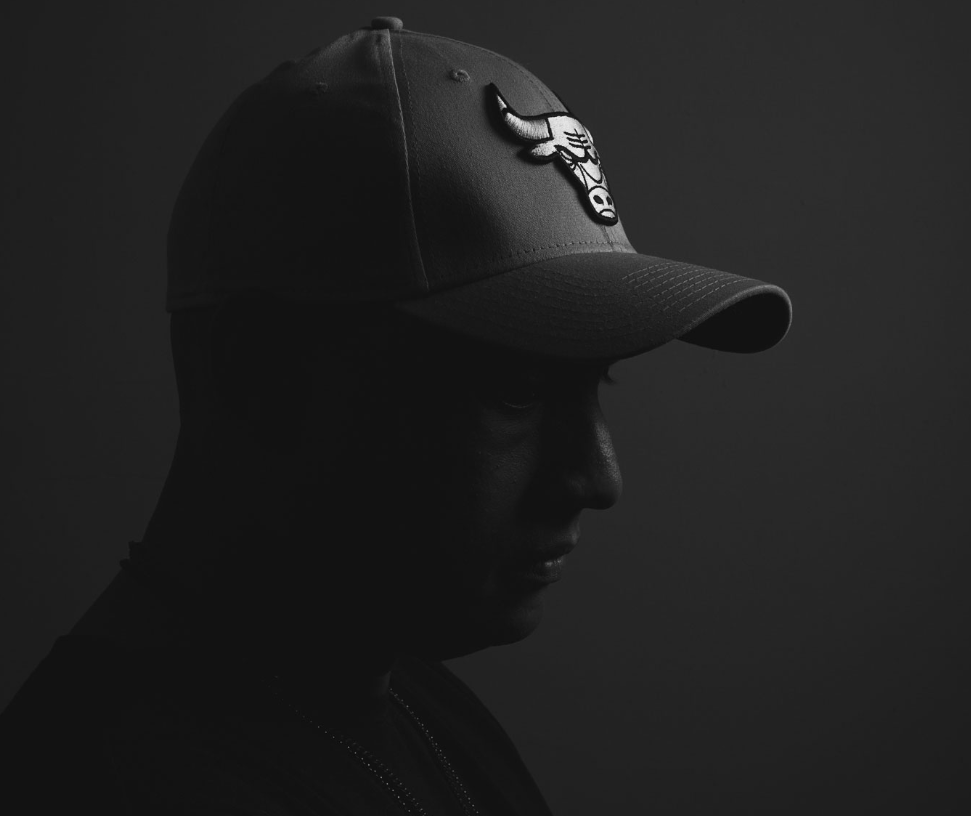
In your experience, how much awareness does great DJing actually require compared to technical skills or just the quality of what’s on your USB?
You should take the time to listen to and understand the music on your USB before the gig, in the studio or even at the hotel, not in the club. Once you’re in the club, your focus should be on the dancefloor and its energy. Having great tracks and technical skills matters, but you also need to read the crowd. That’s where your experience as a DJ really shows.
How do you read the difference between a room that needs patience and a room that needs a bigger push from the DJ?
For me, it depends on the time of night, you know? What the room needs at 1 a.m. can be very different from what it needs at 4 a.m. You have to understand that moment, but still bring your own identity to the set. Sometimes DJs change their style just to please the crowd, and the result doesn’t always work. Adapt to the energy, but stay true to your own sound. Be patient.
What have you learned about restraint in a set, especially when the right move is holding back rather than forcing a bigger reaction?

I’ve learned to stay true to my sound and be patient, giving the dancefloor time to respond instead of forcing a bigger reaction. I’ve learned to listen to the crowd without words. I read their eyes, their movements, and sometimes even how many people head to the bar for a shot in the middle of my set, haha.
Closing Thoughts
The best part of Ciclo’s answers is how direct they are. He is not dressing DJing up as a mystical exchange between artist and crowd. He is talking about watching faces, reading movement, knowing when people are drifting, and understanding that the room at 1 a.m. is not the same room at 4 a.m. That kind of awareness can sound basic until you hear a DJ ignore it.
There is also a clear link to Jaguar B’s interview on restraint and reading the dancefloor. Jaguar B framed restraint as one of the hardest parts of DJing because the temptation is always to push for a bigger reaction. Ciclo’s answer sits in that same lane. Patience does not mean doing less because you have nothing else to offer. It means giving the floor enough time to meet the record.
That idea becomes more interesting when placed beside No Ma Mood.
Ciclo describes the EP as a break from making music for the sake of making music, or following formulas because they are available. That is a different version of the same discipline. In the booth, he is trying not to chase the crowd so hard that he loses his own identity. In the studio, he is trying not to chase a formula so closely that the record stops feeling like him.
The Hottrax connection adds another layer. ATLAC’s recent interview around You Can Move also sat inside Jamie Jones’ orbit, and that piece touched on the pressure of making club music that feels functional without becoming anonymous. Ciclo is working from a similar problem, but his answer is built around rhythm, low-end movement, and a refusal to overthink the wrong parts of the record.
The broader takeaway is that Ciclo’s current run is about trust: trust in his own sound, trust in the room, and trust that a record does not need to follow someone else’s formula to work. No Ma Mood is a compact release, but it says quite a bit about where he is right now.
The grooves are direct, the low end does its job, and the emotional breaks are there because he wants them there, not because the template asked for them.
That is what makes the EP feel tied to the interview rather than simply attached to it. Ciclo keeps coming back to patience, identity, and the discipline of reading what is actually happening in front of him. Those are DJing ideas, but they are also production ideas. The record, like the room, only works when the artist knows when to push and when to wait.

Will Vance is a professional music producer who has been involved in the industry for the better part of a decade and has been the managing editor at Magnetic Magazine since mid-2022. In that time period, he has published thousands of articles on music production, industry think pieces and educational articles about the music industry. Over the last decade as a professional music producer, Will Vance has also ran multiple successful and highly respected record labels in the industry, including Where The Heart Is Records as well as having launched a new label with a focus on community through Magnetic Magazine. When not running these labels or producing his own music, Vance is likely writing for other top industry sites like Waves or the Hyperbits Masterclass or working on his upcoming book on mindfulness in music production. On the rare chance he's not thinking about music production, he's probably running a game of Dungeons and Dragons with his friends which he has been the dungeon master for for many years.