
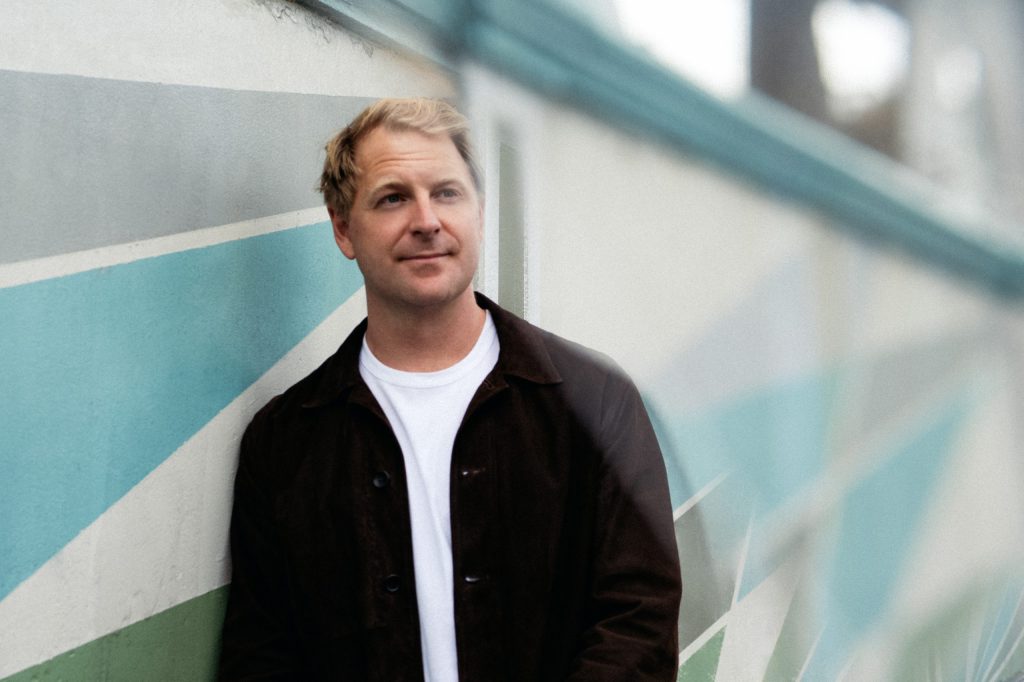
There is a point where the room starts feeding back into the studio, and Becoming feels like ALLKNIGHT (@allknightuk) reaching that point in real time. The Glasgow-born singer-songwriter, producer and DJ has been building a vocal-led lane inside melodic dance music for a while now, with releases and collaborations tied to Colorize, Anjunadeep, This Never Happened and Lilly Era, but these five tracks push that world closer to the floor without losing the emotional pull that made her project click in the first place.
The shift came from playing live more often and hearing what actually translated.
ALLKNIGHT talks about returning from shows with a clearer sense of how much energy the tracks needed, how far she could push the clubbier side of the project, and how much she still wanted the writing to feel like hers. That tension sits across the EP:
“Electric Love” opened the door back in early 2025, “No Way Out” nearly got shelved before becoming one of the key records in the package, “I Found You” brings L.GU. into the fold, and the two MØØNE collaborations carry the added charge of a creative relationship that has been central to the project for years.
That makes the title feel accurate without making the record feel unfinished.
Becoming is not ALLKNIGHT announcing one final version of the project; it is the sound of an artist learning how to sit more fully in the producer’s seat, how to let collaboration expand the room around an idea, and how to build records that can still hit harder once they leave the studio. In the interview below, she talks about confidence, version 13 of “No Way Out,” working with MØØNE, live testing, and the difference between finding a sound and freezing it in place.
Interview With ALLKNIGHT
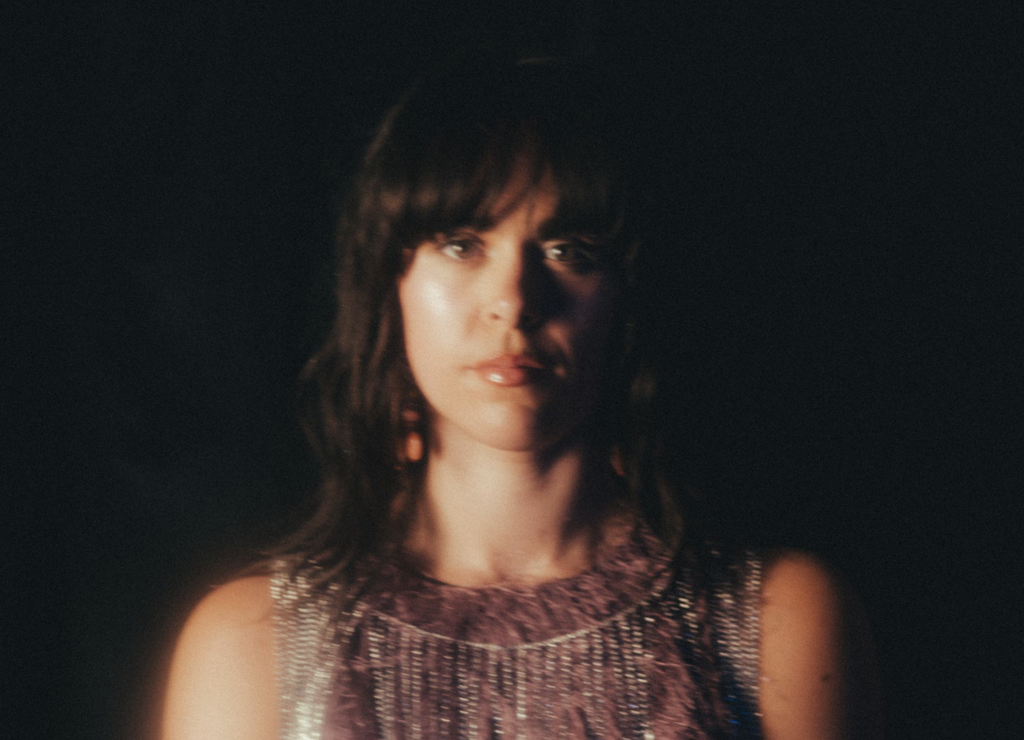
You’ve described Becoming as the point where you finally found the sound identity you’d been searching for. What changed for you creatively while making this EP that made everything start to click?
I think since I’ve been playing live shows and being able to test the audience reaction on a dancefloor. The more shows I was playing, the more I was going into the studio and really leaning into the clubbier sound. I still very much have tried to keep it in line with the big vocal stuff I’ve made in the past, but just giving the tracks more energy so they really hit when playing live.
The EP feels like an important step in you further stepping into your role as a producer. Was there a particular moment during the process where you felt like you’d pushed yourself beyond what you thought you could do?
Oh, absolutely. Learning and pushing yourself is really hard, especially when learning production because there’s no one way of doing things. I definitely struggle at times with confidence in what I’m doing, and it helps to have good people around me to either help or steer me in the right direction.
I remember distinctly when I was making “No Way Out,” I felt like I had a solid vocal but I just couldn’t get the track to where it needed to be. I think around version 13 I was so close to putting it on the shelf, frustrated as I felt like it had really lost its way. I’m now so glad that I didn’t, and because of that it’s probably my favorite track on the EP. It was a good lesson that good things take time and that you have to persevere.
“Overcome” and “If Here Was Forever” mark your first releases with MØØNE as a vocalist. What was it like bringing such a close creative relationship into the music itself, and did working together in that way change how you approached the tracks?
I feel so lucky to have such a great relationship with Katy, who records as MØØNE. She started out as my manager, then we started writing together, and now we have become great friends. It’s so special when you create something with someone you are so close to. The process of writing together is always so easy when it’s just us in the room.
Quite a lot of the time, when you write with new people, there can be a bit of awkwardness at the start that you need to break down, but when we write together it’s immediately, “Okay, so what’s gone wrong recently that we can make into a song?”
Having Katy on these tracks is so special for me. We have been growing my project together for the last four years, and she has been such a huge part of my career, so it only feels right to have her on this EP.
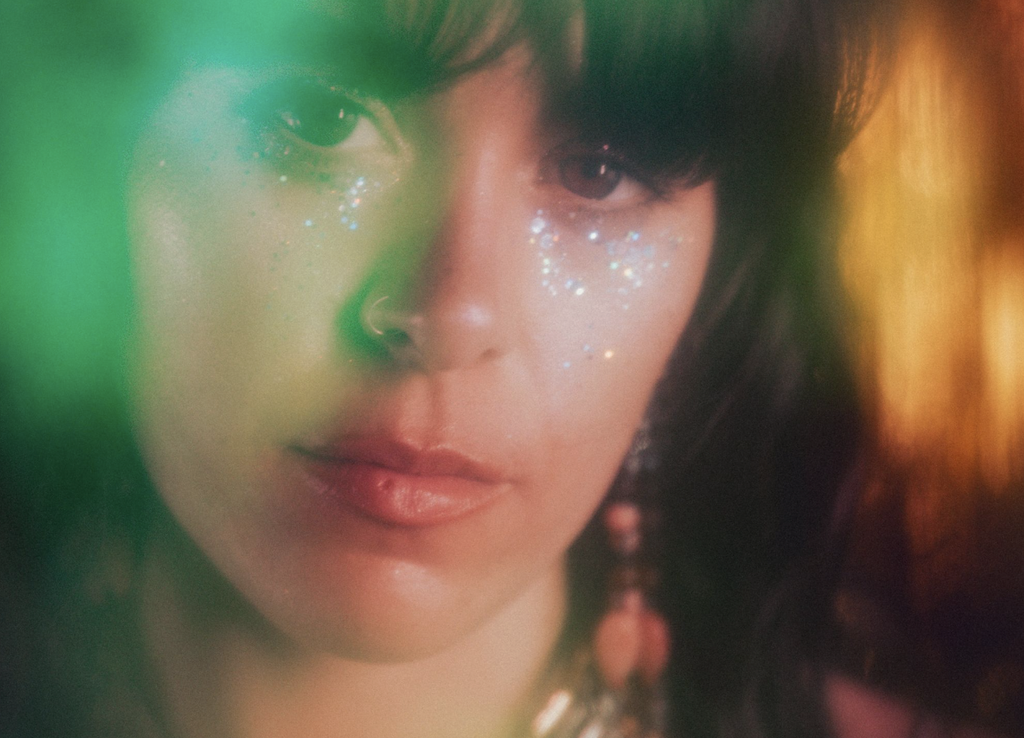
The EP moves between more emotionally driven records like “Overcome” and more dancefloor-focused tracks like “If Here Was Forever” and “I Found You.” Did you set out to show different sides of your sound with Becoming, or did that variety happen naturally as the tracks came together?
It all happened naturally. The first one I wrote was “Electric Love” back in early 2025, and I remember writing it and thinking that this was the kind of sound I wanted to be making. The EP definitely has a more dancefloor feel to it, which is the direction in which I now want to be making music, but “Overcome” is a nice nod to the more melodic, emotional sound I’ve always made.
For me, I think it’s important to have a variety of sounds, as I wouldn’t say my music is just one thing. It’s important to me that people listen to the EP and don’t think every song sounds the same, and that they get different things from different tracks.
The title Becoming suggests that this EP is less about arriving at a final version of yourself and more about the process of getting there. Looking back at these five tracks, what do you feel you’ve discovered about yourself as an artist?
Totally. I think for me love has always been in the creation of the music, and really enjoying the process of watching the track grow from the initial idea into something so much bigger. In making Becoming, I’ve really started to uncover the sound that feels the most me, and by collaborating with MØØNE and L.GU., I feel like I’ve seen a whole new side of creating music.
It’s very easy to get stuck in a rut, but the beauty of collaboration is the other person will bring so much to the table that you haven’t thought of yet. I’ve always loved working with other people, but this time doing it from the producer’s seat has meant I have learned so much, and can see how much more there is still to learn.
Closing Thoughts
The most interesting thing about Becoming is how closely the EP ties studio identity to live feedback. ALLKNIGHT is not talking about making clubbier records because the market asked for it, or because a bigger kick drum suddenly became the obvious next move. She is talking about playing more shows, reading how the music works in a room, then coming back to the studio with a better sense of what her songs needed to do once they left the laptop.
That connects naturally with my interview with Deeparture on identity, branding and keeping the music ahead of the campaign. Deeparture talked about staying recognizable without becoming predictable, and ALLKNIGHT is working through a related question from a different angle.
Becoming has a clearer dancefloor charge, yet it still keeps the vocal-led emotional DNA of her earlier work, which is usually where an artist’s identity becomes easier to hear.
That also sits beside Yeadon’s interview on taste, choices and keeping the artist inside the record. Yeadon’s piece focused more directly on technology and creative shortcuts, while ALLKNIGHT’s answers show the slower version of the same principle. The record becomes more personal because the artist stays with the process long enough for the right decision to appear, even when that means pushing a track to version 13 instead of shelving it.
“No Way Out” might be the clearest example. It had the vocal, it had enough of a starting point to keep chasing, and it still nearly collapsed because the production would not land where it needed to.
That kind of frustration is common enough that producers rarely talk about it clearly. ALLKNIGHT does, and the payoff is that the track now feels like a lesson inside the EP rather than only another song on the tracklist.
There is another useful comparison with Sound Quelle’s feature on setting a wider melodic progressive direction. Sound Quelle’s work often lives in the space between melody, feeling and club function, and Becoming is reaching toward a similar balance from ALLKNIGHT’s own vocal-first perspective. The record wants to move, but it does not want to flatten itself into pure utility.
The broader takeaway is that Becoming works as a title because it leaves the door open.
ALLKNIGHT has found more of the sound she was looking for, yet the EP does not treat discovery like a finished assignment. It captures an artist stepping further into production, learning from collaboration, trusting the floor more, and realizing that the sound most connected to her might also be the one with the most energy behind it.

Magnetic byline note: This byline is used for staff produced updates and short announcements, often based on press materials and official release information. Editorial responsibility: David Ireland (Editor in Chief) and Will Vance (Managing Editor). About: https://magneticmag.com/about/ Masthead: https://magneticmag.com/masthead/ Contact: https://magneticmag.com/contact/







![How It Was Made: Lang Father i(Junkyard Dog) [Welofi]](https://magneticmag.com/wp-content/uploads/2026/10/Press-Pic_2-1024x576.jpg)