Most producers do not need another preset pack, another reference track, or another tutorial when a session starts feeling crowded. They need a cleaner decision state.
If you’re looking for a plain and simple way to think about it, silence and creativity connect because silence gives your ears and taste enough room to tell you what the session needs, rather than having every choice run through whatever you listened to, watched, or compared yourself to right before opening the DAW.

That sounds simple, yet it is one of those things that gets easy to ignore once the release calendar starts filling up and the studio turns into a constant intake machine, and it’s something that I couldn’t stop coming back to in Sequencer: A Music Producer’s Guide To Building An Artistic Life. You hear finished tracks all day, you watch other producers move fast online, you check your own rough bounce against polished records, and by the time you actually sit down to work, there is so much input in your head that the session has to compete for your attention.
That is where silence becomes useful in a very unconvoluted way.
It gives you a small amount of space before the next decision, and for a producer who is dealing with too much sound, too much comparison, and too much pressure to keep moving, that space can be the difference between fixing the actual problem and spending another hour making the session busier.
Why does this problem show up for producers
Music producer burnout usually does not start with some huge collapse where the whole process stops working at once. It usually starts smaller than that, with too many inputs stacking up over time until your taste feels a little less available when you need it.
You sit down to work, yet your head is still full of the playlist you had on in the car, the mix notes someone sent that morning, the producer video you watched while eating lunch, and the last ten tracks you checked to see where your own work sits. None of those things is bad on its own, and most of them can be useful in the right amount, yet they become a problem when they never stop.
That is the part producers often miss. The issue is not that they lack discipline. Most producers I know already work a lot, and a lot of them work past the point where the extra time is actually giving them better decisions. The issue is that all that work is happening while their ears are still processing other people’s music, opinions, and timelines.
Inside a DAW session, that can show up in very specific ways.
You add another layer because the section feels small, then you add another effect because the new layer feels flat, then you start adjusting the drums because the whole thing now feels crowded, and by the time you step back, the original idea has been buried under fixes that were reacting to fixes.
Silence gives you a way to break that chain. It does not solve the record for you, and it does not replace taste, skill, or repetition, yet it gives those things a better chance to work because your next move comes from the session in front of you rather than the noise around it.
What the artist’s source says about the importance of silence and creativity in an artist life

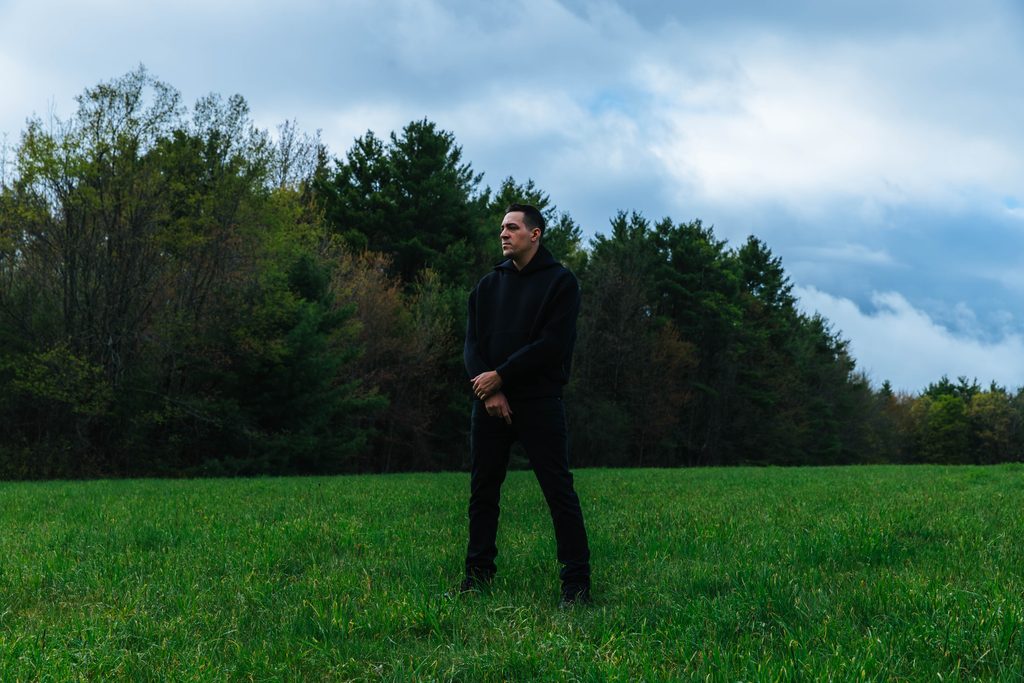
In the full Crusy interview on the power of silence, he talks about stepping away in a way that feels the most useful for producers:
“It happens a lot, to be honest. If I feel blocked or tired in my head, I stop completely. I go outside, I drive with no music, just the road and my thoughts. That moment helps clear everything. Many times, after I come back, I realize what the problem was with the track or what I was doing too much.”
That is the part that matters for the producer sitting in front of a session and trying to figure out why the track suddenly feels wrong. Crusy is not talking about silence as some abstract creative state. He is talking about using it when his judgment starts to get worn down, and that is exactly when most producers make the messiest choices.
If you feel blocked or tired in your head, there is a good chance the next edit you make is going to come from stress rather than taste. You might mute the wrong part because you are tired of hearing it. You might add a new synth because the loop feels stale after 90 minutes. You might rewrite the drop because it no longer hits the same way after you have played it 40 times in a row.
This is where studio breaks need to be treated less like procrastination and more like part of the workflow.
A break is only a problem when it has no return point. If you close the DAW because you are avoiding the track and you come back three days later with no plan, that is a different issue. If you step away for ten minutes so your ears can reset and you return with one clear decision to make, that is productive.
How to apply the idea in a real session
The easiest place to apply this is during arrangement, because arrangement is where producers tend to confuse activity with progress. You have a loop that feels good, you start stretching it into sections, and then you keep adding material because the track does not feel finished yet.
That can work early in the process, yet it can also turn into a bad habit fast. The session starts asking for clarity, and you answer with volume. The main idea needs space, and you answer with another layer. The transition needs a cleaner setup, and you answer with another effect.
Try a simpler pass. After you build the first rough arrangement, bounce it, close the DAW, and give yourself ten minutes with no music. No reference track, no podcast, no scrolling, no quick check of another producer’s release. Let your head sit without feeding it anything new.
Then come back and listen once from the top without touching the mouse. Write down the first issue you hear in plain language. The breakdown drags. The bass enters too early. The lead is doing enough and the extra layer is making the hook less clear. The intro takes too long to say what the track is about.
After that, make one edit.
That one edit part matters because silence works best when it leads to a cleaner decision, not another long session of chasing the track around. If the quiet reset tells you the break is too long, shorten the break. If it tells you the percussion is cluttered, mute one part and listen again later. If it tells you the main idea is fine and the pressure is coming from comparison, leave the main idea alone.
The same idea applies to mixing. If you keep turning the same hi hat up and down, stop. If you keep EQing the same pad and the track still feels cloudy, stop. If your master bus decisions start getting more aggressive because the bounce feels worse each time, stop and get quiet for a little bit before the session turns into repair work.
What BAKKIS says about listening before you decide

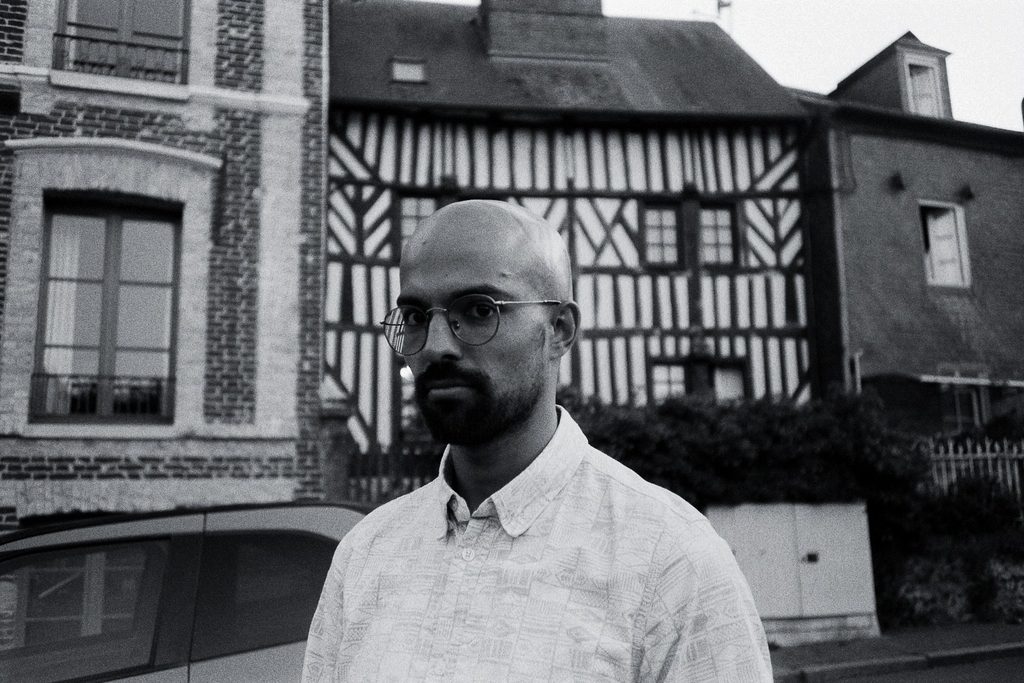
The BAKKIS interview on listening like a producer gets at the other side of this, which is the skill of hearing what is actually happening instead of reacting to how tired you are of the track:
“A lot of newer producers don’t realize listening is a skill you have to develop. It takes time to train your ears to hear what’s actually happening in a mix and understand how the elements interact.”
That quote is important because it pulls the conversation away from motivation and back toward skill. Listening is not passive. It is a trained part of production, and if your listening is overloaded, your decisions will reflect that.
A producer can know a lot about EQ, compression, arrangement, and reference tracks, yet still make bad choices if the listening state is off. That is why silence and creativity belong together. Silence gives the listening skill a better starting point.
Inside the DAW, this can be as basic as hearing whether the kick and bass are working together, whether the vocal has enough space, whether the main synth is still the center of the track, or whether the support parts are starting to pull attention away from the idea. Those are simple questions, yet they get harder when your head is full of outside sound.
This is also where the book connection starts to make sense. The larger idea behind the Sequencer book page is building repeatable habits that help producers protect the reason they started the track in the first place. Silence fits into that because it helps you hear whether the session still has direction before you keep adding to it.
What to change in the next 30 minutes
The fastest way to use this is to turn it into a 30-minute creative reset.
Open a session that has been annoying you. Listen to the top once, and do not make any edits. Write down the exact section where your attention drops or where the track starts to feel less convincing.
Then close the session. Set a ten-minute timer and avoid music, videos, social feeds, and reference tracks. Walk around, drive without music, clean up the studio desk, or sit somewhere quiet. The activity is less important than the lack of new input.
When the timer ends, open the session and go straight to the section you marked. Do not start at bar one unless you have to. Do not start auditioning new sounds. Make the one edit that seems most obvious after the reset.
Maybe the section needs to be shorter. Maybe one part needs to come out. Maybe the transition needs less automation. Maybe the idea is fine and you have been trying to force drama into a part that already works.
That is the whole point of the exercise. You are training yourself to notice before you react. You are building a habit where silence comes before the edit, and over time, that can make the whole production process feel less crowded.
If you want more production ideas that support better studio decisions without filling your day with extra noise, subscribe to the Magnetic Magazine newsletter and save this article for the next time a session starts to feel unclear.
For a fuller system around quiet routines, creative direction, and repeatable studio habits, Sequencer: A Music Producer’s Guide to Building an Artistic Life is the next logical place to go. You can also browse the creativity archive for artist conversations that connect back to the same problem.

Will Vance is a professional music producer who has been involved in the industry for the better part of a decade and has been the managing editor at Magnetic Magazine since mid-2022. In that time period, he has published thousands of articles on music production, industry think pieces and educational articles about the music industry. Over the last decade as a professional music producer, Will Vance has also ran multiple successful and highly respected record labels in the industry, including Where The Heart Is Records as well as having launched a new label with a focus on community through Magnetic Magazine. When not running these labels or producing his own music, Vance is likely writing for other top industry sites like Waves or the Hyperbits Masterclass or working on his upcoming book on mindfulness in music production. On the rare chance he's not thinking about music production, he's probably running a game of Dungeons and Dragons with his friends which he has been the dungeon master for for many years.