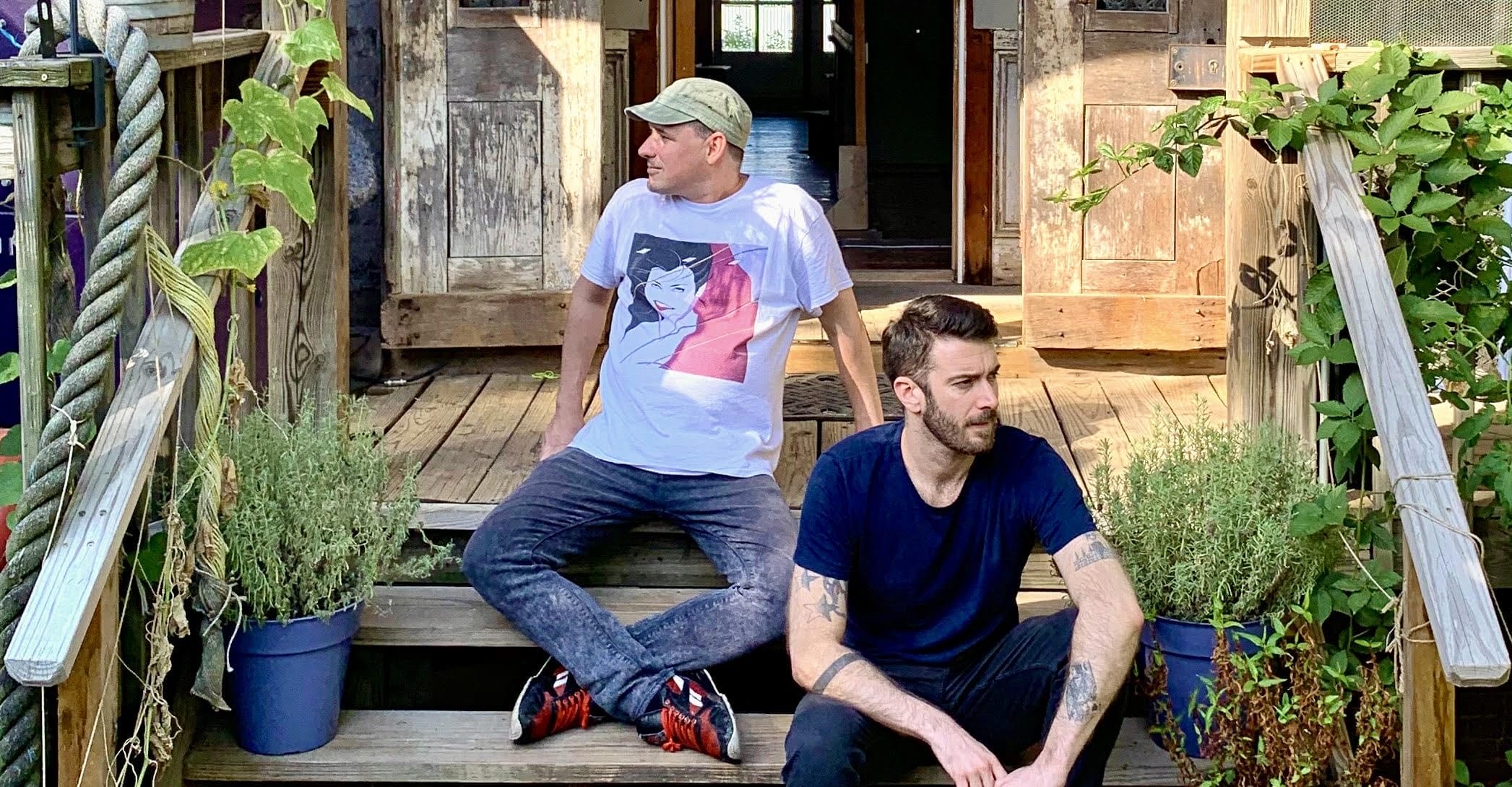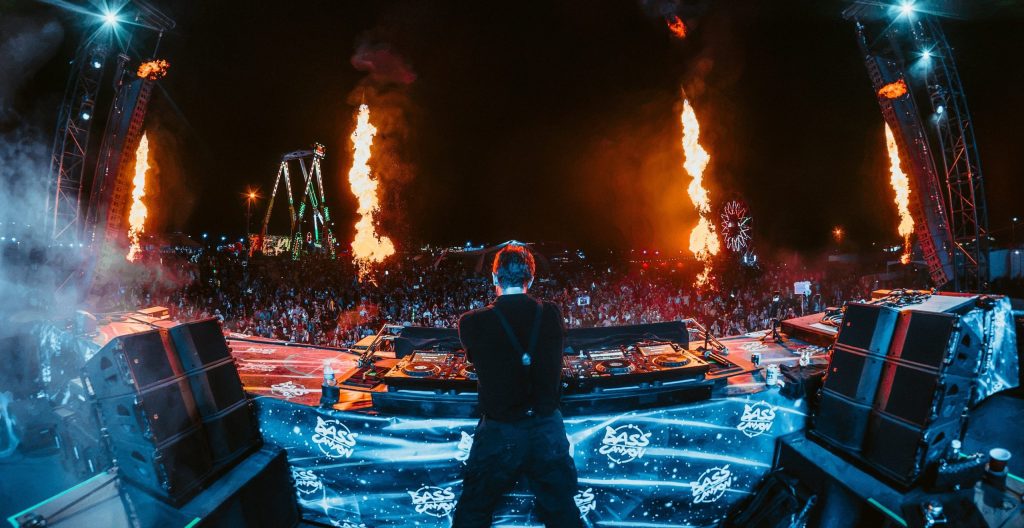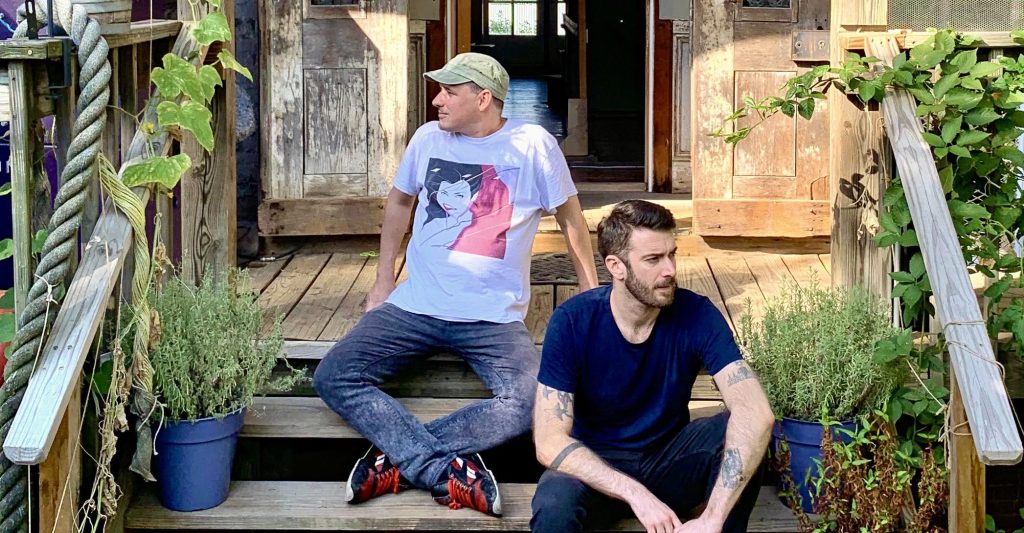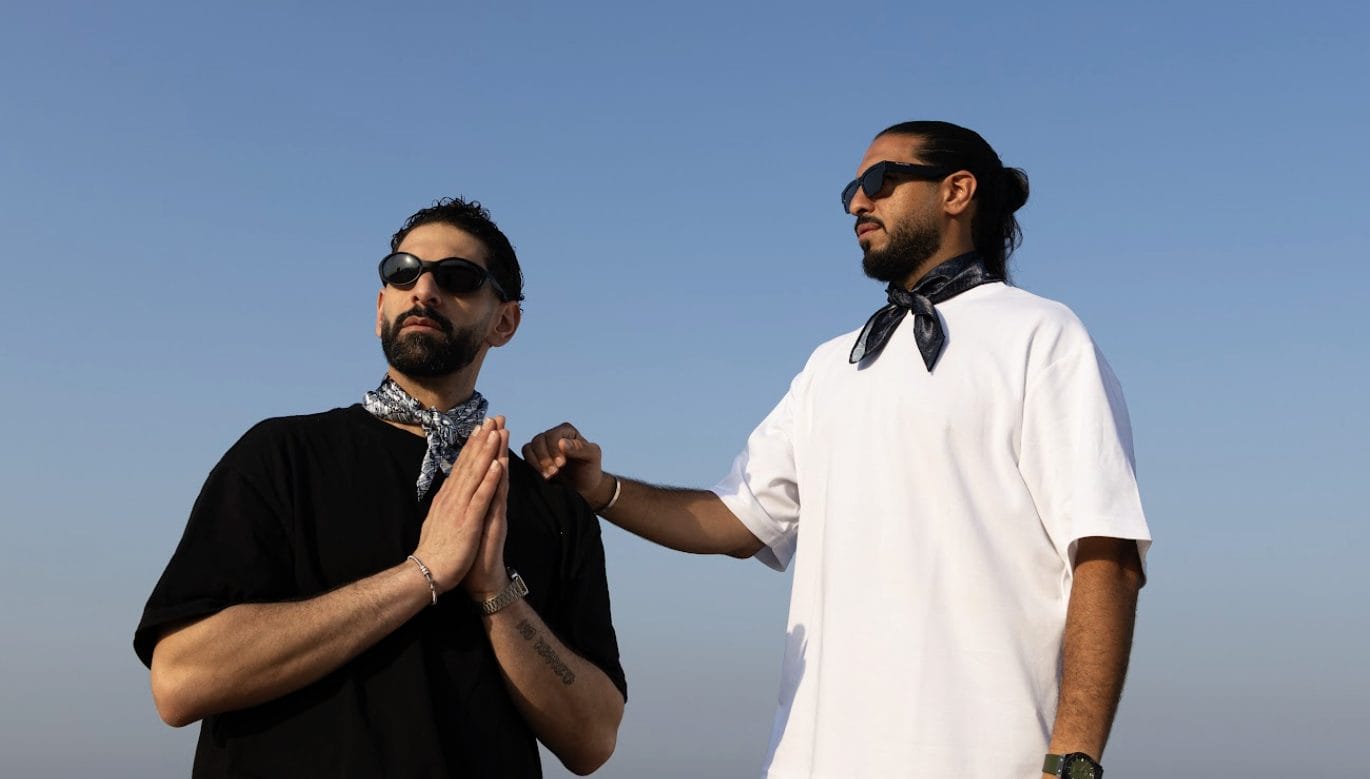
Dish Dash return to IN ACT with “Angel,” out July 3, 2026, following the momentum of “All I Wanna Do” with Glowal and “Wadi Wadi” on Idris Elba’s Sound International. The Saudi duo, made up of brothers Hassan and Abbas Ghazzawi, have been central to the rise of electronic music in the Kingdom, both through their own releases and through their role as frontmen of Soundstorm Festival. “Angel” continues that wider push, bringing melodic tech-house, expressive vocals, piano motifs, and a driving rhythm into a record built around reconnection and renewal.
The release also includes two remixes that pull the original into different corners of club culture.
Brussels-based producer Samer Soltan reshapes “Angel” into a more direct club cut while preserving the track’s emotional core, and Beirut-based producer Jade brings his own history with underground events and Middle Eastern electronic music into a more personal reinterpretation.
Across all three versions, the release keeps its focus on movement, emotional release, and production choices that can carry a vocal-led record into late-night rooms without losing its message.
In the interview below, Dish Dash talk less about “Angel” itself and more about the wider Saudi electronic music community they have helped build around it. Earlier this year, the duo set a Guinness World Record by bringing together 61 DJs from across Saudi Arabia for the largest online DJ mixing video relay, and their answers show why that mattered beyond the headline.
For them, the record was proof that Saudi club culture is more connected, more knowledgeable, and more collaborative than many people outside the region still understand.
Connect with Dish Dash: Instagram | Facebook | SoundCloud | Spotify
Interview With Dish Dash
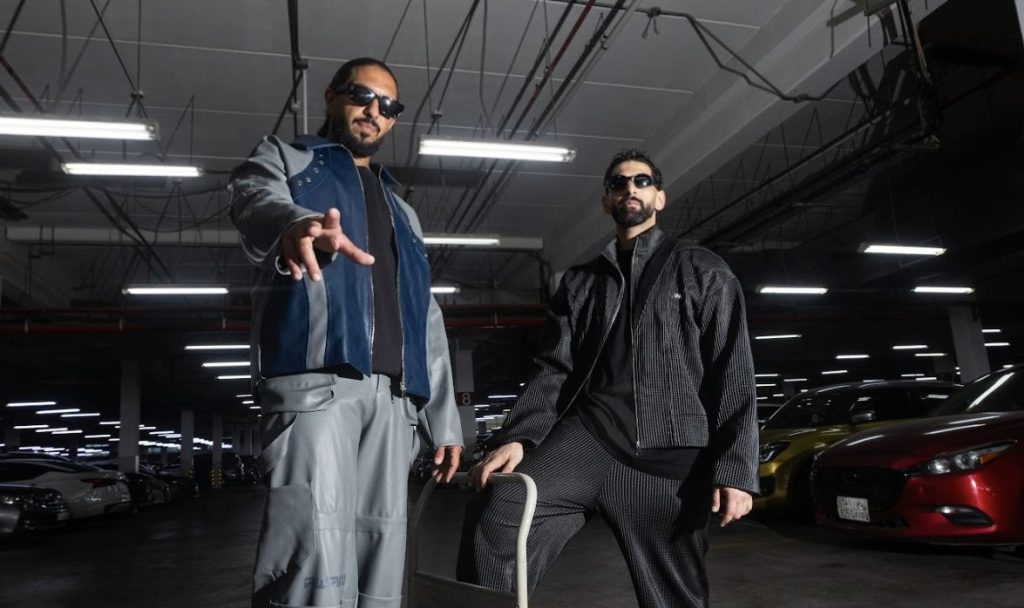
Bringing 61 DJs together for one continuous relay mix sounds like a major logistical challenge. Where did the original idea come from, and what made you believe it could work?
The idea came through a campaign with Lucid. Since the project was centered around a record-breaking car, we wanted to create something that carried that same spirit through music. Breaking a world record felt like the right way to do that.
Honestly, the reason we believed it would work was because we knew our community. We knew people would show up and support the idea. Saudi’s electronic music community has always been very connected, and we knew that if everyone came together, we could make something special happen.
What did you learn about the regional DJ community while coordinating 61 artists around one shared project?
It honestly confirmed what we had already felt for years, which is that the community is much more connected than people think. Everyone was excited to be part of it, and nobody really cared about individual recognition. The focus was on doing something together.
Seeing artists from different cities and different styles all contribute to one project reminded us that the community is still growing together, and that collaboration is one of its biggest strengths.

Did setting the Guinness World Record change how you view your responsibility as representatives of Saudi electronic music?
I do not think it changed our responsibility as much as it reinforced it. We have always felt responsible for representing our country and our community in the right way whenever we play abroad or release music.
The record just showed us how much can happen when people come together, and it reminded us that our role is not only about our own music. It is also about supporting and highlighting the people around us.
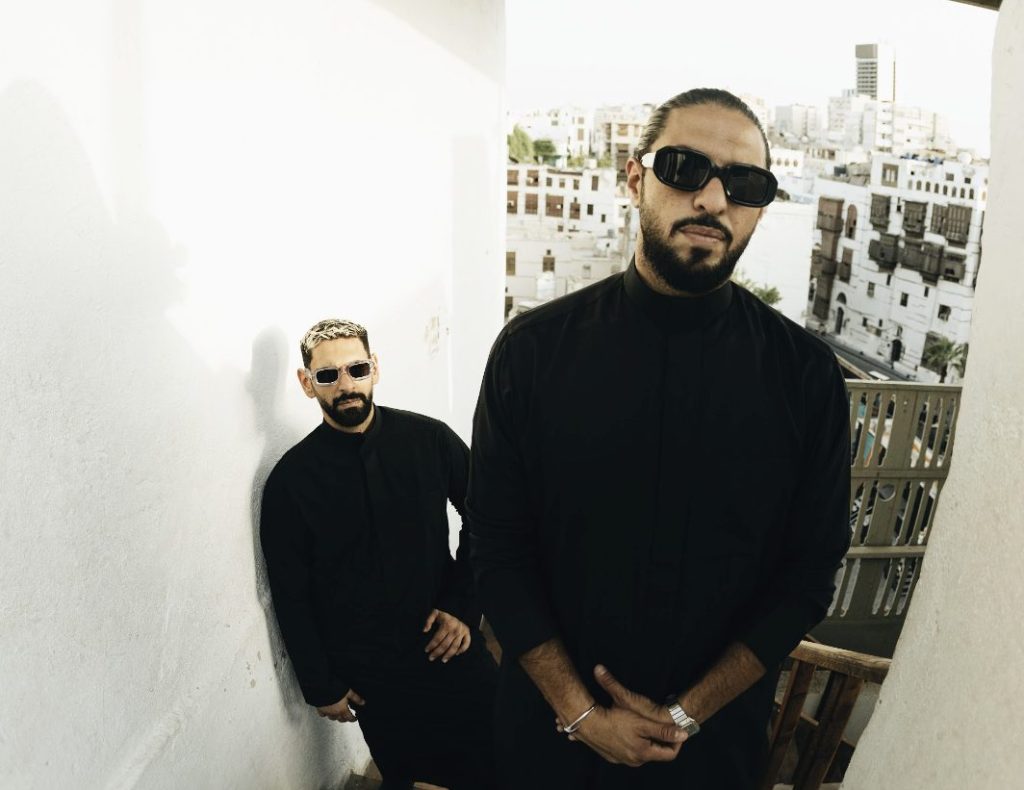
What do international audiences and artists commonly misunderstand about club culture in Saudi Arabia?
A lot of people still think the scene is very new, but the passion for electronic music has existed here for many years. What has changed is that people can finally experience it openly.
Many international artists are surprised by how knowledgeable the audience is. People here genuinely care about the music, follow artists closely, and understand different genres. The energy is very real, and that is usually what surprises people the most.
“Wadi Wadi” brought you together with EYAD and Dehmez. How did the collaboration begin, and how were production responsibilities divided?
The collaboration happened very naturally. We all wanted to make something that reflected our roots but still worked in a club environment.
Everyone brought something different to the track, and the process was very open. Ideas moved back and forth between all of us, and each person added their own influence. That is really what made the record special because it felt like a genuine collaboration rather than people just working separately.

What practical support does the next generation of Saudi DJs and producers need from labels, venues, and established artists?
The biggest thing is opportunity. Young artists need platforms to play, release music, and show what they do.
Support does not always have to be financial. Sometimes it is a warm-up slot, feedback on a demo, a release opportunity, or simply introducing someone to the right people. The more the community supports each other, the more the scene grows for everyone.

Magnetic byline note: This byline is used for staff produced updates and short announcements, often based on press materials and official release information. Editorial responsibility: David Ireland (Editor in Chief) and Will Vance (Managing Editor). About: https://magneticmag.com/about/ Masthead: https://magneticmag.com/masthead/ Contact: https://magneticmag.com/contact/