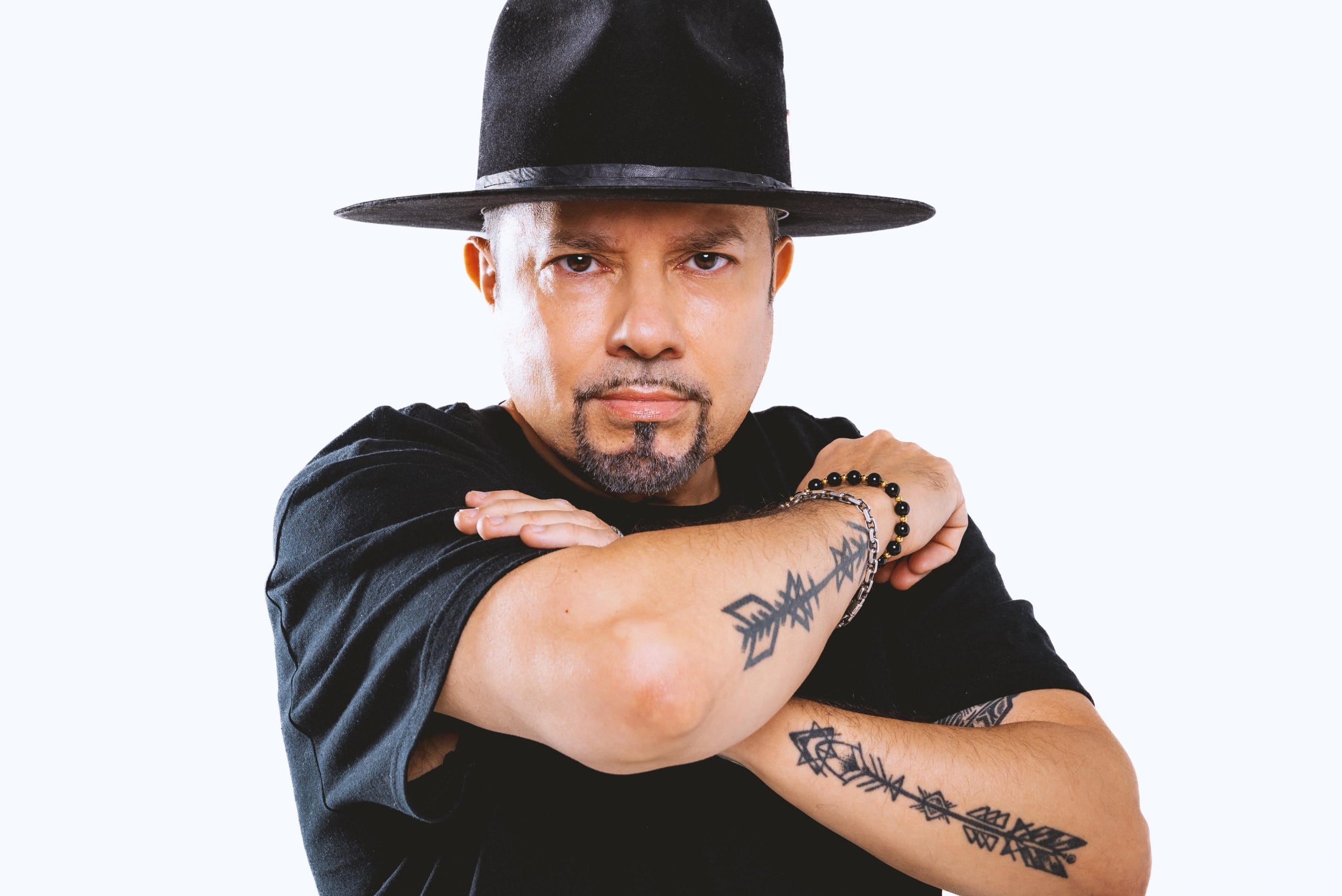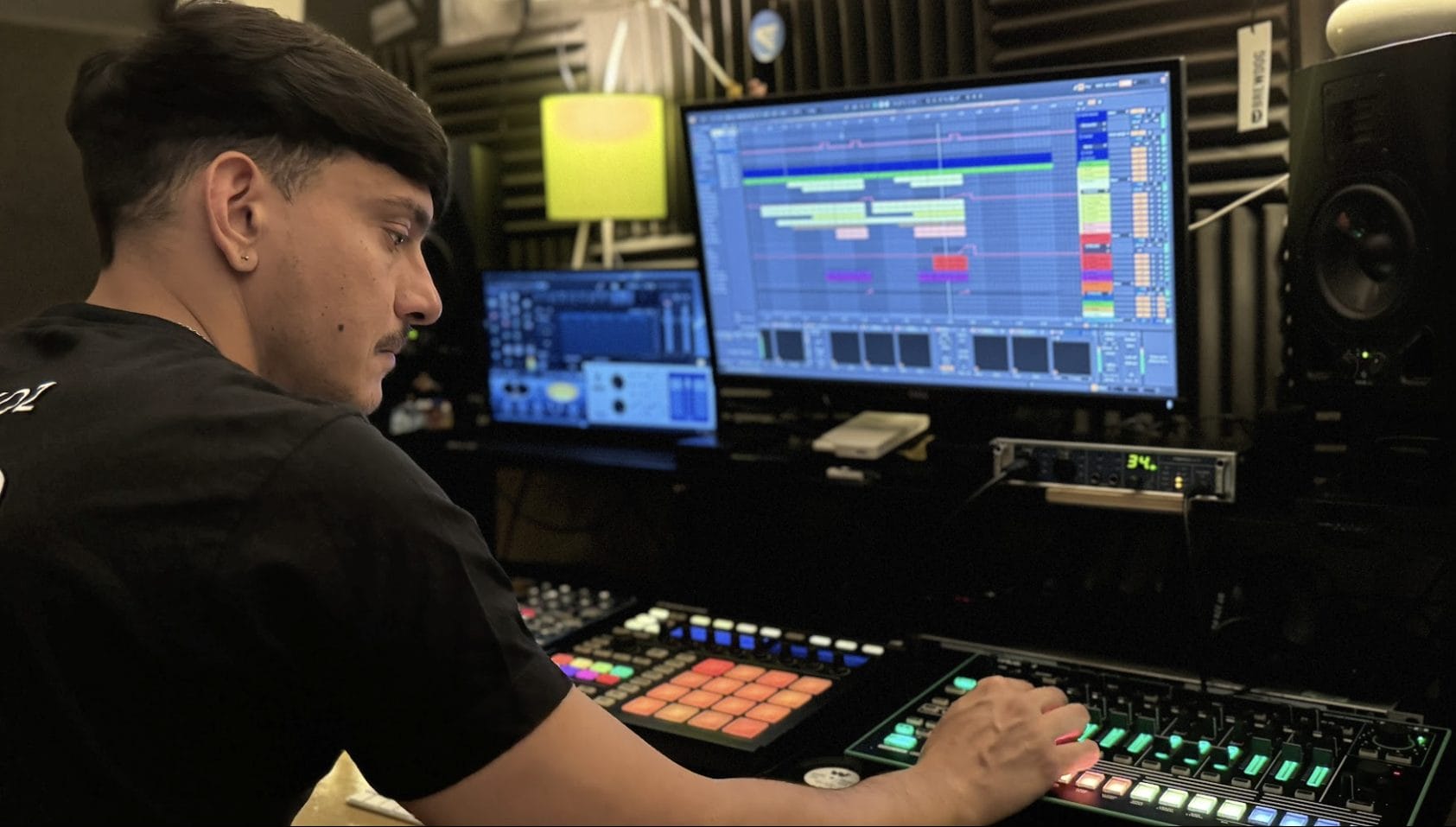
Uakoz (@uakoz_) has been building his name through groove-led techno for years, and Land Of Many feels like one of the more complete statements in that lane.
The London-based Italian producer has released on labels including ARTCORE, KMS Records, Kneaded Pains, and Odd Recordings, while also bringing that same energy into rooms like Fabric, Junction 2, Sisyphos, and Melkweg. This EP on Planet Rhythm leans into that foundation, but it also gives the dub techno side of his sound room to stretch.
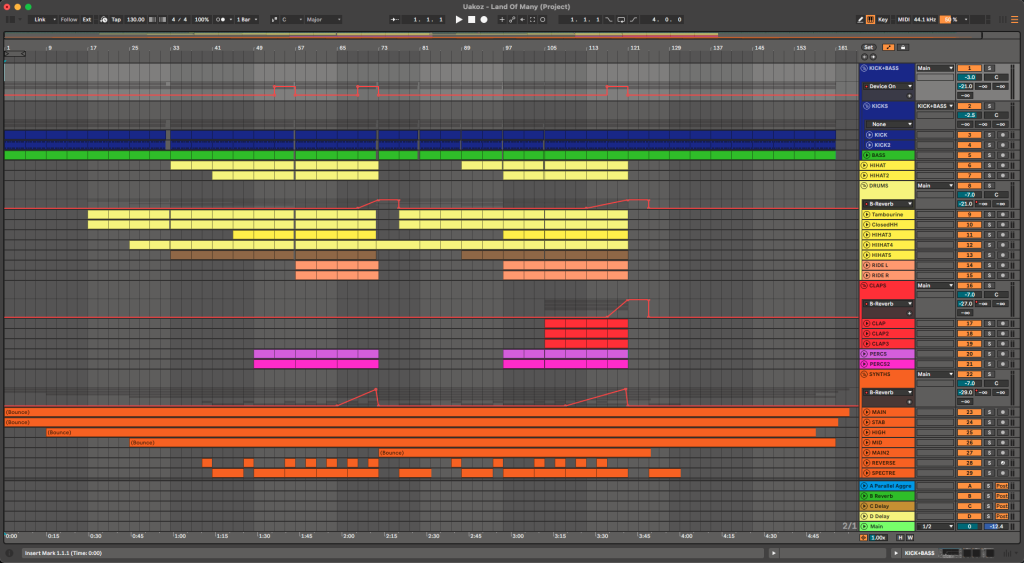
The title track works because it keeps the idea restrained while letting the processing do a lot of the movement. A simple harmonic bed in D minor becomes the center of the record, and the whole thing opens up through delay, filter movement, saturation, and console-style tone shaping. It is hypnotic without feeling flat, and that comes down to the way the core synth is treated after the notes are written.
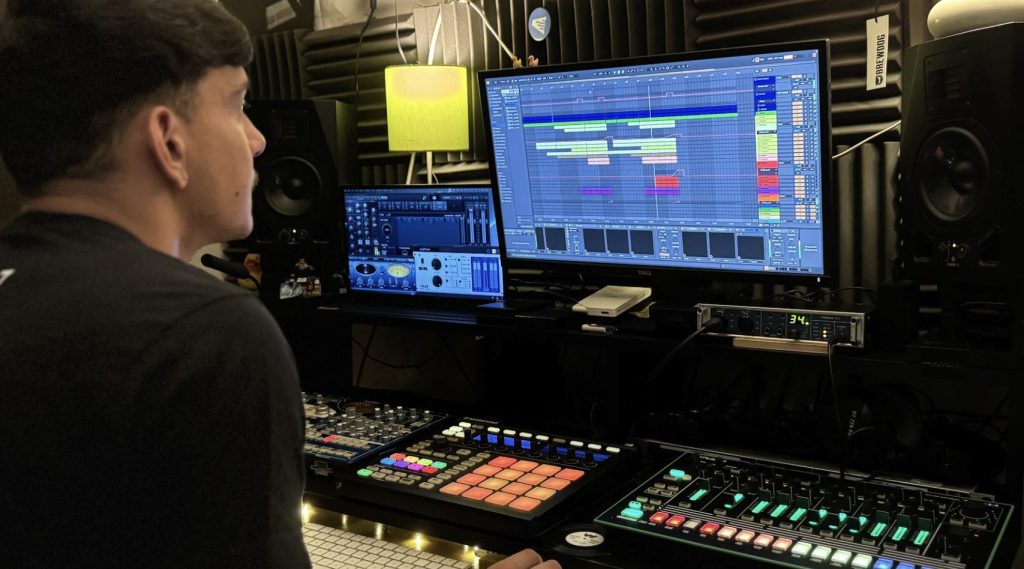
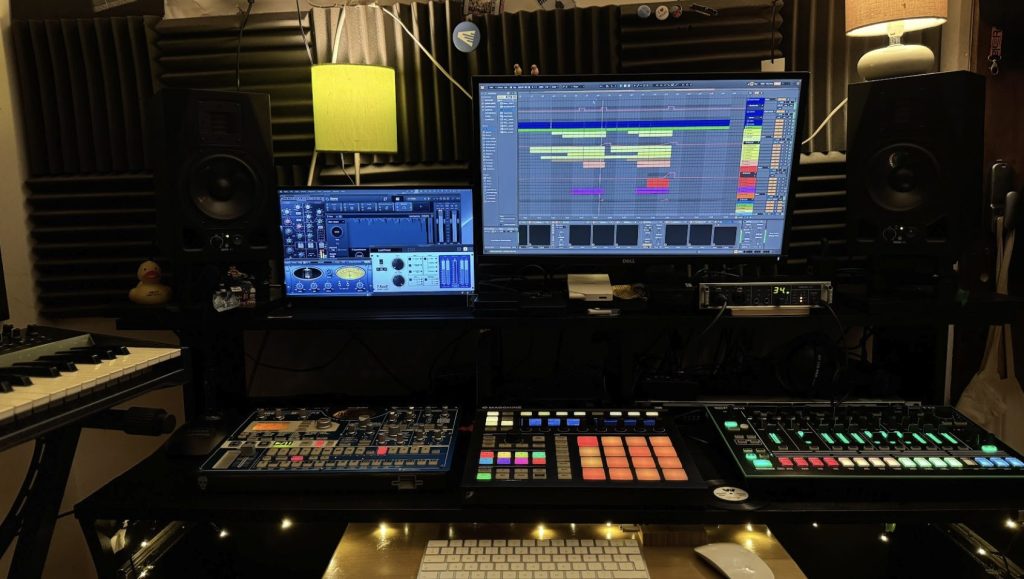
For this How It Was Made feature, Uakoz breaks down the processing behind “Land Of Many,” from Ableton Operator and Ping Pong Delay to Kush Omega Model N, SSL and NLS channel strips, and detailed EQ and compression work. The useful part here is how much of the track comes from committing to one simple idea, then using tone, space, and automation to make it feel alive across the arrangement.
Operator And Its Processing Chain
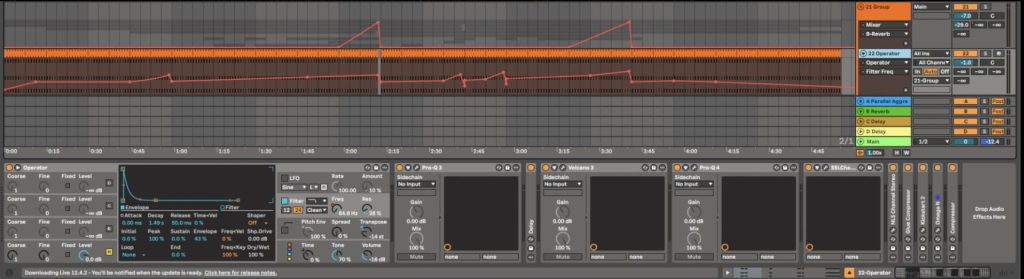
Operator is Ableton Live’s built-in FM synthesiser, and it’s one of those tools that looks deceptively simple but goes incredibly deep once you know how to push it. It uses up to four oscillators that feature clean sine-wave tones to heavily distorted sawtooth waves. It also has its own onboard filter, LFO, and envelope sections for each oscillator, giving you a ridiculous amount of control over the sound.

In Land Of Many, I used Operator as the core harmonic bed of the main synth, building the patch from scratch with only one oscillator. I wrote a simple three-note voicing in D minor: D2, F2 and A2, and over time modulated the filter frequency and sent reverb from the return tracks to create movement, tension and overall engagement.
The processing chain is where the sound really comes to life; an essential FabFilter Pro-Q 3 to carve out unwanted sub-frequencies, right after Ableton’s Ping Pong Delay, which is what made it immersive and hypnotic, adding that classic dub echo depth, a Volcano 3 with some drive for warmth, an SSL and NLS Channels for analog coloring and equalising, a Pro-Q 4 for fine sculpting.
Glue Compressor to hold everything together, Kickstart 2 for sidechaining against the kick, Kush Omega Transformer for subtle saturation, and finally one more compressor at the end of the chain to control dynamics and keep everything sitting exactly where I wanted it.
If you haven’t explored Operator properly, start by browsing some presets, then try building patches using several different waveform oscillators (Saw D is my personal favourite). You’ll be surprised how much weight and texture you can get from something so minimal, and, of course, a good processing chain does its magic too.
Kush Omega Transformer Model N
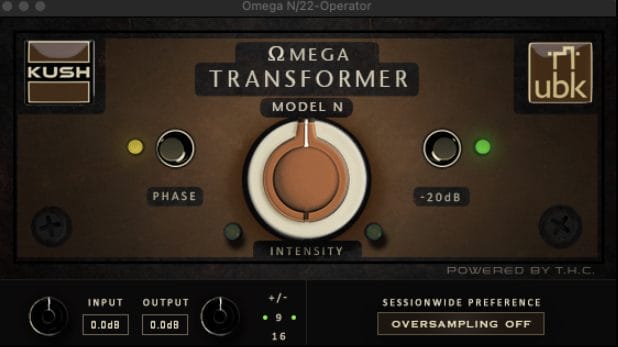
The Kush Audio Omega Model N is a saturation plugin modelled after classic vintage Neve preamp transformers, and it’s one of those deceptively simple tools that does a lot with very little: just one Intensity knob, a phase flip, and a -20dB pad.
Under that minimal interface, it emulates the harmonic richness and natural compression of vintage transformer circuits, rounding off harsh digital edges and adding analogue weight and density. The harder you push, the darker and fuzzier it gets, but even at gentle settings, it leaves a real mark on the sound.
This versatile plugin sits in almost all my channels: main synths, kick, bass, drums, and anything I feel needs that extra push, richness or character. If your elements sound or feel too clean or too digital, this is probably the first thing I’d reach for. The trick with the Omega N is to use it gently, unless you’re looking for obvious distortion.
SSL And NLS Channel Strips
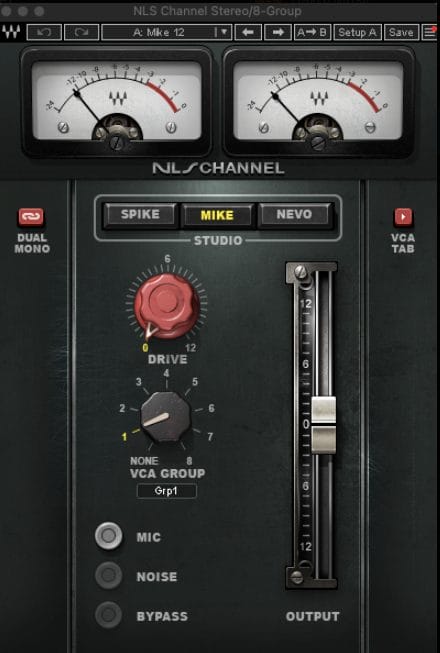
Another, let’s say, “secret sauce” in my workflow is combining the SSL E-Channel with the NLS Channel. The SSL E-Channel emulates the legendary SSL 4000 E Series console, whose sound helped shape countless records by artists such as 2Pac, Dr Dre, Snoop Dogg, Madonna, Oasis and U2, and it’s also the desk I learned on during my university studies.
The NLS Channel models the actual circuit behaviour of three famous console channels: Neve 5116s, EMI G12345 from the garage of Abbey Road Studios and SSL 4000G, adding analogue warmth, harmonic complexity, and that analogue summing flavour.
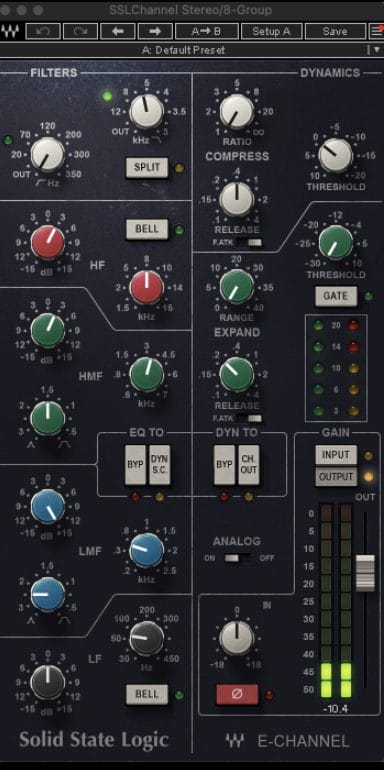
If I ever need to reach for an EQ, the SSL channel strip is my go-to. I use it to enhance the high frequencies, scoop the low-mids where the mud usually sits, and manage the sub-bass with the low band. The NLS works similarly to the Omega N, but adds warmth in a very subtle and different way; it’s not a dramatic effect, it’s more like a texture that makes the whole thing feel slightly lived-in and warm.
I started to realise that letting your sounds run through something that behaves like a console definitely gives something extra. And the SSL E-Channel taught me that not seeing the frequency spectrum while you EQ, unlike any modern EQ with a spectrum analyser, is actually the best ear training you can have.
Ableton Ping Pong Delay

One last thing I can’t leave out is Ableton’s stock Ping Pong Delay; it’s definitely what gives the main synth its movement and engagement. I use it not just on the main synths but also across other synth layers, some drums and percussion too.
Hot Takes
Hot Take #1: Everyone is fighting for attention, but I’d rather spend my time making records worth remembering. Real music isn’t judged by appearances or status; it’s recognised by those who truly listen.
Hot Take #2: A great mix won’t save a weak idea, even though it can elevate a great one. Try to write a record with character first, then worry about making it louder or “perfect.”
Hot Take #3: Stop obsessing over monthly listeners; just be obsessed over your craft. Numbers come and go, but great records forever sound great.
Hot Take #4: Never be afraid to explore new horizons. Stay aware of what’s happening around you, but don’t let it confuse your own vision. Create to fulfil yourself first and what you are happy with, not what’s popular today, unless it truly feels like you.
Hot Take #5: I truly respect innovation and how music evolves. But there’s a thin line between pushing boundaries and losing the plot. Innovating while still honouring the culture that gave birth to this music is one of the most genuine things an artist can do.

Will Vance is a professional music producer who has been involved in the industry for the better part of a decade and has been the managing editor at Magnetic Magazine since mid-2022. In that time period, he has published thousands of articles on music production, industry think pieces and educational articles about the music industry. Over the last decade as a professional music producer, Will Vance has also ran multiple successful and highly respected record labels in the industry, including Where The Heart Is Records as well as having launched a new label with a focus on community through Magnetic Magazine. When not running these labels or producing his own music, Vance is likely writing for other top industry sites like Waves or the Hyperbits Masterclass or working on his upcoming book on mindfulness in music production. On the rare chance he's not thinking about music production, he's probably running a game of Dungeons and Dragons with his friends which he has been the dungeon master for for many years.