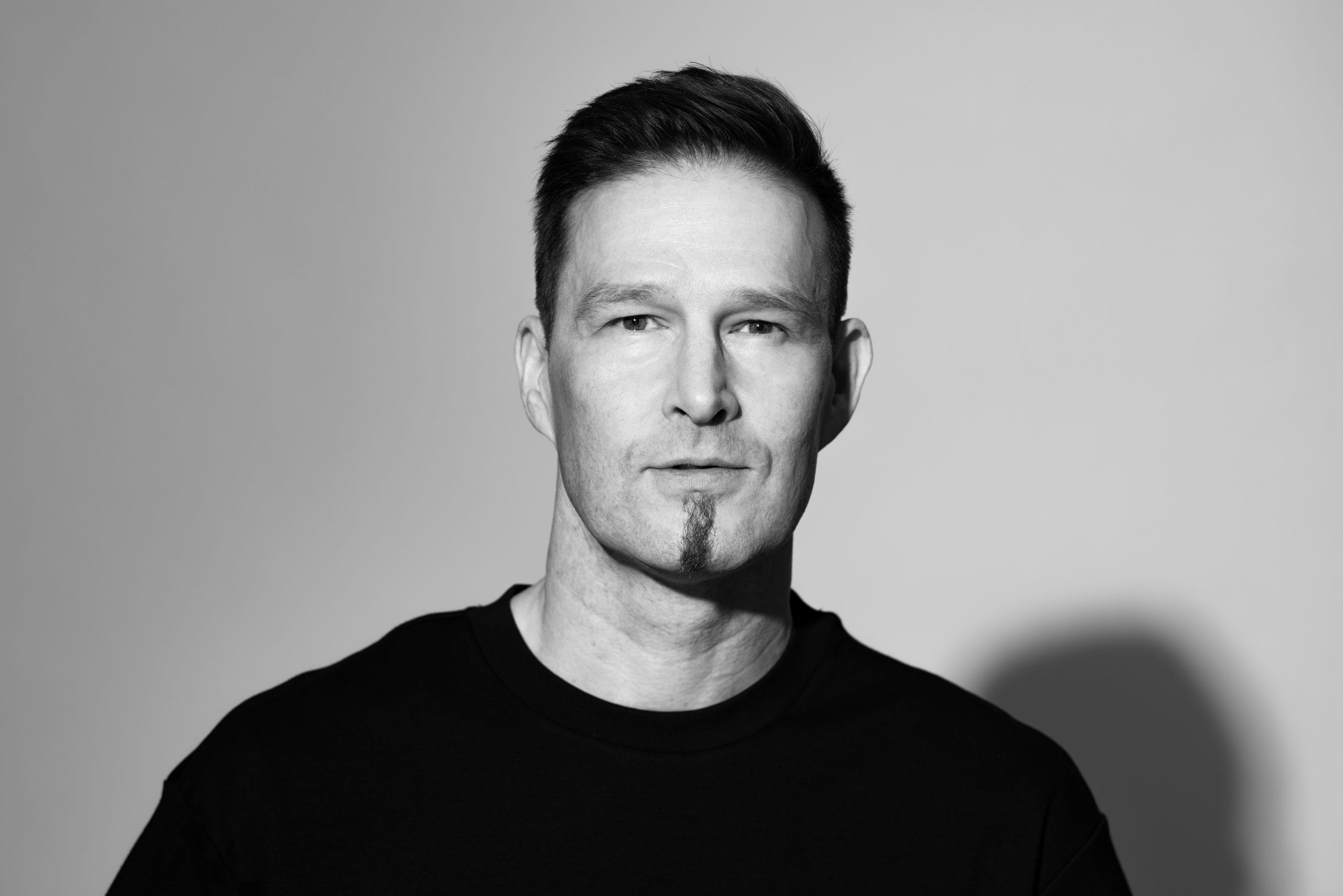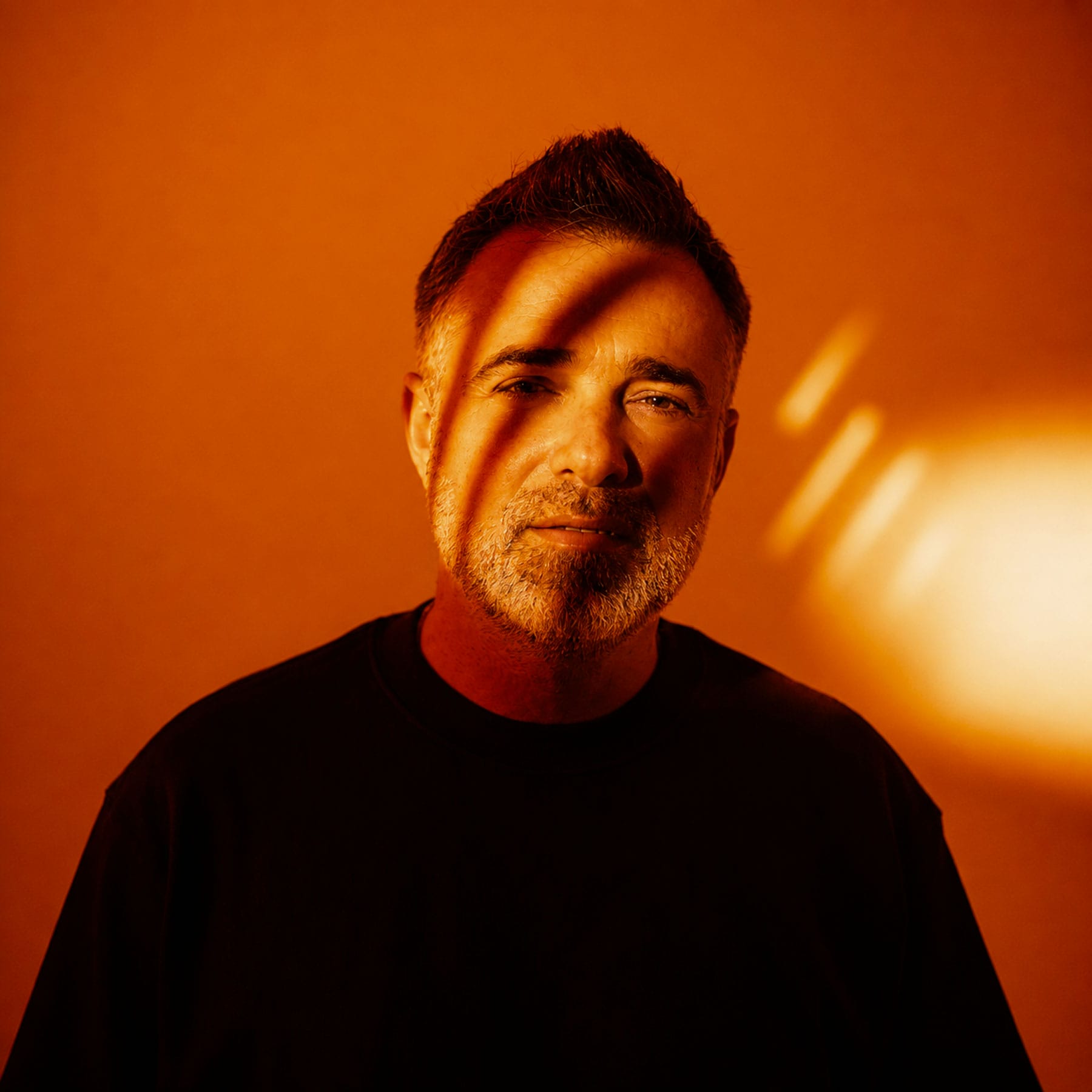
Delon gives us a breakdown from his punchy new album project
For over two decades, DELON has stood as a central pillar of the French electronic music scene, commanding respect for his unique ability to bridge the gap between discerning club audiences and wider dancefloors. As the founder of the iconic Apéro Techno movement and the manager of the Way Of House label, his career is defined by vibrant Mediterranean energy and a steadfast commitment to musical credibility.
With his latest album, TRACES, DELON embarks on his most personal creative journey yet. Moving beyond simple rhythm, the album captures a complex sonic evolution that blends deep house, melodic, and afro influences into a cohesive, introspective experience. The project is rooted in the concept of “what remains” after experience—the raw emotions that endure long after a moment has passed. Featuring a global roster of collaborators, TRACES offers a sound that is simultaneously inward and solar, characterized by Balearic warmth and a subtle, timeless melancholy. In this interview, we sit down with DELON to discuss the philosophy behind his new work, his twenty-year evolution in the South of France, and how he continues to shape the future of electronic music.
We spoke to the visionary, label owner and international touring DJ about his production process as he took us through a new album track “No ID How ID it”
Introduction
“This track is a bit special for me because it’s the first one on the album that I mixed completely by myself. Usually, I work with Wielki on the mix, but this time I wanted to understand every detail and push myself further technically.
The track started with a simple bassline, then I built the groove, the toms, the piano chords and finally the melodic layers around it. It definitely took me more time than usual, but I learned a lot in the process. The final master was done by Laurent Schark.”
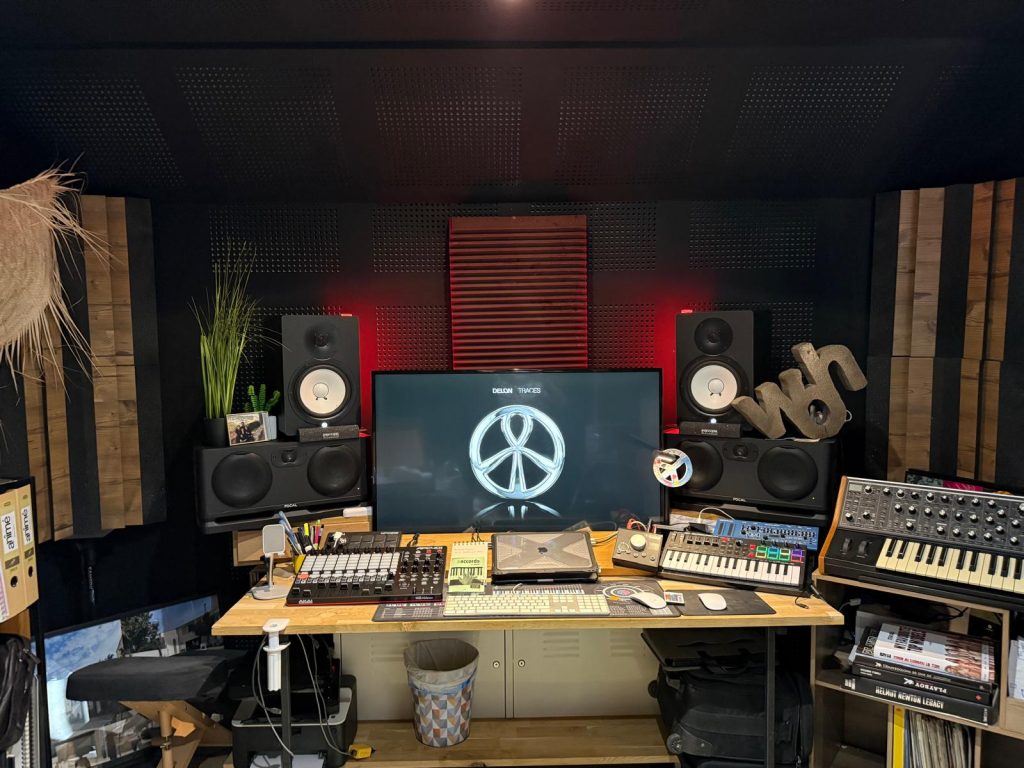
Main Synth: Moog Sub 37
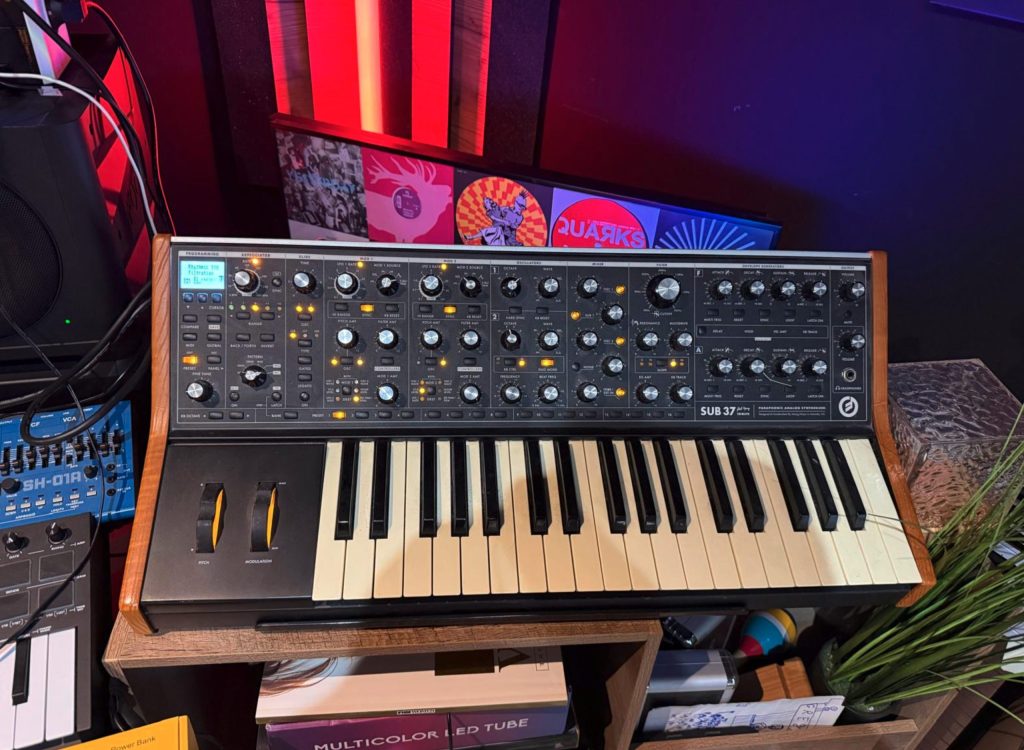
What It Is
The Moog Sub 37 is one of my favorite synths for basslines. It has that warm, classic analog character that immediately feels alive in a track.
How I Used It On This Track
The whole track started with the bassline from the Sub 37. Nothing complicated at all, just a classic Moog sound with a bit of cutoff movement. Once I had the groove working, everything else naturally came around it.
Tips For Other Producers
Don’t overcomplicate your bass sounds. Sometimes a simple patch with the right groove does more than a huge chain of plugins.
Instrument #1: Arturia Analog Lab
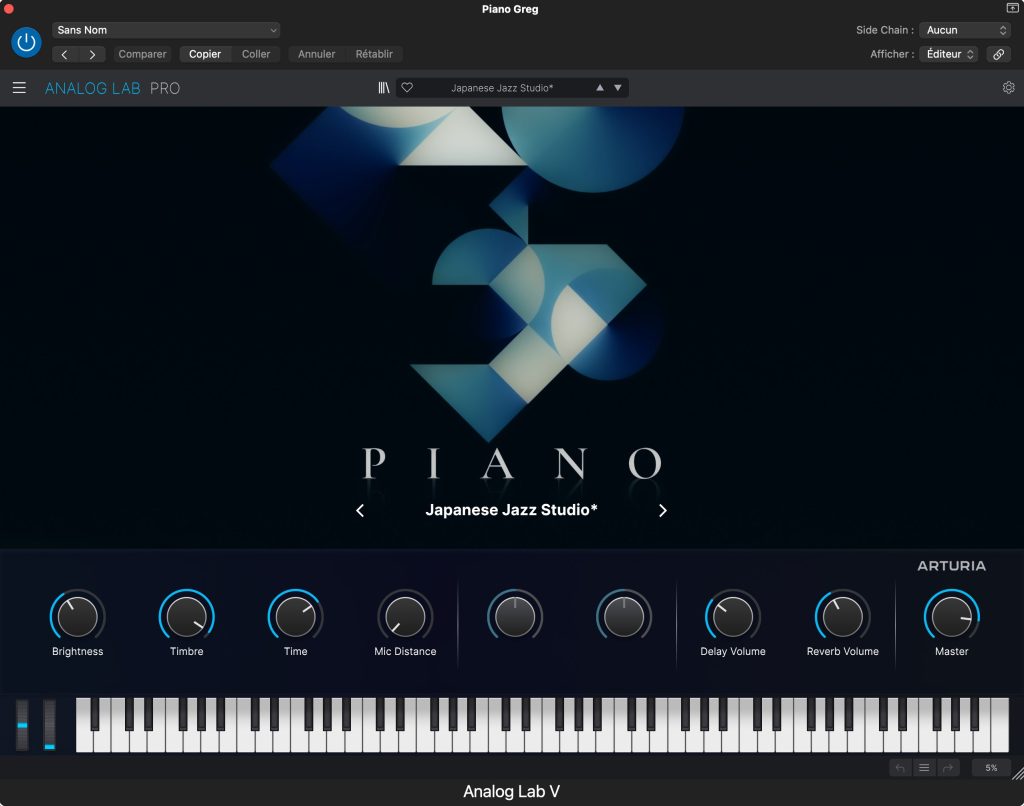
What It Is
Analog Lab is probably one of the plugins I use the most. It gives access to a huge collection of sounds and lets me find ideas very quickly without spending hours designing sounds.
How I Used It On This Track
The main piano comes from Analog Lab using the Japanese Jazz Studio Piano preset. I’m not really a piano player, so I built the chord progression from a chord chart and a lot of trial and error.
Honestly, I probably spent three hours finding a few simple chords. But sometimes that’s exactly when the magic happens. The piano became the emotional center of the track.
Tips For Other Producers
You don’t need to be a great musician to write emotional music. Sometimes patience and experimentation will get you further than theory.
Plugin #1: Waves SSL E-Channel
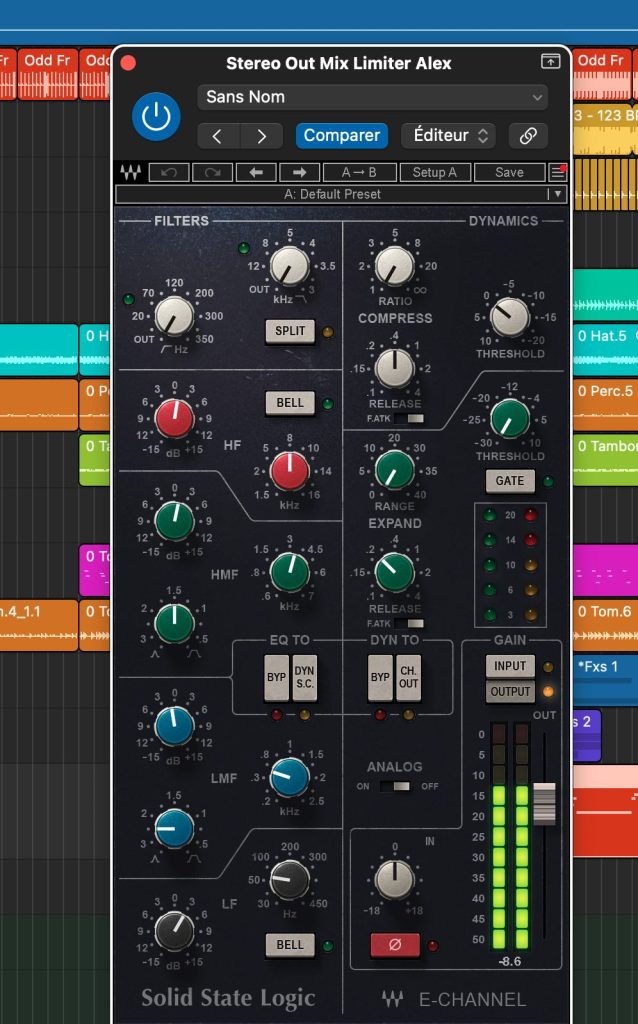
What It Is
The SSL Channel has been part of my workflow for years. EQ, compression and filters all in one place. Simple, efficient and musical.
How I Used It On This Track
Because this was the first track I mixed entirely by myself, I spent a lot of time on the SSL Channel. I was obsessed with making sure every sound had its own place in the mix.
Most of the work wasn’t spectacular. Just small EQ moves, compression and filtering to create space between the instruments. Looking back, I probably learned more on this track than on many productions before.
Tips For Other Producers
Before adding more plugins, make sure every sound already has its own place in the frequency spectrum.
Plugin #2: Kickstart 2
What It Is
Kickstart 2 is one of those plugins that does a simple job really well. It creates movement and space in a mix without having to spend time setting up complicated sidechains.
How I Used It On This Track
I used Kickstart 2 on several tracks with different intensity settings depending on the instrument. I don’t like obvious pumping effects, so the goal was simply to create breathing and movement.
Most people probably won’t notice it when listening, but if I remove it, the track instantly feels flatter.
Tips For Other Producers
The best sidechain effect is often the one you don’t really notice.
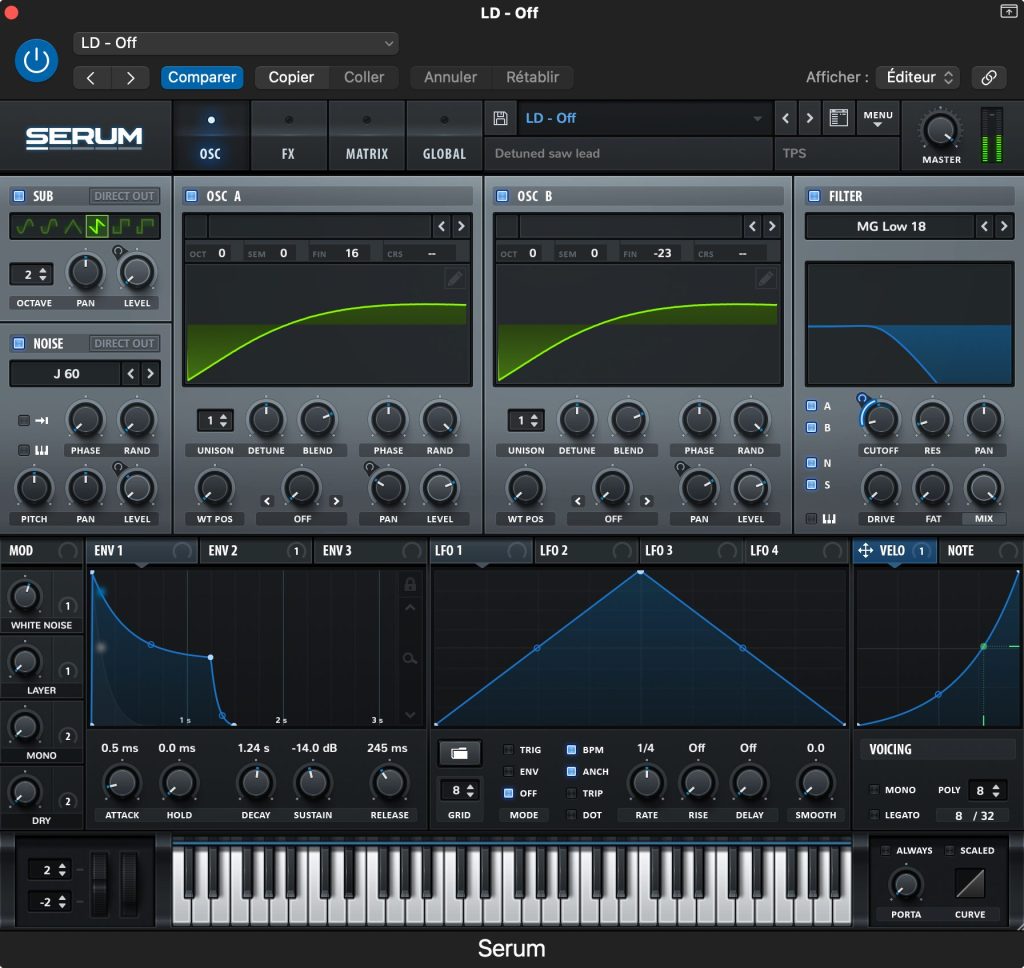
Plugin #3: Serum
What It Is
I think most producers know Serum at this point. It’s incredibly flexible and I use it for much more than leads or basses.
How I Used It On This Track
Serum was used for the main arpeggios and also for some electronic tom sounds. I created two separate arpeggio tracks and routed them into a Logic Track Stack so they could work as a single instrument.
On that bus, I added a little saturation and a touch of Kickstart 2 to give the whole thing more movement. Those arp layers ended up becoming a big part of the atmosphere of the track.
Tips For Other Producers
Try using Serum for percussion and textures, not just synth lines. That’s often where the interesting stuff happens.
Quick Fire Tips
Tip #1
I use a lot of automation. Filters, reverbs, delays, volume… I’d rather automate a sound than throw in another transition effect.
Tip #2
Color-code your projects. It sounds boring, but it makes navigating a session much faster and keeps me focused.
Tip #3
On this track, I had a subtle atmospheric texture running from beginning to end. You barely hear it, but it adds warmth and helps glue everything together.
Tip #4
If a track isn’t happening, don’t force it. Open a new project and come back later. Fresh ears solve a lot of problems.
Tip #5
Even if you’re not a pianist, try writing your own chords instead of using MIDI packs. It’ll usually sound more personal and more unique.