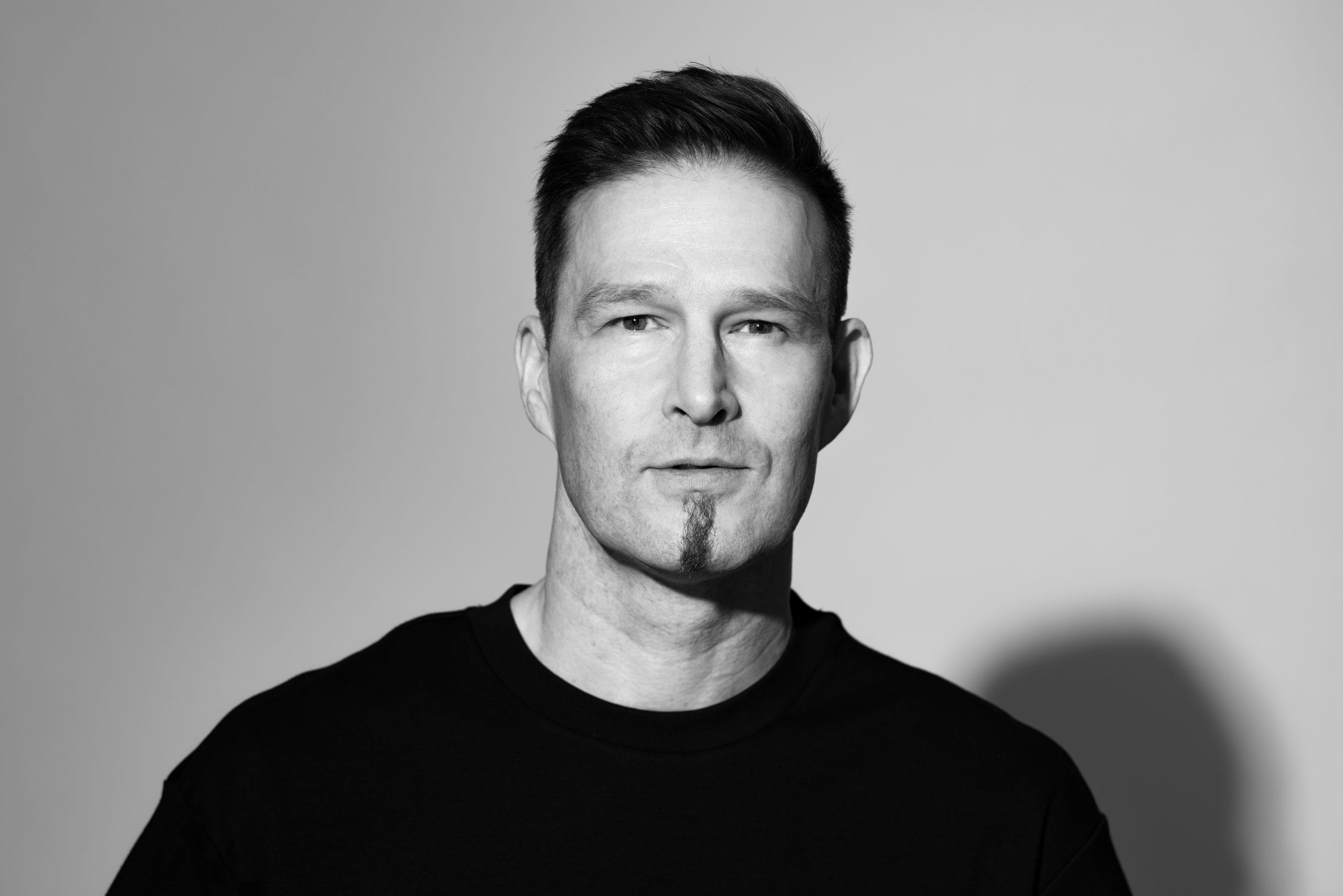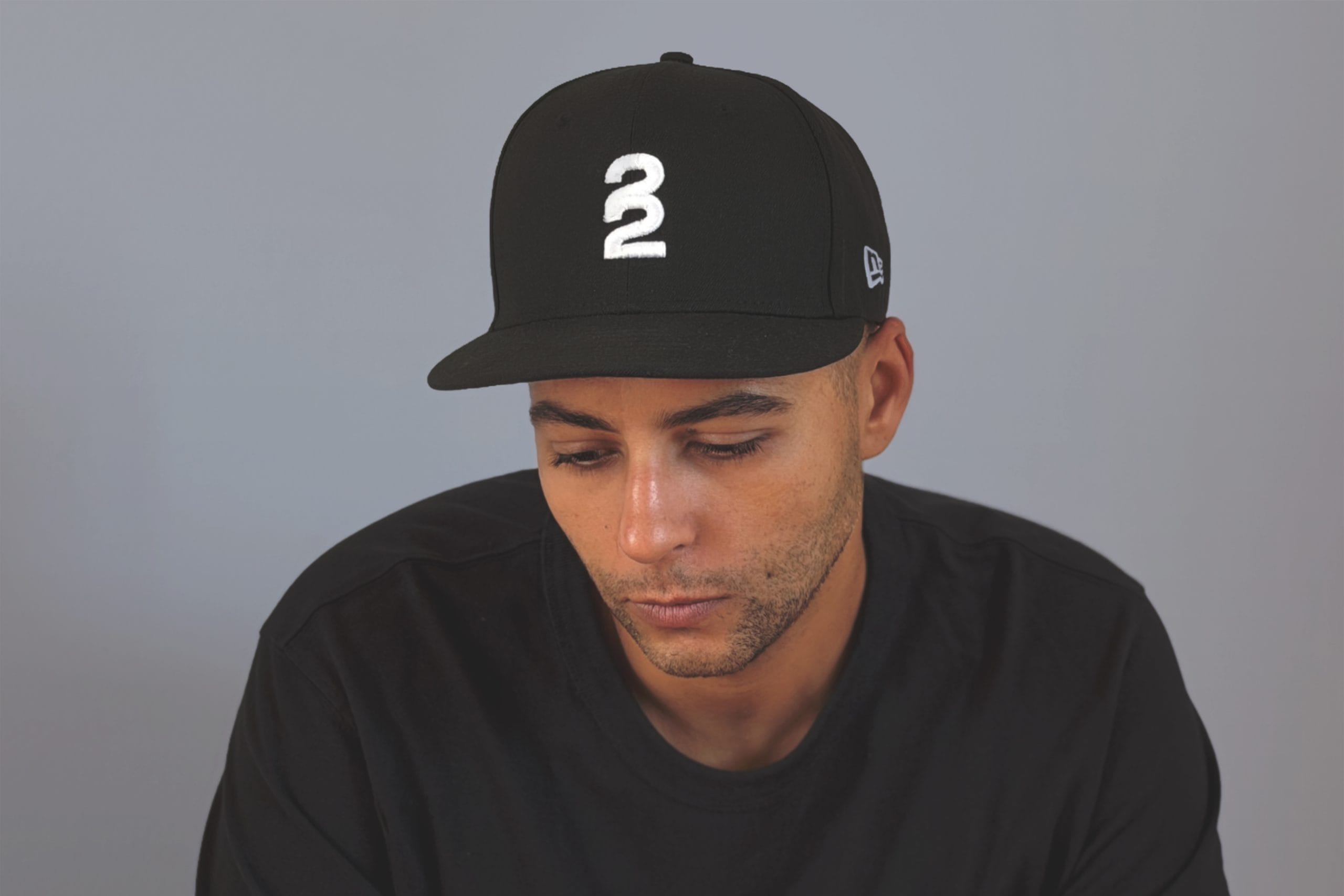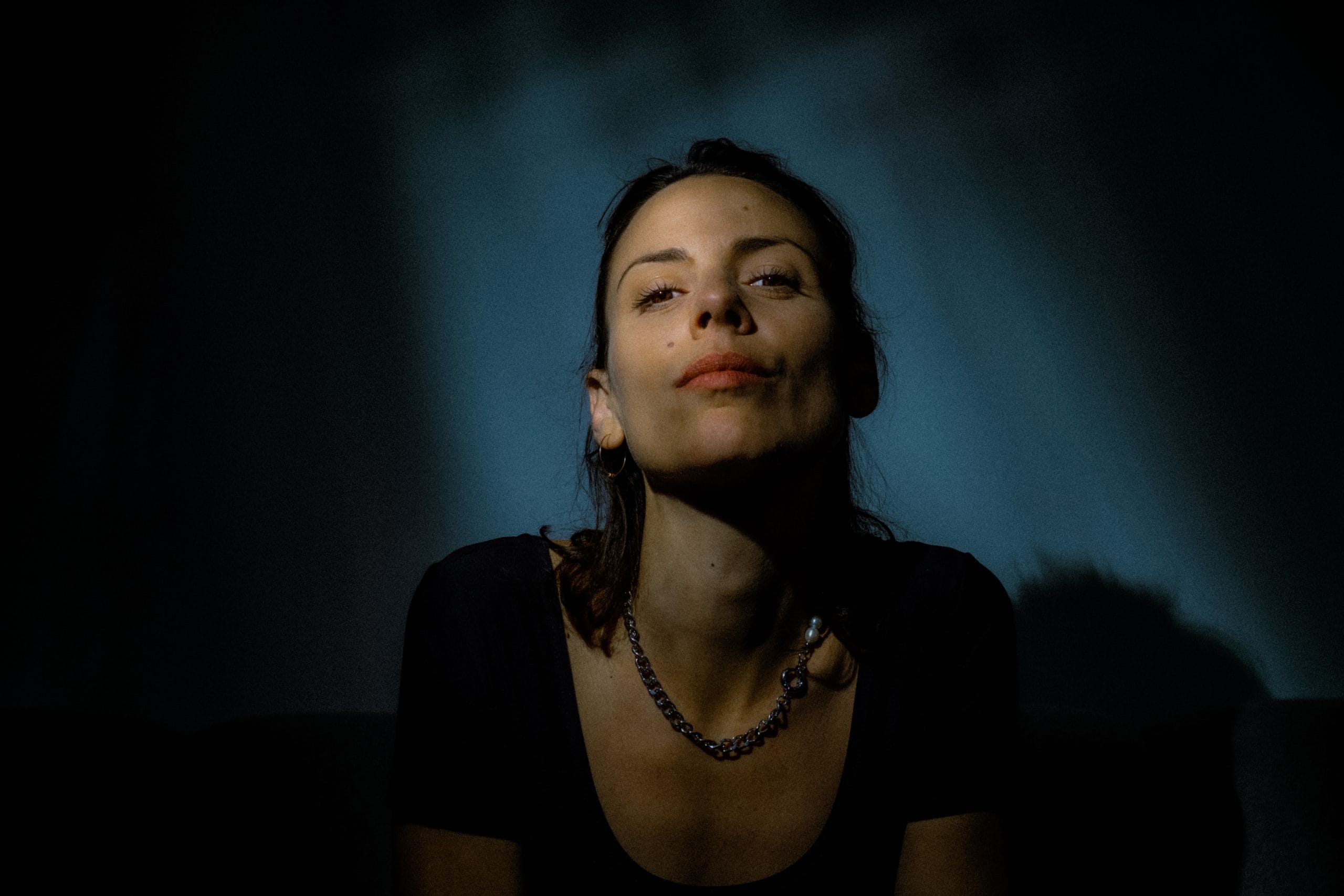
Marina Trench (@marinatrenchmusic) appears on Pont Neuf 10 Years – In House We Trust with “Synaptic Ctrl,” a hypnotic contribution to the Paris label’s anniversary compilation out September 4. The project brings together Black Loops, Demuja, Dylan Dylan, Goldie B, KX9000, Mad Rey, Maison Blanche, Marina Trench, Mira Ló, Naajet, THEOS, and Tour-Maubourg, framing a decade of Pont Neuf around deep house, soulful texture, UK influence, disco heritage, and forward-facing club music.
The compilation lands as both a retrospective and a statement of where the label is still headed.
Founded in 2016, Pont Neuf has become one of the clearest reference points for the new French house movement, building its catalog alongside events at clubs and spaces including Rex Club, Concrete, Djoon, Badaboum, Virage, Jazz Café, Renate, Kater Blau, Sisyphos, and Elrow. In House We Trust carries that history into a 12-track release built around warmth, emotion, and dancefloor function.
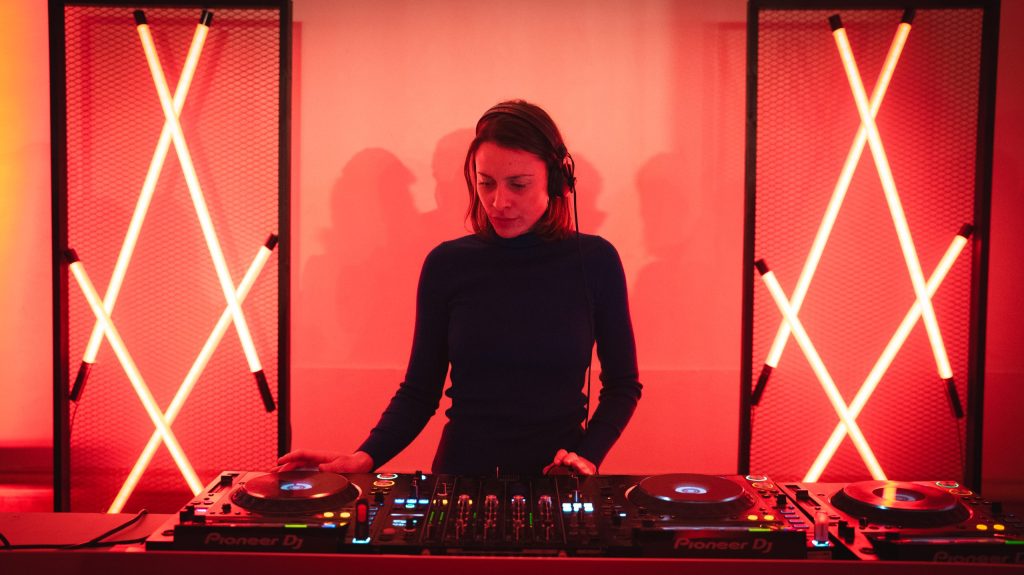
Marina Trench’s interview gets at a different side of that same house lineage. She talks about staying present in high-energy rooms, resisting the urge to match intensity too quickly, trusting personal records when the crowd expects something else, and treating authenticity as something developed over time rather than performed for attention.
For an artist contributing to a compilation about a label’s first decade, her answers make a clean case for patience, restraint, and emotional sincerity as real club tools.
Interview With Marina Trench
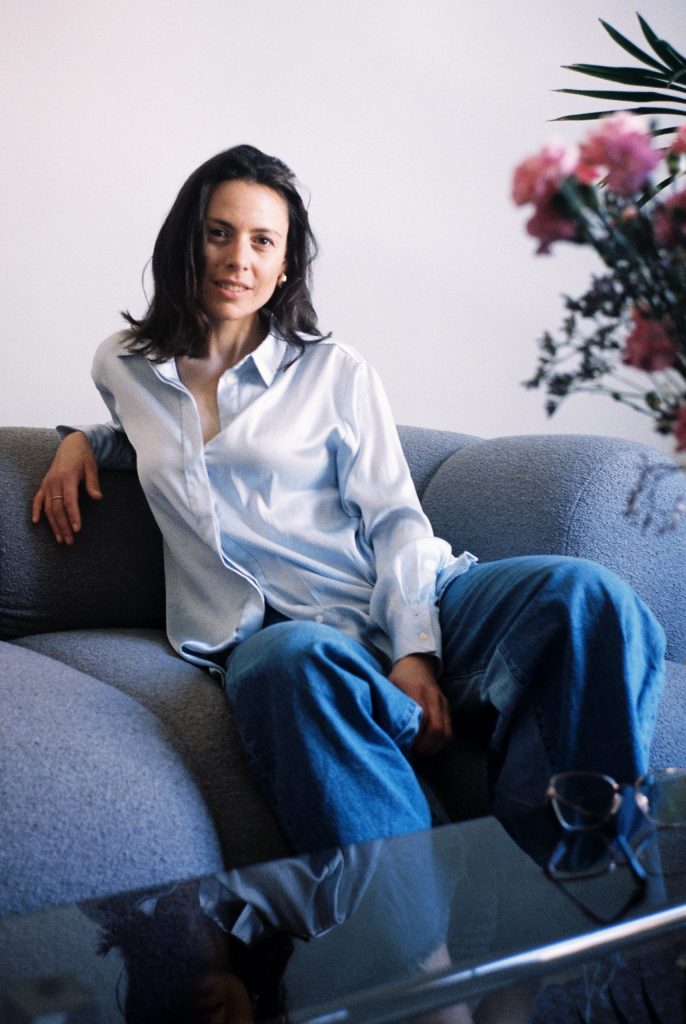
What helps you stay grounded and connected to yourself while performing in high-energy environments?
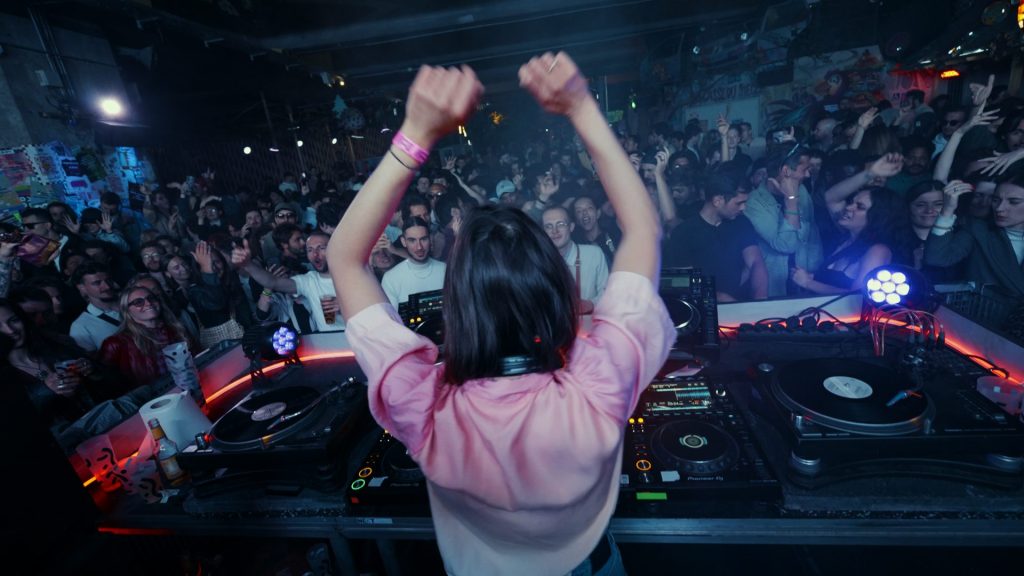
Naturally, my attention always goes to the music.
I think that’s what keeps me grounded the most when I’m playing. As long as I’m really listening to the music, I stay connected to myself instead of getting carried away by the energy around me. I enjoy high-energy environments, but I never feel the need to match that intensity straight away. I like starting a set with intention and restraint, then gradually building it until it reaches a more intense place. If the energy is already very high from the beginning, I’ll often bring it down first. It helps me reconnect with my own instincts and rebuild the tension step by step, so the journey feels natural and every peak has a purpose.
Have you ever looked back on a set and realized you felt totally disconnected during it?
Not really, no. If anything, it’s more something I worry about beforehand, especially when I’ve got several gigs in a row. I can feel tired and wonder whether I’ll be fully present, or if I’ll have enough energy to really connect with what’s happening in the room. But quite often, those end up being some of my favourite sets. I think that kind of tiredness can bring a certain sense of letting go.
You stop overthinking, trust your instincts a bit more, and somehow that creates an even stronger connection with the music and the crowd.

How do you navigate the balance between giving the crowd what they want and staying true to your style?
I think it’s something that comes with experience.
Over time, you develop the confidence to shape a set on your own terms rather than reacting to every expectation in the room. It can be tempting to give people exactly what they’re looking for, especially when the energy is already there. But if you constantly follow that path, you risk losing your own voice.
For me, the most meaningful moments happen when I trust my taste and invite the crowd into my world, rather than trying to please everyone all the time.
That’s how a genuine connection and exchange can happen with the crowd, at least in my experience.
What does “authenticity” mean to you when you’re DJing, and how do you protect it?
I really appreciate you bringing up this point, especially at a time when social media can sometimes saturate the way we perceive things and even influence how we present ourselves.
To me, authenticity comes with the journey. It’s something that develops over time, with experiences, and with respect for what came before while also celebrating where we want to go in the future. Being authentic in a mix is also about approaching it with sincerity, sharing a part of your sensitivity, your emotions, and your desire to connect with others using music. I try to protect that by putting a lot of heart into what I do.
I believe that when you approach things in this way, it never leads you in the wrong direction.
Are there signals or moments in a set that help you feel like you again when you’ve drifted?
Sometimes it can happen that I hesitate about which direction to take, that I suddenly feel less connected with the crowd, or that technical issues create a moment of disruption.
My reaction is to accept that uncertainty rather than fight against it. I try to adapt the way I approach the situation, stay flexible, and allow those moments of doubt to pass, and usually, they pass quite quickly.
I always keep the same intention: creating a moment where everyone can enjoy themselves and share something together.
How do you recalibrate when a crowd expects one thing and you’re feeling another?
When I feel a gap between what the crowd might be expecting and where I naturally want to go, I don’t hesitate to play certain tracks that are deeply personal to me, the ones that represent what I truly love. Those records reconnect me with something very instinctive and emotional. I think the crowd can immediately feel when you’re genuinely enjoying what you’re playing.
That energy is difficult to fake, and when you fully believe in the moment you’re creating, people naturally connect with it and come along with you.
Has performing ever taught you something unexpected about yourself?
I’ve actually learned a lot about myself from performing.
It feels like a continuous process of getting to know yourself better, and I find that process really beautiful and unique. One thing that surprised me is that, in everyday life, I’m not always very comfortable speaking in front of a crowd or being the centre of attention. But strangely, when I’m on stage, I feel completely at ease. I have no difficulty being in front of a room full of people, and I’m often very smiley, which I think reflects how genuinely comfortable and connected I feel in those moments.
Also, through playing all-night-long sets, I discovered that I have a lot of endurance. What surprised me is that it doesn’t feel like an effort; it feels natural, as if my body and mind are completely aligned with the music.
Closing Thoughts

Marina Trench’s answers get past the usual language around “reading the room” and into something more precise: the DJ is not only responding to energy, but deciding how much of that energy to accept at once. Her instinct to bring the room down before building it again says a lot about her sense of control. She is not trying to flatten the crowd’s excitement. She is giving it shape, which is usually the difference between a set that feels loud and a set that feels lived inside.
That makes her presence on In House We Trust feel especially apt. Pont Neuf’s anniversary compilation is about house music as a long-building culture rather than a single moment, and Marina’s answers follow the same logic. Magnetic already caught an earlier piece of her studio identity in its February 2022 house chart, where her remix of Felipe Gordon’s “Highly Corrosive Acid” was highlighted for how she added melody and her own vocal detail to an already acidic record.
That same ability to keep pressure human sits underneath the way she talks about DJing here.
Her comments on authenticity also sit close to the ideas in my interview with Anané on principle, independence, and self-definition. Both artists treat authenticity as a practice, not a fixed image. Marina’s version comes from sincerity in the mix: letting sensitivity, emotion, taste, and respect for the past show up inside a set without turning those things into a performance of depth. That distinction feels important now, when social media can make even vulnerability look like a strategy.
What stays with me most is her answer about playing personal records when the room wants something else. It echoes the lesson in Kevin Knapp’s interview on trusting the mix and building “Voice Notes” for the dancefloor: real connection usually appears when instinct has been trained enough to carry the set without constant second-guessing. Marina’s “Synaptic Ctrl” belongs inside that same idea.
The title almost reads like a metaphor for the interview itself: control, connection, sensation, and the quick mental recalibration needed to keep a room moving without losing yourself inside it.

Will Vance is a professional music producer who has been involved in the industry for the better part of a decade and has been the managing editor at Magnetic Magazine since mid-2022. In that time period, he has published thousands of articles on music production, industry think pieces and educational articles about the music industry. Over the last decade as a professional music producer, Will Vance has also ran multiple successful and highly respected record labels in the industry, including Where The Heart Is Records as well as having launched a new label with a focus on community through Magnetic Magazine. When not running these labels or producing his own music, Vance is likely writing for other top industry sites like Waves or the Hyperbits Masterclass or working on his upcoming book on mindfulness in music production. On the rare chance he's not thinking about music production, he's probably running a game of Dungeons and Dragons with his friends which he has been the dungeon master for for many years.