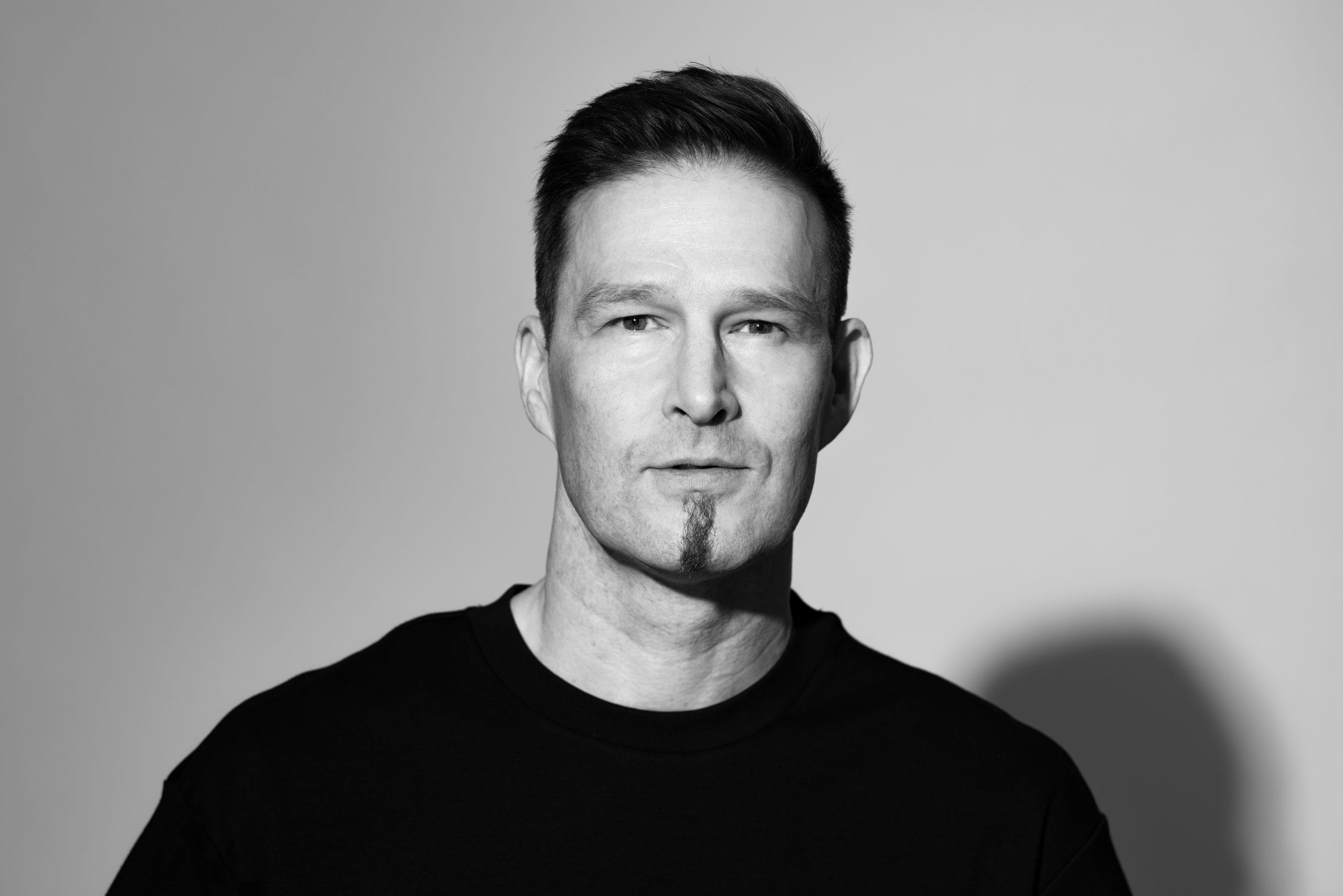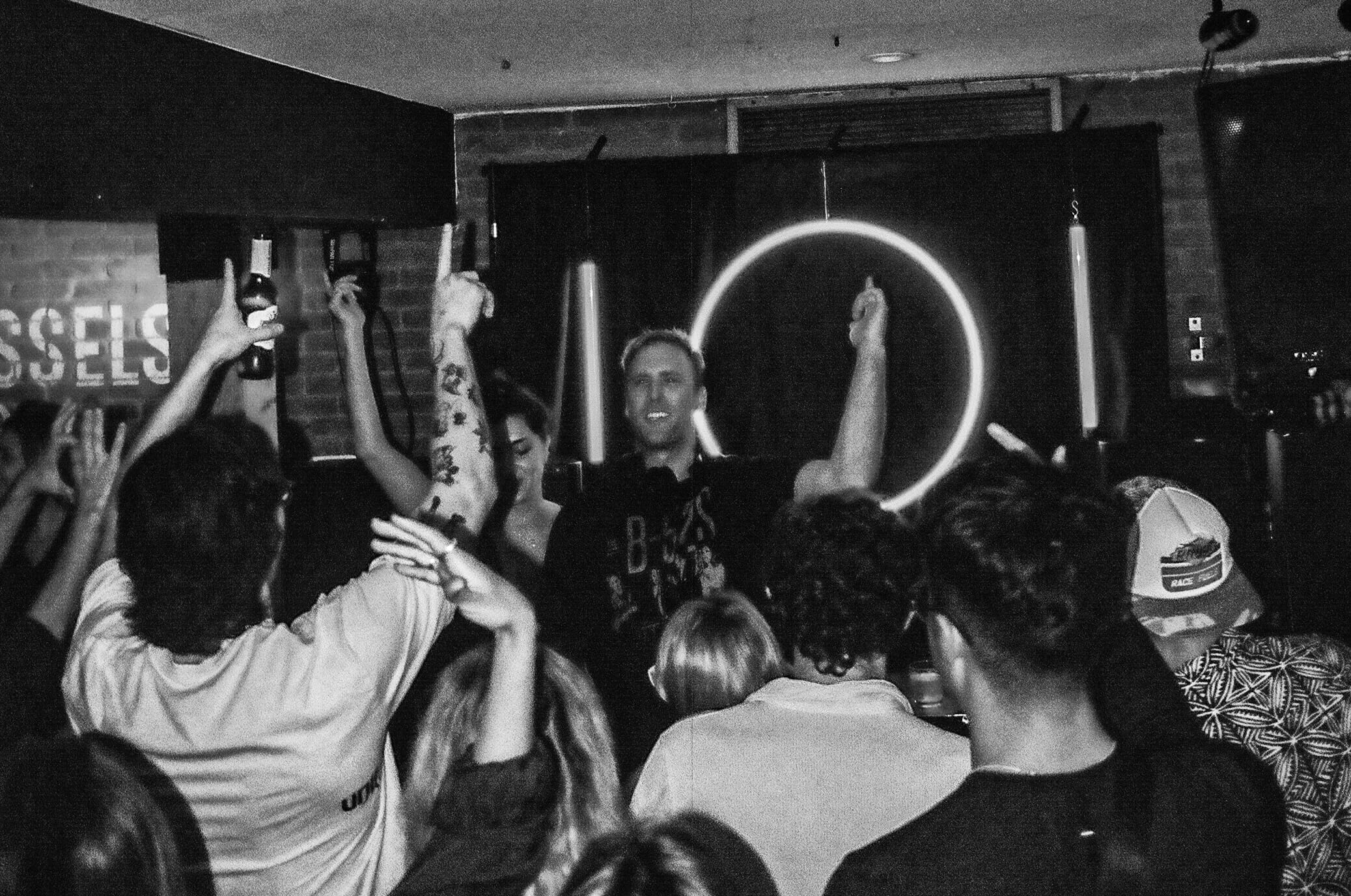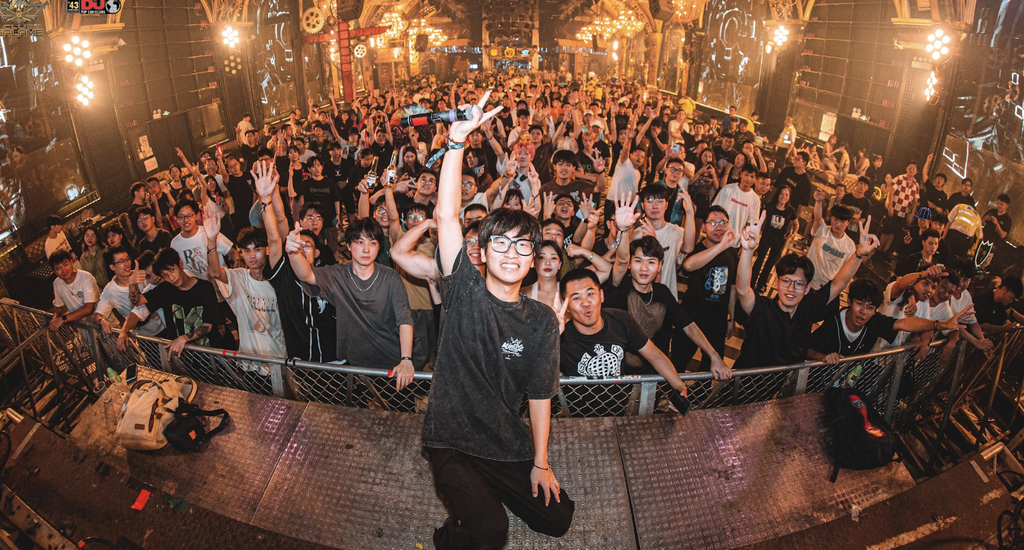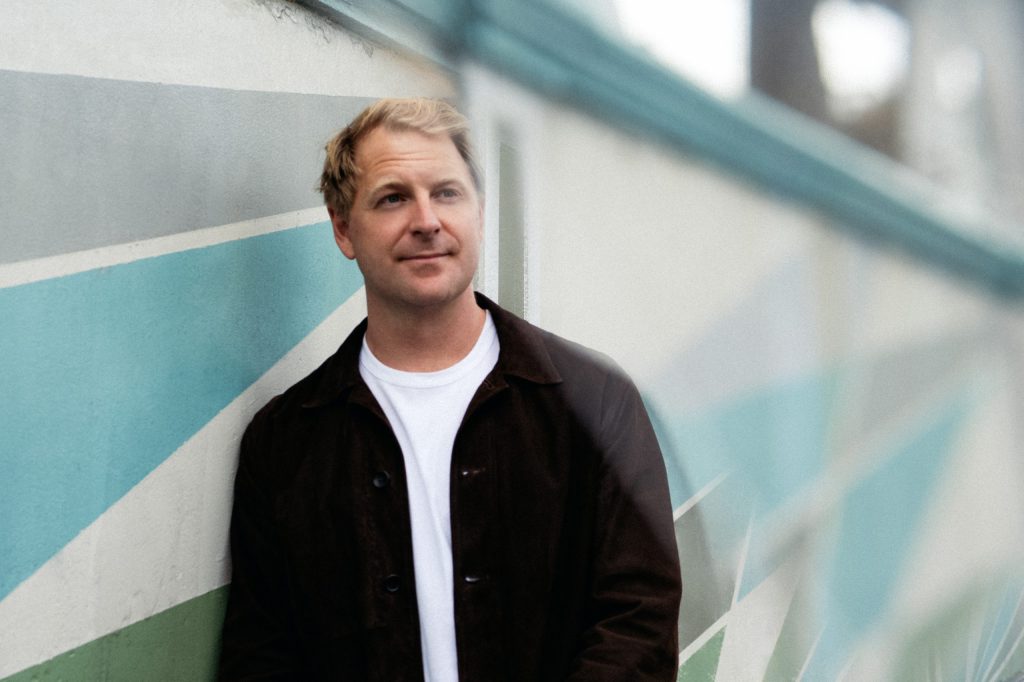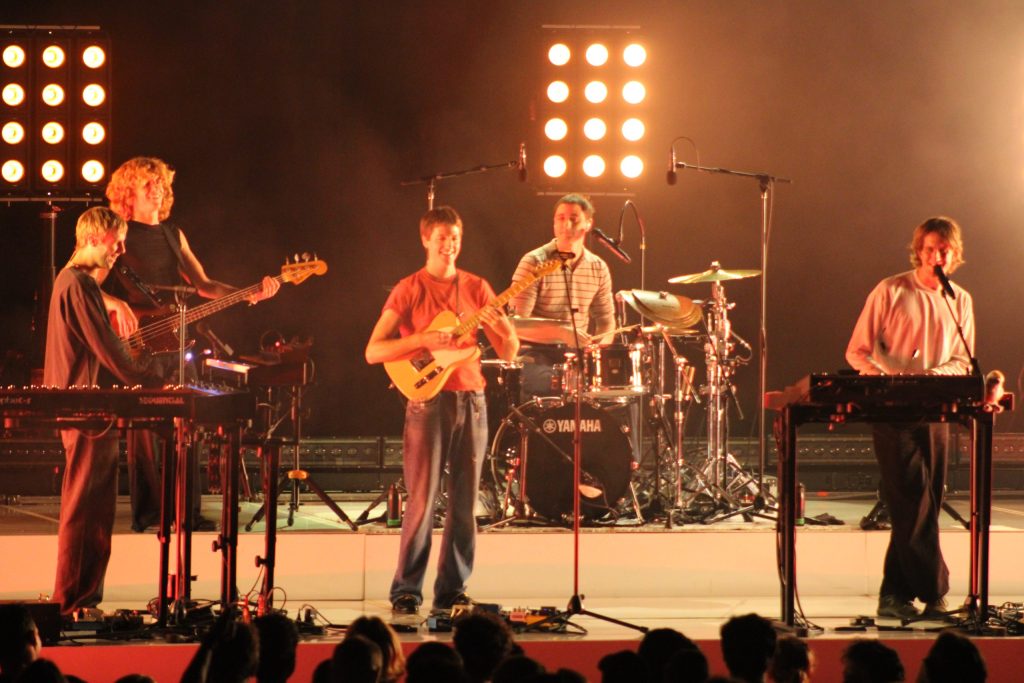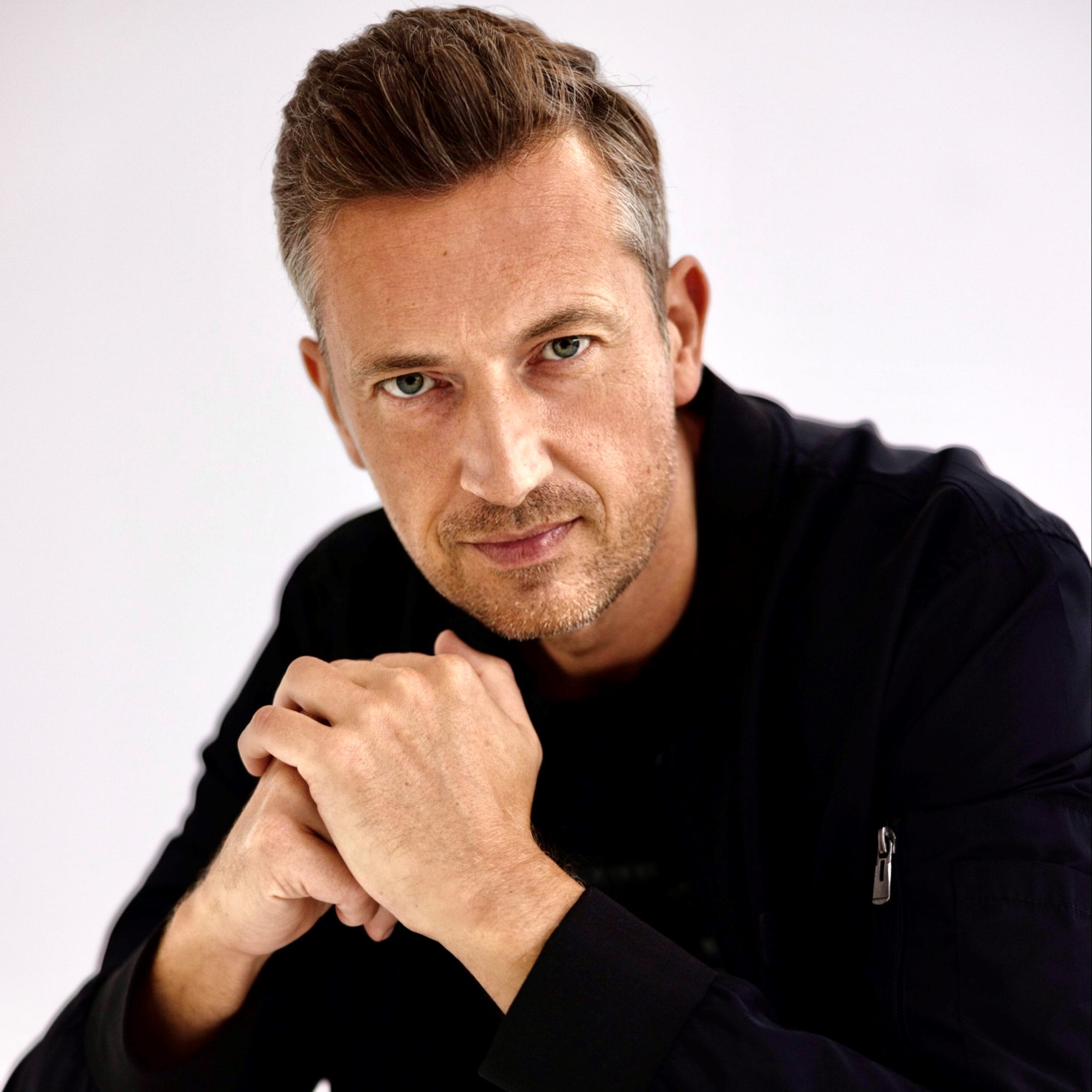
Frank Biazzi (@frankbiazzi) made his MOOD debut with Pulsion EP, arriving May 22, 2026 on Nicole Moudaber’s label. The Belgian techno producer has been active since the late 1990s, with long-running residencies at places like Lagoa and early support from Carl Cox, Dave Clarke, and Christian Smith around his track “Turbulence.”
After stepping away in 2004 due to tinnitus, he returned in 2014 and has since released on labels such as Intec, Tronic, and Suara.
Across “Feel The Pressure,” “Pulsion,” and “Relax,” Biazzi keeps the record focused on groove, warmth, and dancefloor pressure. “Feel The Pressure” works through cavernous bass, rolling drums, twitchy synths, texture, and whispered vocals. “Pulsion” pushes into heavier body-focused techno, while “Relax” closes the EP with rhythmic fundamentals, echoing claps, and a direct club function.
In the conversation below, Biazzi talks about staying true to his sound while still remaining bookable, building relevance through patience, and navigating pressure from lineups and trends. His answers come from an artist who has been through several eras of techno and still values identity, experience, and musical culture over short-term visibility.
For a release on MOOD, that perspective fits the record’s purpose: three tracks made for rooms where groove, energy, and control still lead the conversation.
Interview With Frank Biazzi
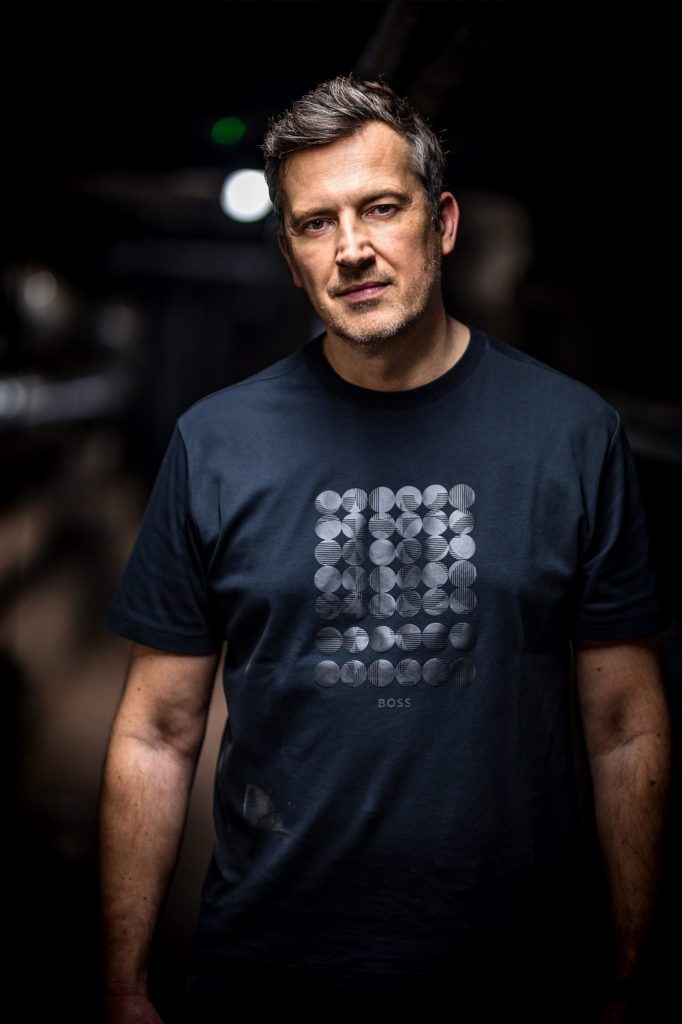
What has helped you stay true to your lane while still being someone promoters want to book?
I think what helped me the most was focusing on longevity instead of trends. I have always tried to build a musical identity that feels sincere and true to myself, instead of following whatever happens to be popular at a certain moment. Over time, people can feel what is authentic and made with real passion.
How do you approach building a brand or presence without feeling like you are chasing relevance?
I never really saw it as building a brand. For me, it is about creating trust through music, performances, and human connections built over the years.
I prefer to let the work speak for itself and allow things to evolve naturally. In the long run, authenticity has more value than visibility.
Have you felt pressure to change your style to fit a lineup or event? How did you respond?
Of course. There were periods when certain sounds or trends completely dominated the scene, and there is always some kind of external pressure that comes with that. I have never felt comfortable forcing myself to play something that did not truly represent who I am.
I am open to evolution and experimentation, and it has to happen naturally. I think people immediately feel when an artist genuinely loves the music they are playing, or when they are simply trying to fit into a mold.
What does long-term relevance look like to you beyond the current hype cycle?
For me, long-term relevance is built on honesty, consistency, and passion. Trends move quickly, and artists who stay connected to their identity while evolving naturally usually stand the test of time.
It is about creating moments, memories, and musical experiences that people still remember years later.
Can you think of an artist who is not trendy and still gets booked, and what do you think they are doing right?
There are many artists from older generations who continue to get booked because they built something timeless instead of trend-driven. Artists like Danny Tenaglia, Laurent Garnier, Dave Clarke, or Jeff Mills are great examples. They are respected for their musical knowledge, authenticity, and their ability to create a real arc through their sets.
I think what they do best is staying true to themselves while continuing to evolve without losing their essence.
Unfortunately nowadays, too many promoters sometimes prefer booking influencers with huge social media followings, despite having very little musical culture or real experience in music production, instead of experienced DJs who have dedicated their lives to music and the scene.
Do you believe your taste is something that can be explained, or does it speak for itself?
I think musical taste is difficult to fully explain because it is emotional and personal. Of course, influences, experiences, and culture all play a role, and in the end, music creates an emotion and speaks for itself.
How do you balance consistency with experimentation in the kinds of gigs you say yes to?
I think consistency comes from staying connected to your musical identity, while experimentation comes from exposing yourself to different environments and staying curious.
I enjoy playing different kinds of events because every crowd and every venue brings something new. At the same time, I always want people to recognize my musical style no matter the context.
For me, experimentation should enrich your identity, never replace it.

Will Vance is a professional music producer who has been involved in the industry for the better part of a decade and has been the managing editor at Magnetic Magazine since mid-2022. In that time period, he has published thousands of articles on music production, industry think pieces and educational articles about the music industry. Over the last decade as a professional music producer, Will Vance has also ran multiple successful and highly respected record labels in the industry, including Where The Heart Is Records as well as having launched a new label with a focus on community through Magnetic Magazine. When not running these labels or producing his own music, Vance is likely writing for other top industry sites like Waves or the Hyperbits Masterclass or working on his upcoming book on mindfulness in music production. On the rare chance he's not thinking about music production, he's probably running a game of Dungeons and Dragons with his friends which he has been the dungeon master for for many years.