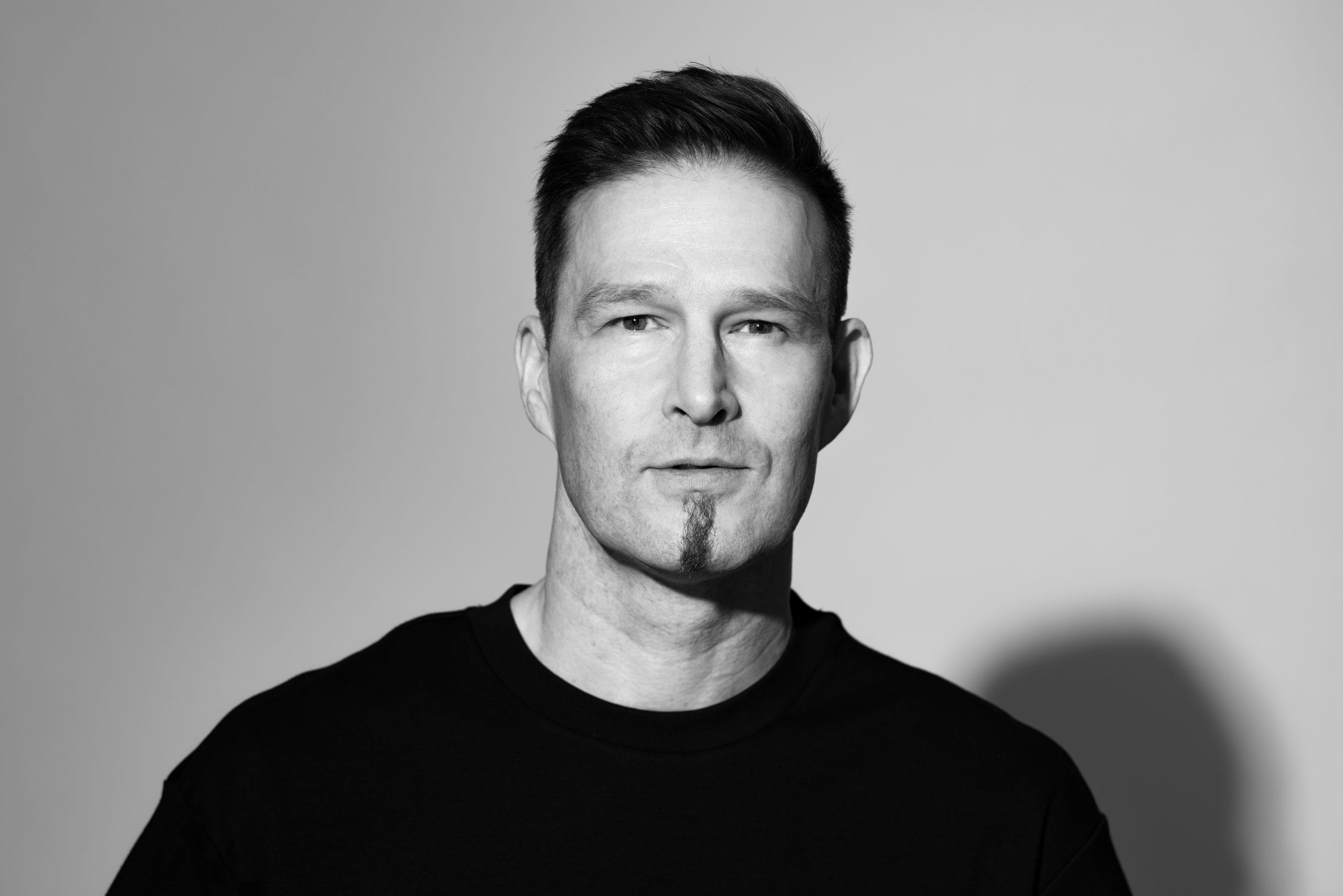
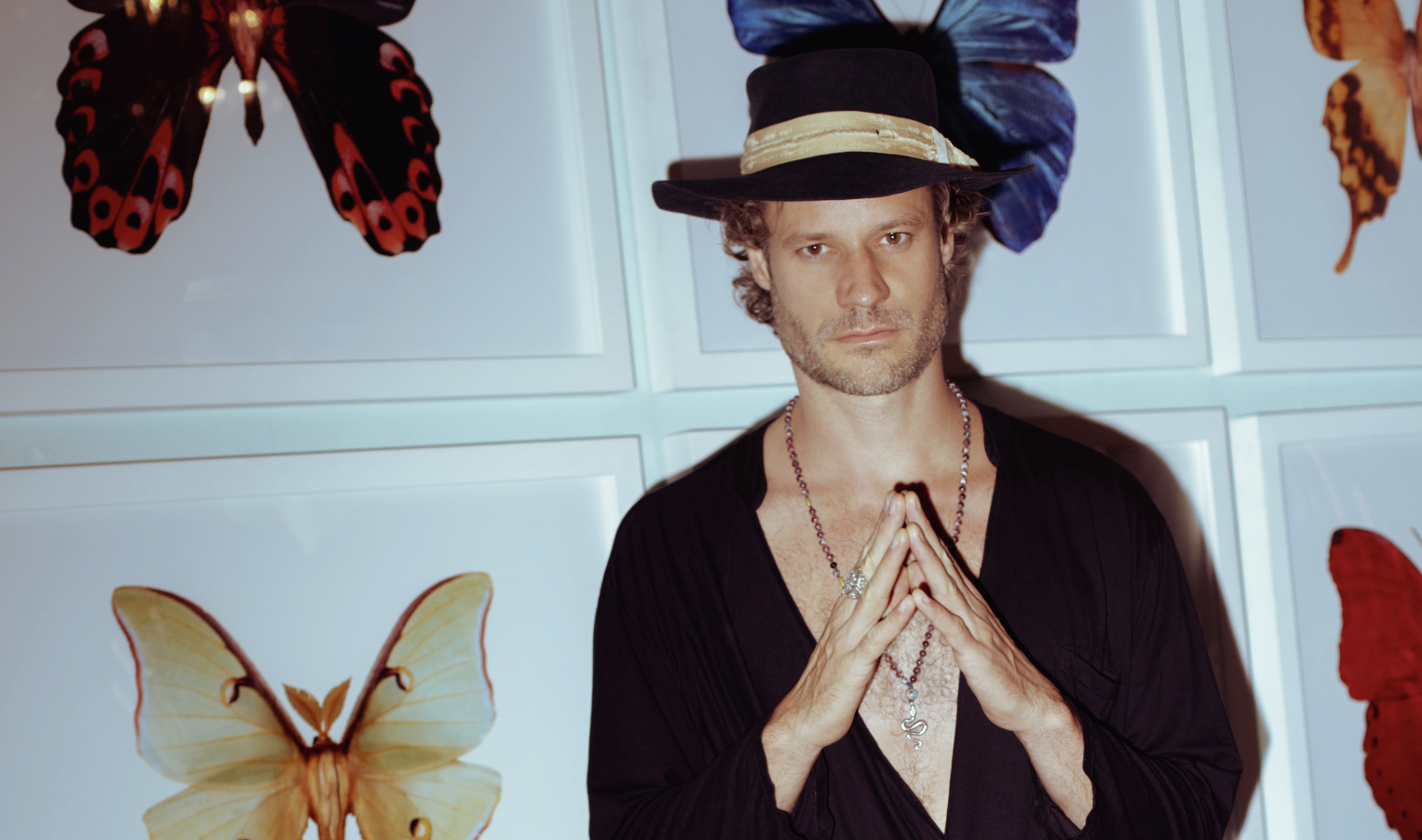
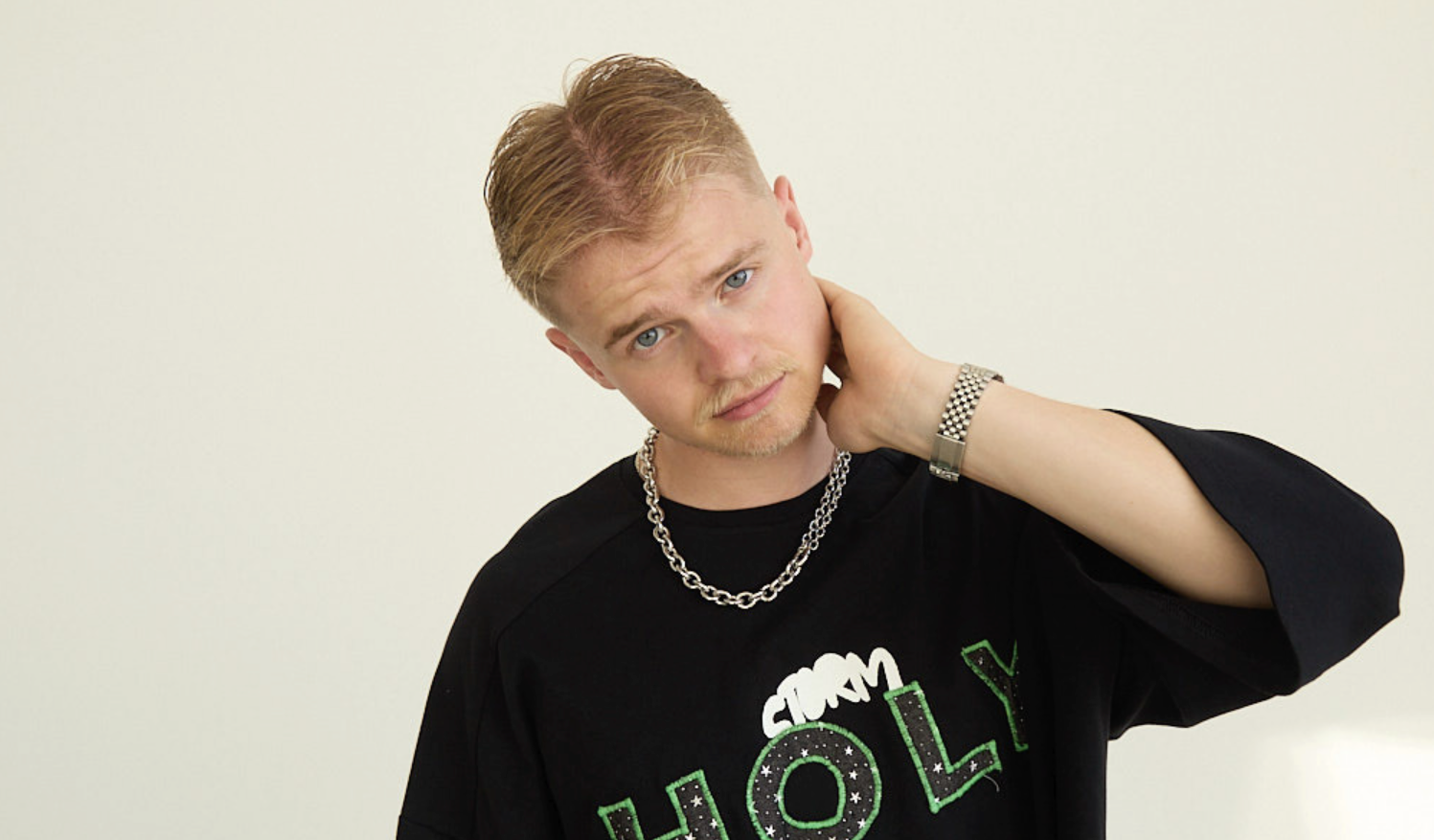
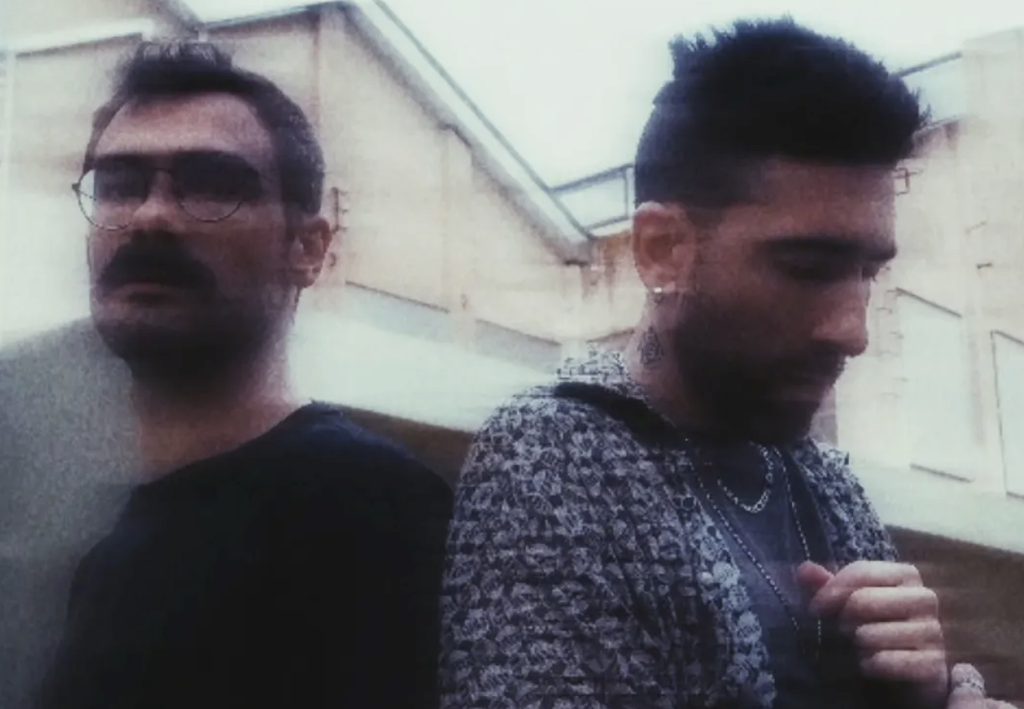
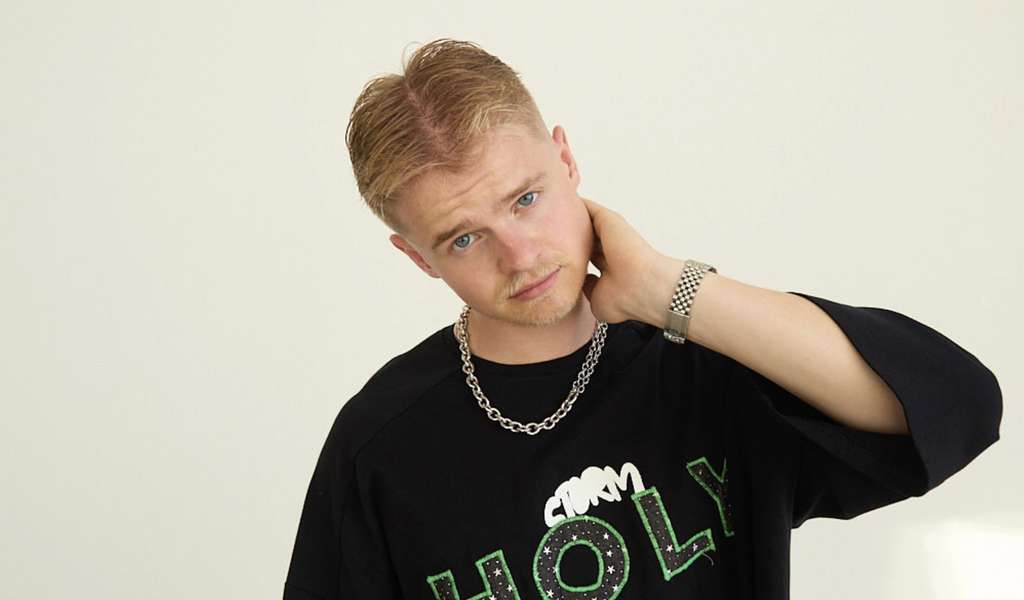
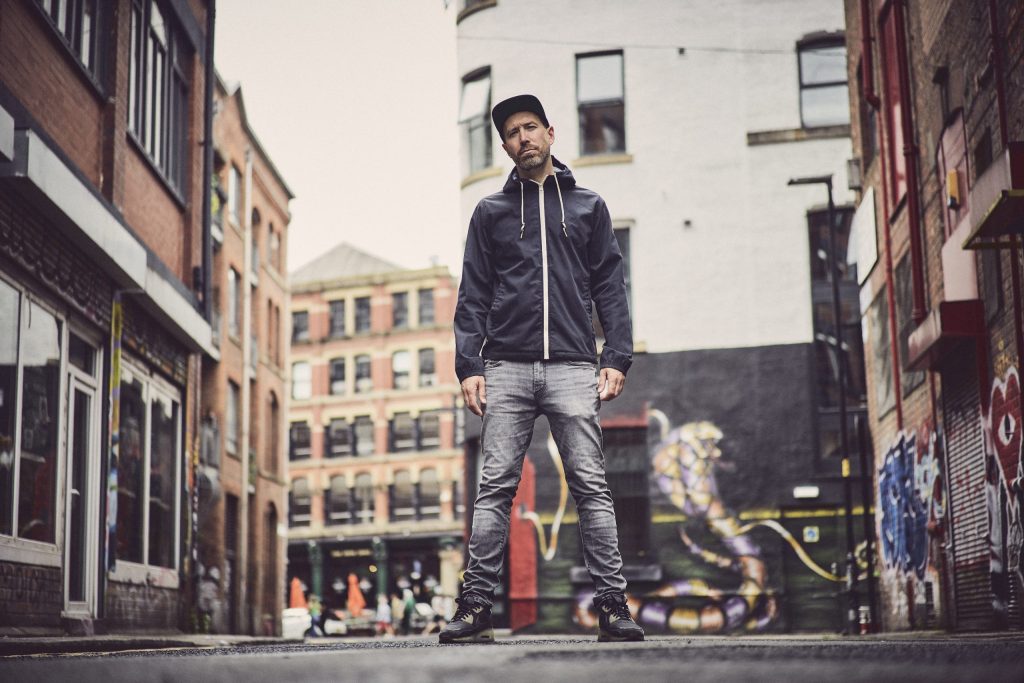
Eddie Leader (@eddieleader_) is celebrating 20 years of Hudd Traxx with a new compilation that brings together twenty all-new tracks from Chez Damier, Jovonn, Cinthie, Seven Davis Jr., DJ Sneak, and many others. The UK label has long been a trusted home for house music with a deep sense of identity, and this anniversary release shows how that identity still feels connected to both its history and its current community.
Hudd Traxx has maintained a clear underground house focus over two decades, with music from respected names including Nightmares on Wax and Matthew Herbert, while Leader’s own path has spanned DJing, production, collaboration, and long-term label work.
His early years in Huddersfield, the influence of Leeds club culture, the Fourth Wave record shop, and his work with Slum Science all laid the foundation for what eventually became Hudd Traxx.
In the conversation below, Leader talks about crews, local scenes, self-branding, vinyl culture, record shops, and what community in modern DJ culture means after nearly 20 years of running a label independently. His answers are grounded in lived experience, and they make a clear case for why scenes still matter, even when so much of music discovery, branding, and career-building now happens online.
Interview With Eddie Leader
Did you come up as part of a crew, label, or local scene, or was it always a solo path for you?
I started DJing when I was about 15. My first setup was a pair of Sony direct-drive decks with rotary pitch control. A lot of my early influence came from my longtime friend Danny White. His brother used to listen to mixes from Hard Times and Back To Basics in Leeds, so that whole scene had a big impact on us early on and was a big part of what got me into house music.
Not long after that, we started producing together as Slum Science, which was a trio made up of myself, Danny, and Rucky. Danny had already started releasing records on UK labels like Daz Saund’s Resident Records, and as Slum Science we began putting music out on labels such as Deep Future and DJ Heather’s Black Cherry Recordings, as well as Greenhouse Recordings and a few others.
Around 2005, we started working more seriously on our own material, and then in 2007 I released my first solo EP on Robsoul after moving from Huddersfield over to Manchester while the other guys stayed in Huddersfield. The lads stepped away from the label and I carried on running Hudd Traxx myself.
Since then, I have collaborated with a number of artists including Jason Hodges, Hector Moralez, Chez Damier, Mihai Popoviciu, and more recently Oliver Dollar, among a few others still to be announced. So I have experienced both sides of it really, working as part of a group and working solo. I enjoy collaborating, although when it comes to the label, I make the final musical decisions myself because I have a pretty clear idea of how I want things to sound.
Do you think something has been lost now that most DJs operate as personal brands?
I think there has been a shift in how DJing is presented these days. It can be marketed a bit like a lifestyle, which means some people might be drawn more to the image of it rather than the actual craft and the music itself. Social media obviously plays a big role in that, and there is often a lot of focus on how things look rather than what is actually happening musically. At the same time, you could probably say that about a lot of different areas of life now, not just DJing.
From my own experience, the connection with people on the dancefloor is still very real, and that is still the thing that makes it all worthwhile for me. There are still plenty of artists, promoters, and events out there doing it for the right reasons and focusing on the music. Social media and branding are obviously part of the current climate now, and for me, the real enjoyment has always come from making music, running the label, and playing records to people in a club.

How does having a collective or community around you shape your taste and identity differently?
To be honest, if I had not had the music community around me in Huddersfield when I started DJing at 15, I am not sure I would be where I am today. I mentioned Slum Science earlier, and even beyond that, there was a record shop in Huddersfield called Fourth Wave, run by two brothers, Moss and Raz. Moss was releasing music himself as The Underground Culture Tourist and had a record out on Classic in the late 90s. They always picked out great records for me and heavily influenced what I was playing. I was lucky to be surrounded by people who had sharp musical taste and were already releasing music.
That kind of environment shapes you without you even realizing it. Music becomes part of your identity through the club culture, friendships, record shops, and shared experiences around it.
Back then, there was also a bit more mystery around DJing. It was all vinyl, so people did not necessarily share what they were playing. There was definitely a sense of who had the best or rarest records, and it could feel competitive at times.
Now, with social media and digital platforms, it is almost the opposite. Sharing music is much more open, which can be positive because more people get exposed to great records. So I think being part of a scene shapes your taste organically. You absorb the influences around you, and that becomes part of your sound and your identity over time.
Has the focus on self-branding changed how people present their music, or even select it?
I think it has definitely changed how artists present themselves. These days, it is not just about being a DJ or producer. There is an expectation to create content as well. Labels want track breakdowns, promoters ask for video clips rather than mixes, and there is always that awareness that something might end up on social media.
Personally, if I wanted to check out a DJ I did not know, I would rather listen to a full mix than watch a 10-second clip of a breakdown and the crowd going wild. At the same time, I understand that short-form video is just how people consume things now, so you have to adapt to that to some degree.
I also think a lot of DJs and producers are not naturally comfortable being on camera or constantly documenting what they are doing in the studio. Sometimes that can take away from the creative process a bit. There used to be more mystery around records. You would hear them when they were finished and released, rather than seeing snippets months in advance.
In terms of selecting music, I can only really speak for myself. I have heard people say that you should play a certain way in certain places, or that somewhere like Ibiza means you need to adjust your sound. I have always trusted my instincts and the dancefloor. I plan for different scenarios, and I will have different folders or directions in mind, although I do not over-plan sets and I never choose music based on what I think people expect me to play. For me, it is always about reading the room and playing what feels right in that moment. That part of DJing has not changed.

What is a time you felt the strength of a scene or crew behind you, creatively or emotionally?
I am actually feeling that sense of community right now. After running the label largely on my own for close to twenty years, I recently brought a team on board. What I was really looking for was support, and what I ended up with was a genuinely enthusiastic group of people who believe in me and believe in the label. That has been a big shift. It has allowed me to focus more on the music again, which is where my heart has always been.
The 20-year compilation has reinforced that feeling as well. Nineteen other artists came on board for it, some I have worked alongside for years and others who are new to the label, and the level of support has been incredible. Everyone involved brought something meaningful to the project, and the fact that so many people wanted to be part of it means a lot to me.
Since announcing it, the response from the wider music community has been amazing too, from people pre-ordering the vinyl to promoters reaching out about bookings around the world. It has reminded me that even though a lot of the work happens behind the scenes, there is a real network of people connected to the label. After doing it independently for so long, that collective energy feels powerful.
Do you think newer DJs today are finding community in the same way, or has that faded?
I think it probably just looks different now. When I was coming up, a lot of the community happened physically: in record shops, at club nights, and in studios. That was where you discovered music and built relationships.
Now a lot of that interaction happens online, which has its own advantages. You can connect with people across the world instantly, share music, collaborate, and build networks in a way that was not really possible when I started out unless you were physically traveling and DJing internationally. So I do not think community has faded. It has evolved.
There is still a deep underground culture out there. It might not always look the same as it did twenty years ago, although the core idea of people connecting through music is still very much alive.
What is something you learned by being around other DJs that you could not have learned alone?
I would not say it is just one specific thing. It is more lots of small things over time. Every day is a school day. You are never too experienced or too established to learn something from someone else.
Being around other DJs, you pick up little details: how someone flows between tracks, how they structure a set, certain technical approaches, or even just the way they hold a moment in a room. It could be something as simple as a track choice, a transition, or the way they shift energy. You absorb those things and, over time, they shape your own style. It is a constant evolution. There is always something to take away from watching how different DJs approach a set.

Will Vance is a professional music producer who has been involved in the industry for the better part of a decade and has been the managing editor at Magnetic Magazine since mid-2022. In that time period, he has published thousands of articles on music production, industry think pieces and educational articles about the music industry. Over the last decade as a professional music producer, Will Vance has also ran multiple successful and highly respected record labels in the industry, including Where The Heart Is Records as well as having launched a new label with a focus on community through Magnetic Magazine. When not running these labels or producing his own music, Vance is likely writing for other top industry sites like Waves or the Hyperbits Masterclass or working on his upcoming book on mindfulness in music production. On the rare chance he's not thinking about music production, he's probably running a game of Dungeons and Dragons with his friends which he has been the dungeon master for for many years.