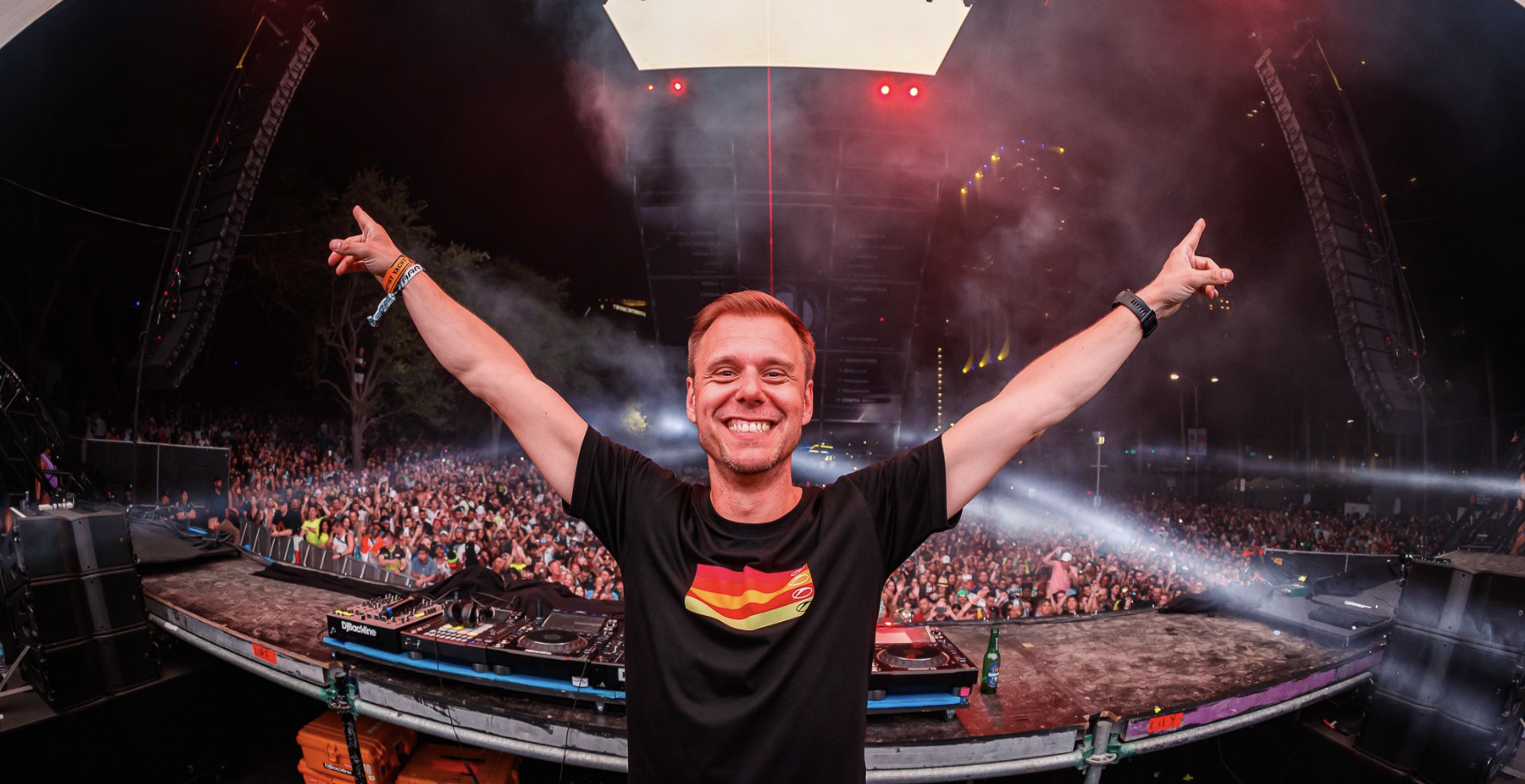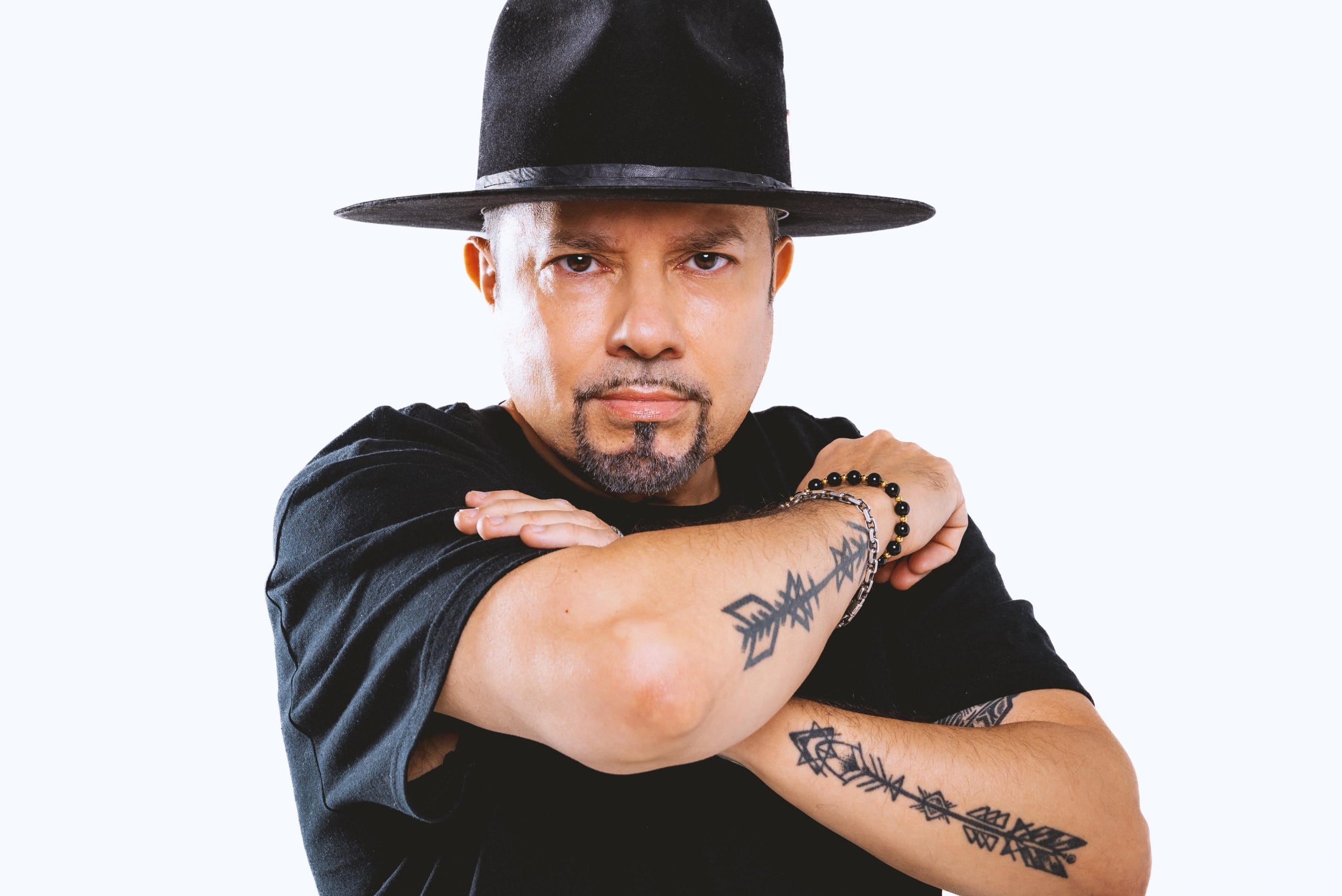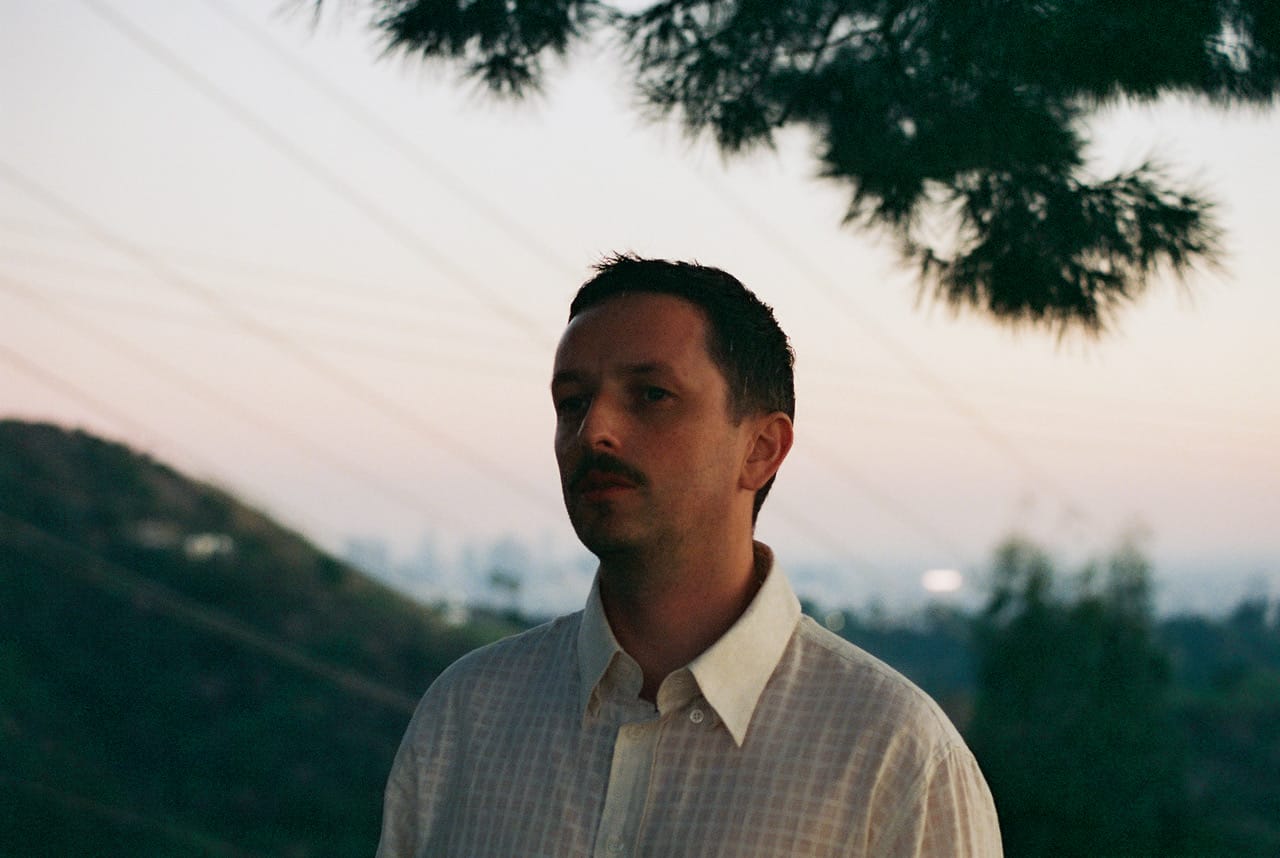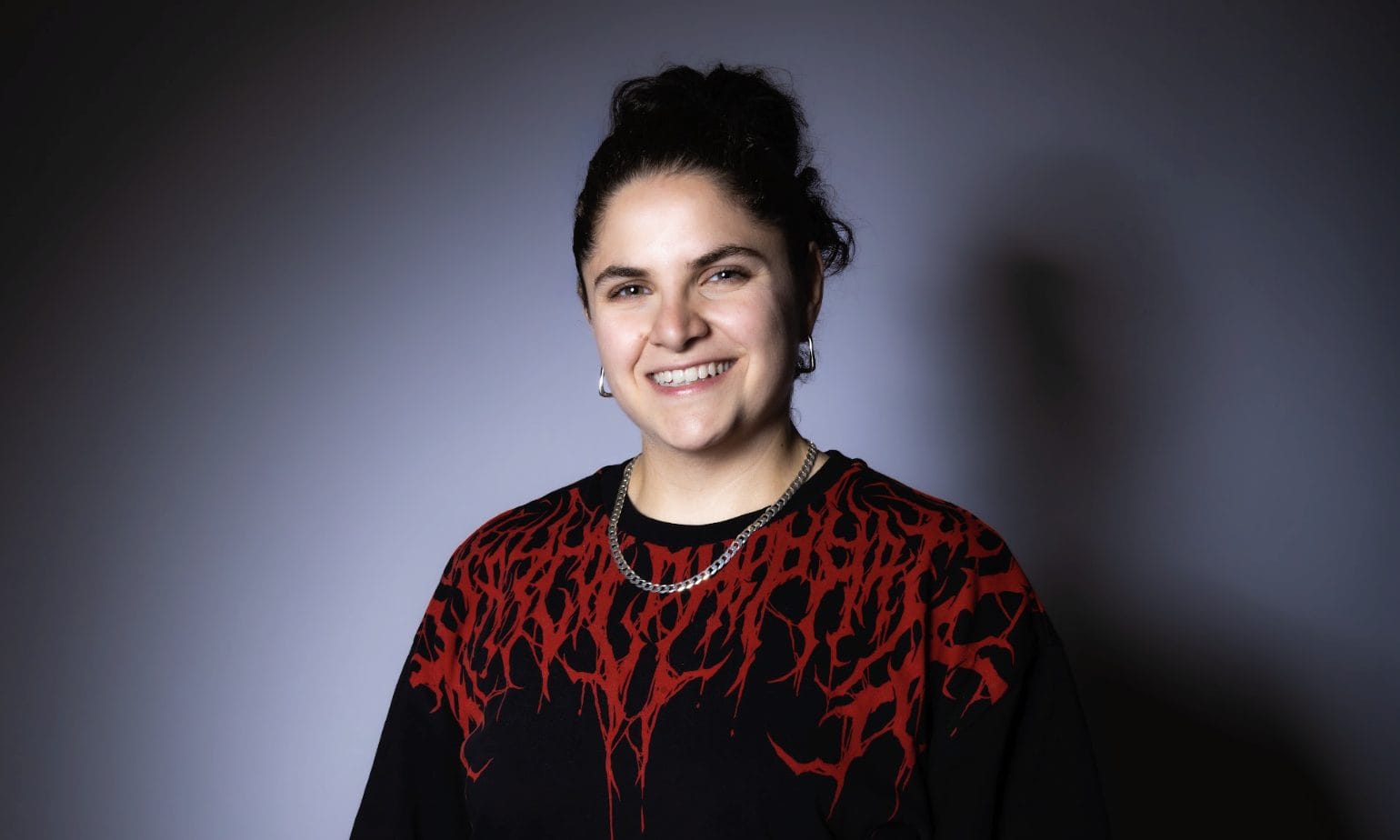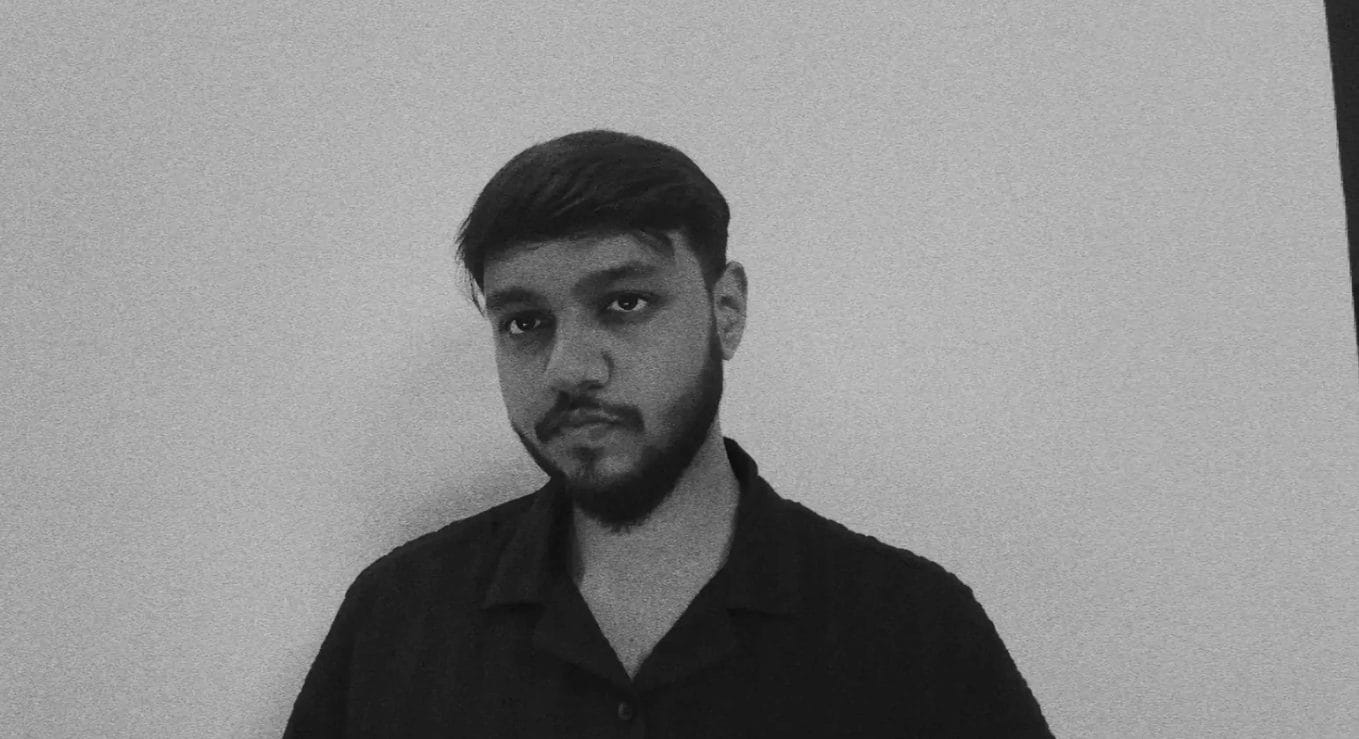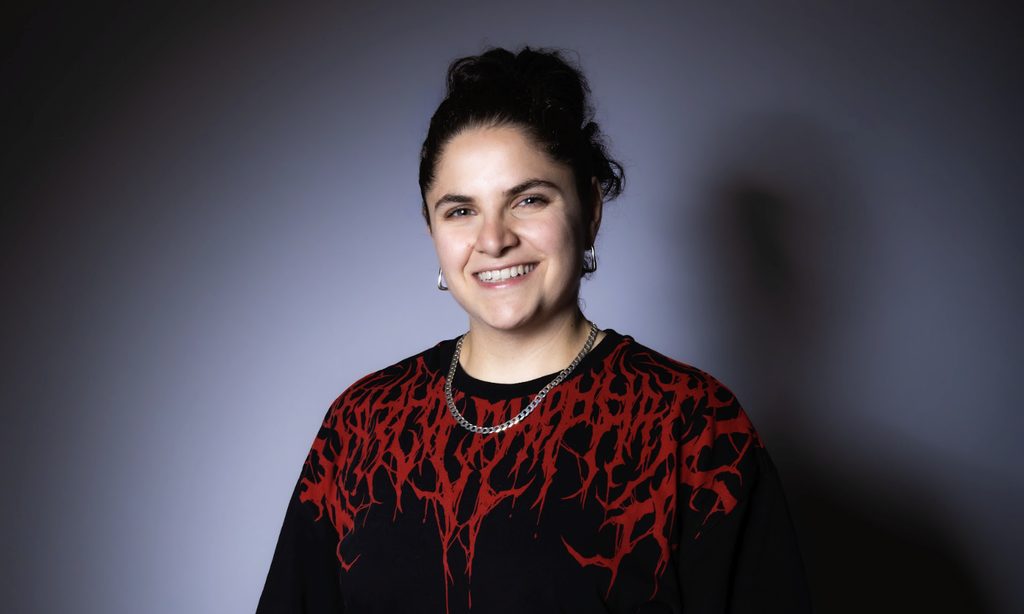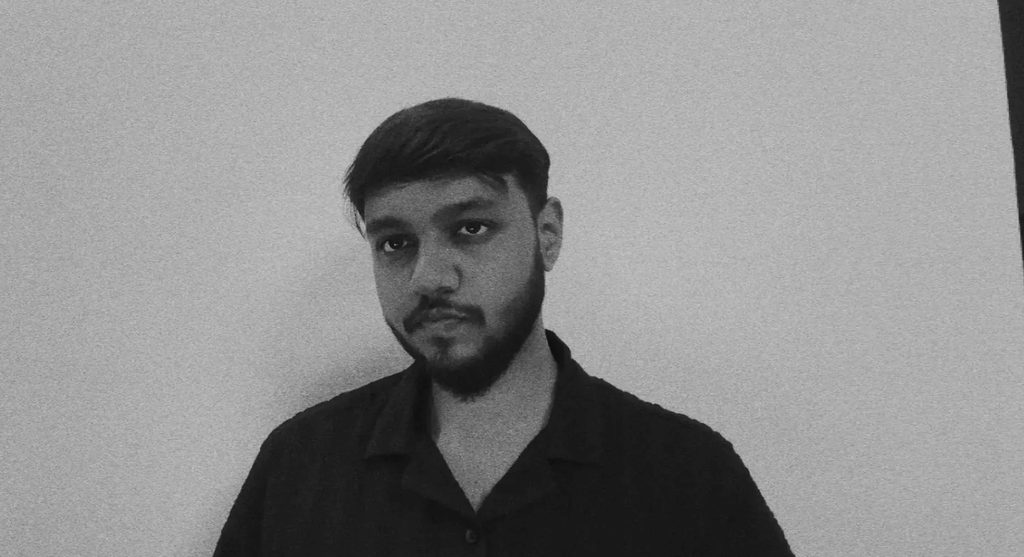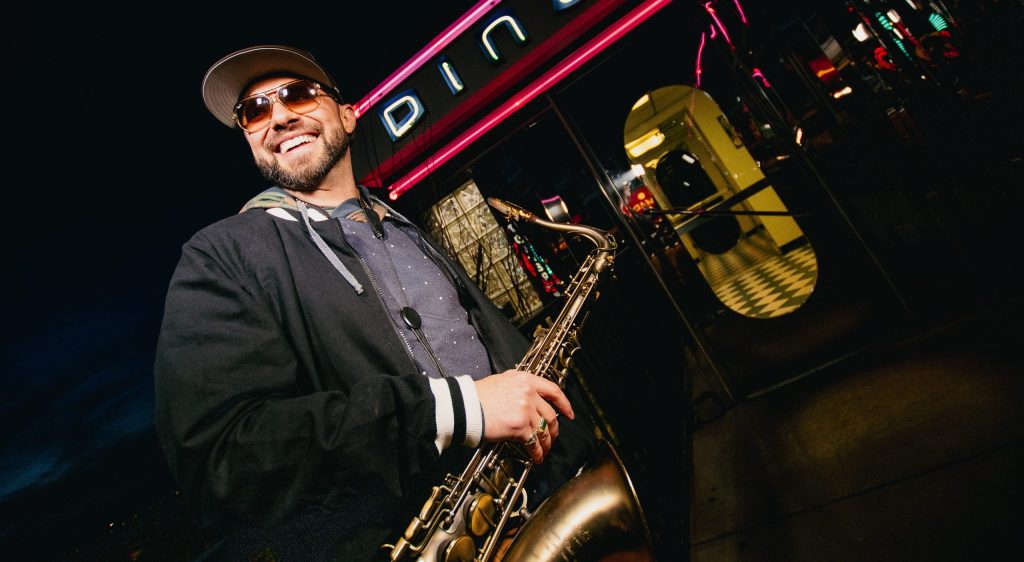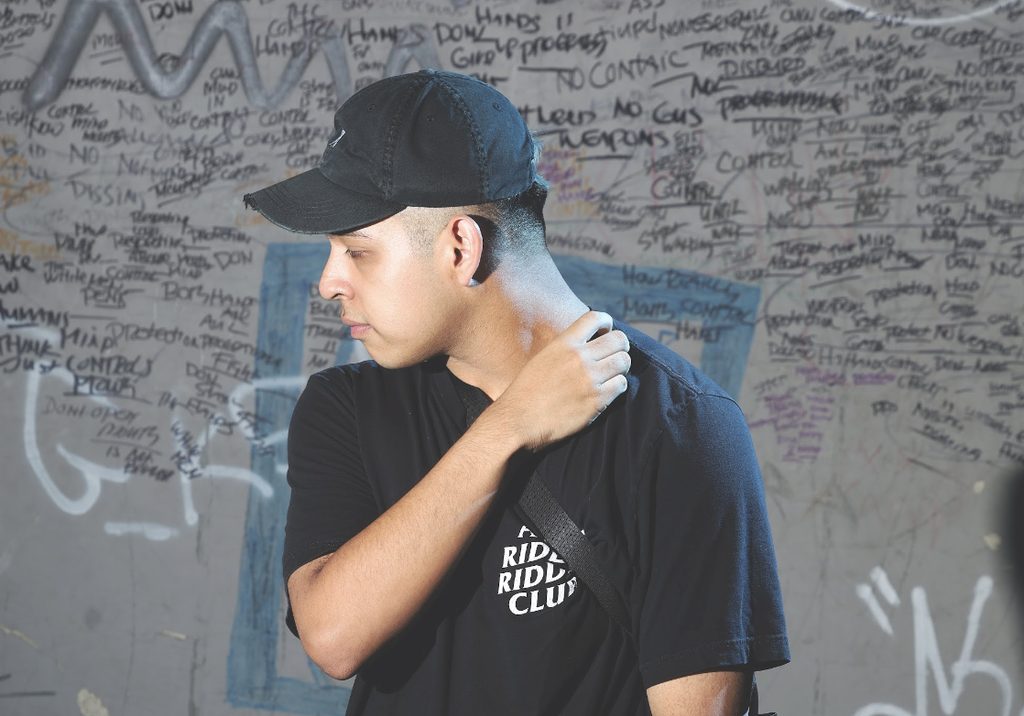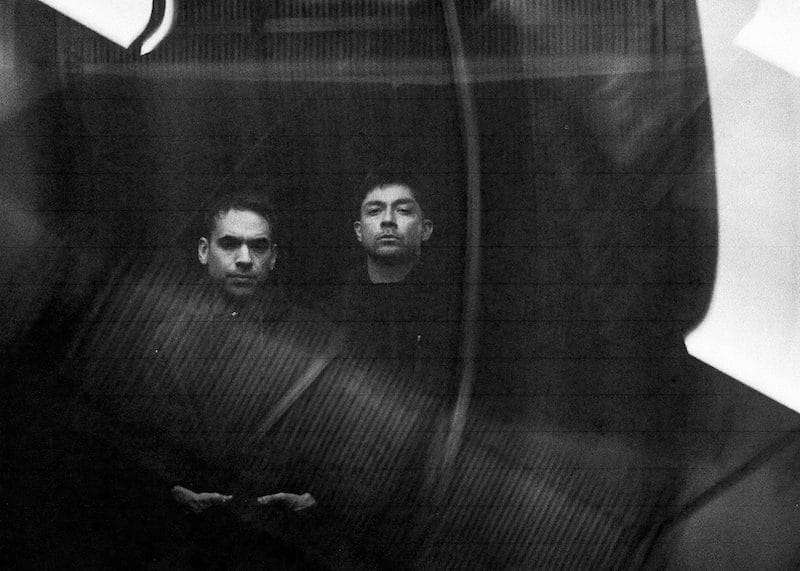
UNTER STRØM make their debut with “Orynth,” arriving May 15 via Breathing Records, and the project brings together two artists with long histories in darker electronic and alternative spaces. Alex Gonzales is known through Matte Blvck, a project that has built a growing audience through touring and sold-out U.S. shows, and John Kunkel has released as The New Division and John Grand, with past support from Armin van Buuren on A State of Trance and a guest mix on Group Therapy Radio. Together, they move into a shared lane that draws on techno, melodic house, and industrial sonics, with a clear focus on tension, rhythm, and atmosphere.
“Orynth” started with Alex sketching the opening idea before John expanded it into a complete track, adding layers, automation, and a breakdown that pushed the record into a larger shape.
The single was mixed by Aaron Short, whose credits include Madison Beer, The Naked and Famous, and So Below, giving the final version a finished sense of scale without pulling away from the project’s darker foundation. For a debut release, it gives UNTER STRØM a defined entry point: club-focused, cinematic, and built from a writing process that seems to move quickly when the two are locked in.
In the conversation below, Alex and John get into how the project came together, why UNTER STRØM needed its own identity, and how they divide creative roles without turning the process into a fixed system. They also talk about leaving old expectations behind, building a live setup, and the inside jokes that have already become part of their studio language. What comes through is a project that came from years of overlap, and “Orynth” now gives that shared history a proper first release.
Interview With UNTER STRØM
UNTER STRØM comes from years of you two working together in bands and studios. What finally made this feel like the right project name and the right format for the music you wanted to make?
John
I think everything happens for a reason. From what I remember, the first time we really decided we wanted to make dance music was around early 2024, and we had an early rough draft of that vision: music meant for the dancefloor without compromising on artistic integrity.
We knew early on that if we were going to do something together, it would have to be different from whatever we had done before.
Alex
I think the two of us had been circling this space creatively for a long time without fully stepping into it together.
We have always connected over dance music, atmosphere, rhythm, and cinematic energy, so once we started writing, it felt very natural almost immediately. The name UNTER STRØM felt right because the project has this sense of movement and tension to it, like being pulled by a current. We also knew early on that this could not feel like a side project or another collaboration. It needed its own identity and a clear creative frame around it.
Alex, the track started with your opening sketch. What was the first element that made the idea feel worth developing?
Alex
Honestly, it was the rhythm and momentum of it.
I had been experimenting with some of John’s workflow and how he shapes dance records, and I was blending in some of my own instincts and programming with percussion, transitions, and atmosphere. Once the groove locked in, it immediately felt bigger than a loop or demo. There was this tension and movement to it that made me feel like we were tapping into something new for the two of us.
John, when you picked up the initial idea, what did you feel the track needed in order to become a complete piece?
John
I think for me, the track was already great, and I wanted to see how far we could stretch it. I love creating breakdowns, layering too many synths over each other, and playing with envelopes and automation. I honestly do not really remember working on the track. I was in the moment, and before I knew it, the section wrote itself.
I sent it over to Alex, and I remember telling him I was afraid of what I had done, thinking it was too crazy or wild. He heard it and loved it. Since then, whenever we write something that really hits, we have this joke where we say “tengo miedo,” which means “I’m scared” in Spanish.
I guess the joke really means “I have no clue how I made this, this does not feel like me,” and that seems to happen a lot whenever we write tracks together. The music, rhythms, and elements all pour out, and we are always a bit confused as to how any of it came to be.
How do you divide roles in the studio when one of you starts the idea, and the other expands it?
John
Not really. Honestly, whenever one of us gets tired or sick of working on the track, we hand it off. It is good for one person to have full focus for an hour so the other person can rest their ears, go watch some memes, and take a break. There are also times where we are in the zone working on the same section together, recording something, humming a melody, or tinkering around on a keyboard. It is really organic, and so far, I do not think we have to set any rules for ourselves.
Alex
It is honestly very fluid.
John and I are highly disciplined when we are writing or making creative decisions, and we are also open with ideas. Sometimes one of us will send over something that already feels incredibly complete, and the other adds a few details or pushes it a little further in feel or rhythm. Other times, we are building ideas at the same time and accidentally end up in very similar creative spaces, which always surprises us a little.
We actually have this inside joke where we ask each other, “Did you go full T. rex?” which basically means you disappeared into the studio for hours, hunched over the desk without eating or moving because you got so locked into the process. I think that level of obsession and excitement is a huge part of why the project moves so naturally.
What did each of you have to leave behind from your solo identities to make UNTER STRØM feel like its own project?
John
That is an interesting question.
I guess for me, I am quite used to working solo, and letting someone else take the lead on something I have normally done myself was liberating. There is not much to leave behind when you are having fun, and since there is really no wrong way to write a song, create a drum pattern, or come up with a melody, there is not much to leave behind. As far as honing in on our shared sonic identity, I see it as a gradual process. Our first song is quite different from our 30th or 40th song, and it shares the same DNA. It is our decisions feeding into the process, and so far, that has kept us on track.
Alex
I think the biggest thing was letting go of expectations or rules about what the music “should” sound like. With projects you have done for years, people naturally associate you with certain sounds or approaches. With UNTER STRØM, we gave ourselves permission to follow instinct instead of identity. That was freeing creatively. We stopped thinking in terms of genre and focused on emotion, tension, movement, and atmosphere.
Looking ahead, what do you want this project to become live, visually, and sonically over the next year?
John
For full transparency, part of the reason I wanted to start this project with Alex was to leave the live shows behind and DJ. I got burnt out dealing with band gear on stage, and having to set up and tear down after every show. In the last few months, we have experimented with performing with synths and gear live, and it gave me a new perspective on what this project could be. I see us doing a mix of DJ gigs and performance shows. Visually and sonically, we are still evolving, and I think where we are headed is exciting.
Alex
We definitely see this becoming something physical and fully formed in a live setting.
We have already built a live performance setup that we will be revealing soon, and we also want the project to exist naturally in club spaces behind the decks. Sonically, we want to keep pushing ourselves and avoid repeating formulas. Visually, we are very inspired by cinema, lighting, architecture, underground rave culture, and tension-led imagery. We want every part of the project to feel intentional, from the music to the presentation.

Will Vance is a professional music producer who has been involved in the industry for the better part of a decade and has been the managing editor at Magnetic Magazine since mid-2022. In that time period, he has published thousands of articles on music production, industry think pieces and educational articles about the music industry. Over the last decade as a professional music producer, Will Vance has also ran multiple successful and highly respected record labels in the industry, including Where The Heart Is Records as well as having launched a new label with a focus on community through Magnetic Magazine. When not running these labels or producing his own music, Vance is likely writing for other top industry sites like Waves or the Hyperbits Masterclass or working on his upcoming book on mindfulness in music production. On the rare chance he's not thinking about music production, he's probably running a game of Dungeons and Dragons with his friends which he has been the dungeon master for for many years.